The ECTRIMS Podcast
The ECTRIMS Podcast is a sounding board for multiple sclerosis experts and advocates to discuss innovative work in MS research, treatment, and care with the greater MS research community. It offers a collaborative platform for MS and healthcare experts to promote and nurture the advancement of research.
Folgen

NMOSD & MOGAD: New Treatments and Hope for the Future | Patient Community Day 2026 (Part 2)
🎙️ What does the future hold for people living with NMOSD and MOGAD? With new treatments emerging and research advancing, there are important reasons for hope. As part of Patient Community Day 2026, we're pleased to share the second episode in our two-part ECTRIMS Podcast series, exploring the latest research and the perspectives of people living with MS and related neurological conditions. Host B

MS Research: What's New and What Matters to Patients? | Patient Community Day 2026 (Part 1)
What does the MS community need from research – and how can we make sure the voices of people living with MS help shape what comes next? As part of Patient Community Day 2026, we're sharing a special collaborative episode from RealTalk MS and the ECTRIMS Podcast, hosted by Jon Strum. Jon is joined by Karen Jacoby, MS advocate and person living with MS, and Peter Feys, Professor of Rehabilitation S

MSToronto2026 Day Three: What Will We Take Away from Toronto?
Three days of science, debate and discovery. For the final episode in our special MSToronto2026 podcast series, ECTRIMS Executive Committee member Jaume Sastre-Garriga joins host Brett Drummond direct from Toronto. Together, they unpack the key insights from Day Three, including the Late Breaking Abstract session, before stepping back to reflect on the Joint Meeting as a whole. What stood out acro

MSToronto2026 Day Two: What Does the MS Community Need Next?
Today, our special podcast series brings together two major voices from the North American MS community: Tim Coetzee, National Multiple Sclerosis Society Pamela Valentine, MS Canada Scientific progress in MS is accelerating. But is that progress reaching the people who need it? Alongside their reflections on the key takeaways and conversations from Day Two of MSToronto2026, Tim and Pamela join h

Day One Highlights: From Imaging to Biology with Daniel Reich
Day One at MSToronto2026 – and we're taking you inside one of the meeting's headline lectures. Our special MSToronto2026 podcast series continues with Daniel Reich – the MSToronto2026 Lecturer – as he joins host Brett Drummond to reflect on some of the key takeaways from the first full day in Toronto. Then, we go deeper. What if imaging could help us connect the dots in MS - from disease mechan

MSToronto2026 Pre-Day Highlights with Ann Yeh
The ECTRIMS Podcast is on the ground at MSToronto2026 – bringing you the conversations, insights and highlights as they happen. Kicking off our special MSToronto2026 Joint Meeting Series, Ann Yeh joins host Brett Drummond direct from Toronto to unpack the highlights of Pre-Day. Before the 10th Joint ACTRIMS-ECTRIMS Meeting officially begins, Pre-Day puts the spotlight on paediatric MS and rela

Can We Detect MS Progression in Real Time?
Can clinicians identify MS progression as it happens, or does confirming meaningful disability worsening require months of observation? Early recognition of multiple sclerosis (MS) progression is critical to informing clinical decisions. Yet distinguishing genuine disease progression from temporary fluctuations remains one of the challenges in routine MS care. In this episode of the ECTRIMS Podcas

Sandra Vukusic Named 2026 Rachel Horne Prize Winner
Prof. Sandra Vukusic has been named the 2026 recipient of the Rachel Horne Prize for Women's Research in MS. In this special episode of the ECTRIMS Podcast, Sandra joins prize founder Rachel Horne and host Brett Drummond to mark the announcement and explore the research behind the recognition. Sandra reflects on a career dedicated to improving the health and care of women living with multiple

The Multi-Arm Multi-Stage Advantage: Transforming Multiple Sclerosis Trials
What if clinical trials could evaluate multiple treatment approaches at the same time and adapt as evidence emerges? In this episode of the ECTRIMS Podcast, host Brett Drummond speaks with Prof. Jeremy Chataway of University College London and Prof. Daniel Ontaneda of Cleveland Clinic about multi-arm, multi-stage clinical trials and their potential to make MS research more efficient and responsive

The Blood–Brain Barrier in Multiple Sclerosis: From Dysfunction to Treatment
The blood–brain barrier is a highly specialised interface that regulates the movement of cells, molecules and nutrients between the circulation and the central nervous system. But what happens when this critical barrier becomes dysfunctional in multiple sclerosis? In this episode of the ECTRIMS Podcast, host Brett Drummond speaks with Prof. Elga de Vries of Amsterdam UMC and MS Center Amsterdam

Predicting MS: Can Data Bring Us Closer to Personalised Care?
Can growing amounts of real-world MS data help clinicians predict disease progression and make more personalised treatment decisions? In this episode of the ECTRIMS Podcast, host Brett Drummond speaks with Dr. Will Brown from Cambridge University and Dr. Carmen Tur from CEMCAT about the rapidly evolving field of predictive modelling in multiple sclerosis. They explore why MS is particularly dif

How Technology Is Transforming Multiple Sclerosis Care
Technology is opening new possibilities for how multiple sclerosis is monitored, treated and managed. In this episode of the ECTRIMS Podcast, host Brett Drummond speaks with Prof. Ellen Mowry of Johns Hopkins University and Prof. Letizia Leocani of Vita-Salute San Raffaele University about how innovative medical technologies could transform MS research and clinical care. Together, they explore:
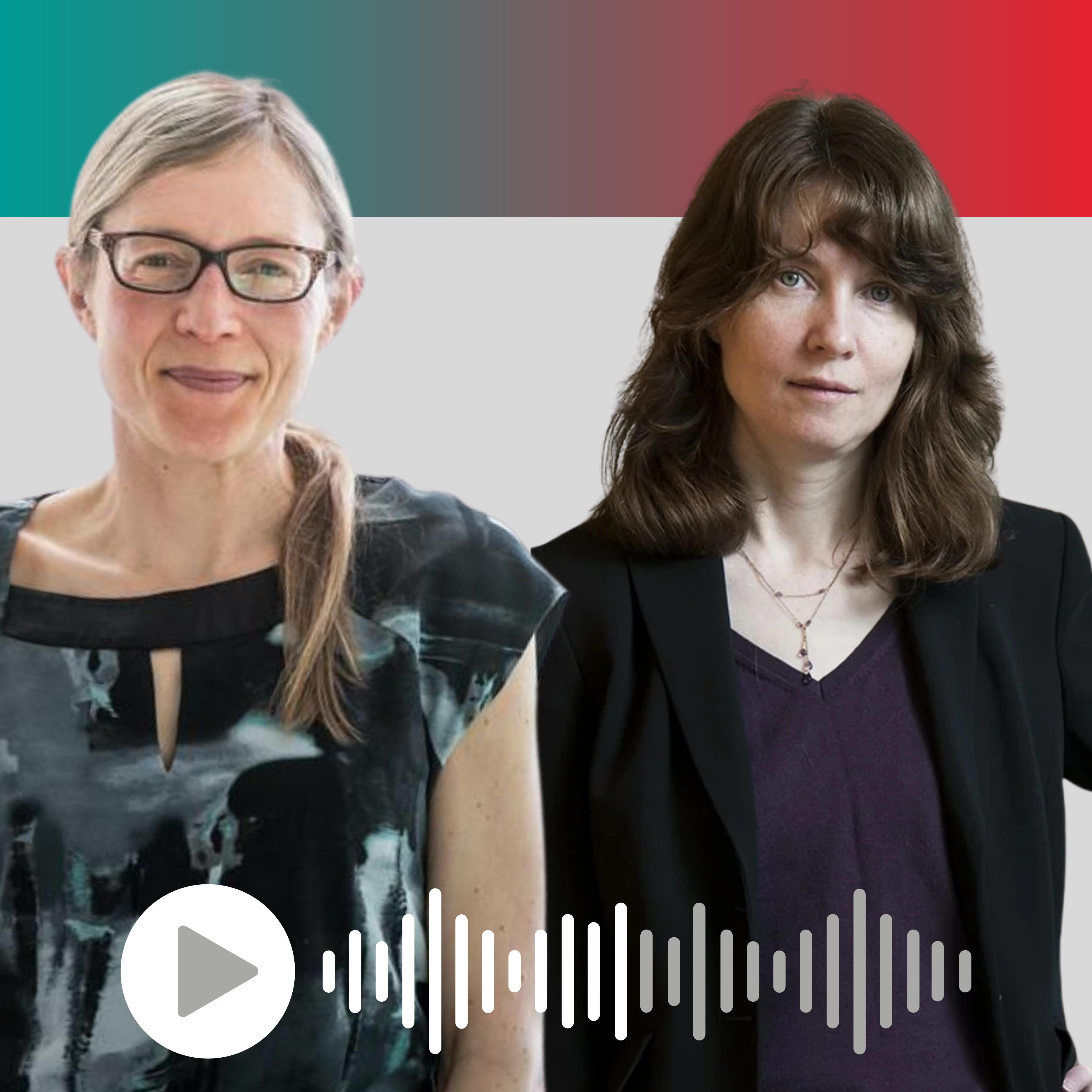
Should High-Risk Populations Be Screened for Multiple Sclerosis?
Could multiple sclerosis one day be detected before symptoms appear? And if so, should we be actively screening people who are at higher risk? In this episode of the ECTRIMS–MS Journal collaboration series, host Prof. Anneke van der Walt, Controversies Editor at the Multiple Sclerosis Journal, is joined by Prof. Helen Tremlett (University of British Columbia) and Prof. Ruth Ann Marrie (Dalhousie

How Geography, Healthcare Systems and Access Shape the Multiple Sclerosis Journey
Where someone lives can profoundly influence their multiple sclerosis journey. While advances in diagnosis and treatment have transformed MS care in many parts of the world, millions of people still face significant barriers to diagnosis, specialist care and life-changing therapies. In this episode of the ECTRIMS Podcast, host Brett Drummond speaks with Dr. Fiifi Duodu and Prof. Alfredo Damascen

MS Research Briefs: MRI Biomarkers, Machine Learning and the Future of MS Diagnosis
Welcome to MS Research Briefs, a new ECTRIMS podcast series delivering an expert guided tour of important new studies in multiple sclerosis research. In each episode, leading MS experts will take a small number of recently published studies and go beyond the headline findings – exploring what the research shows and how it may influence clinical practice and future discovery. In this inaugural epi

Vitamin D and Multiple Sclerosis: Separating Evidence from Expectation
Vitamin D and multiple sclerosis have been linked for decades, but how strong is the evidence – and what does it mean for clinical practice? In this episode of the ECTRIMS Podcast, host Brett Drummond speaks with Prof. Eric Thouvenot from University Hospital of Nimes and Dr. Deborah Mason from Christchurch Hospital about the evolving science behind vitamin D and MS. Together, they explore: Why vi

Can the revised 2024 McDonald Diagnostic criteria solve the misdiagnosis problem in multiple sclerosis?
In this episode of the ECTRIMS Podcast, recorded in collaboration with the Multiple Sclerosis Journal "Controversies in MS" series, host Prof. Anneke van der Walt moderates a discussion between Prof. Andy Solomon and Prof. Enrique Gómez on one of the most debated developments in modern multiple sclerosis diagnosis. Together, they explore: • Why misdiagnosis remains a major challenge in MS ca

EBV and Multiple Sclerosis: Could Infection Hold the Key to MS?
Epstein–Barr virus (EBV) has become one of the most intensely studied topics in multiple sclerosis research. But how strong is the evidence linking EBV to MS, and could targeting the virus change the future of treatment and prevention? In this episode of the ECTRIMS Podcast, host Brett Drummond speaks with Prof. Gavin Giovannoni and Prof. Tomas Olsson about the evolving science connecting infect

Fenebrutinib in Relapsing MS: FENhance Trial Results Explained
New Phase 3 data presented at the AAN conference 2026 provide compelling evidence that fenebrutinib may represent a high-efficacy oral treatment option for people living with relapsing multiple sclerosis. In this exclusive episode, leading experts Prof. Ludwig Kappos from University of Basel and Dr. Jiwon Oh from Barlo MS Centre join host Brett Drummond to unpack the full FENhance 1 & 2 trial
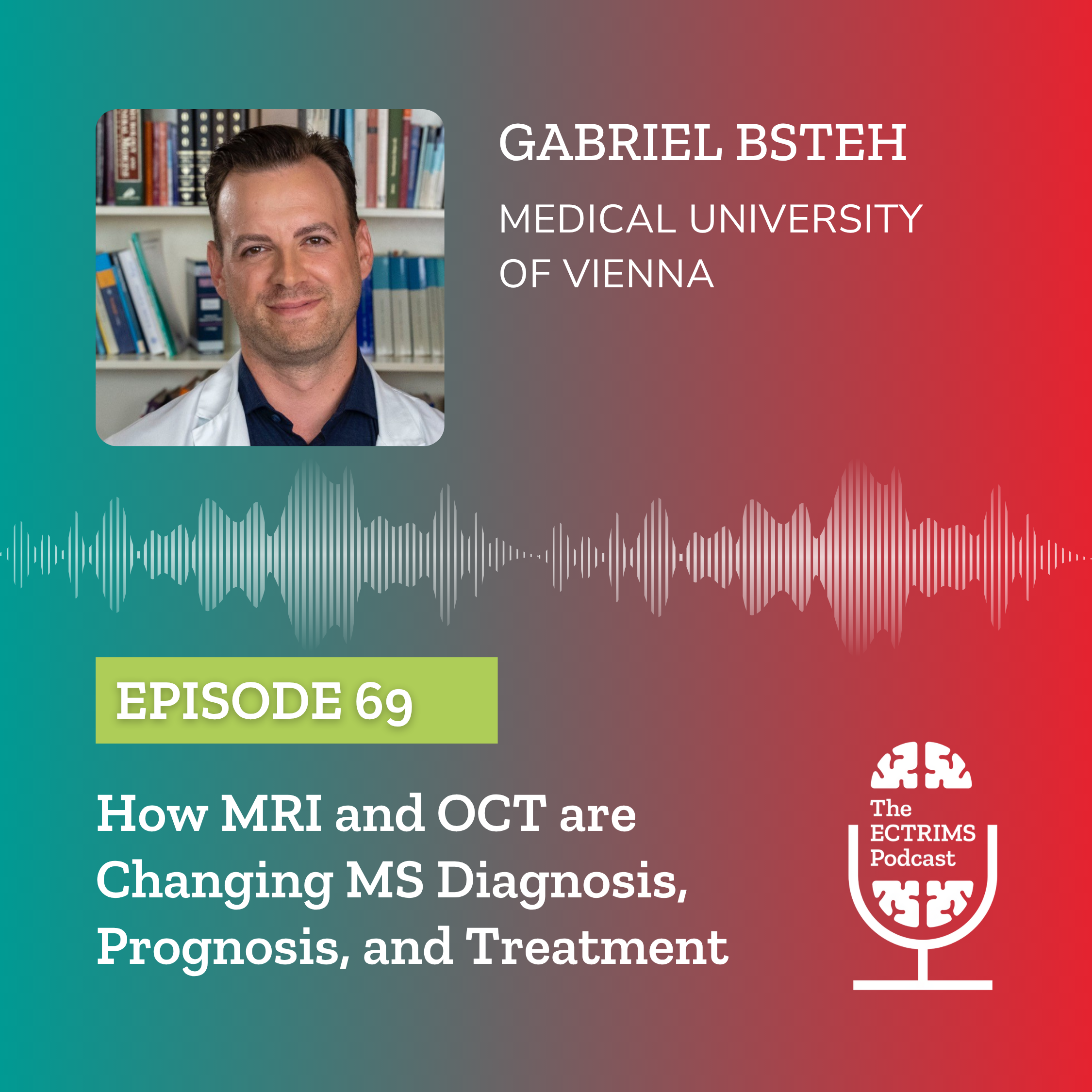
How MRI and OCT are Changing Multiple Sclerosis Diagnosis, Prognosis, and Treatment
Imaging techniques in multiple sclerosis are evolving rapidly, with MRI and emerging biomarkers playing a central role in diagnosis, prognosis and disease monitoring. In this episode of the ECTRIMS Podcast, neurologist Gabriel Bsteh and host Brett Drummond explore how MRI, optical coherence tomography (OCT), and imaging biomarkers are reshaping the way clinicians diagnose and manage MS. They discu

Does the Label Given to My MS Disease Course Matter?
How much do the labels used to describe multiple sclerosis actually reflect the lived experience of people affected by the disease? In this first episode of the new ECTRIMS–MS Journal collaboration series, host Dr. Anneke van der Walt, Controversies Editor at the Multiple Sclerosis Journal, speaks with Jon Strum, MS caregiver and host of the RealTalk MS podcast, and Kathryn Smith, patient advocat
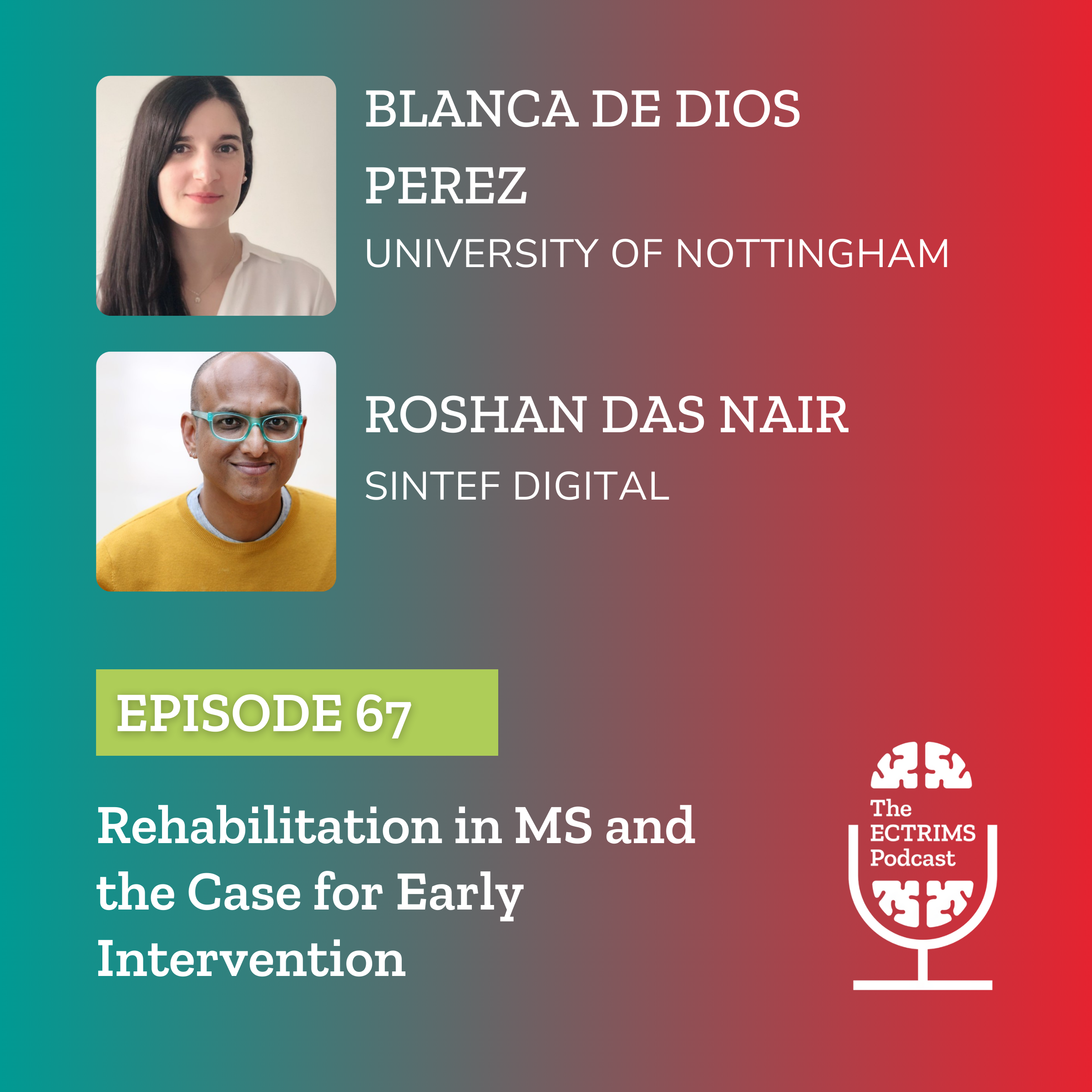
Rehabilitation in MS and the Case for Early Intervention
Rehabilitation is more than exercise – it is a personalised process of learning and adaptation that empowers people living with MS to maximise independence, participation and quality of life. In this episode – recorded at ECTRIMS 2025 in Barcelona during the joint ECTRIMS–RIMS meeting – host Brett Drummond speaks with Prof. Roshan das Nair from SINTEF and Dr. Blanca de Dios Pérez from Unive
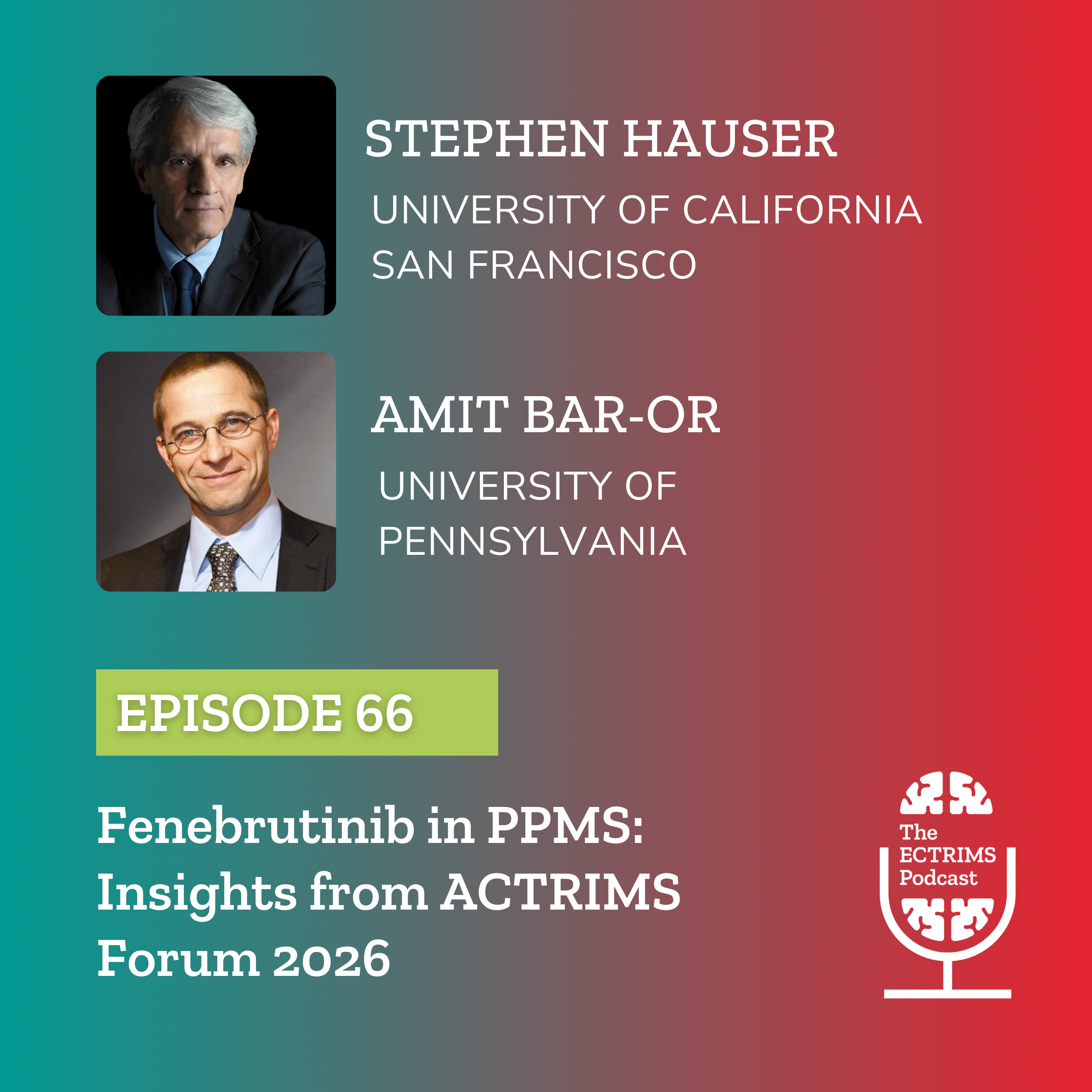
Fenebrutinib in PPMS: Insights from ACTRIMS Forum 2026
Clinical trial results unveiled today at ACTRIMS Forum 2026 suggest that fenebrutinib may be a novel and effective treatment option for people living with primary progressive multiple sclerosis. In this exclusive episode providing the first expert discussion of the complete dataset, FENtrepid trial leads Prof. Amit Bar-Or (University of Pennsylvania) and Dr. Stephen Hauser (University of Californ
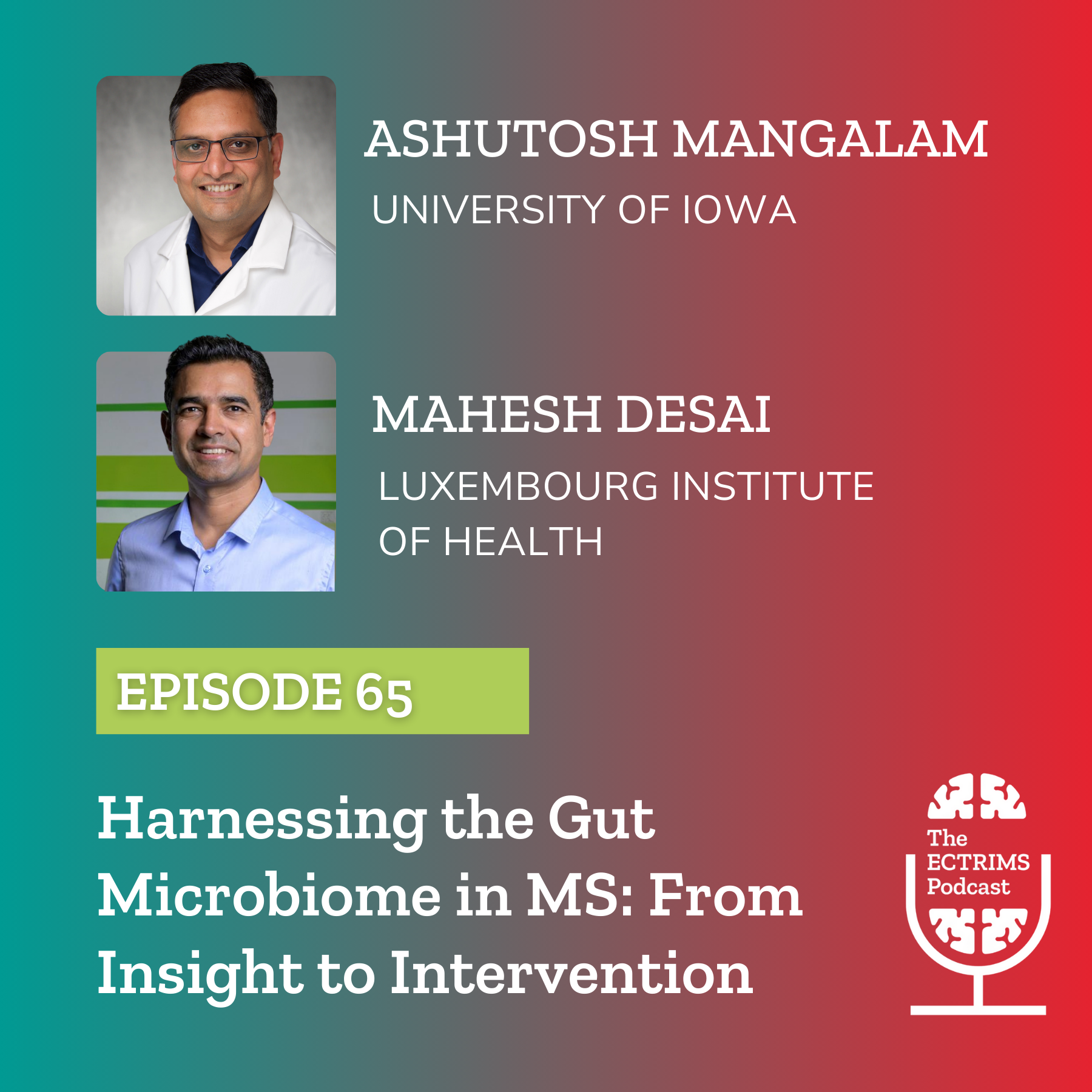
Harnessing the Gut Microbiome in MS: From Insight to Intervention
What role does the gut microbiome play in multiple sclerosis — and how close are we to translating microbiome research into meaningful clinical interventions? In this episode of the ECTRIMS Podcast, host Brett Drummond is joined by Mahesh Desai (Luxembourg Institute of Health) and Ashutosh Mangalam (University of Iowa), two internationally recognised leaders in microbiome and MS research, to exp

How well are we measuring cognition in MS?
Cognitive change is one of the most common—and most misunderstood—symptoms of multiple sclerosis. In this episode, host Brett Drummond is joined by Dr. Vicki Levitt (Columbia University) and Dr. Tom Fuchs (MS Center Amsterdam) to explore why cognition remains one of the biggest unmet challenges in MS care. Although problems with memory, attention, information processing speed, and executive functi
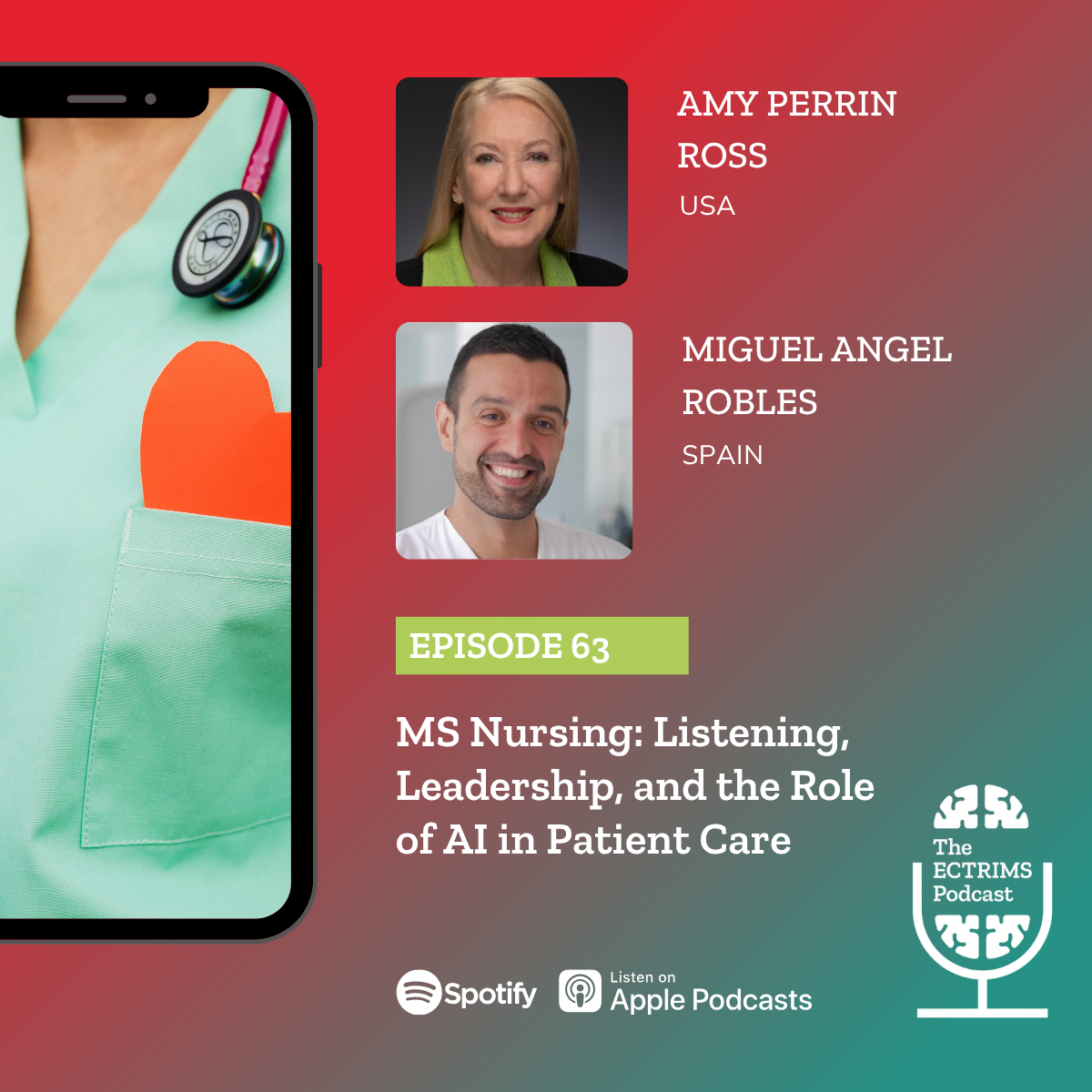
MS Nursing: Listening, Leadership, and the Role of AI in Patient Care
At every stage of the MS journey, nurses are the steady link between patients, families, and the healthcare team. In this episode, host Brett Drummond speaks with Amy Perrin Ross, MS Specialist Nurse and Program Coordinator at Loyola University Chicago (USA), and Miguel Ángel Cortés-Vicente, Multiple Sclerosis Consultant Nurse at CEMCAT – Centre d'Esclerosi Múltiple de Catalunya (Spain), about the

Why We Need to Talk More About Mental Health in MS
While much of MS care focuses on physical symptoms, mental health challenges—like depression, anxiety, loneliness, and stigma—often go under-recognised. In this episode, host Brett Drummond speaks with Dr. Rebecca MaGuire, psychologist and MS researcher at Maynooth University, who also lives with MS herself. Together they discuss why mental health must become a core part of MS care, what the lat
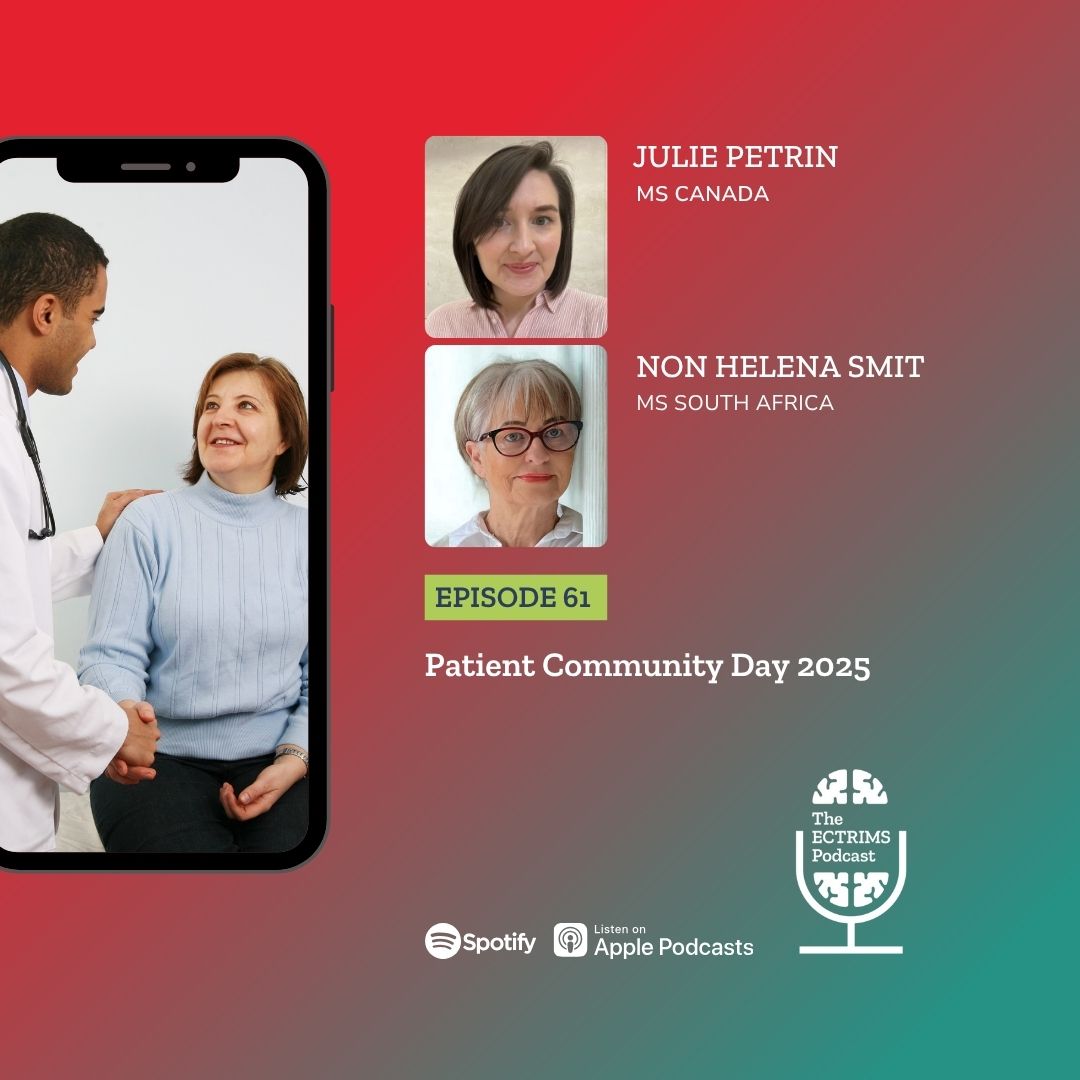
MS Research Through the Patient Lens: Key Takeaways from Patient Community Day 2025
Patient Community Day 2025 set a new attendance record, highlighting the growing desire among people living with MS to connect with experts leading the charge in understanding the disease and advancing effective treatments. After the event wrapped up in Barcelona, host Brett Drummond caught up with Julie Petrin, Director of Impact and Evaluation at MS Canada and a person living with MS, and Non H
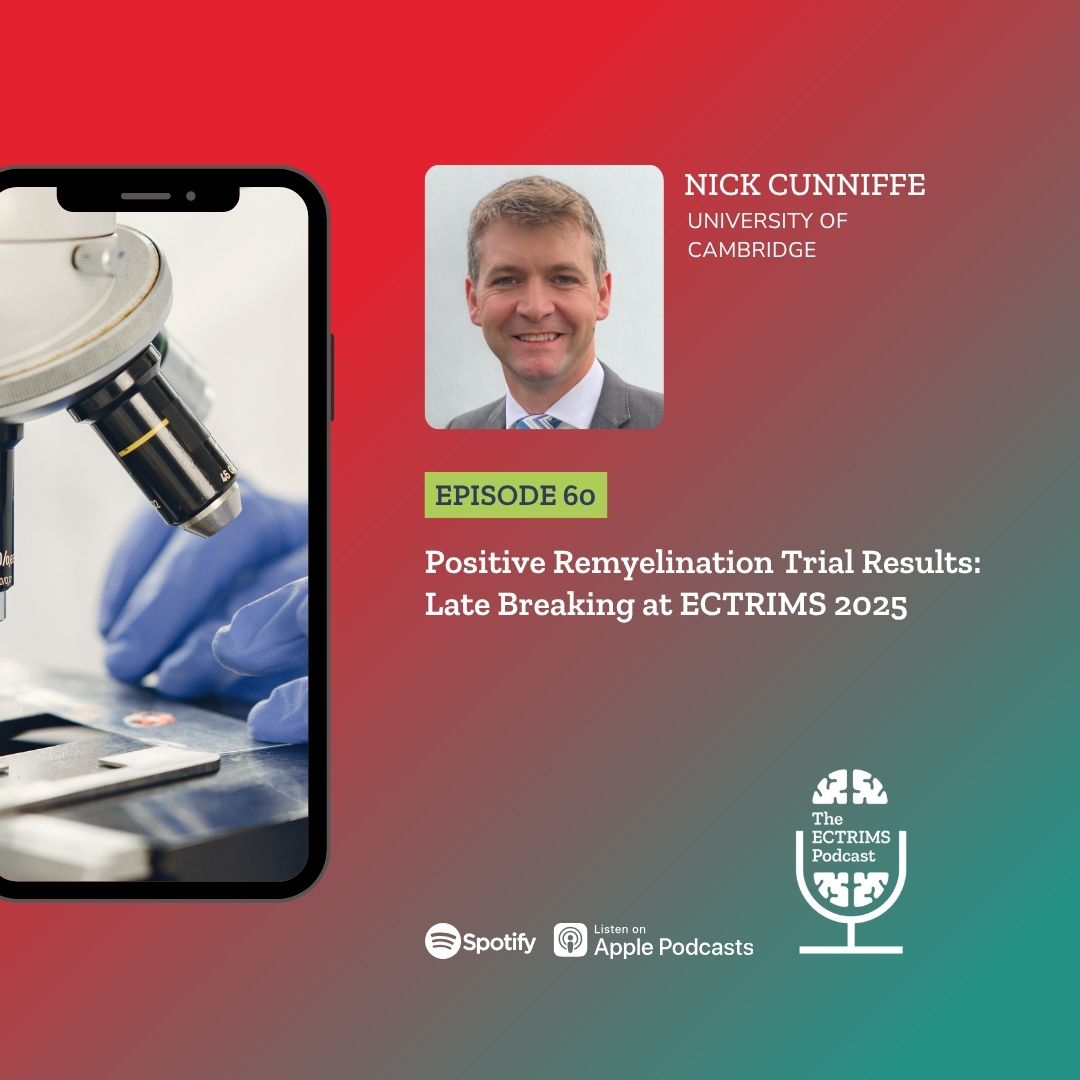
Can We Repair Myelin in Multiple Sclerosis? Results from the CCMR-Two Trial
Can damaged myelin be repaired in people living with multiple sclerosis? Results from the CCMR-Two clinical trial presented at ECTRIMS 2025 offered promising new evidence for remyelination using a combination of metformin and clemastine. Straight from his late-breaking presentation in Barcelona, trial lead Dr. Nick Cunniffe of the University of Cambridge joins host Brett Drummond to explain what t
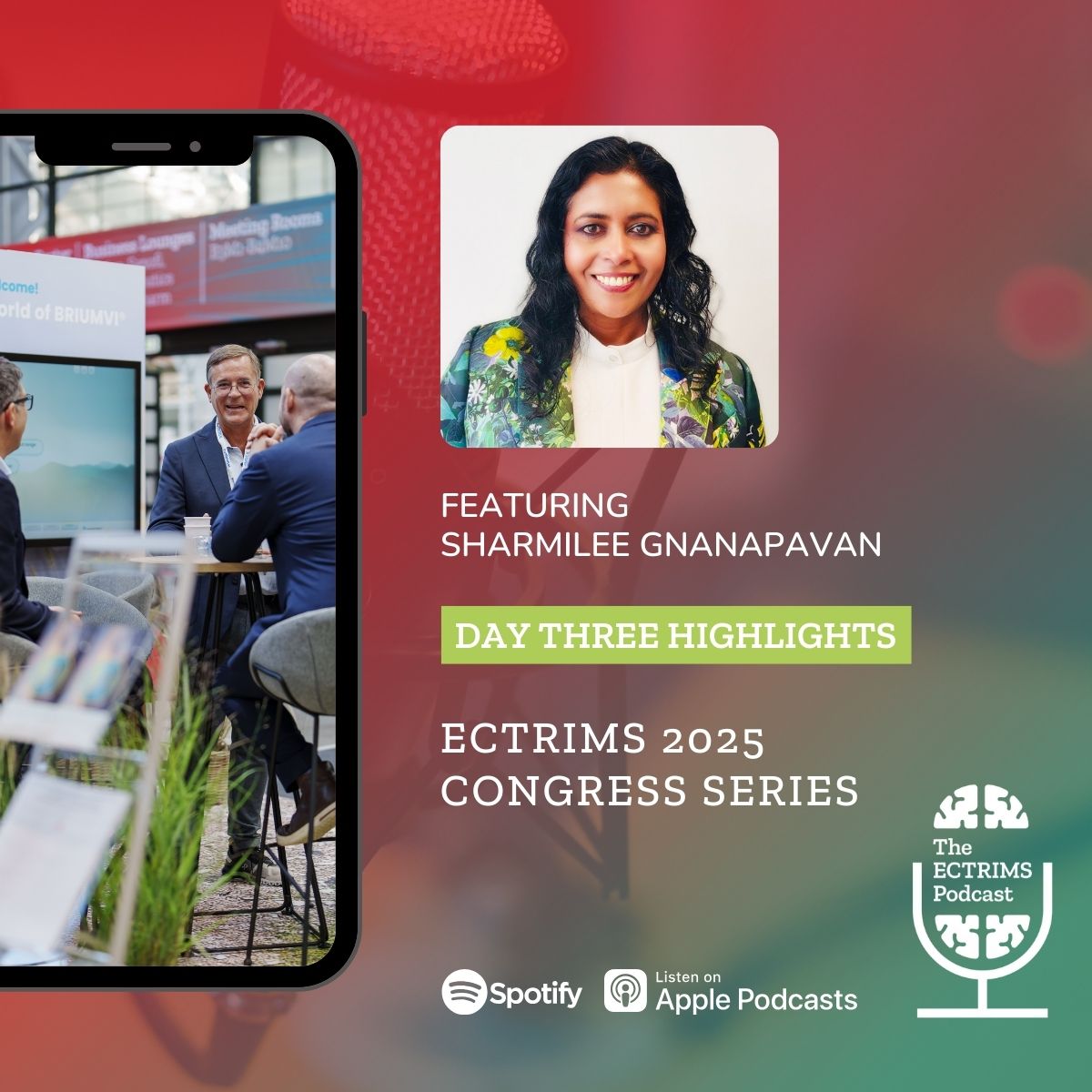
What's Next for MS Treatment? Key Takeaways from ECTRIMS 2025
What were the biggest developments in multiple sclerosis treatment at ECTRIMS 2025? As the 41st Congress came to a close in Barcelona, attention turned to new clinical trial results and what they could mean for the future of MS care. Dr. Sharmilee Gnanapavan, Consultant Neurologist at Barts Health and Princess Alexandra Hospital NHS Trust (UK), joins host Brett Drummond to unpack the key treatmen
New MS Research and Treatment Advances: Highlights from ECTRIMS 2025 | Day Two
What were some of the most important new developments in multiple sclerosis research and treatment at ECTRIMS 2025? Dr. Barry Singer, Director and Founder of The MS Center for Innovations in Care, joins host Brett Drummond to unpack the key research, clinical findings, and emerging treatment developments presented during the second day of the 41st ECTRIMS Congress in Barcelona. Together, they expl
Day 1 Highlights of ECTRIMS 2025
The 41st Congress of ECTRIMS opened in Barcelona with Professor Maria Pia Amato of the University of Florence delivering the ECTRIMS Lecture. In this conversation with host Brett Drummond, she highlights the key takeaways from Day One of ECTRIMS 2025 and shares insights on cognition and what's shaping the future of multiple sclerosis research and care.
Pre-Day Highlights of ECTRIMS 2025
Direct from Barcelona, listen to Alvaro Cobo Calvo from the Multiple Sclerosis Center of Catalonia (Cemcat) and host Brett Drummond discuss the highlights of ECTRIMS 2025 Pre-Day, which is focused on specialised topics in MS and related neuroinflammatory autoimmune diseases such as MOGAD and NMOSD.

2024 Revisions of the McDonald Diagnostic Criteria: What Neurologists Need to Know
The 2024 Revisions of the McDonald Diagnostic Criteria for MS have been published in The Lancet Neurology. What do these changes mean for clinical practice? In this episode, we are joined by two authors of the paper: Prof. Xavier Montalban, Chair of the International Advisory Committee on Clinical Trials in MS (IACCTMS), and Dr. Jiwon Oh of the University of Toronto. Together with host Brett Drumm
Genetics and MS: Recent Discoveries and Future Directions
Genetics not only influence the risk of developing multiple sclerosis (MS), but also affect how the disease progresses and how patients respond to different treatments. Professor Philip De Jager, Chief of Neuroimmunology at Columbia University Irving Medical Center joins host Brett Drummond of MStranslate to discuss recent discoveries in MS genetics. They explore what these findings mean for patie
The Expanding Role of Patient-Reported Outcomes in MS Research
Patient-reported outcomes (PROs) have become a critical tool for capturing the lived experience of multiple sclerosis (MS), offering a perspective that extends beyond traditional clinical and imaging metrics. As research increasingly prioritises real-world relevance and individualised care, PROs provide valuable insights into symptoms such as fatigue, mood changes, and cognitive decline—factors th

Biomarkers in MS
Biomarkers are one of the most exciting and fast-evolving areas in multiple sclerosis research, offering promise for earlier diagnosis, accurate prognosis, and truly personalised treatment. Yet despite their potential, there is still significant debate that limits their widespread application in clinical and research settings. In this episode, host Brett Drummond is joined by two leading voices in
BTK Inhibitors: The Tolebrutinib Trial Results
Over the past few years, the MS research community has been following developments in a new class of therapies called Bruton's tyrosine kinase inhibitors (BTKis). At ECTRIMS 2024, the results of two tolebrutinib trials were presented as late-breaking abstracts by Dr. Robert Fox, Neurologist at the Mellen Center for Multiple Sclerosis at Cleveland Clinic in the US, and Dr. Jiwon Oh, Neurologist at

The Role of Diet in Managing MS
What do the latest research findings tell us about the role diet can play in the management of multiple sclerosis (MS)? How should neurologists talk about diet with their patients? While people living with MS may view their food choices as a way to exert some control over the disease, the concept of an "ideal diet" remains hotly contested. Dr. Brigit de Jong, Neurologist at MS Center Amsterdam, in
Autologous Haematopoietic Stem Cell Transplantation for MS
Autologous haematopoietic stem cell transplantation (AHSCT) has gained considerable attention in recent years as a treatment option for multiple sclerosis (MS). As long-term clinical trial data on AHSCT continues to grow, there is increasing debate about where it fits in the current MS therapeutic landscape. Dr. Joachim Burman, Neurologist and Associate Professor at Uppsala University in Sweden, a

How Real-World Data Is Shaping MS Treatment
The rise of multiple sclerosis (MS) registries worldwide has transformed MS research, providing access to vast clinical data spanning years. This development also triggers critical conversations about how best to use real-world data to answer questions over the treatment of people with MS and the potential shift towards personalised medicine. In this episode, guests Professor Tomas Kalincik, Head

Fatigue in Multiple Sclerosis
Fatigue is a common symptom of multiple sclerosis, significantly impacting the quality of life of people living with the disease. In this episode, Dr. Anne-Laure Dubessy of Hôpital Pitié-Salpêtrière in Paris and Professor Iris-Katharina Penner of the University Hospital of Bern in Switzerland join host Brett Drummond of MSTranslate to discuss the causes of MS-related fatigue, strategies for managi

Advancing MS Knowledge through the ECTRIMS Fellowship
The recent ECTRIMS 2024 in Copenhagen showcased the work of young scientific investigators, including this year's ECTRIMS Fellowship recipients Oscar Ayala from Colombia and Zuhal Abasiyanik from Turkey. Every year, ECTRIMS awards fellowships across various categories to promote knowledge and expertise in the field of multiple sclerosis (MS). Oscar and Zuhal spoke with host Brett Drummond of MSTra

Addressing Diversity in MS Research and Care
Nearly three million people worldwide are living with multiple sclerosis (MS), affecting individuals from diverse geographical, ethnic, racial, and socio-economic backgrounds. This diversity raises important questions about how these factors may influence the experiences and outcomes of those with MS, as well as whether research studies and clinical trials have sufficiently addressed this variabil

Paediatric Multiple Sclerosis
While paediatric onset multiple sclerosis is relatively rare, it presents unique challenges. Extensive research efforts are taking place around the world to better understand the disease mechanism of paediatric MS and the similarities and differences that exist with adult onset MS to help determine the best treatment options for children and adolescents. In this episode, host Brett Drummond of MST

MS Prodrome: Implications and Future Research Directions
If you talk to someone living with MS about their journey, one of the first things they will tell you is that they knew something was wrong long before they received their diagnosis. While this anecdotal evidence has been commonly discussed, it was only relatively recently that the research world has started to investigate this concept. Through this work, the idea of an MS prodrome has been studie

Future MS Therapeutics
Significant progress has been made in multiple sclerosis (MS) treatments over the past 20 years. What does the next 20 years hold for MS therapies? What novel targets are being investigated? What clinical trials are in the pipeline and when can we expect new medications in the market? Host Brett Drummond of MS Translate explores these questions and more with Prof. Heinz Wiendl of University of Fre

MS Nurses at ECTRIMS 2024
Nurses play a specialised and unique role in the journey of people living with multiple sclerosis (MS). At ECTRIMS 2024, MS nurses showcased their experiences and insights into how to effectively support patients. In this episode, host Brett Drummond of MSTranslate talks with veteran MS nurses K-J Lazarus of Austin Health in Australia and Fiona d'Young of the Auckland Hospital in New Zealand.

Patient Community Day Highlights of ECTRIMS 2024: Part II
The Patient Community Day of ECTRIMS 2024 brought together people living with multiple sclerosis (MS), medical professionals, researchers, and advocates in two interactive sessions. They explored the forefront of MS research and treatment, focusing on groundbreaking topics like remyelination and myelin repair. They disussed promising new therapies that could revolutionise patient care, along with

Patient Community Day Highlights of ECTRIMS 2024: Part I
The Patient Community Day of ECTRIMS 2024 brought together people living with multiple sclerosis (MS), medical professionals, researchers, and advocates in two interactive sessions. They explored the forefront of MS research and treatment, focusing on groundbreaking topics like remyelination and myelin repair. They disussed promising new therapies that could revolutionise patient care, along with
Day 3 Highlights of ECTRIMS 2024
Former ECTRIMS President and MS Journal Editor-in-Chief Alan Thompson and host Brett Drummond wrap up the last day of ECTRIMS 2024 with their final thoughts and insights.
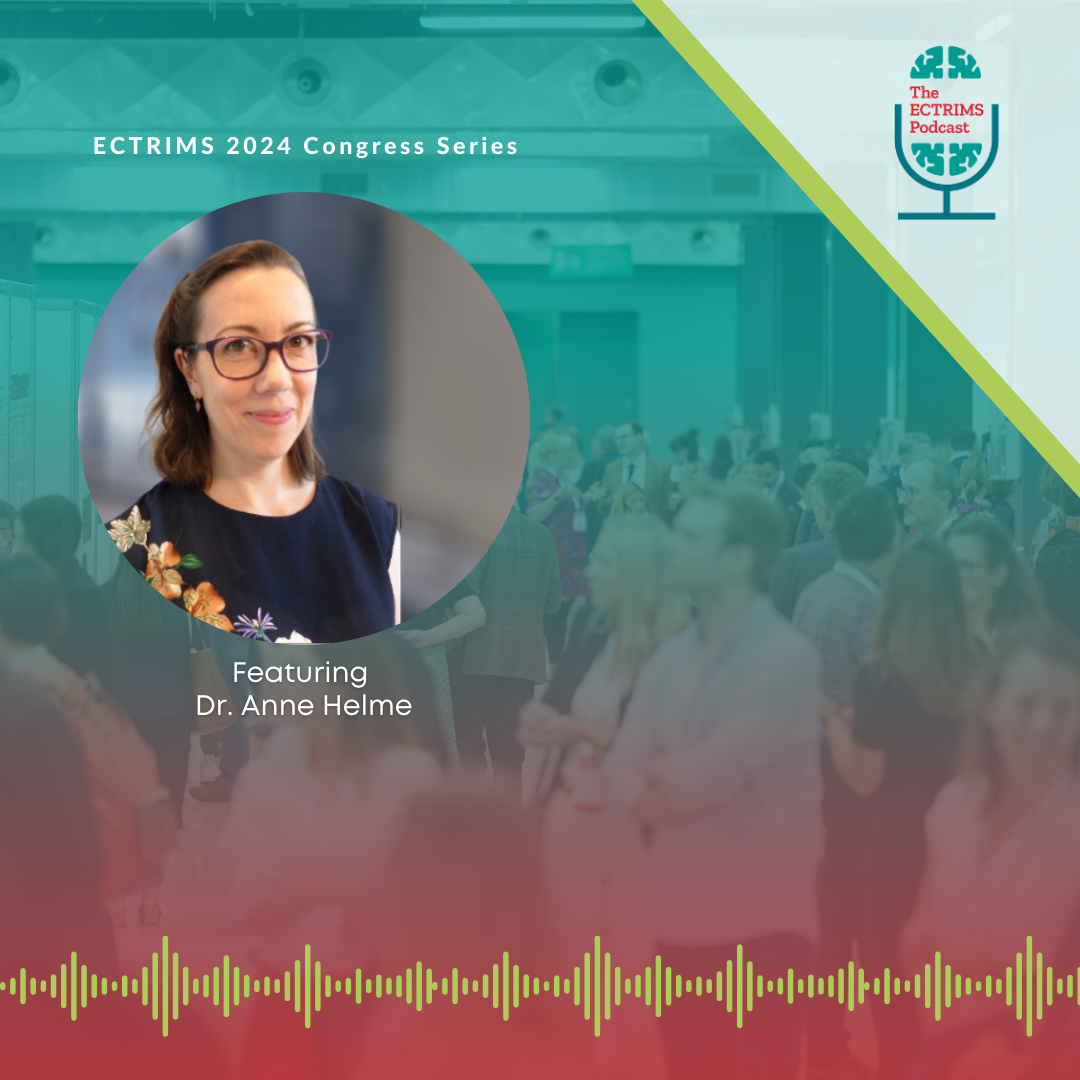
Day 2 Highlights of ECTRIMS 2024
Anne Helme, Head of Research at MSIF, and host Brett Drummond discuss the key takeaways unveiled on the second day of ECTRIMS 2024 in Copenhagen, as well as the value of global collaboration.

Day 1 Highlights of ECTRIMS 2024
ECTRIMS Vice President Bruno Stankoff highlights the most relevant insights from day one of ECTRIMS 2024 in Copenhagen, and provides a glimpse of what to expect from the ECTRIMS society in the coming year.
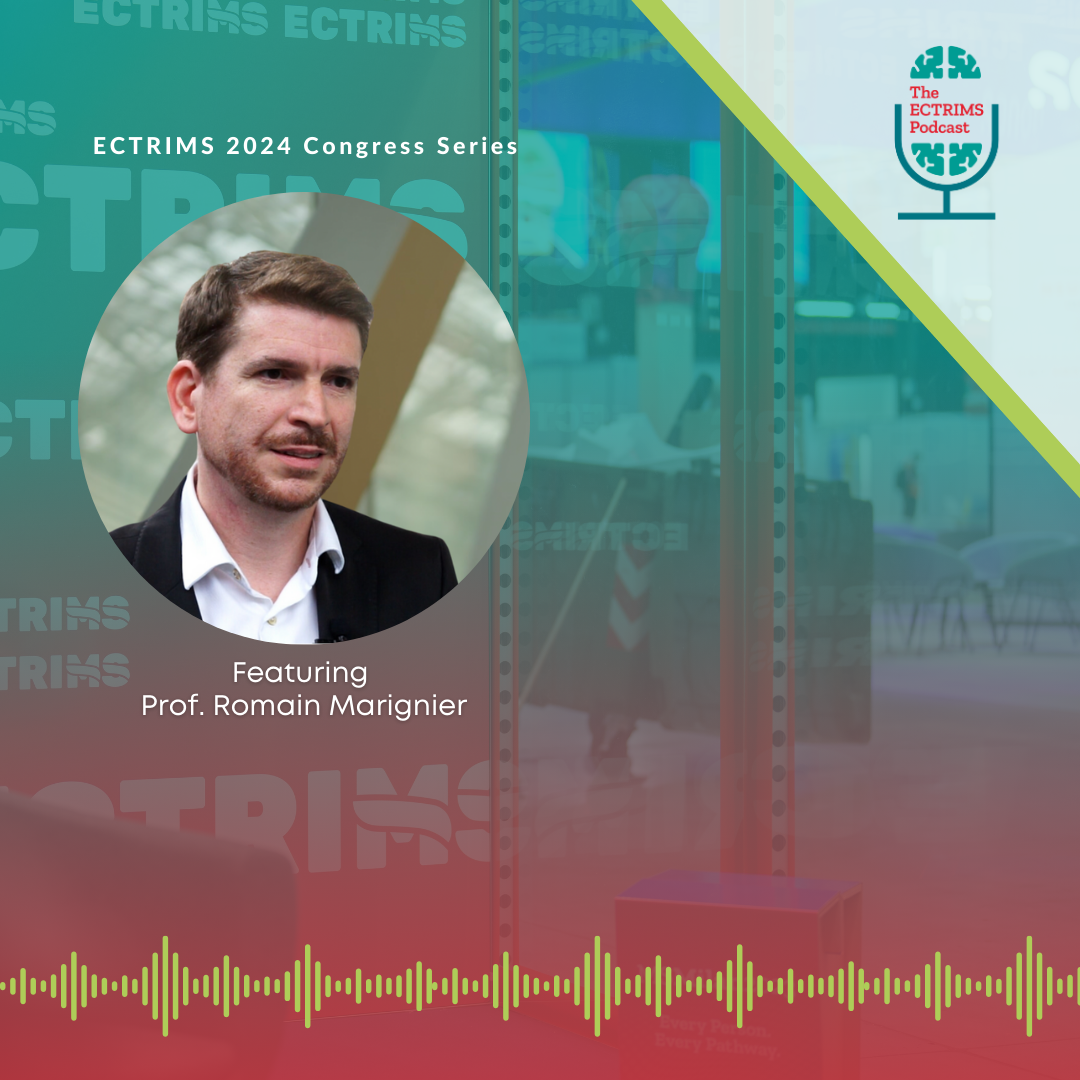
Pre-Day Highlights of ECTRIMS 2024
Listen to Romain Marignier from CHU de Lyon and host Brett Drummond discuss highlights of ECTRIMS' new Pre-Day on NMOSD, MOGAD, and other rare neurological conditions.

Episode 35: NMOSD and MOGAD Part II
Misdiagnosing multiple sclerosis (MS) is not uncommon. Neuromyelitis optica spectrum disorder (NMOSD) and myelin oligodendrocyte glycoprotein antibody disorder (MOGAD) can have clinical manifestations similar to MS. In this two-part episode, host Brett Drummond of MSTranslate speaks with Prof. Sara Mariotto of the University of Verona in Italy and Prof. Kazuo Fujihara of Fukushima Medical Universi

Episode 35: NMOSD and MOGAD Part I
Misdiagnosing multiple sclerosis (MS) is not uncommon. Neuromyelitis optica spectrum disorder (NMOSD) and myelin oligodendrocyte glycoprotein antibody disorder (MOGAD) can have clinical manifestations similar to MS. In this two-part episode, host Brett Drummond of MSTranslate speaks with Prof. Sara Mariotto of the University of Verona in Italy and Prof. Kazuo Fujihara of Fukushima Medical Universi

ECTRIMS-EAN Vaccination Consensus Statement (eanCast)
The following episode has been produced by the European Academy of Neurology (EAN) in collaboration with the European Committee for Treatment and Research in Multiple Sclerosis (ECTRIMS), and has been published on both the EAN and ECTRIMS Podcast channels to ensure our joint communities have access to it. In this episode of eanCast: Weekly Neurology, host Melinda Magyari is joined by ECTRIMS Podca

Environmental, Genetic, and Epigenetic Risk Factors in MS
Multiple sclerosis (MS) is a complex and multifaceted neurological disorder. While MS has a genetic component, it is not a classic genetic disease. For this reason, a large amount of research has been done to identify environmental factors that may also be involved. In this episode, host Brett Drummond of MSTranslate talks with Emmanuelle Waubant, Professor of Neurology and Paediatrics at the Uni
Myelin plasticity and repair
The next major step forward in the management of MS involves finding treatments that can repair damaged myelin. If successful, it would offer the potential to start to reverse some of the symptoms experienced by people living with MS. Bruno Stankoff, a neurologist of the Pitié-Salpêtrière Hospital in Paris and vice president of ECTRIMS, and Gianvito Martino, scientific director of the San Raffael

Lifestyle Modifications in MS
People living with MS want to be able to improve their quality of life and take control of a disease that is often filled with uncertainty. In this space, no topic has generated more interest or discussion than lifestyle modifications such as diet and exercise. What is the current evidence on how effective they can be at helping manage the disease? Robert Motl, professor of kinesiology and nutriti

The Impact of Ageing on MS
While multiple sclerosis (MS) has been traditionally described as a disease of young adults, the significant improvements in treatments over the past few decades has meant that researchers and clinicians are now increasingly handling questions related to the impact of ageing. In this episode, host Brett Drummond of MSTranslate talks with Anneke Van Der Walt, Director of MS and Neuroimmunology and
Artificial Intelligence in MS Research
Artificial intelligence (AI) can be a powerful tool to help enhance our understanding of MS disease processes, improve our diagnostic accuracy, better predict disease course, and identify optimal treatments. How is AI being used in MS research currently and what may it be able to do in the future? Host Alan Thompson, Editor in Chief of MS Journal, talks with Arman Eshaghi of the Queen Square Inst

Prioritising Women's Health Topics in MS Research
In a landscape where funding is increasingly difficult to obtain, the importance of conducting research that has the greatest impact has never been more important. In the case of women with MS, a large-scale scoping review,* conducted on behalf of the International Advisory Committee on Clinical Trials in MS, sheds light on the research gaps related to female health. ln this episode, host Brett Dr

Spotlight on Young MS Researchers
The ECTRIMS Congress offers a valuable opportunity for young researchers to gain experience and exposure. Joonas Lehikoinen from Helsinki University Hospital and the University of Helsinki Neurocenter, along with Ahmed Abdelhak from the University of California, San Francisco, received poster abstract prizes at MSMilan2023. Host Brett Drummond from MSTranslate talks with them about their research

MS in the Black Community
With the growing push towards taking a more personalised approach to the treatment and management of multiple sclerosis, it is important to understand the unique issues – both socially and clinically – that may arise among people of different ethnicities. In this episode, Natalie Bursari of The Nerve of My Multiple Sclerosis in the UK and Mitzi Joi Williams of Joi Life Wellness Multiple Sclerosis
Efforts Towards a Better MS Diagnostic Criteria
Discussions are ongoing to change the way MS patients are diagnosed and treated. In this episode, Xavier Montalban, Chair of the International Advisory Committee on Clinical Trials in Multiple Sclerosis, which is leading the discussions, explains the evolution of the McDonald criteria and why these proposed revisions are important for clinicians and patients alike.

Factoring in Female Health in the MS Journey
Recent global epidemiological data show that approximately 70% of people diagnosed with multiple sclerosis are women. While this may tell us something about the mechanisms behind disease susceptibility, it also raises a number of unique challenges throughout the MS journey. In this episode, Ruth Dobson, Professor of Clinical Neurology at Queen Mary University of London, and Emmanuelle Leray, Pro
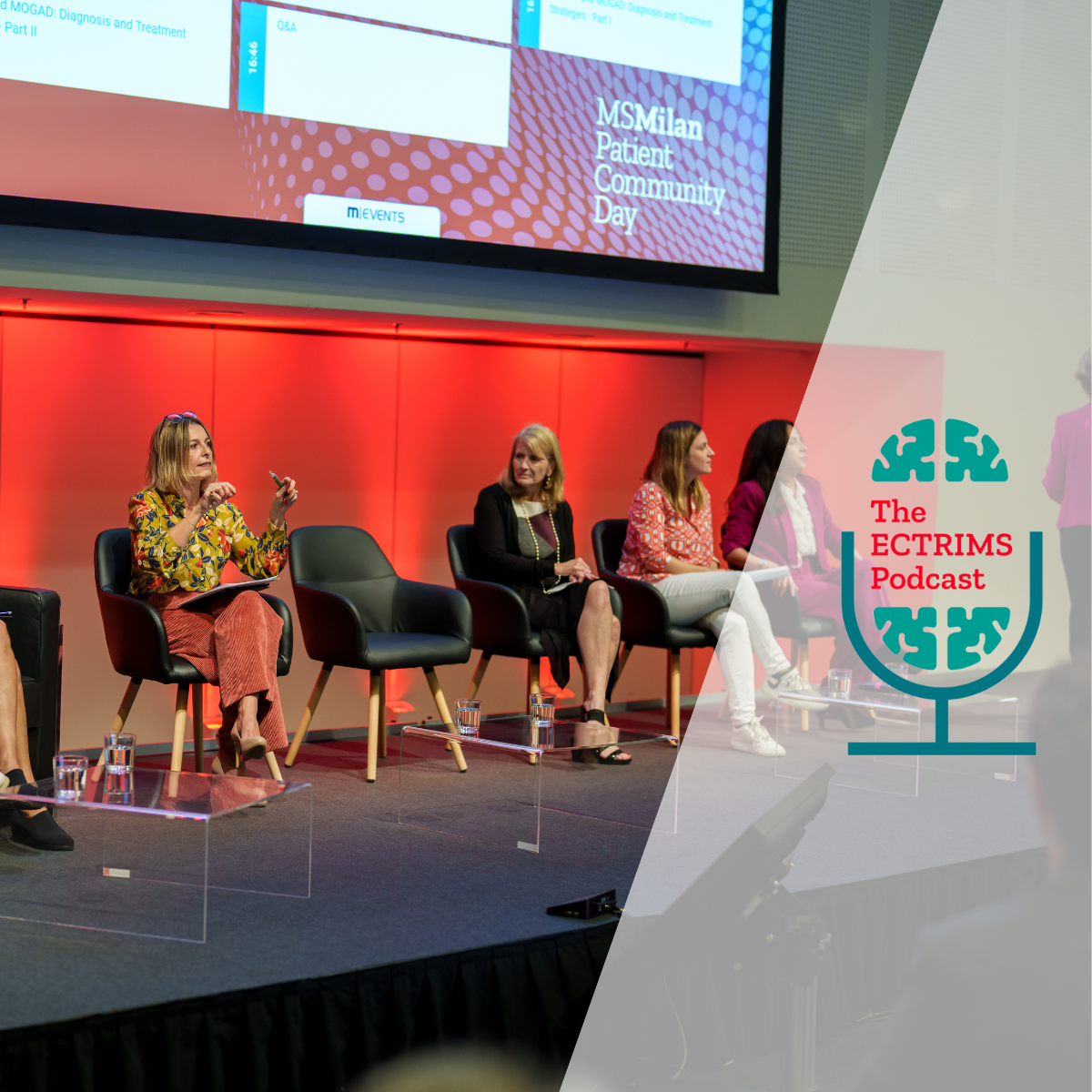
The Importance of Patient Community Day
The MSMilan Patient Community Day was designed for people living with multiple sclerosis and related neurological diseases and their caregivers to stay updated and involved in the advancements being made on their journey towards managing their conditions. In this episode, Tim Coetzee, Chief Advocacy, Services & Science Officer and Bonnie Higgins, Director of the National Multiple Sclerosis Society
Genetics and MS Severity
Why do some people with multiple sclerosis (MS) continue to run marathons while others are in wheelchairs years after diagnosis? Genetics partly explains why. Scientists have identified the first genetic marker for MS severity, which could pave the way for new treatments to prevent disease progression. Sergio Baranzini of University of California San Francisco and Adil Harroud of McGill University

Defining MS Subtypes in Clinical Practice
Descriptors of multiple sclerosis are currently based on a combination of clinical and MRI features, and include clinically isolated syndrome, relapsing-remitting, secondary and primary progressive subtypes. Accumulating evidence suggests that the clinical course of MS is better considered as a continuum, with contributions from concurrent pathophysiological processes that vary across individuals
The Changing Role of MS Nurses
Two sessions at the 9th Joint ECTRIMS-ACTRIMS Meeting (MSMilan2023) focused on nursing. Nurses play a critical role throughout an MS patient's life. And in this episode, we discuss the changing role of MS nurses and the challenges they face, with guests Belinda Bardsley, an N-CRESS (Neuro-Immunology Clinical Research, Education and Support Service) Nurse Manager at Austin Health in Melbourne, Aust

Discontinuing DMTs in Patients with Stable Relapsing-remitting MS: When and How?
Long term use of disease modifying treatments (DMTs) poses challenges in terms of safety and pharmacoeconomics, while preventing disability progression. As such, there is an ongoing debate on how long disease modifying treatments should be continued and if discontinuation should be considered in stable multiple sclerosis. In this episode, Alan Thompson, Editor in Chief of the MS Journal, speaks
Day Three Highlights of MSMilan2023
Day Two Highlights of MSMilan2023
Listen to Clare Walton with MS Society UK and host Brett Drummond discuss the key takeways unveiled on the second day of MSMilan2023.
Day One Highlights of MSMilan2023
ECTRIMS Lecturer Dr. Stephen Hauser deep dives into the most relevant insights from day one of MSMilan2023, with host Brett Drummond.
Behind the landmark WHO decision on essential medicines for MS
Multiple sclerosis (MS) treatments have been successfully added onto the World Health Organisation's Essential Medicines List (EML) in July 2023. Nick Rijke of the MS International Federation and Deanna Saylor of Johns Hopkins Hospital discuss the impact of this milestone and the next steps for clinicians, researchers, patients, and the MS community at large.
Women with MS
MS affects more women than men. Research on the reasons behind this, and if and how sex-specific processes may impact disease progression, and the symptoms experienced by women living with MS continue to expand. In this episode, Rhonda Voskuhl of UCLA and Elisabeth Celius of University of Oslo and Oslo University Hospital discuss these issues and more.
Utilising Global Data Registries for MS Research
The development of global databases that record and store large amounts of clinical data for people living with MS has made a significant difference to the MS research world. In this episode, we talk to Izanne Roos of the University of Melbourne and Cyrus Daruwalla of the University of Cambridge about the types of registries that currently exist, the importance of collecting observational data a
Epstein-Barr Virus and Multiple Sclerosis
A longitudinal study published in 2022 found that infection with the Epstein-Barr virus (EBV) dramatically increased the risk of developing multiple sclerosis, suggesting that MS is likely caused by EBV. In this episode, Professor Alberto Ascherio of Harvard University, who led the study, discusses the findings and their preventative and therapeutic implications.

Access For All: Adding MS DMTs to the WHO Essential Medicines List
Everyone with MS should have access to the treatment and care that they need. Yet in 70% of countries, people face huge challenges in accessing disease modifying therapies (DMTs). Nick Rijke with the MS International Federation and Deanna Saylor of Johns Hopkins Hospital discuss a recent bid to add MS DMTs to the WHO's Essential Medicines List.