The Future of Work Podcast
The Future of Work Podcast, produced by the International Labour Organization (ILO), explores how the rapidly changing world of work affects individuals and societies. Each episode features expert discussions on pressing labor issues and takes listeners to workplaces they never knew existed. The show aims to help people understand and navigate the evolving landscape of employment, offering insights into the future of jobs and working conditions.
Folgen

Is it harder for young people to find a job?
Global youth unemployment is rising and AI is reshaping entry-level roles. In this episode of the Future of Work podcast, we analyze the 2026 trends with Sara Elder, the lead author of the 2026 ILO Global Employment Trends for Youth report. Joined by youth Scout leaders from Romania, Mexico, and Zimbabwe, we explore why this is a structural crisis and what institutions must do to support the next

Why is life becoming harder to afford despite economic growth?
Economic growth and rising productivity don’t automatically translate into better jobs and higher incomes. ILO Chief Economist Sangheon Lee explains why many workers are not seeing the benefits and what can be done to share the gains from growth more widely.
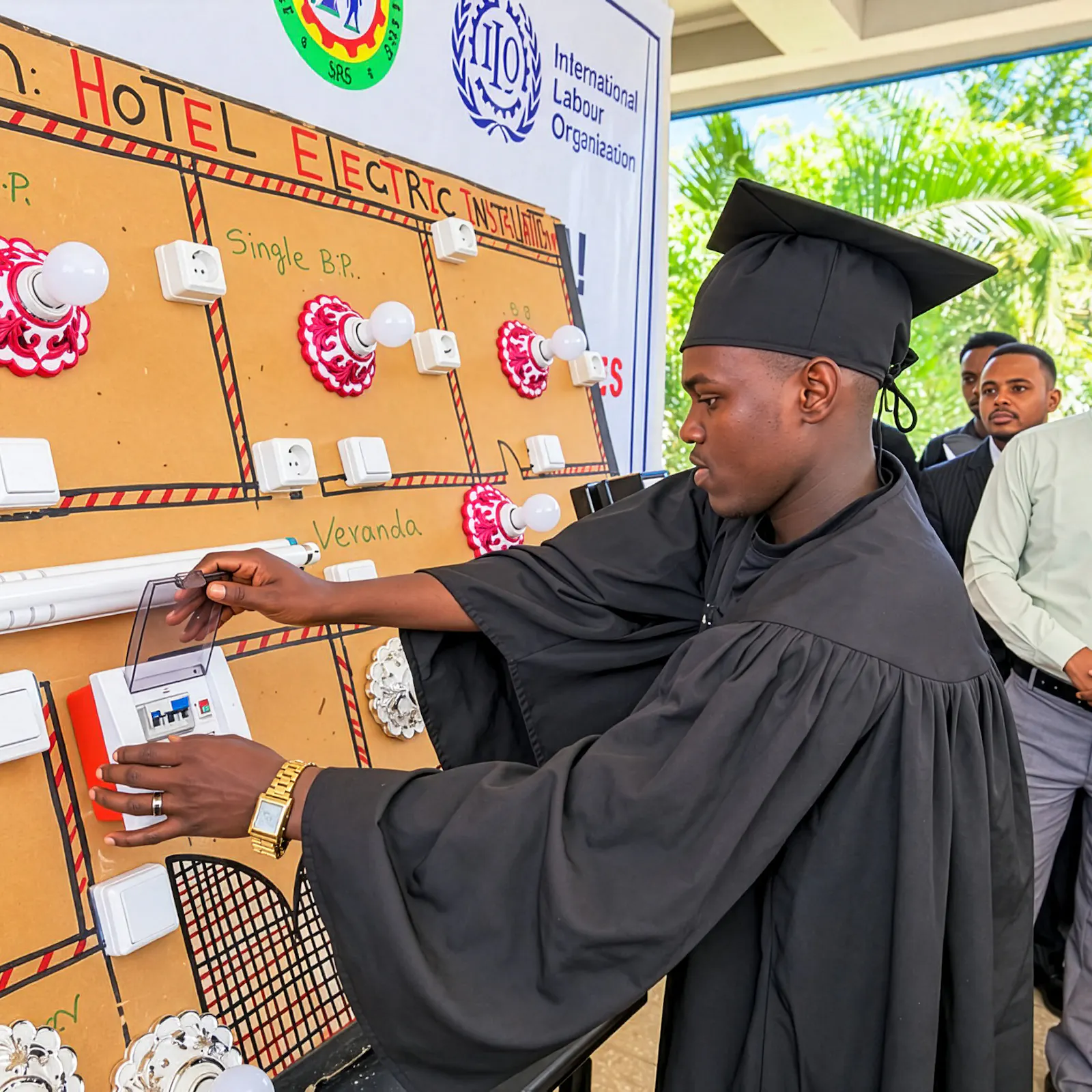
How Africa can bridge the gap between training and jobs
How can Africa turn skills into real opportunities for decent work? Albert Rukeisa of the Association of Tanzania Employers and Priyadarshini Gupta of the Mauritius Trade Union Congress discuss the challenges on the ILO’s Future of Work podcast.

What can space teach us about the circular economy?
In this episode of the ILO’s Future of Work podcast, Canadian astronaut David Saint-Jacques and Casper Edmonds, an ILO expert on the circular economy and the world of work, explore what living and working in space can teach us about using finite resources on Earth. They discuss the opportunities and challenges of the circular economy, the millions of people already working in it, and how the trans

Decent work in the platform economy: how a new global labour standard can help make it a reality
Patrick Belser, Chief of the ILO's Inclusive Labour Markets, Wages and Working Conditions Branch, explains how Convention No. 193 aims to promote decent work in the platform economy and what it means for digital platform workers, digital labour platforms and governments.
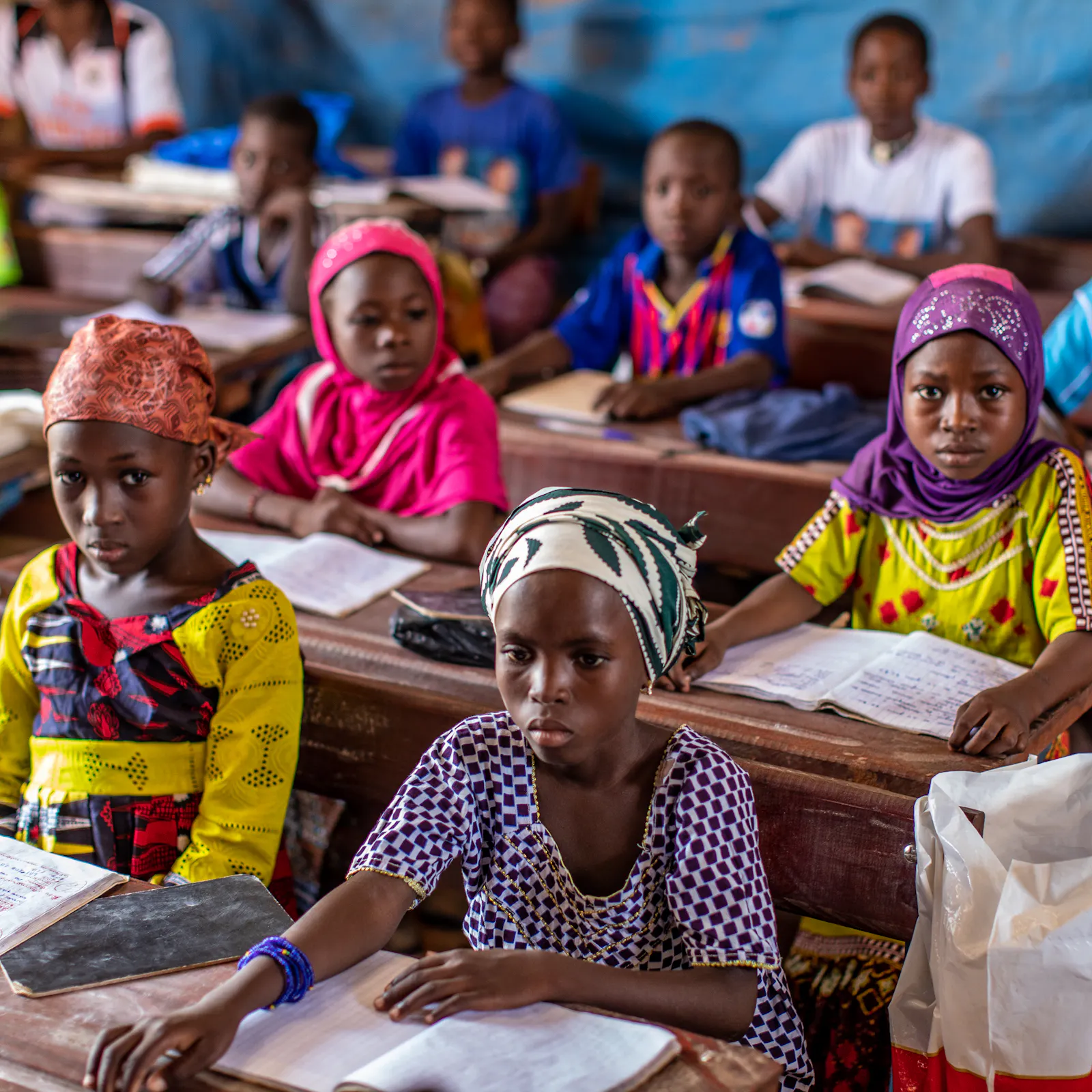
From Marrakech to the post-2030 agenda: A new global target on child labour
As the world falls short of its 2025 target to end child labour, this podcast explores what comes next. Representatives of workers, employers and the ILO discuss how to keep child labour high on the global agenda beyond 2030 and what a new global target should look like.
Podcast guests:
Federico Blanco, ILO Head of the Research and Evaluation Unit in the FUNDAMENTALS department
Cyrene Martinsson
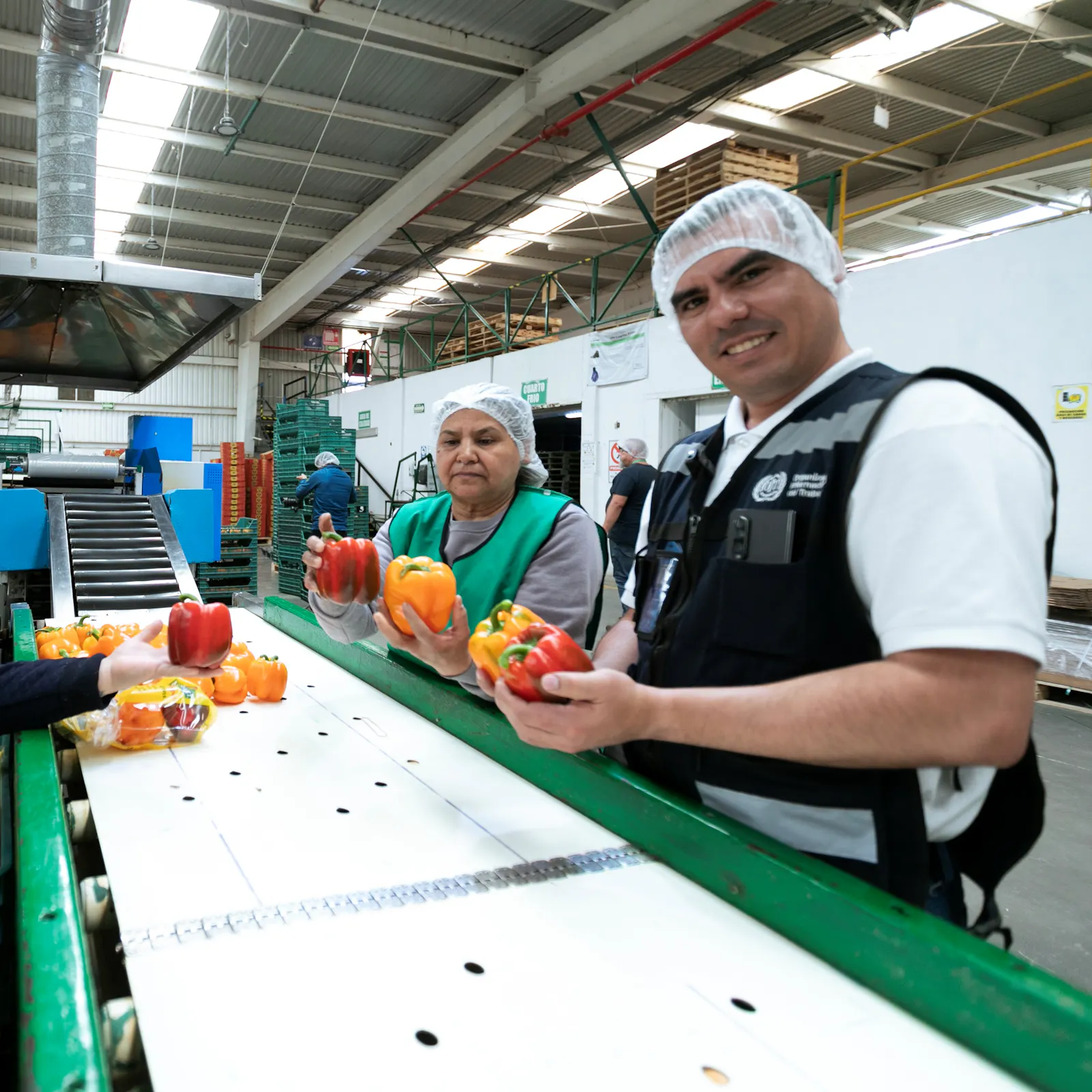
Good jobs, strong businesses: productivity and responsible business conduct
With uneven growth and slowing productivity in many regions, can growth still be inclusive, sustainable and create decent jobs? This discussion looks at how responsible business practices shape firms, treatment of workers and the wider economy.
Podcast guests:
Mark Birrell, President, Australian Chamber of Commerce and Industry (ACCI)
Abdul-Moomin Gbana, General Secretary, Ghana Mine Workers Unio
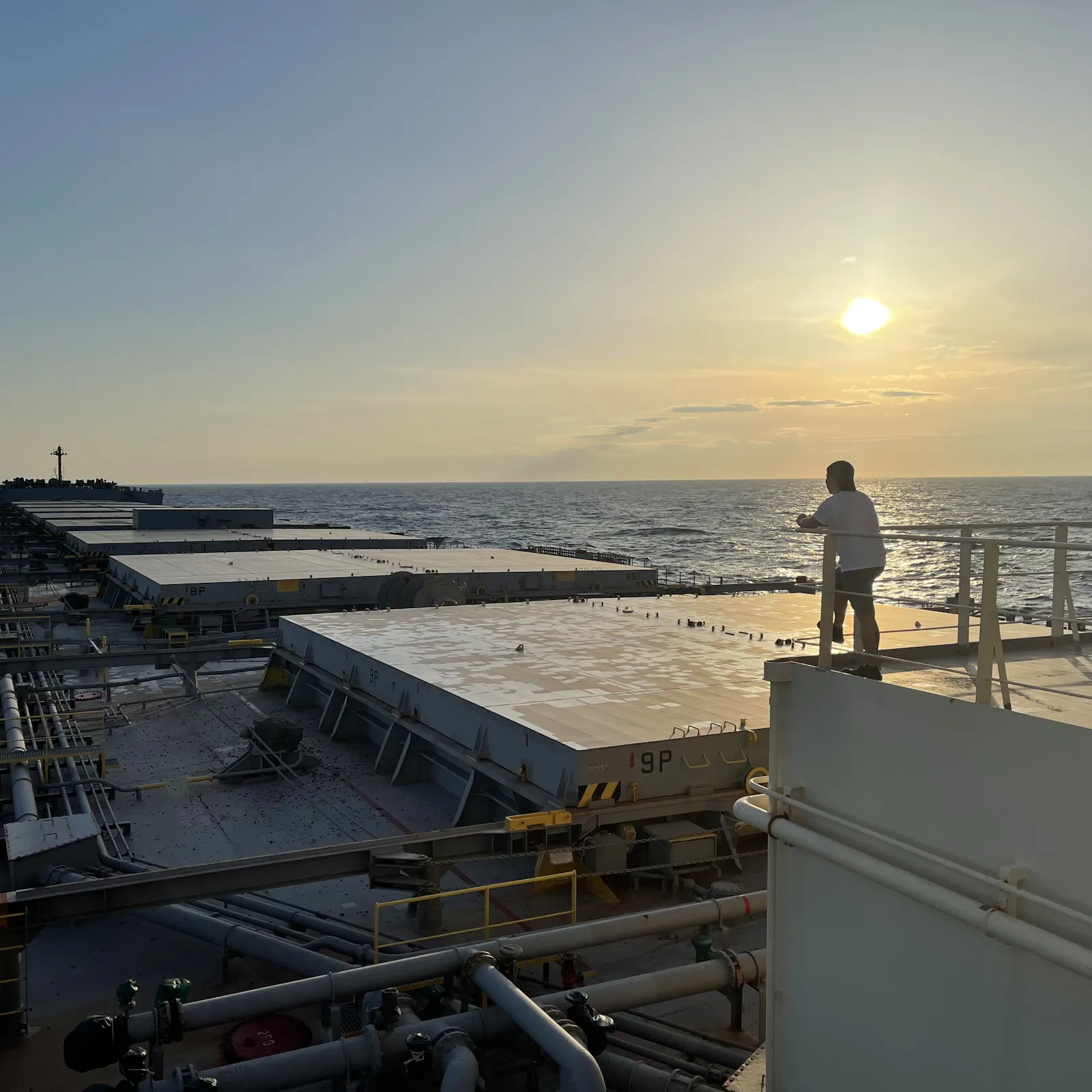
The implementation of the Maritime Labour Convention in times of crisis
The Maritime Labour Convention (MLC), which is celebrating its 20th anniversary this year, is considered a model of strong and effective cooperation between seafarers and the global shipping industry, and its implementation is all the more crucial as the high seas continue to face unprecedented pressures and crises.
Podcast guests:
Max Johns, Former Shipowner, Vice-Chair of the Special Tripartite
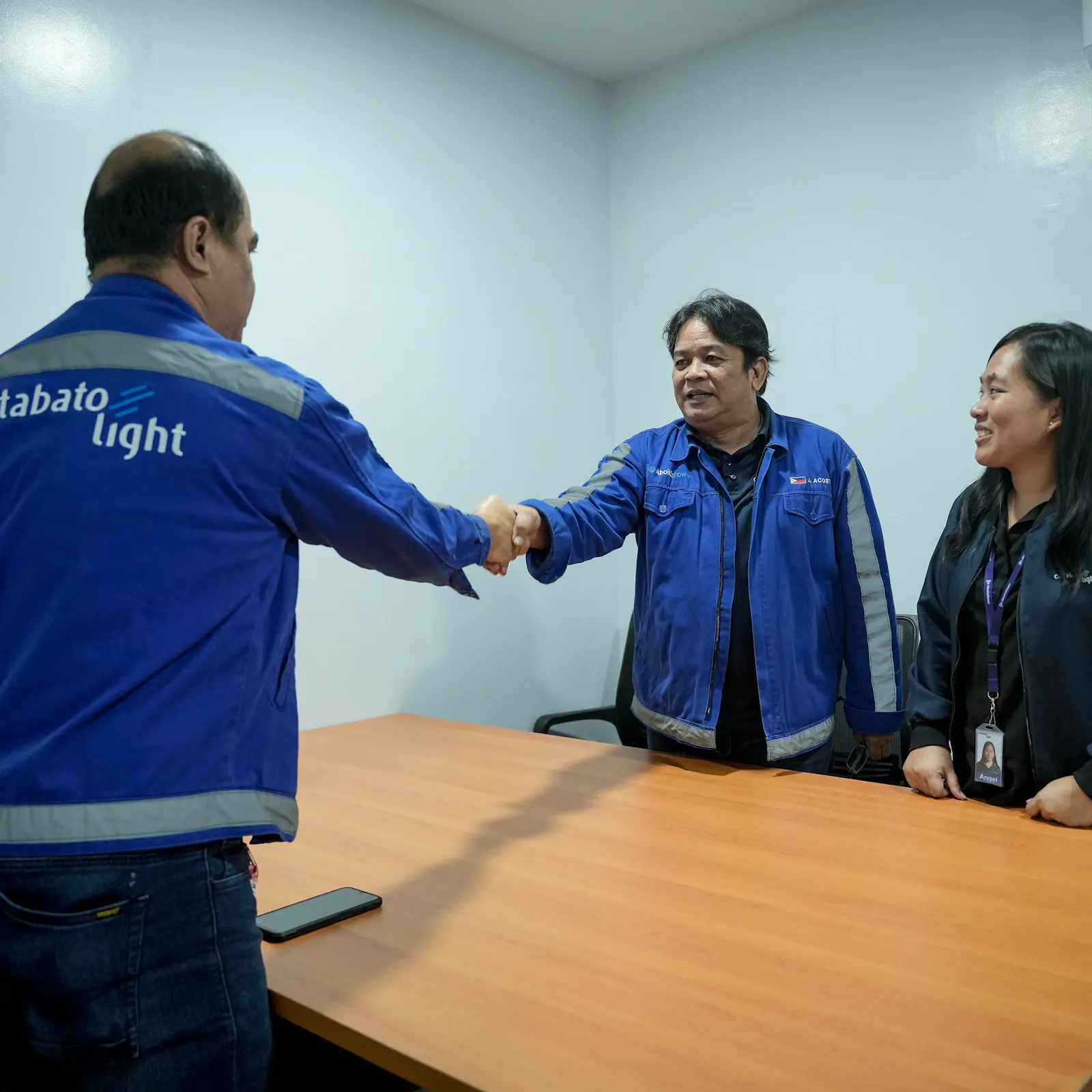
Social dialogue at 50: Lessons for the future
In 1976, Convention No. 144 established a simple but powerful principle: governments, employers and workers should shape labour policy together. To mark the Convention's 50th anniversary, representatives of governments, employers and workers, alongside the European Union, reflect on what social dialogue has achieved and whether it can continue to help shape the future of work.
Podcast guests:
Mic
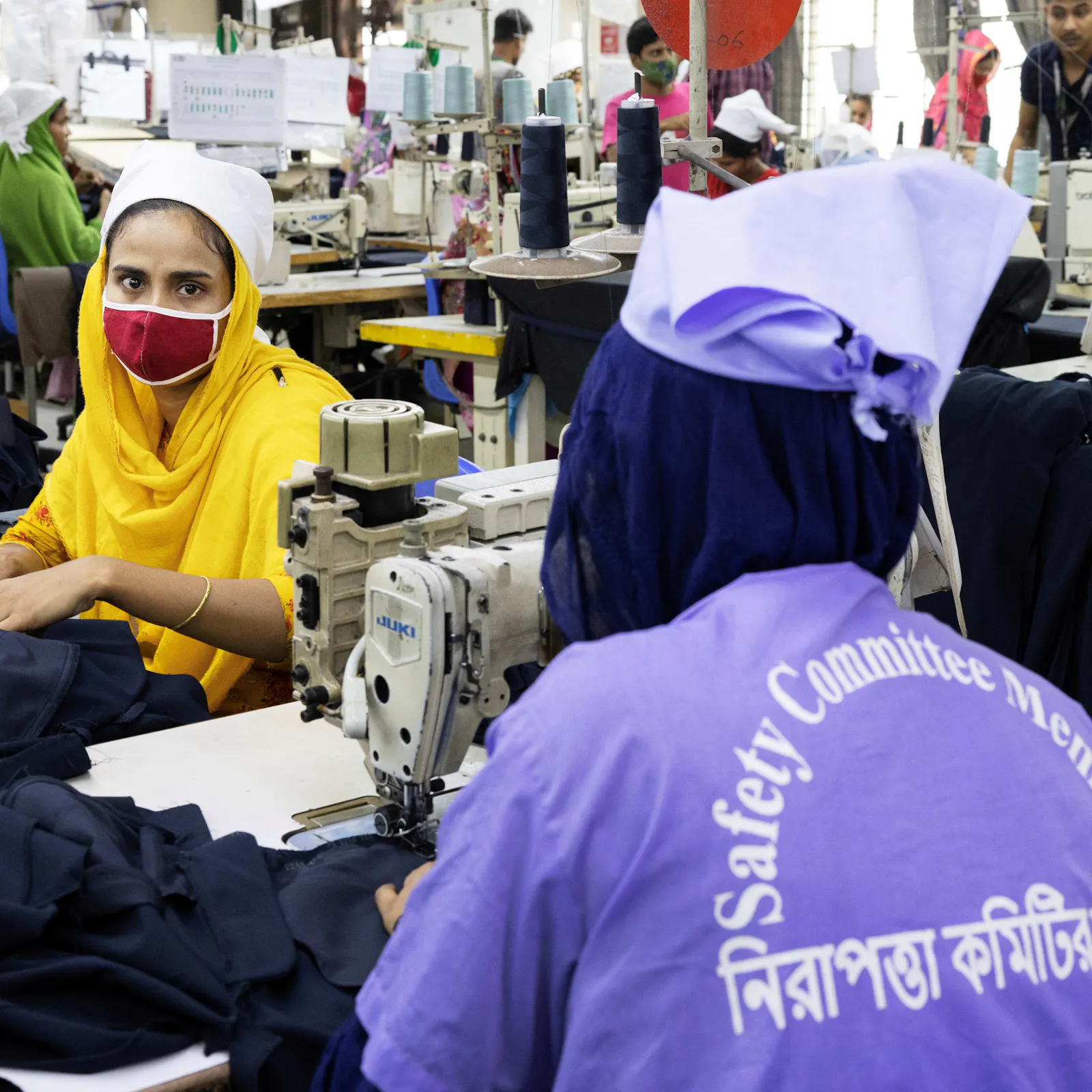
Why a culture of prevention is essential for occupational safety and health
The Occupational Safety and Health Convention, or Convention 187, was adopted two decades ago. It is still highly relevant today, as the world of work faces new and re-emerging psychosocial and health risks linked to climate change, technological changes, pandemics and other challenges.
Podcast guests:
Anousheh Karvar, French Government Representative to the ILO and to the G7-G20 Labour & Employm
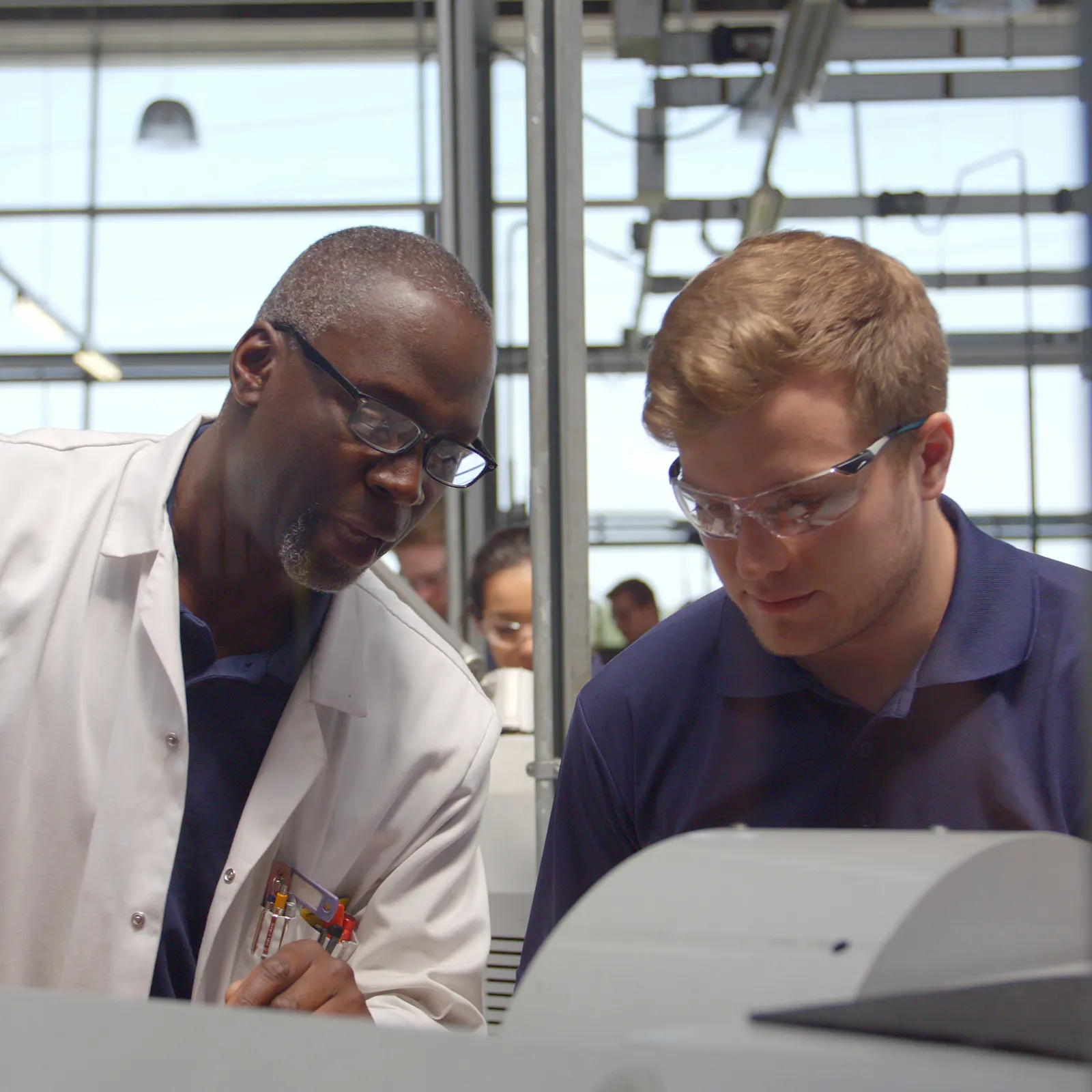
Lifelong learning and the future of work
In a world shaped by AI, the green transition, and demographic change, lifelong learning is key to supporting good jobs and more inclusive societies. But new ILO research shows access to quality learning is still deeply unequal.
Podcast guests:
Pedro Moreno da Fonseca, Lifelong learning specialist at the ILO.
Hannah Liepmann, Economist at the ILO.
Chaudhry Saad Muhammad, General Secretary of the
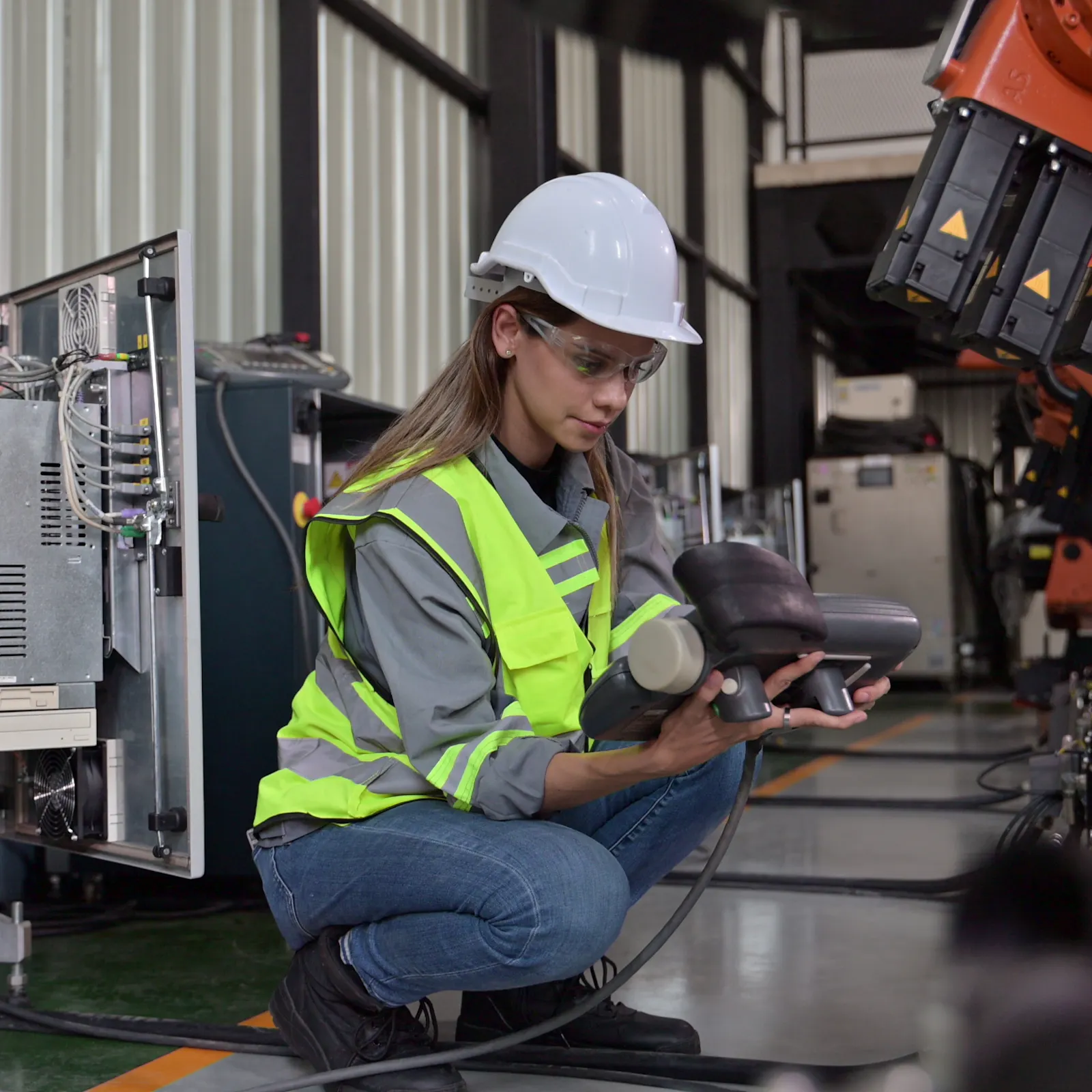
AI and decent work: A moment of choice
Artificial intelligence is already reshaping work – from jobs to skills to everyday working life. But will it strengthen decent work, dignity and shared prosperity – or deepen inequality and exclusion?
Guests:
Kostas Papadakis, Senior adviser, Labour Governance and Sectoral Policies Department, ILO
Janine Berg, Senior economist in the Research Department, ILO
Hannah Liepmann, Economist in the Res
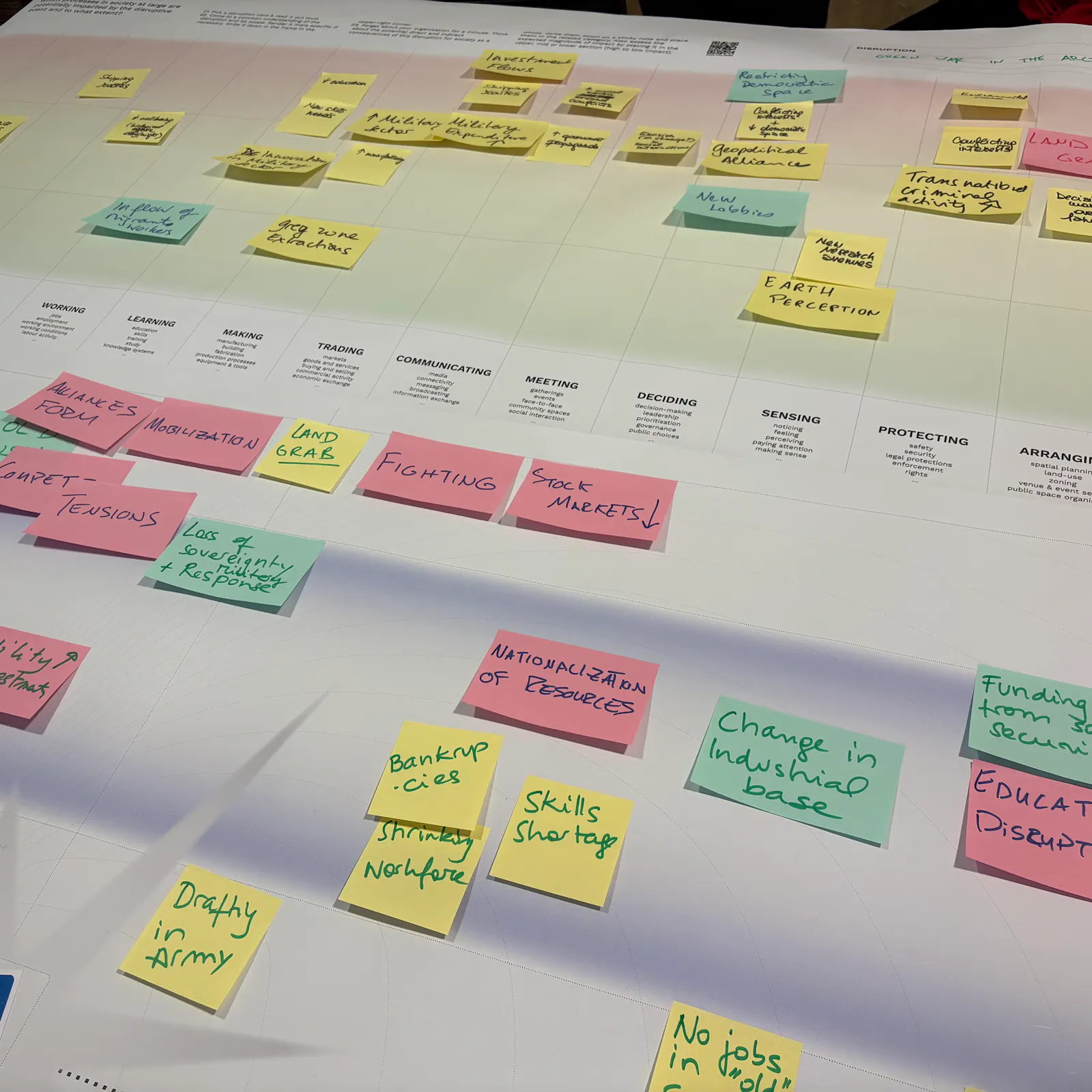
How to plan for disruption in an uncertain future of work
ILO workers' activities specialist Rafael Peels joins the Future of Work podcast to explore strategic foresight - a methodology for navigating disruption. Learn how workers' and employers' organizations can prepare for an uncertain future.
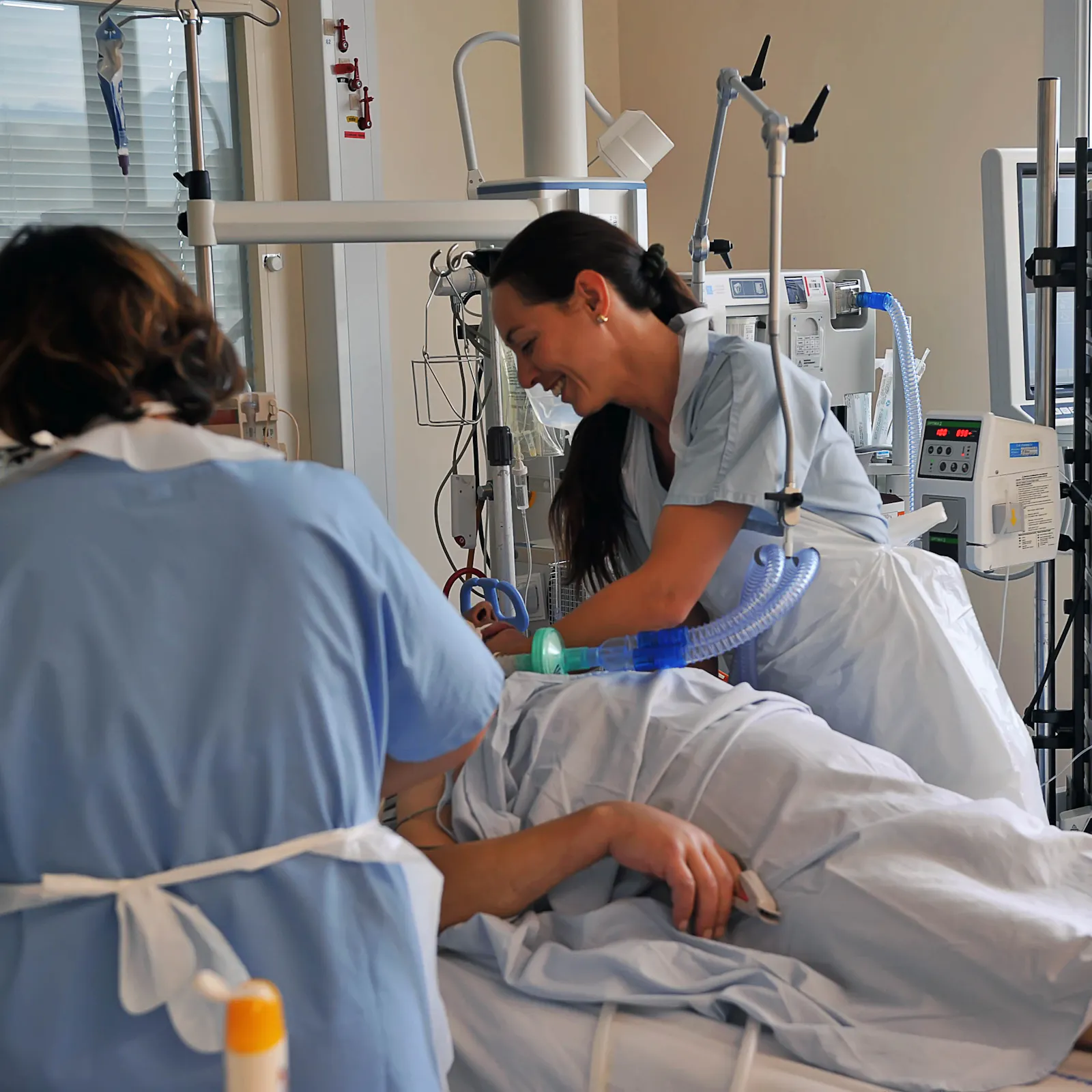
Psychosocial risks at work: The invisible threat to workers’ health
In this episode of the ILO Future of Work podcast, Manal Azzi explains how psychosocial risks such as long working hours, job insecurity and workplace bullying affect workers’ health, and what can be done to create healthier working environments worldwide.
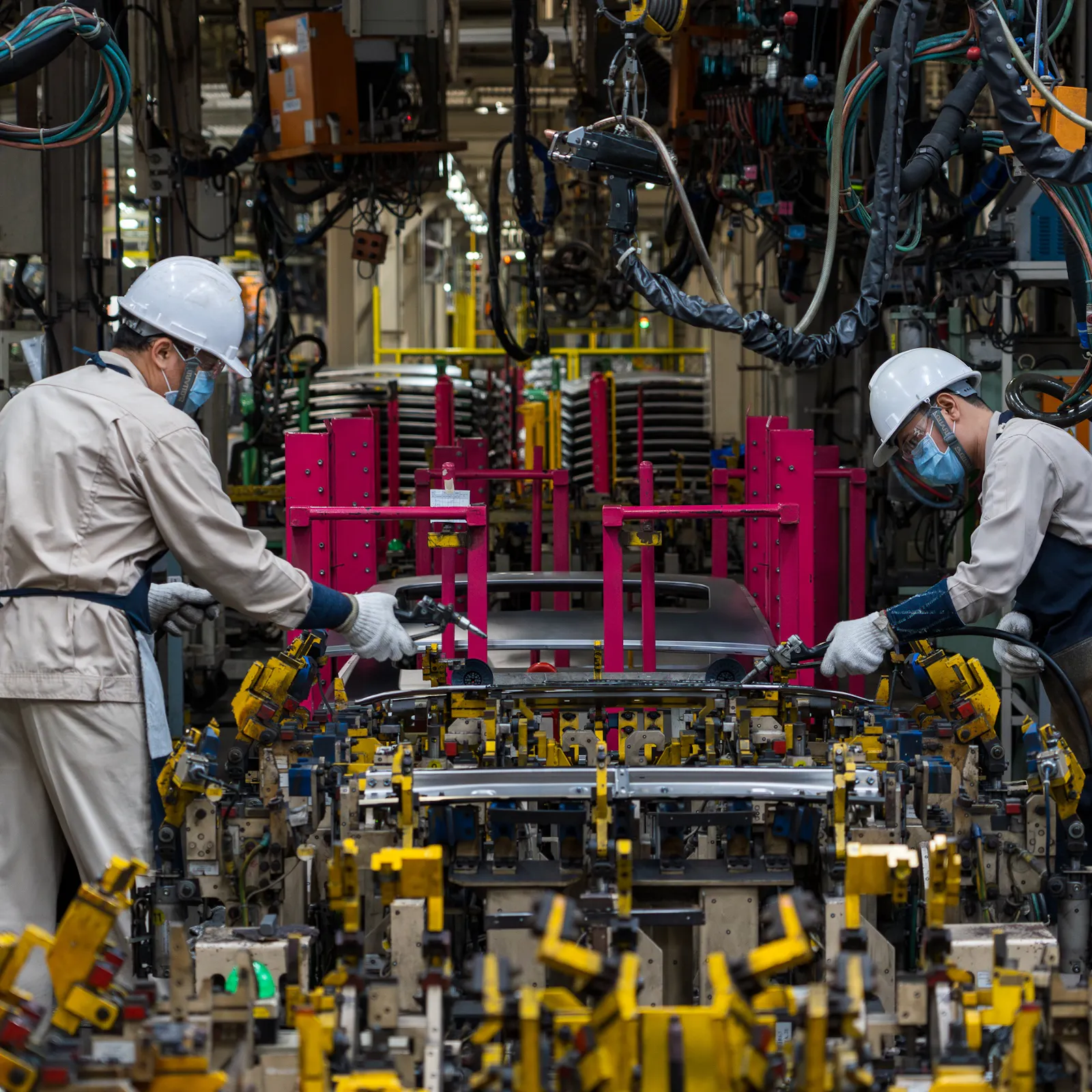
How dialogue is steering Thailand’s auto manufacturing future
As Thailand’s automotive industry shifts to electric vehicles and automation, how can companies stay competitive while protecting workers? Georg Leutert of IndustriALL Global Union and Sathirayuth (Max) Sangsuwan of AutoAlliance Thailand discuss how dialogue, trust and responsible business conduct are helping shape the sector’s future.

How is generative AI reshaping gender inequalities at work?
In this episode of the Future of Work podcast, Anam Butt, technical specialist on gender equality and non-discrimination at the International Labour Organization, discusses a new ILO report on the impact of generative artificial intelligence on the world of work. She explains why women are more exposed than men to the risks associated with this technology, and what this means for equality in the l
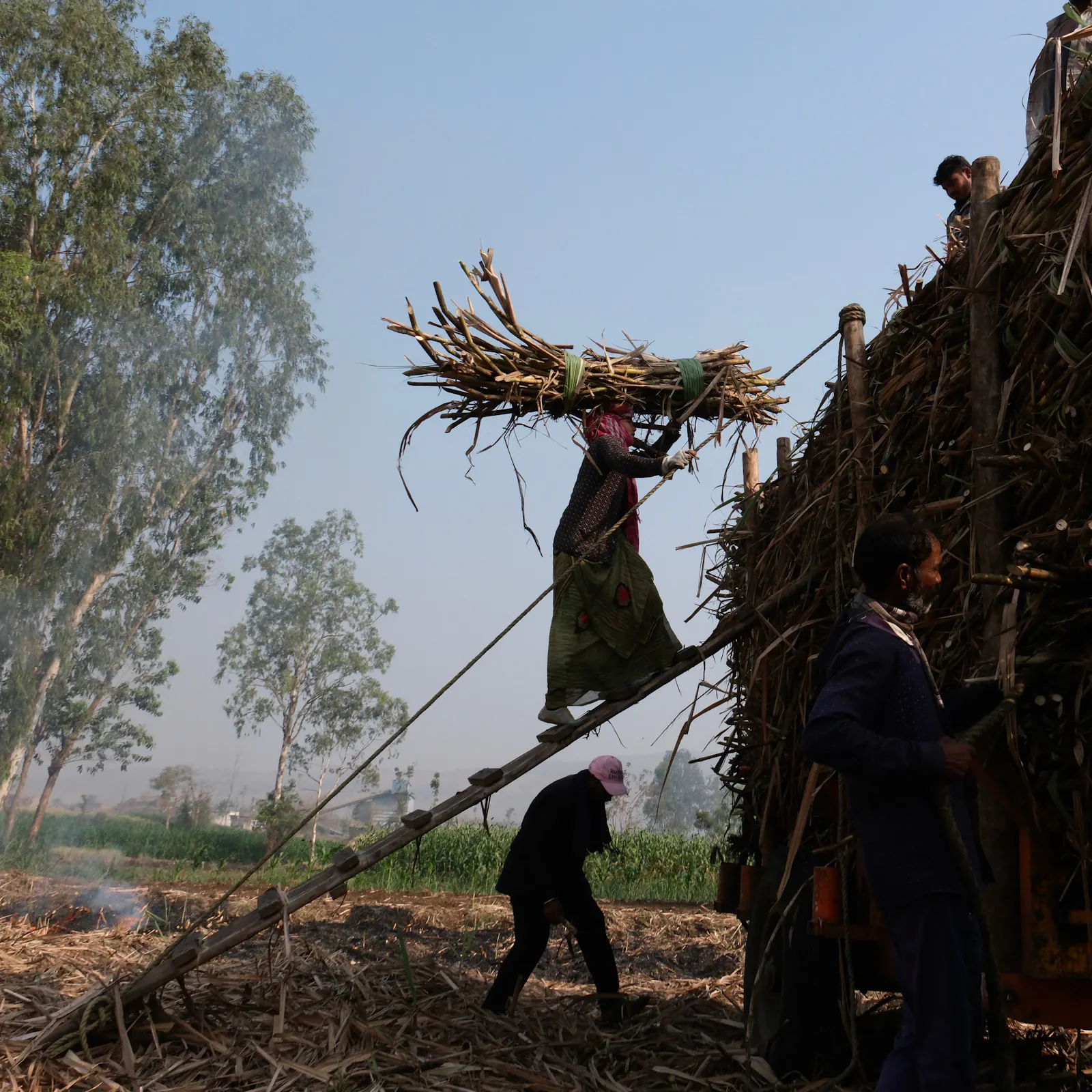
Global employment in 2026: A fragile stability
In this episode of the Future of Work podcast, we unpack the ILO’s new Employment and Social Trends 2026 report with its lead author, Stefan Kühn, and ILO trade expert Marva Corley. Together, they explore why labour markets look stable yet remain fragile – and what this means for job quality, inequality, and the future of work.
Social Summit for Development: What it means for the world of work
This episode of the ILO Future of Work’s special series on the Second World Summit for Social Development examines the implications of the Summit’s renewed commitment to eradicating poverty, promoting decent work, and social inclusion, on the world work, with guests Juan Somavia, Sabina Alkire and Manuela Tomei.
Can the Doha Summit revive global social justice?
In this episode of the Future of Work podcast, the ILO's Claire Courteille-Mulder explains why the Second World Summit for Social Development in Doha matters, and what’s at stake for social development, multilateralism, and the ILO’s mission to advance social justice.

Social development: progress made and promises to be fulfilled
Ahead of the World Summit for Social Development, the ILO is launching a special podcast series. In this first episode, Sabina Alkire of Oxford University and ILO’s Manuela Tomei discuss progress and gaps since the 1995 commitment to advance social development for all.
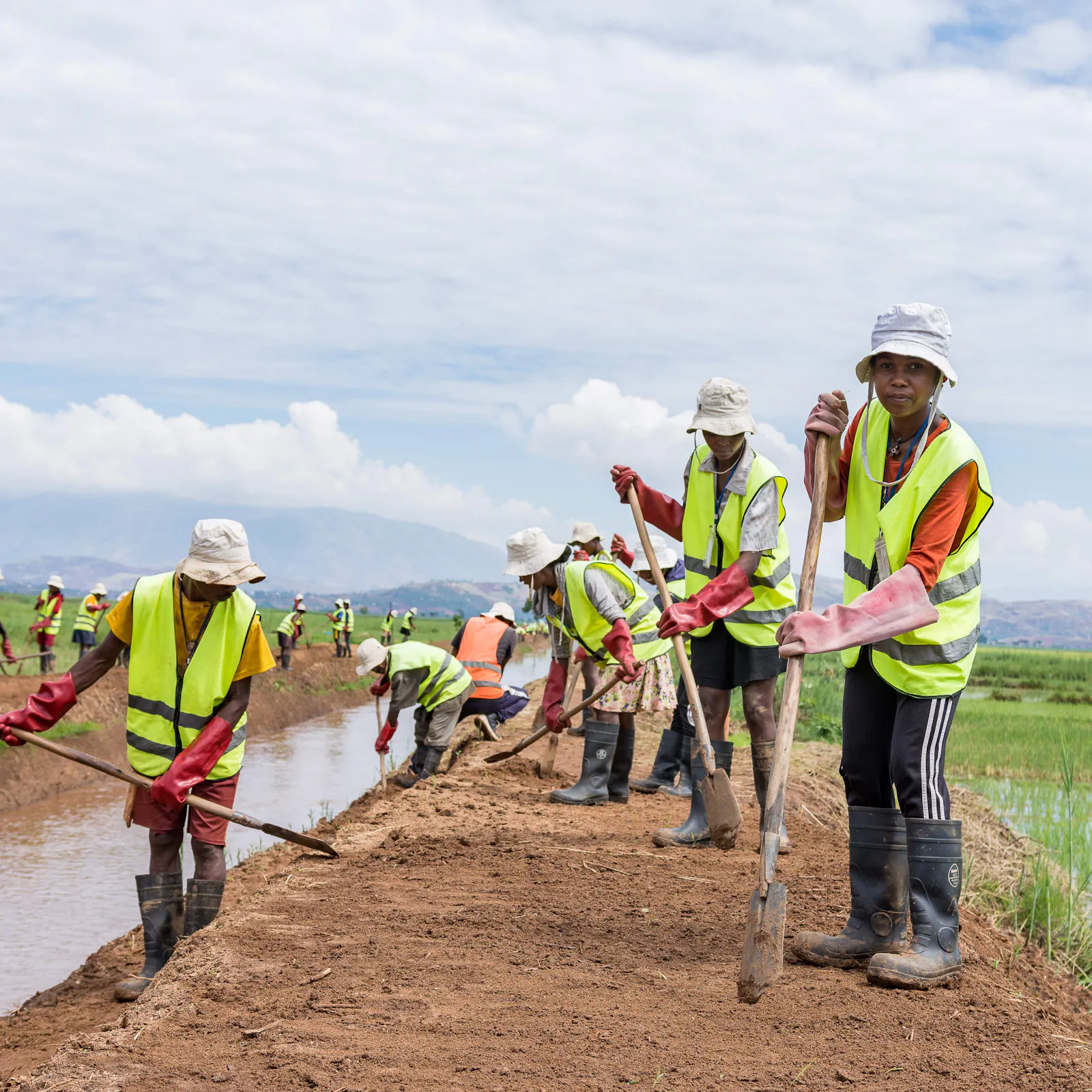
How advancing social justice can shape the future of work
In this episode of the Future of Work podcast, ILO Research and Publications Director Caroline Fredrickson explains what the ILO’s new report on social justice reveals about global progress, the challenges that remain, and how leaders can build fairer and more resilient societies.
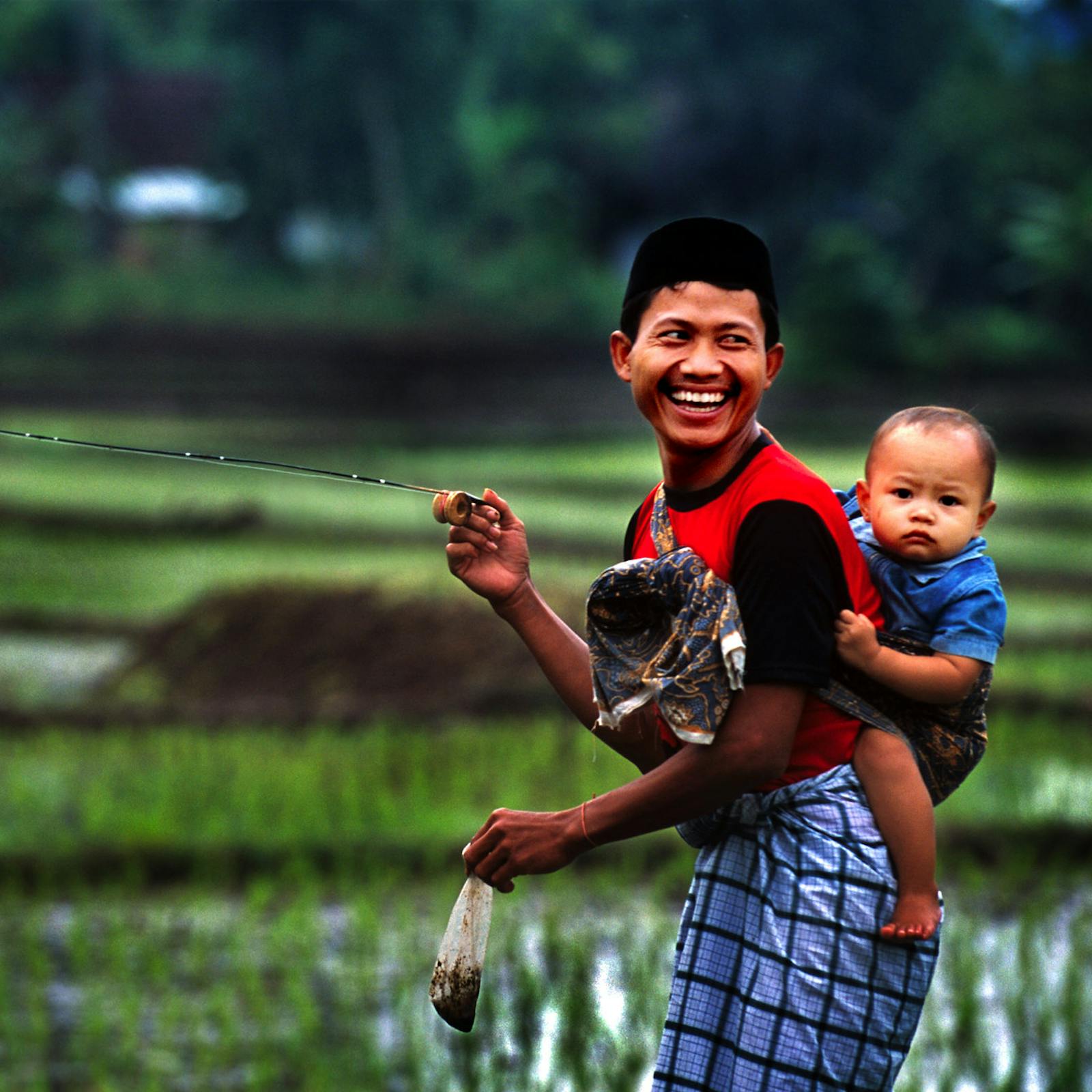
Why paternity leave matters: lessons from Oman and beyond
In this episode of the Future of Work podcast, the ILO’s Laura Addati and Omani representative Khadija Al Mawali explain the impact of the parental leave gap between mothers and fathers, and show how Oman is bridging that gap.
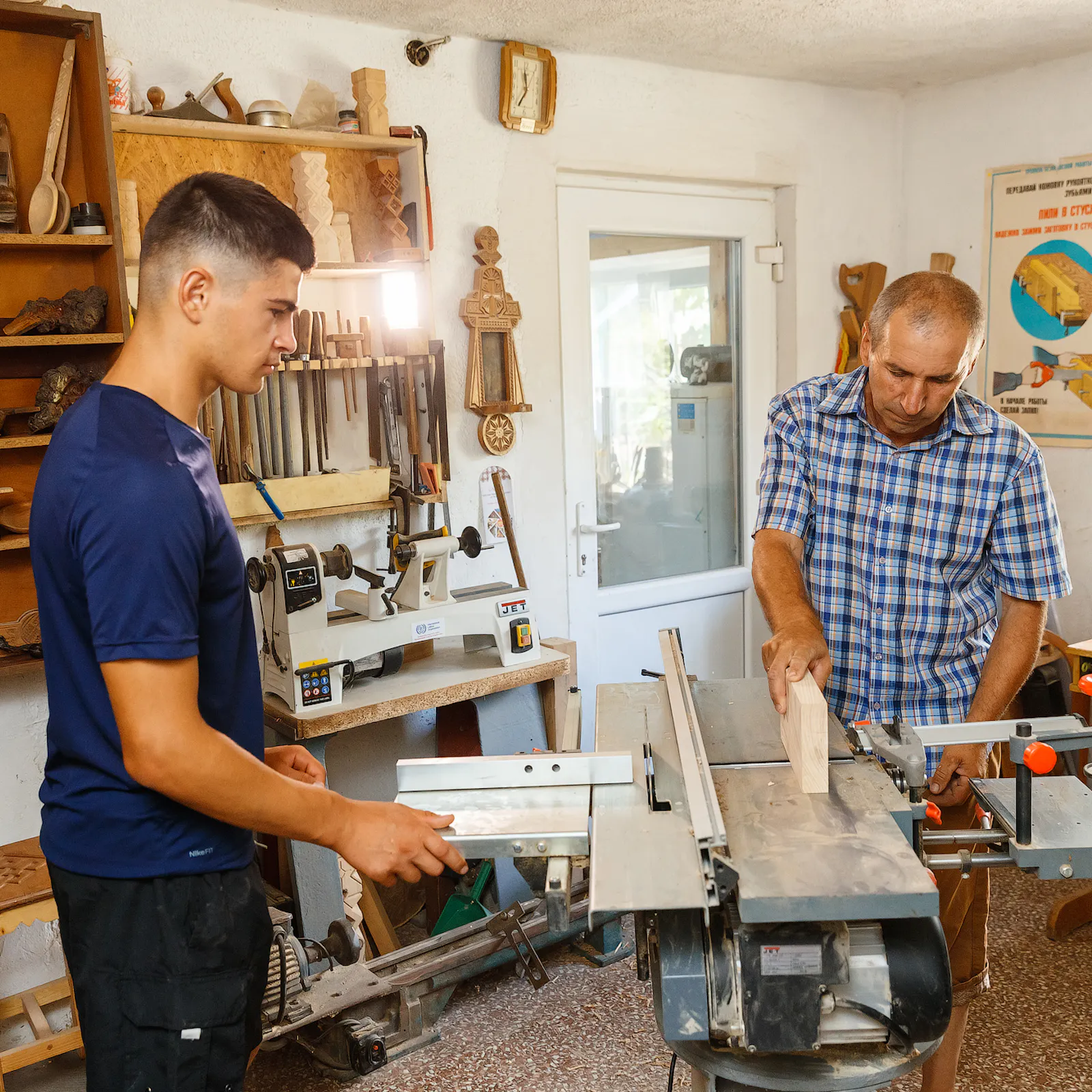
How Europe can adapt to an ageing population
In this episode of the Future of Work podcast, ILO economists Sabrina de Gobbi and Stefan Kühn explore what a shrinking European labour force means for the future of work, and the policies that can help labour markets adapt.
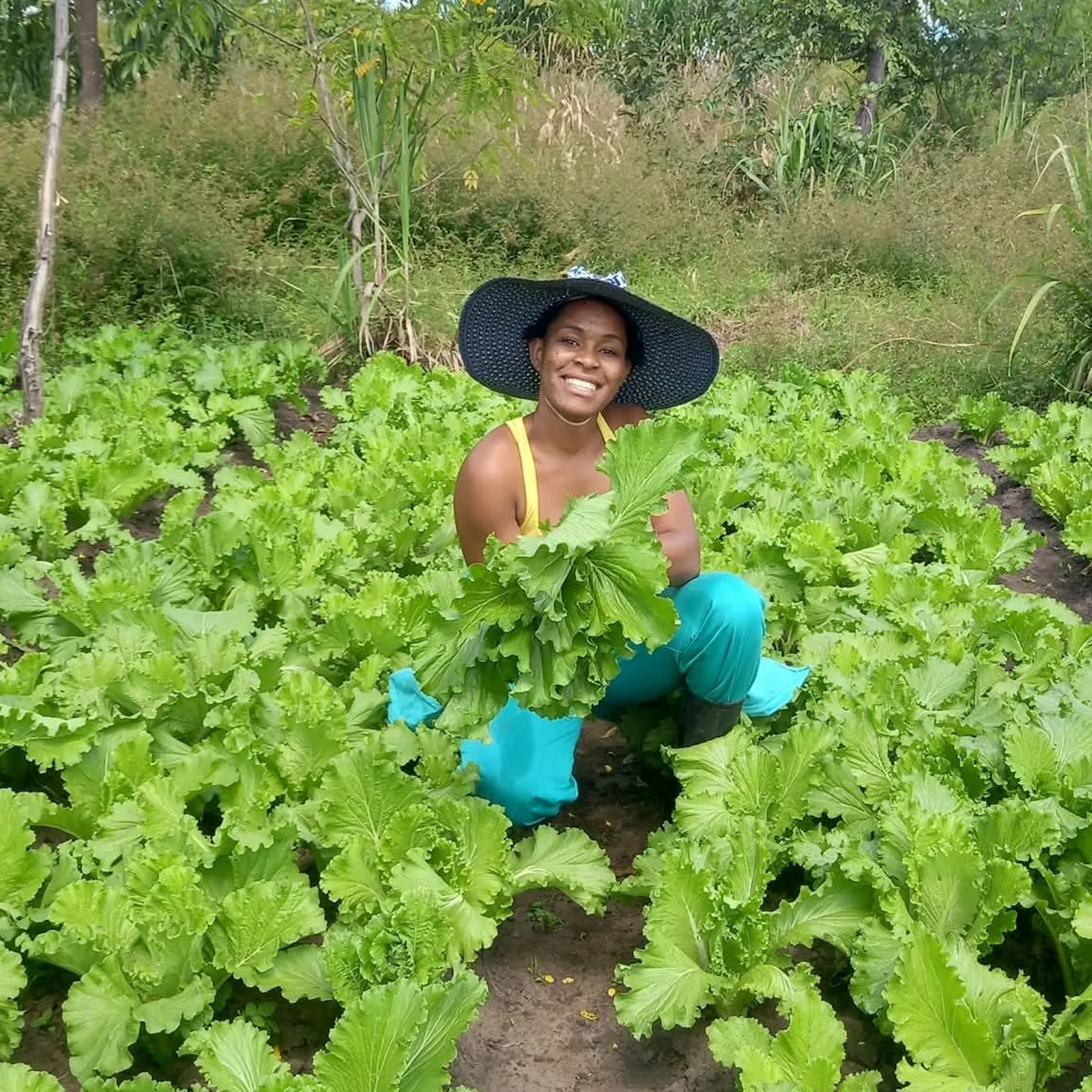
How rural youth are redefining agriculture in Africa
What does it take to empower rural youth in Africa’s agriculture sector? In this episode of the ILO’s Future of Work podcast, we hear from Clara Kamlomo, a young agri-entrepreneur from Malawi, and youth employment expert Chiara Curcio.
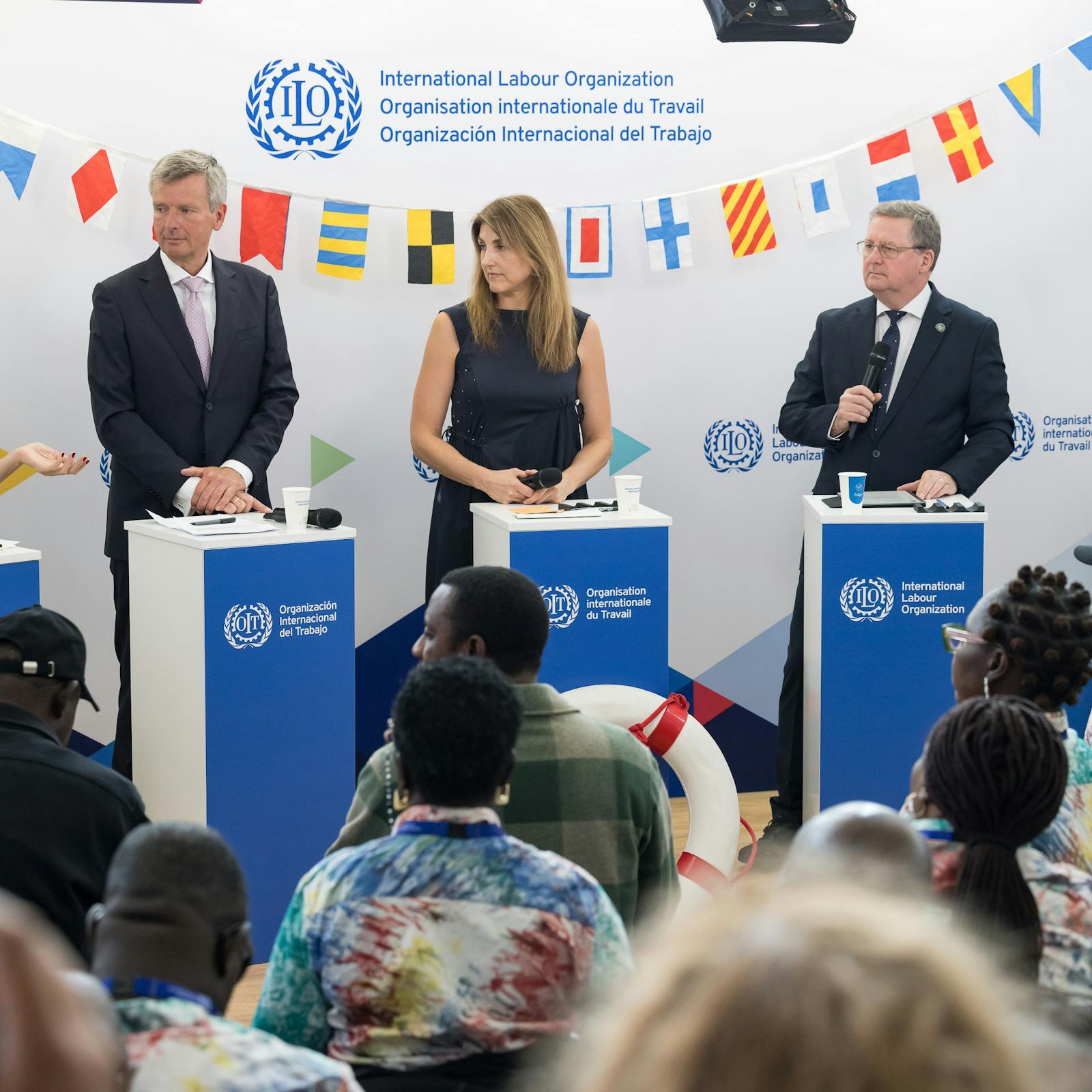
The Maritime Labour Convention - what we can learn
The Maritime Labour Convention – or MLC, 2006 - is a living example of the central role that effective social dialogue plays in shaping labour standards in the maritime sector. This episode of the Future of Work podcast explores why the MLC is a success and what we can learn from it.
Guests include Mark Dickinson, the Seafarers’ spokesperson, ILO Special Tripartite Committee of the Maritime Labour
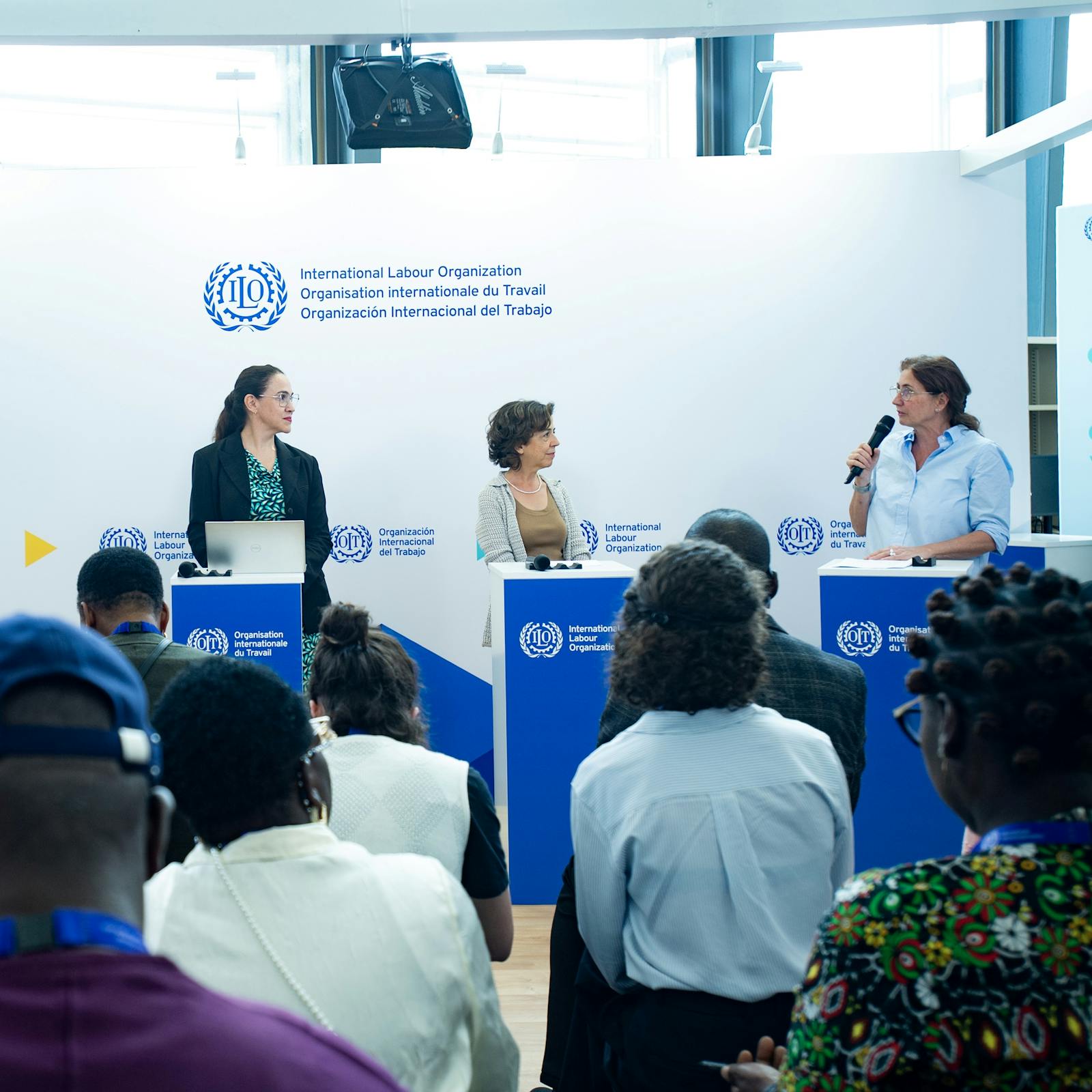
The Second World Summit for Social Development - what is at stake?
This Future of Work podcast, recorded live from the 113th International Labour Conference, examines the key issues on the agenda of the upcoming Second World Summit for Social Development in November 2025, in light of the current global context and the challenges facing multilateralism.
Guests include Claire Courteille-Mulder and Shahra Razavi from the ILO, and Adriana Rodrigues Martins from the
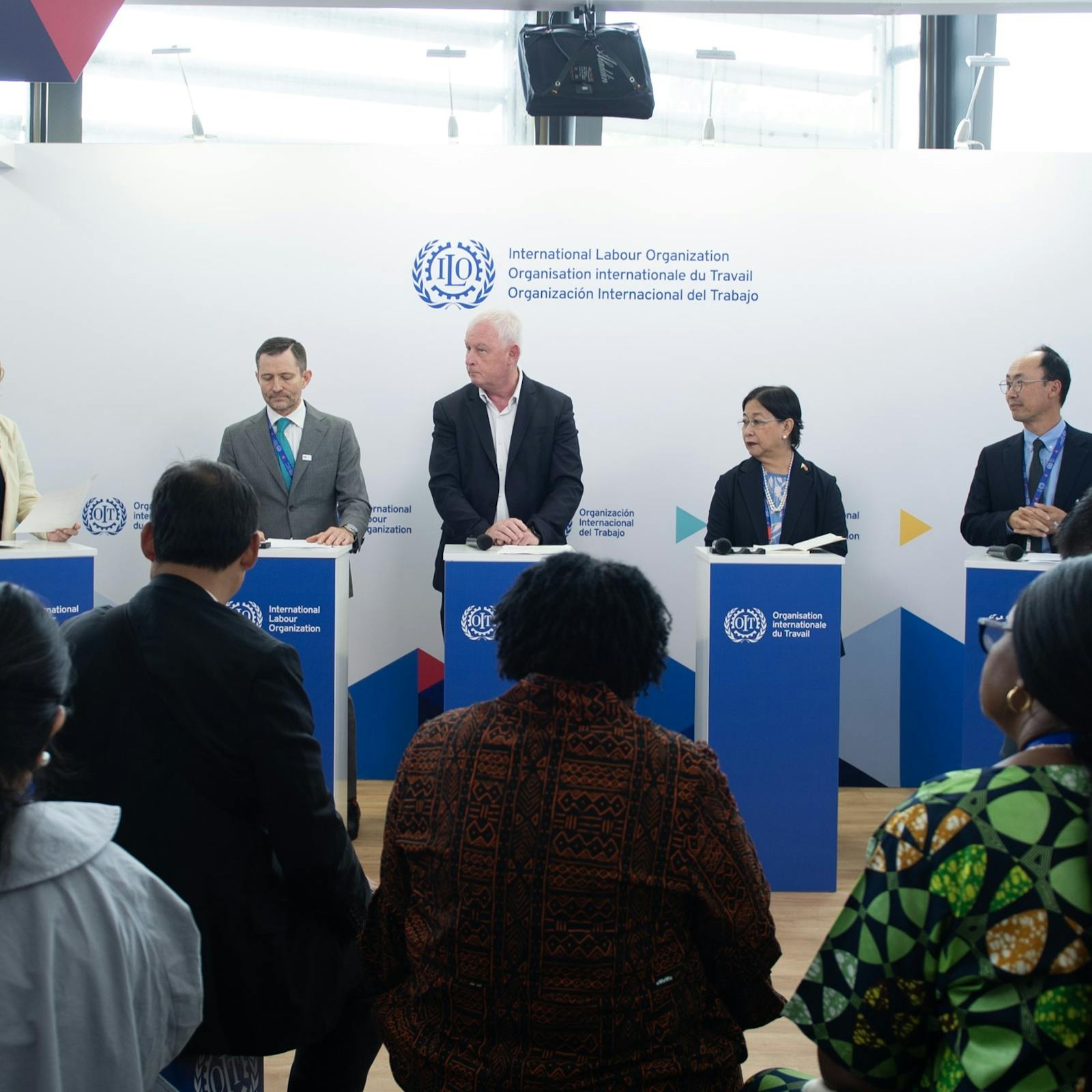
Sustainable Development Goal 8 and the 2030 deadline - what needs to be done?
This Future of Work podcast, recorded at the 113th International Labour Conference, looks at how to speed up progress on Sustainable Development Goal 8. Representatives of government, employers and workers discuss what’s needed to get decent work and inclusive growth back on track.
The guests are Sangheon Lee, Director of the ILO's Employment Policy Department; Roberto Suárez Santos, Secretary-Ge
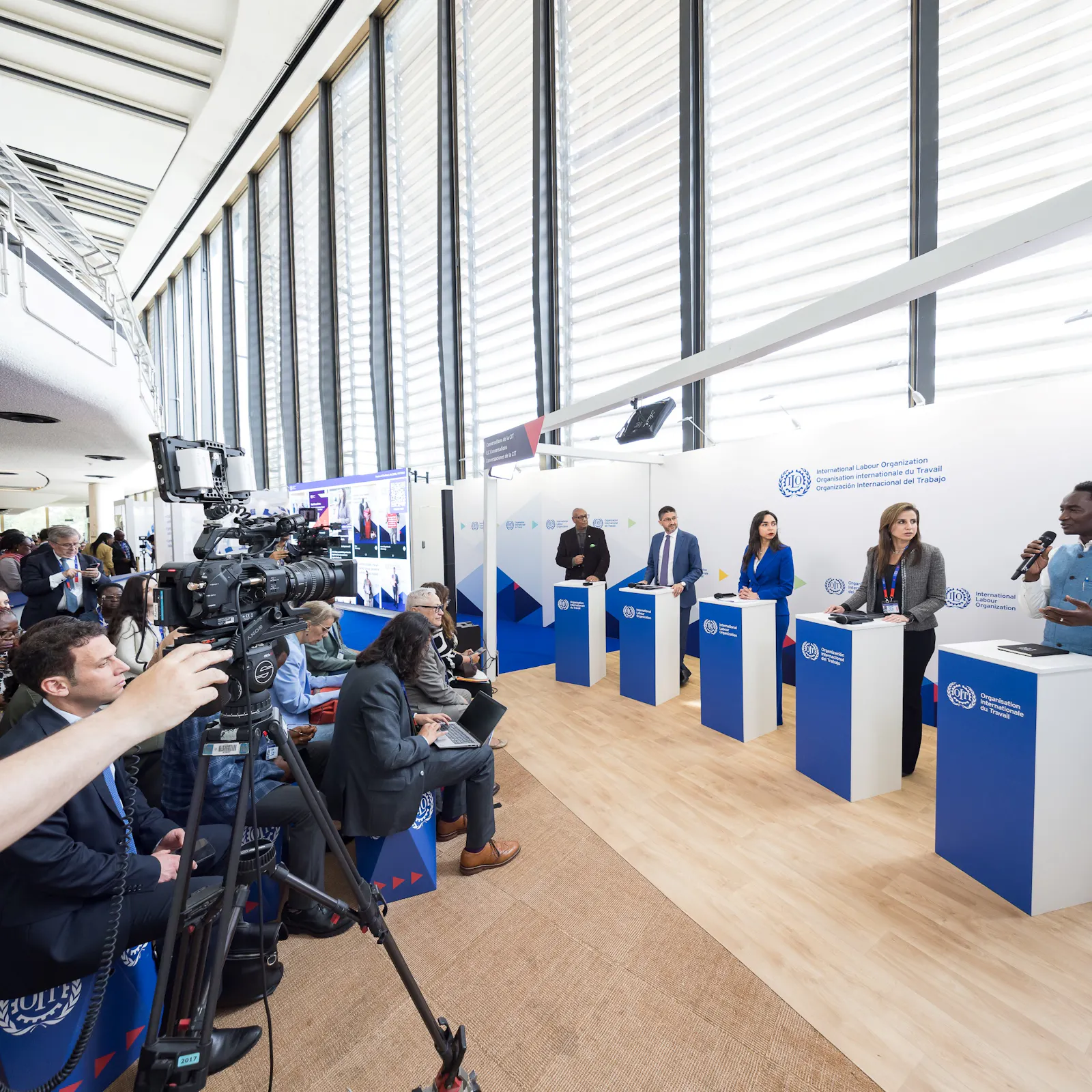
Just transitions and the world of work - how can governments lead the way?
As the world moves towards greener economies, the global shift to renewable energy and climate-resilient development raises urgent questions about fairness, inclusion and jobs. This Future of Work podcast explores how governments can lead just transitions—ensuring that the move to low-carbon economies creates decent work, protects vulnerable workers and communities, and leaves no one behind.
Po
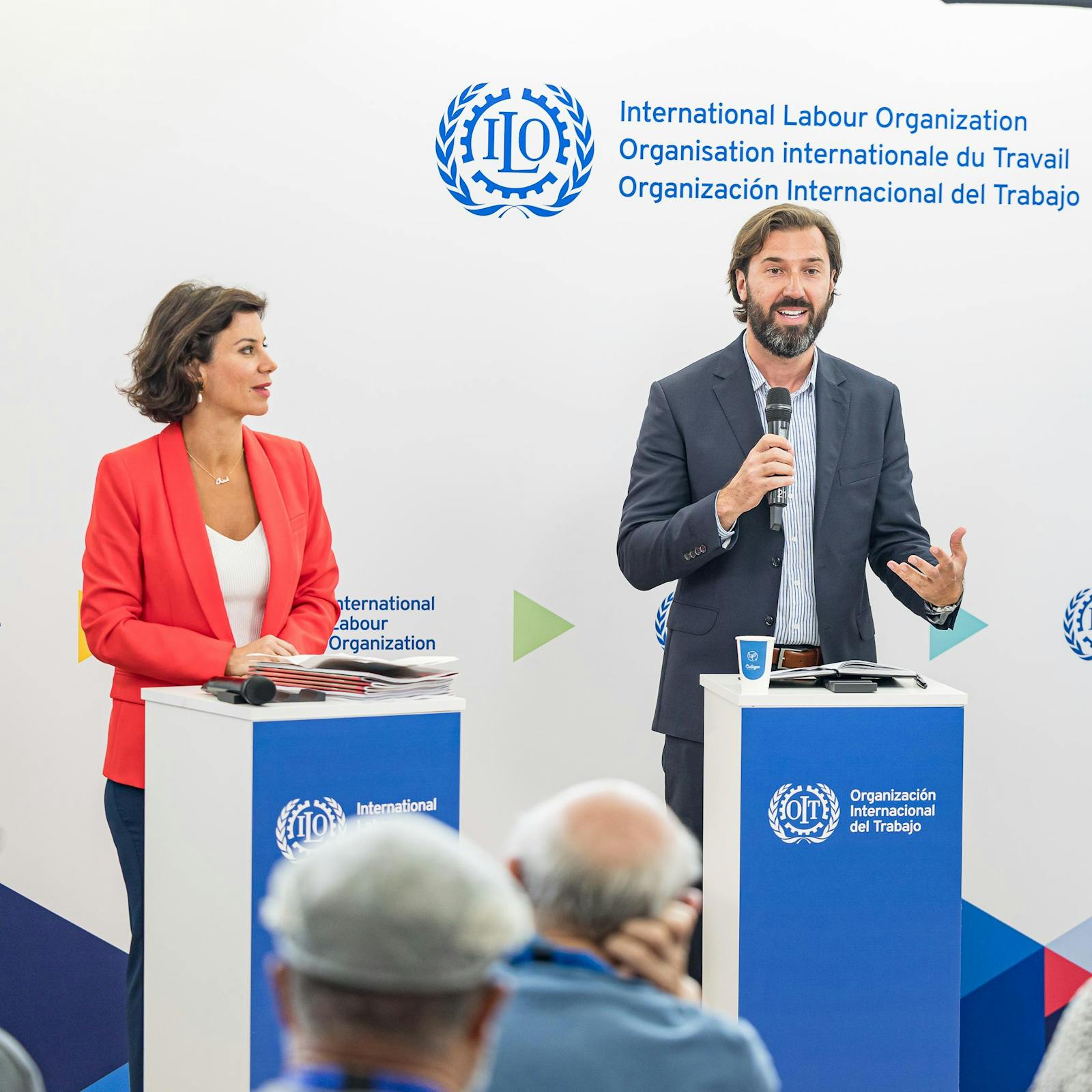
Artificial intelligence, innovation and the world of work
This episode of the Future of Work podcast, recorded live at the 113th International Labour Conference, explores how digitalization and artificial intelligence are reshaping the world of work. Building on some of the latest ILO research and analysis, the podcast looks at policy recommendations and the ILO’s role in promoting inclusive digital transformation, ensuring that no one is left behind. Gu
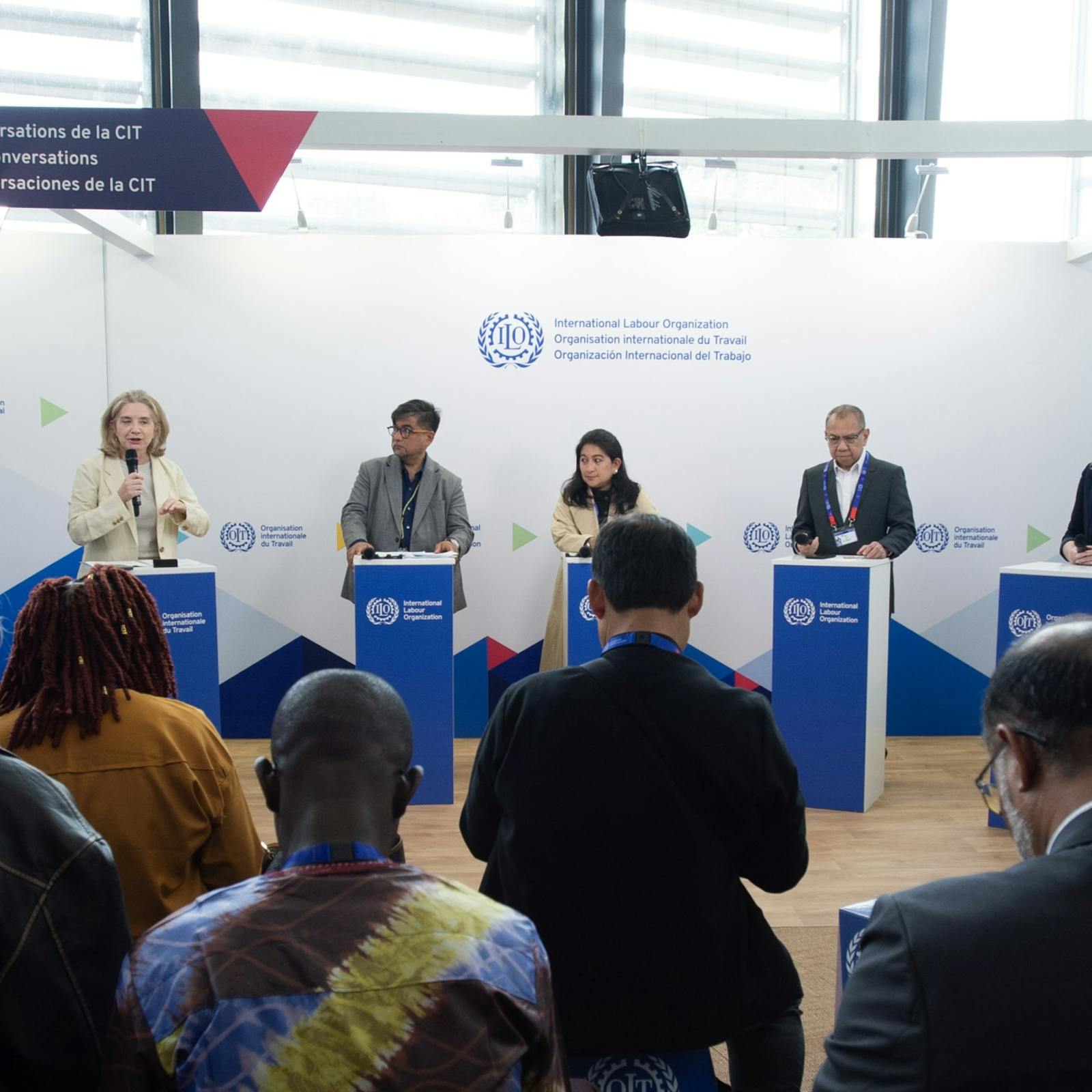
Turning sustainability into opportunities for employers and workers
In this episode of the ILO’s Future of Work podcast, recorded live from the 113th International Labour Conference in Geneva, we explore how workers’ and employers’ organizations are working hand-in-hand with over 16 partner organizations worldwide — including in the Philippines — to promote green jobs, strengthen social dialogue, and build more resilient, inclusive economies. Guests include Ariel
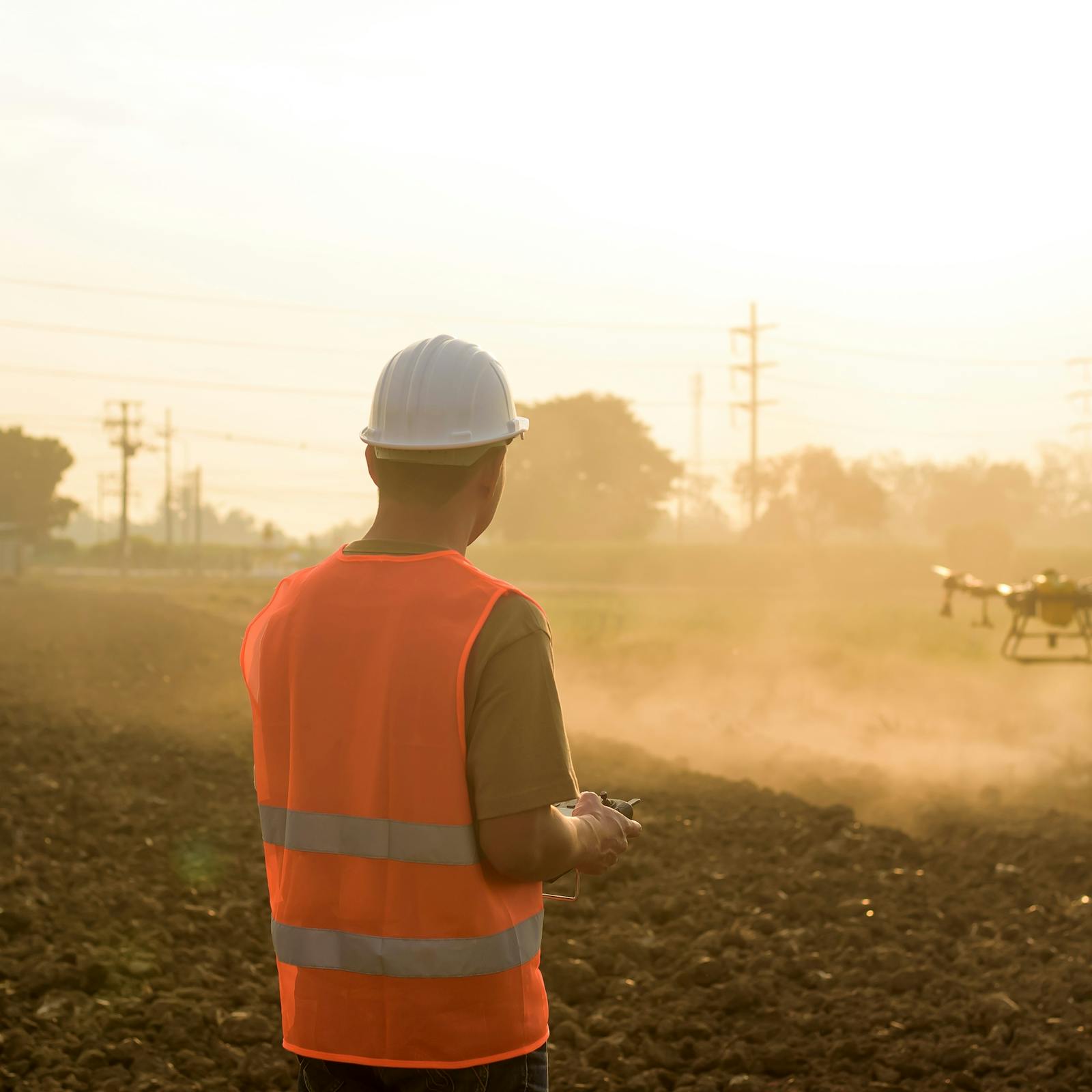
How AI, robots and other cutting-edge technologies can keep workers safe and sound
Can artificial intelligence, robots and surveillance protect workers on the job? Yes, according to the latest report from the International Labour Organization. In this episode of the Future of Work podcast, ILO occupational safety and health expert Manal Azzi explains how AI and technology is being used as a safety net, and not a threat, for workers worldwide.

The impact of generative AI on jobs in Latin America
Generative AI is transforming jobs in Latin America, but who benefits, and who gets left behind? Pawel Gmyrek from the ILO and Hernan Winkler from the World Bank join the Future of Work podcast to discuss their research, exploring how AI is reshaping work and its implications for inequality.
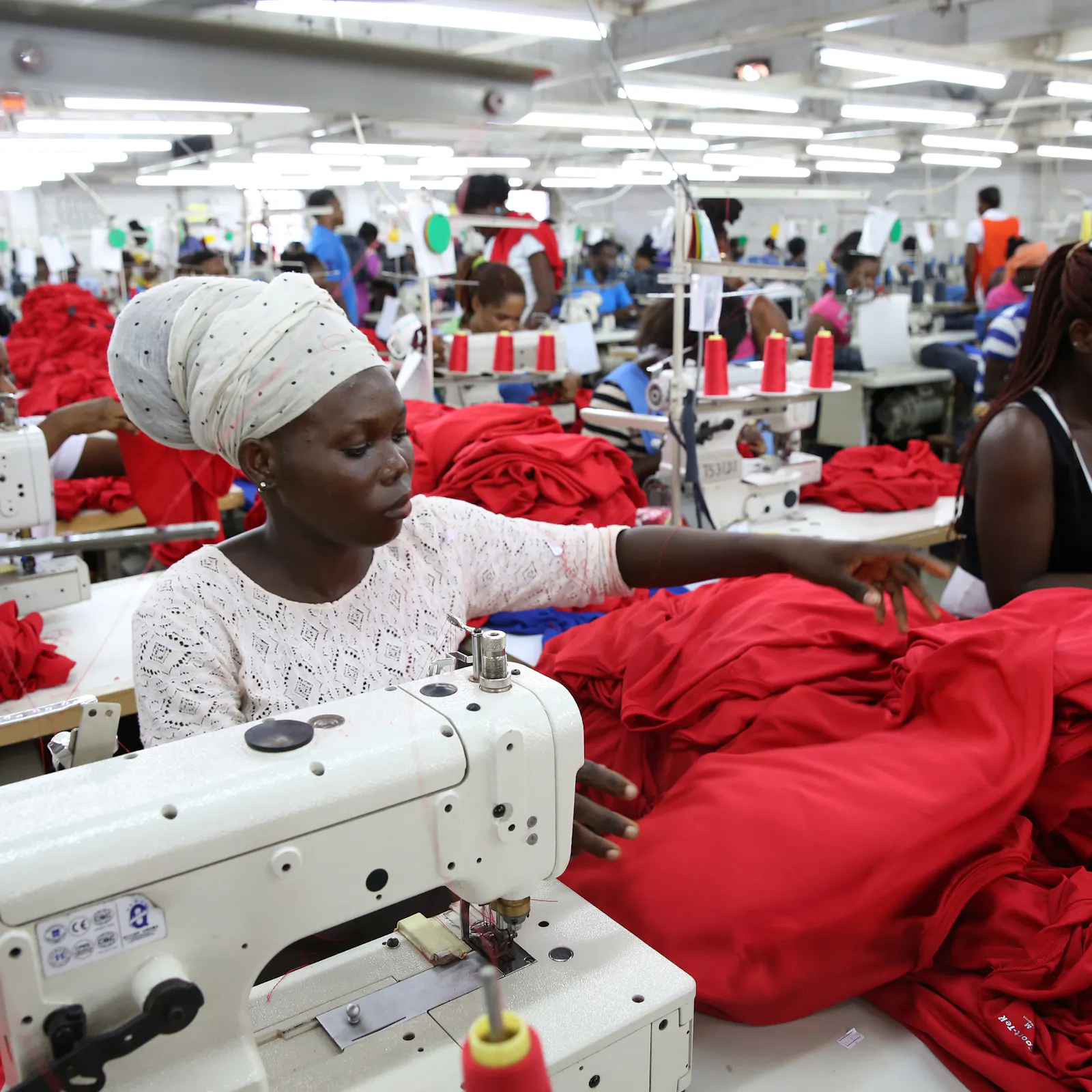
Global employment trends: Challenges and opportunities for 2025
Ekkehard Ernst, author of the ILO report: "World Employment and Social Outlook: Trends 2025", joins the Future of Work podcast to discuss how geopolitical tensions, climate change, artificial intelligence, and inequalities are affecting global labour markets.
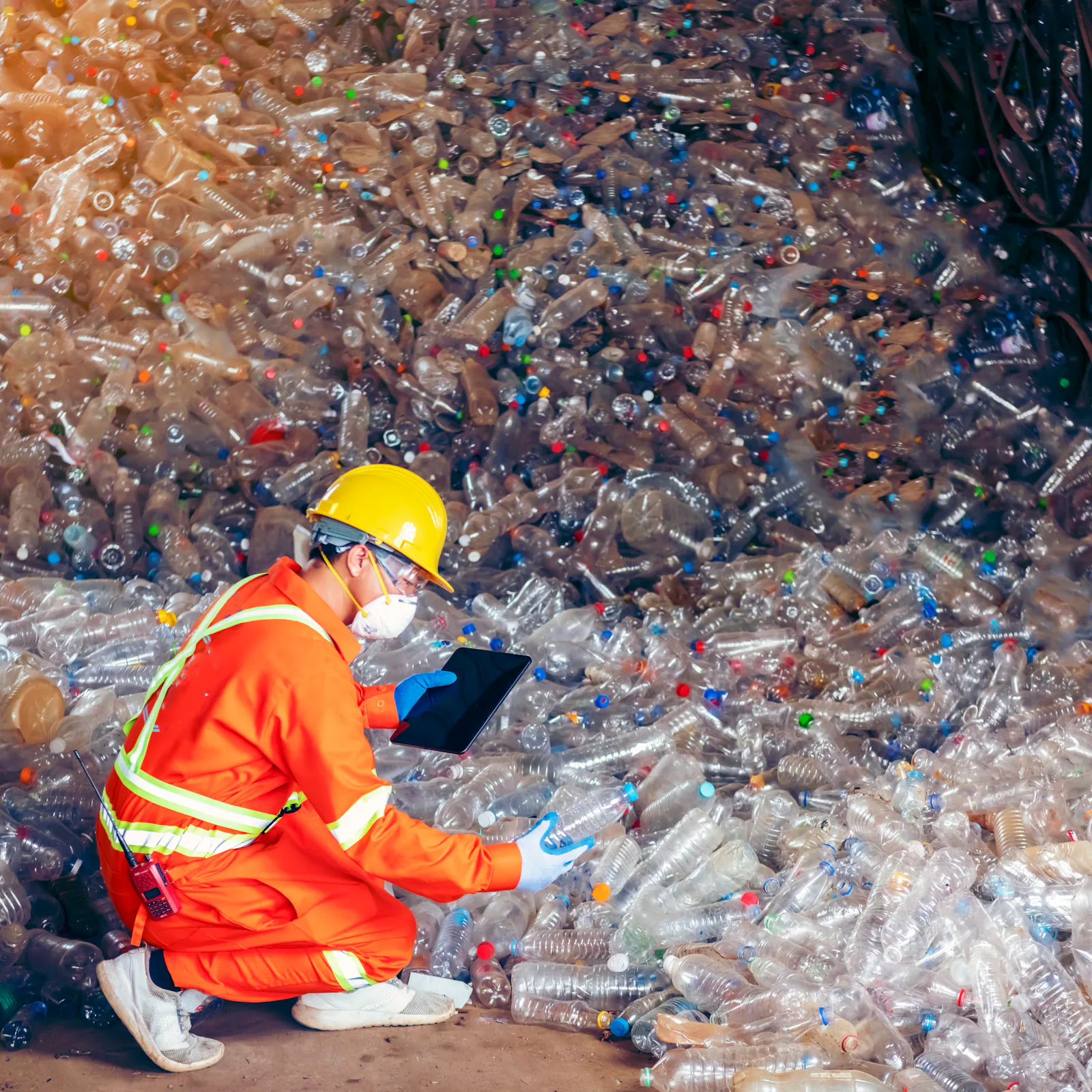
Industrial symbiosis: an engine for green jobs and growth?
Industrial symbiosis is an approach to the circular economy through which businesses work together to utilize waste and by-products created by their processes in existing and new products, so saving resources and energy. Sabrina de Gobbi, ILO Senior Economist, joins the podcast to discuss what potential it has to ‘green’ economies and how we can ensure that the jobs it creates are decent.
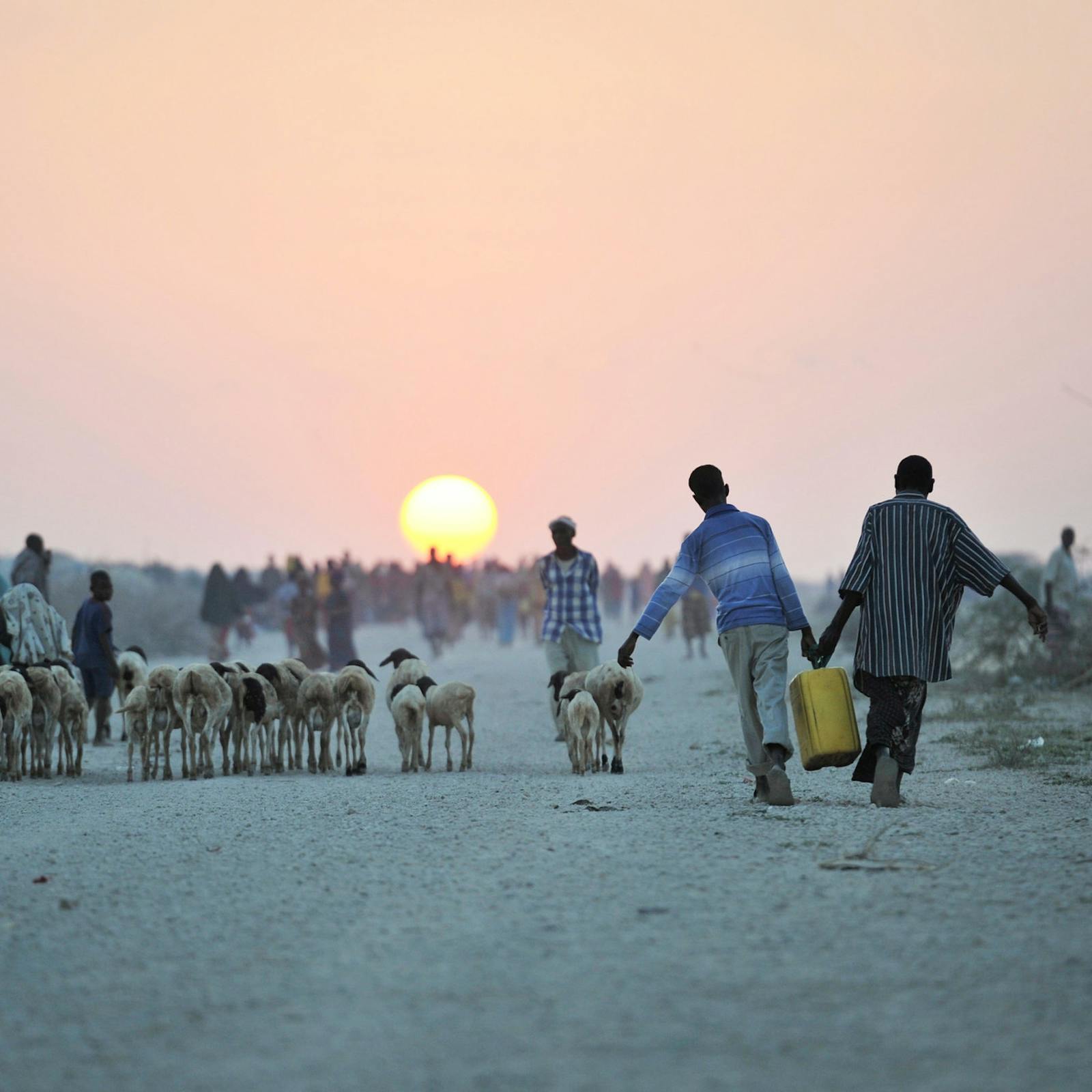
Why social protection is essential to shield the most vulnerable from the climate crisis
How can social protection help those most vulnerable to the worst impacts of climate change? To discuss the issue, we are joined by Kumi Naidoo, a longtime human rights and climate justice activist, and Shahra Razavi, Director of the ILO’s Universal Social Protection department.

Youth employment: Why are anxieties among young people growing even as youth unemployment rates fall?
According to a new ILO report, youth unemployment figures have recovered to pre-pandemic levels, but, in apparent contradiction, young people worldwide are reporting growing anxiety and worry about unemployment and job security. So, what’s the real situation for young people entering the labour market?

The Paralympics: what are the challenges facing athletes with disabilities?
Competing at the Paralympics requires extraordinary time and dedication, so how do Paralympic athletes balance the demands of sporting excellence with earning a living? To discuss this the ILO’s Future of Work podcast is joined by the former Paralympian, Josh Vander Vies and the ILO's expert on athletes and rights at work, Oliver Liang.
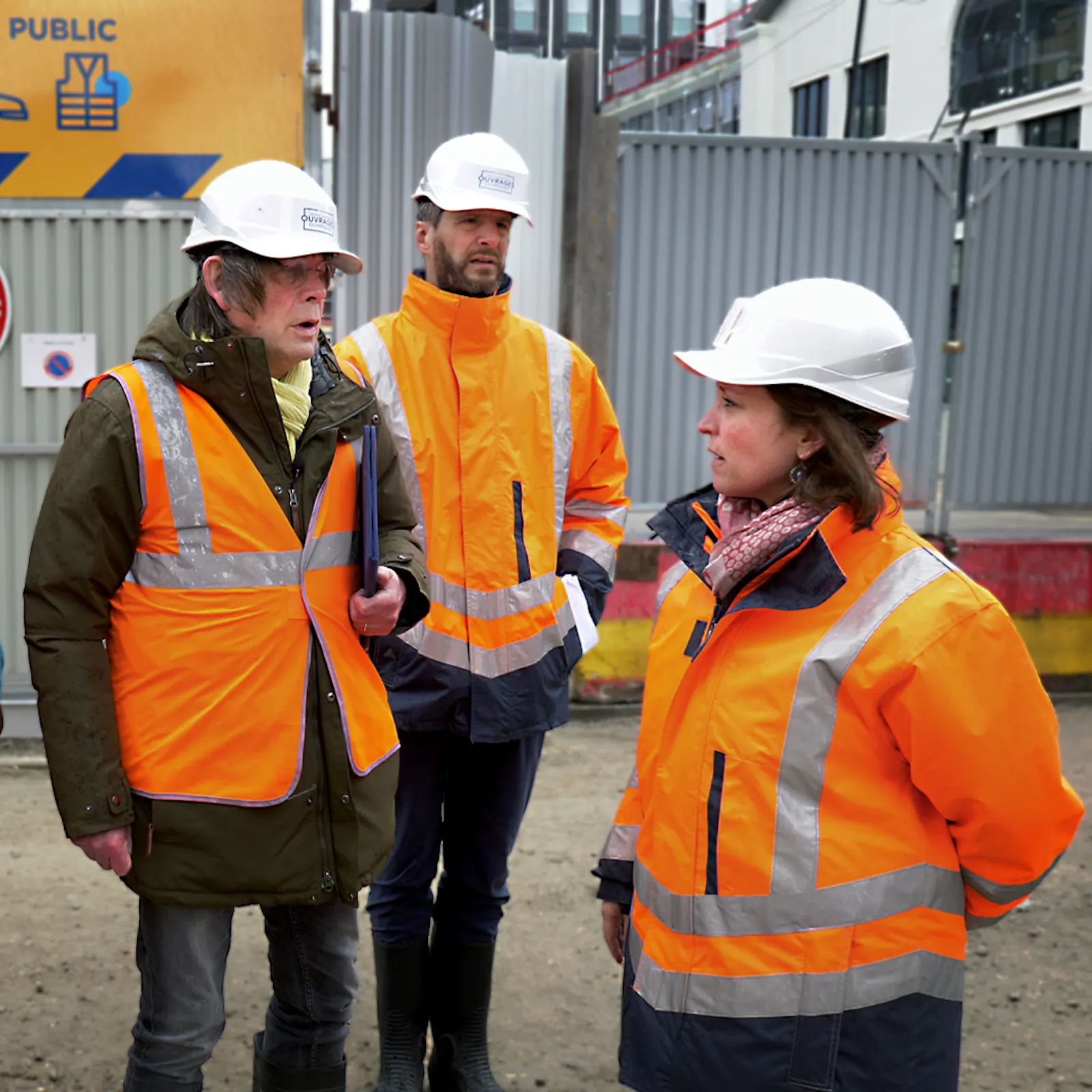
Paris 2024 – Creating social change through a decent work Olympics
The Olympic and Paralympic games are not just major a sporting festival, they are also a massive procurement, construction and employment project. This year, the Paris Games adopted a Social Charter, which links the entire games delivery process with social goals that are inspired by the ILO's decent work agenda.
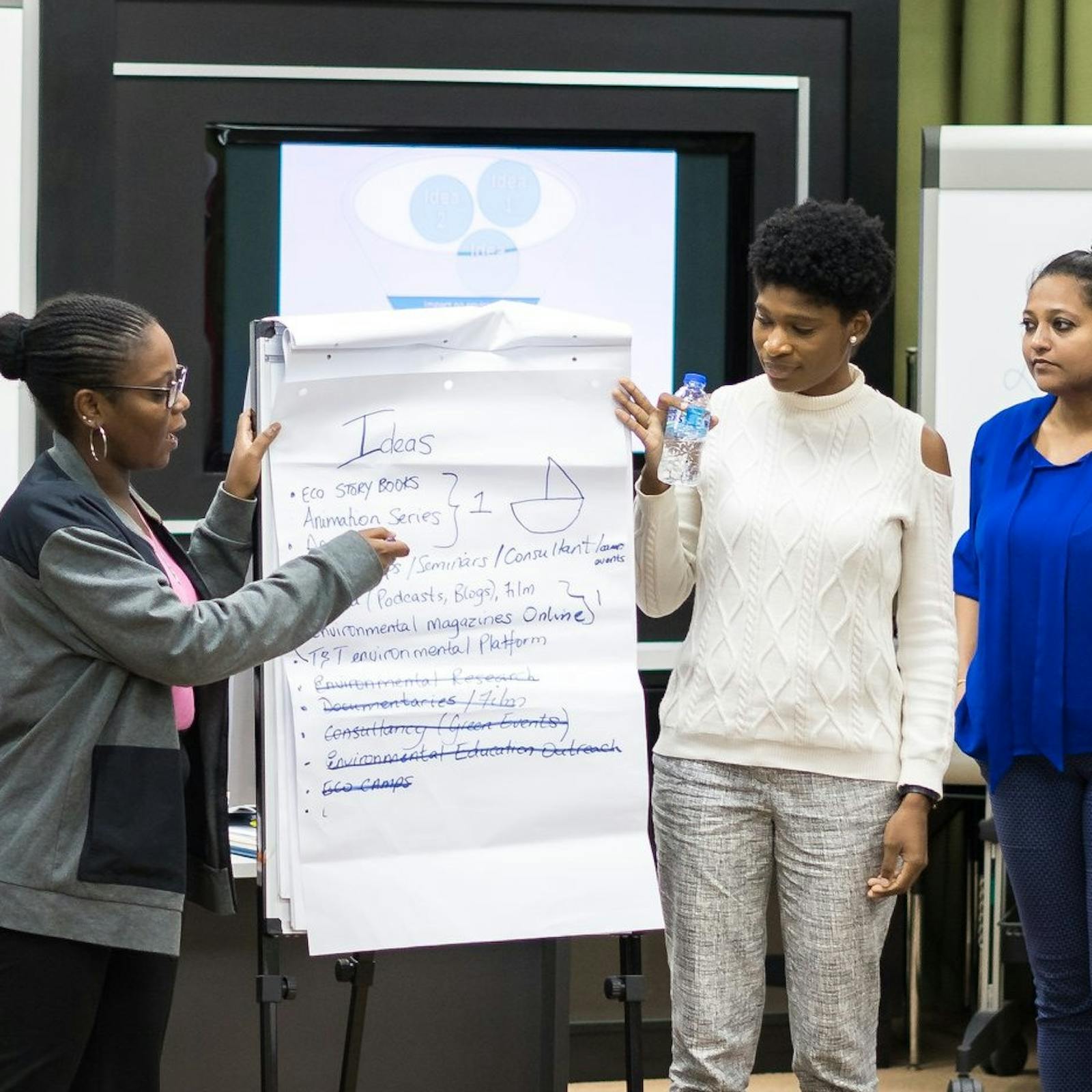
Want to be an entrepreneur? How to do it right
Running your own business can be a dream, a route to independence and a way out of poverty. But successful entrepreneurship isn’t easy, without the right skills and knowledge. An ILO programme - Start and Improve your Business (SIYB) – is helping to bridge that gap and has already helped tens of millions of people become entrepreneurs. Luisa Iachan, ILO Technical Officer on Inclusive Markets and E
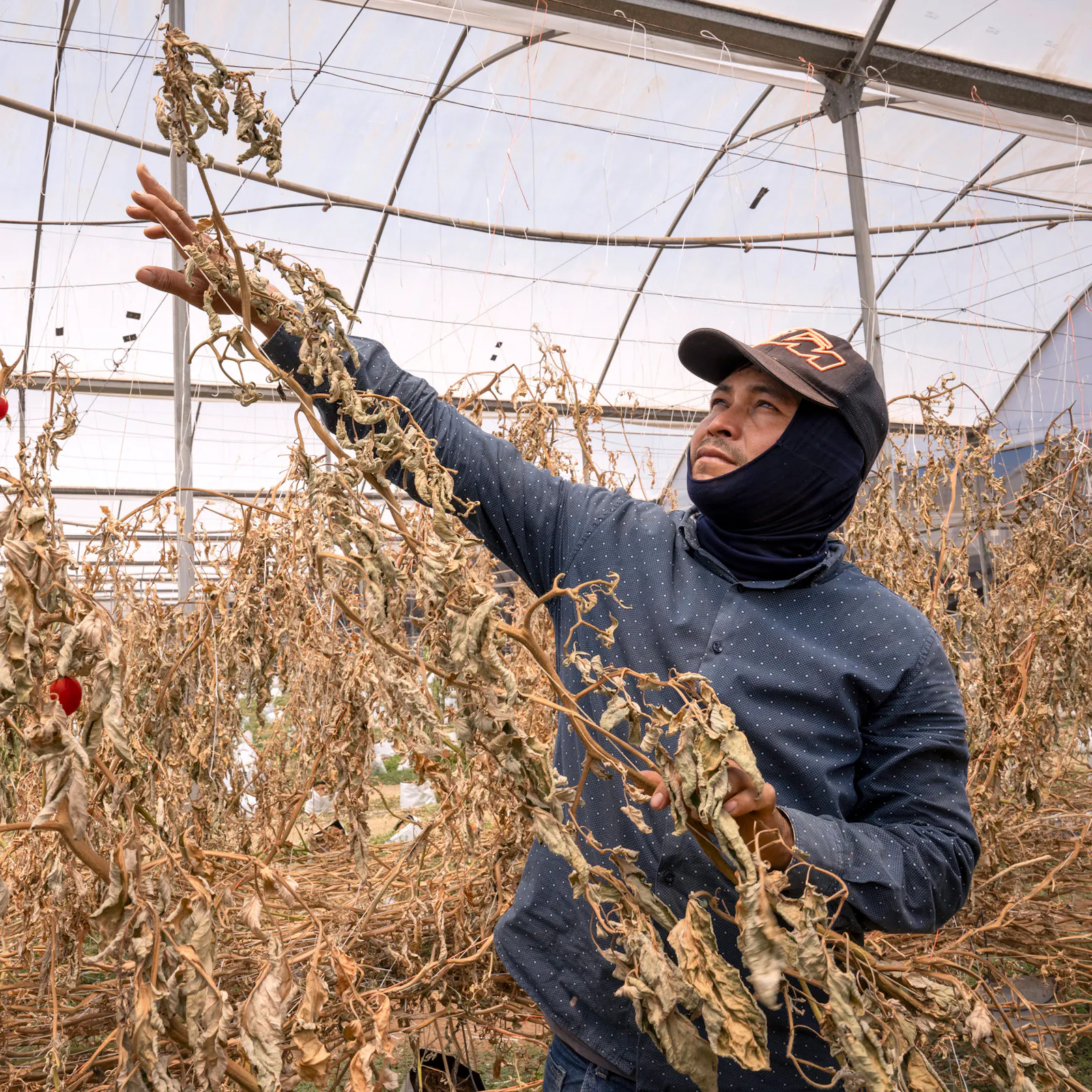
Heat: a silent killer at work
The rising temperatures associated with climate change mean more people are experiencing heat stress at work, with potentially fatal consequences. ILO Occupational Safety and Health specialists, Manal Azzi and Halshka Graczyk join the ILO’s Future of Work podcast to discuss what is being done to protect workers from the effects of excessive heat.
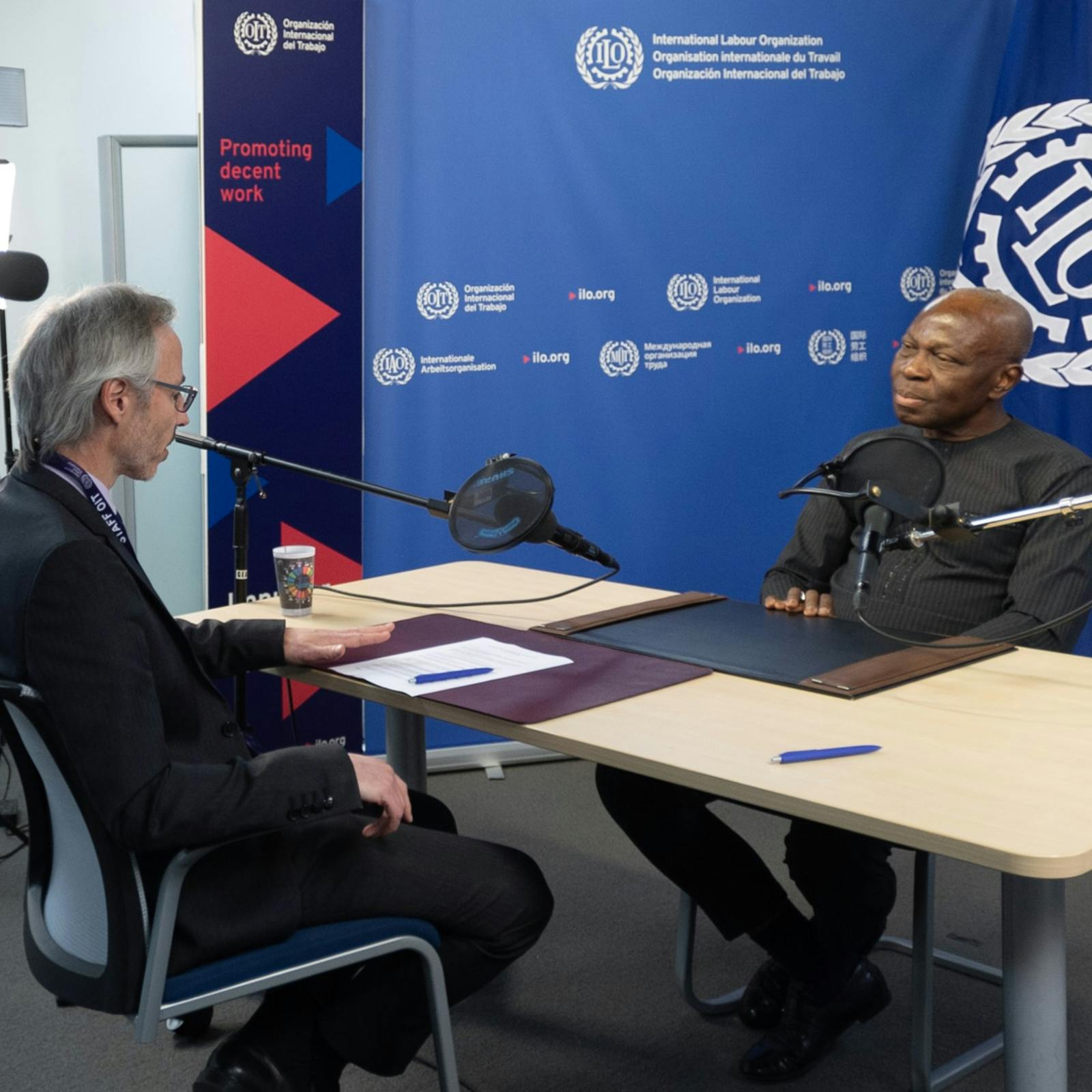
ILO Director-General: What to expect at the 2024 International Labour Conference
Ahead of the opening of the 112th International Labour Conference on June 3, the ILO’s Director-General, Gilbert F. Houngbo joins the Future of Work podcast to explain the key social and labour issues on the conference agenda, and why they matter in light of the state of our world today.
How can macroeconomics answer the call for greater social justice?
In this Future of Work podcast, the ILO’s Richard Samans and economic historian Lord Robert Skidelsky discuss how we can begin to transform macroeconomics to deal more effectively with ongoing challenges to social justice, such as inequality, underemployment, precarity and environmental degradation.
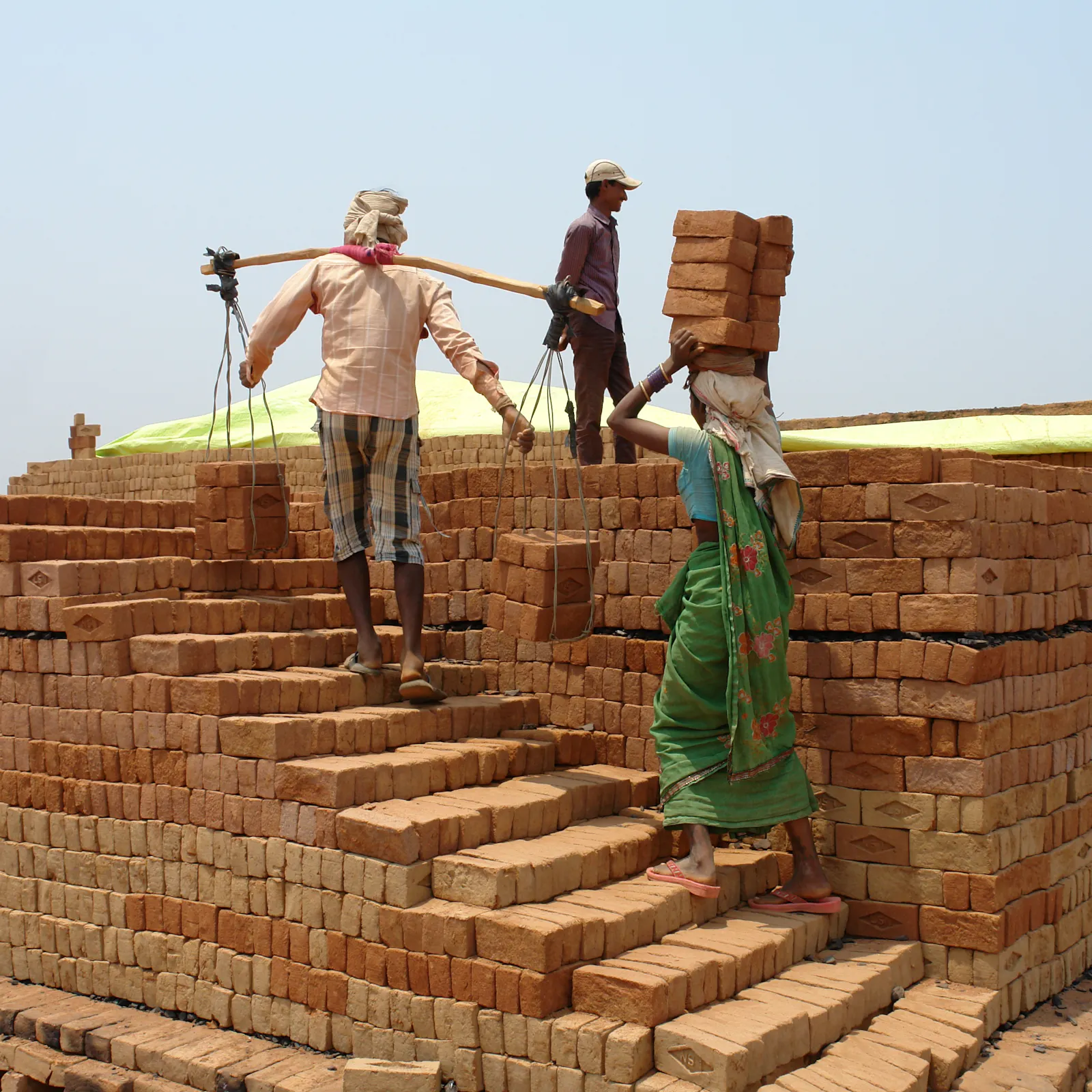
Who’s making money from forced labour?
Forced labour is not just a brutal abuse of fundamental human rights, but it also generates hundreds of billions of dollars in criminal business profits, according to a new ILO report. We discuss the issue with the report's co-author Michaëlle de Cock and Anousheh Karvar, the French government delegate to the ILO.
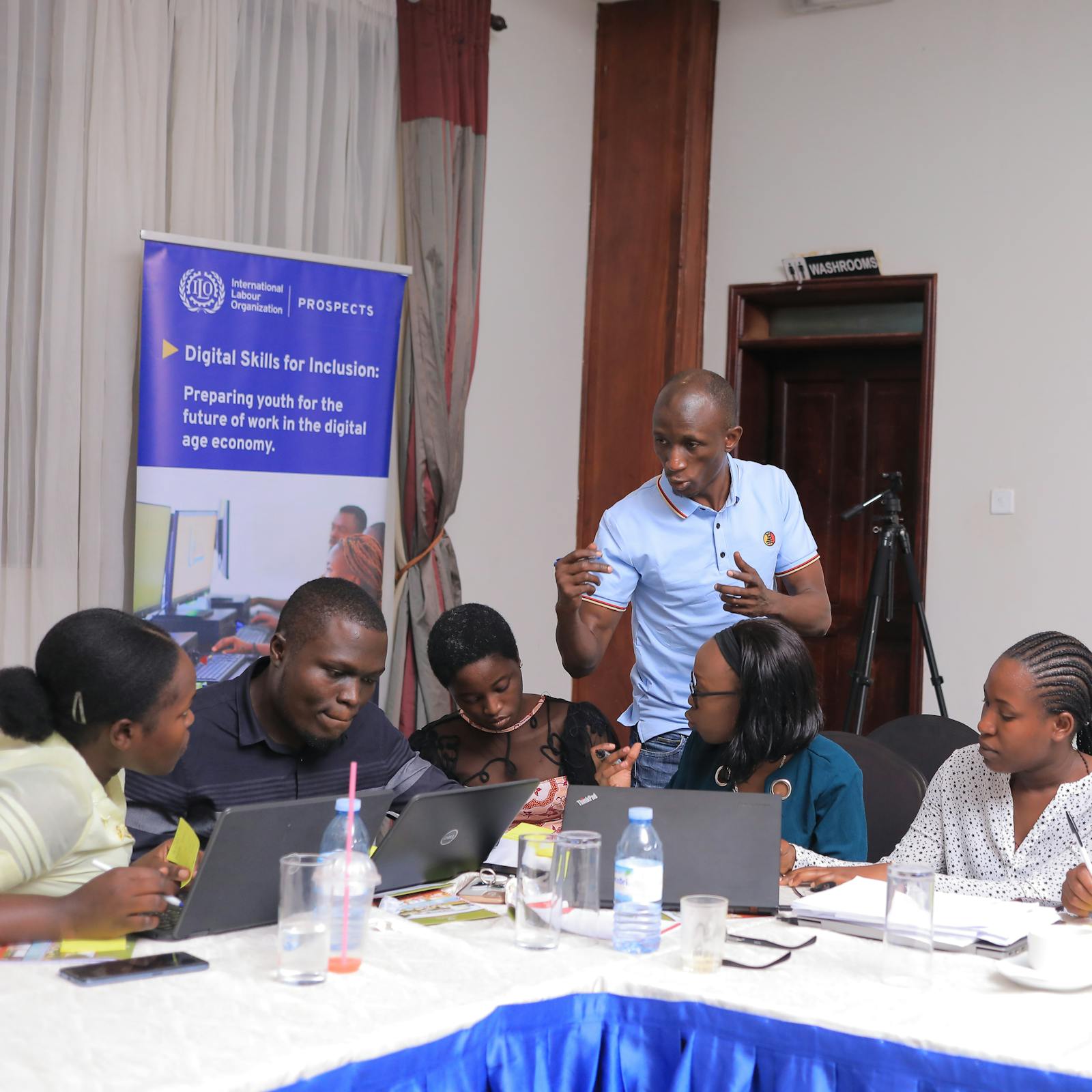
How young refugees are using skills and entrepreneurship to find independence
For many young people finding that first job can be hard. For those who are also refugees it can seem like an insurmountable challenge. We talk to Mashimbo Rose Nafisa and Joel Amani Mafigi, two young refugees in Uganda who have overcome this problem and are now helping other young people do the same.
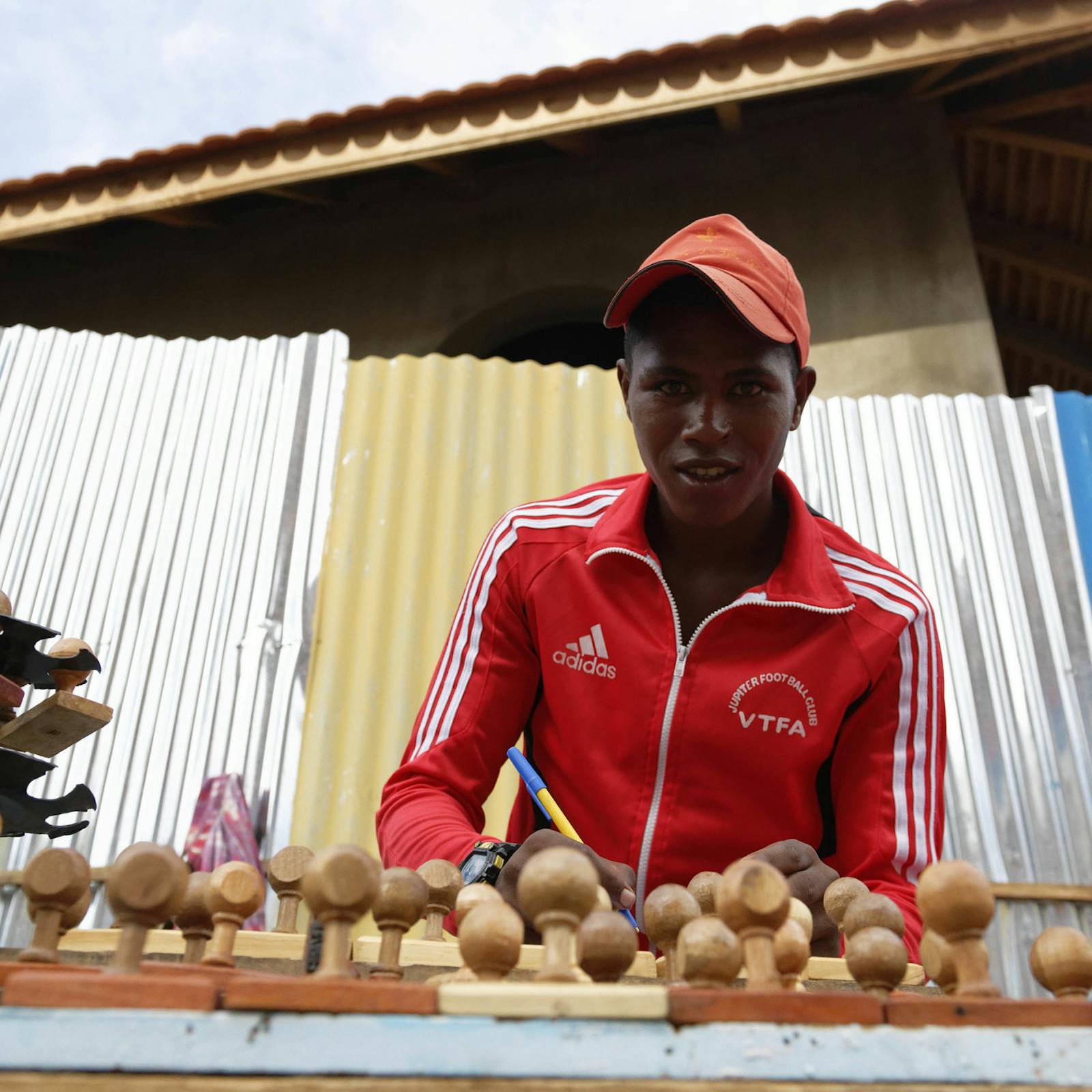
The social justice challenge for African youth
February 20th is World Day of Social Justice on the UN calendar. But what is social justice? Why does it matter for the youth in Africa? Discover what the youth believe are the solutions Africa's social injustices and listen to what they say they need to realize their dreams, in their own words.

Is Generative AI the answer to low productivity?
New research shows that Generative AI tools can substantially increase productivity in certain mid and high-skilled work, like for instance in science, technology, and engineering. So what does this mean for employment, skills and wages?

The rise of AI in China – Digital technologies and their regulation
The ILO's Future of Work podcast looks at trends in digital technologies and their regulation in China, and explores what impact this is having on the country's world of work.
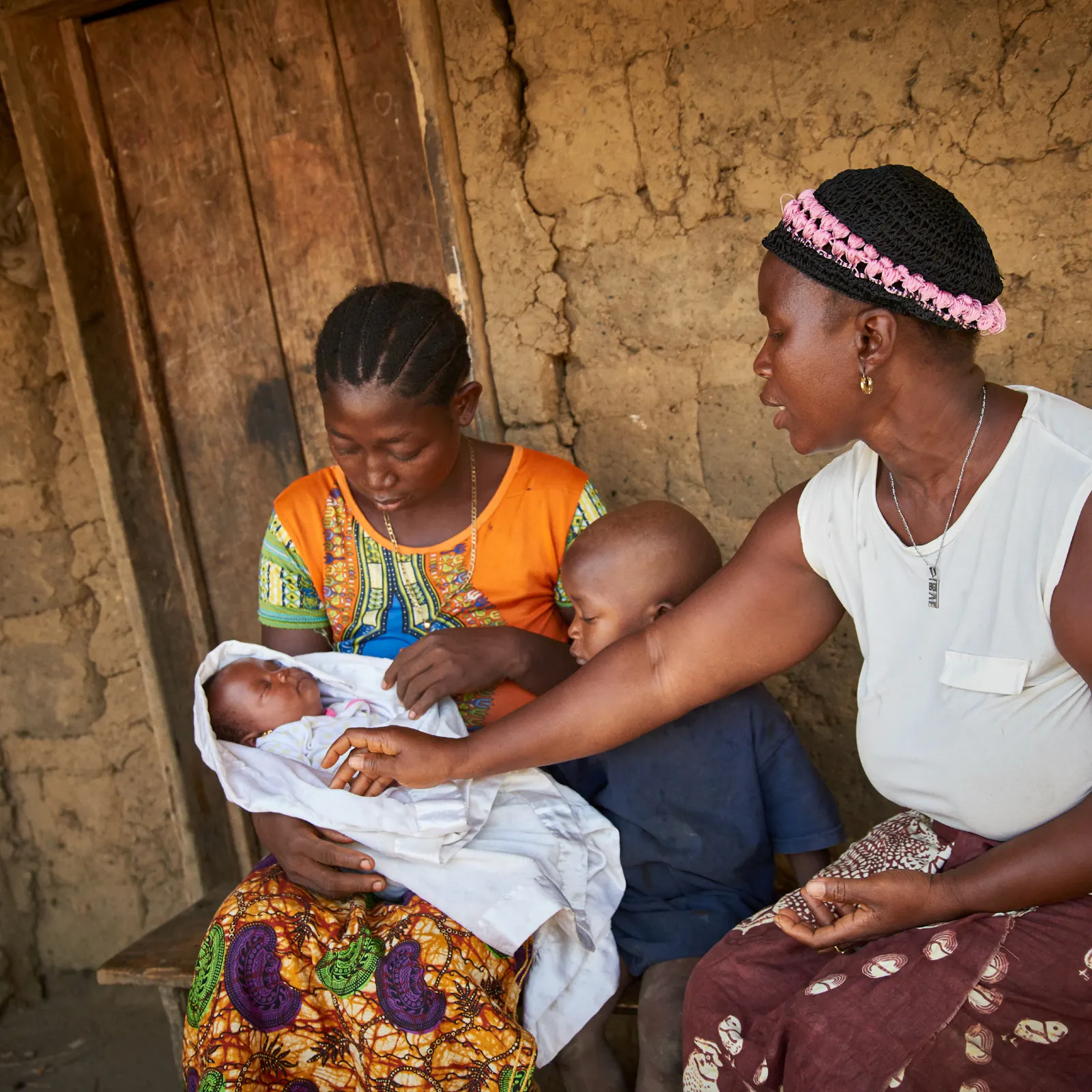
Should we treat the care economy as an investment or a cost?
Demand for care already outstrips supply and is expected to increase significantly in the future. Now, new ILO research suggests that spending on care – particularly childcare – could bring a return on investment of more than 3-to-1.

Workplace mental health: It’s ok not to be ok
One in five employees will experience mental illness in their lifetime. Find out in the ILO Future of Work podcast, the four steps that employers can take to minimise workplace mental health stresses.

Job quality or job quantity – which will AI affect most?
The effects of Generative AI on employment creation and destruction are much discussed, but what will the effects be on job quality, and where will those effects be felt most?
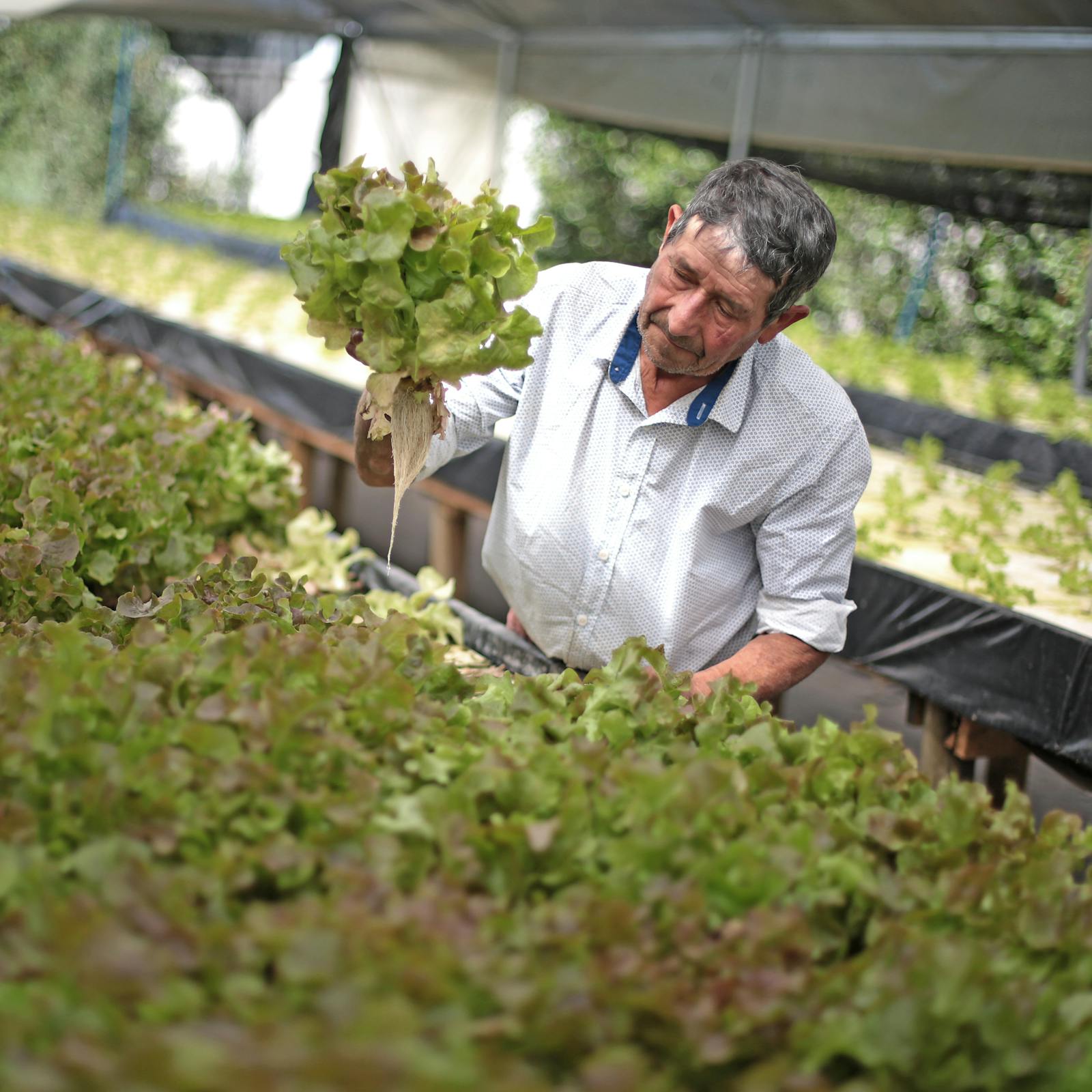
Should retirement be retired? The pros and cons of older workers
The global population is getting older. At the same time employers complain they can’t find the workers or skills they need, and governments worry about funding health care and social protection. On International Day for Older Persons (1 October) we look at whether keeping people in the workforce longer could be an answer.
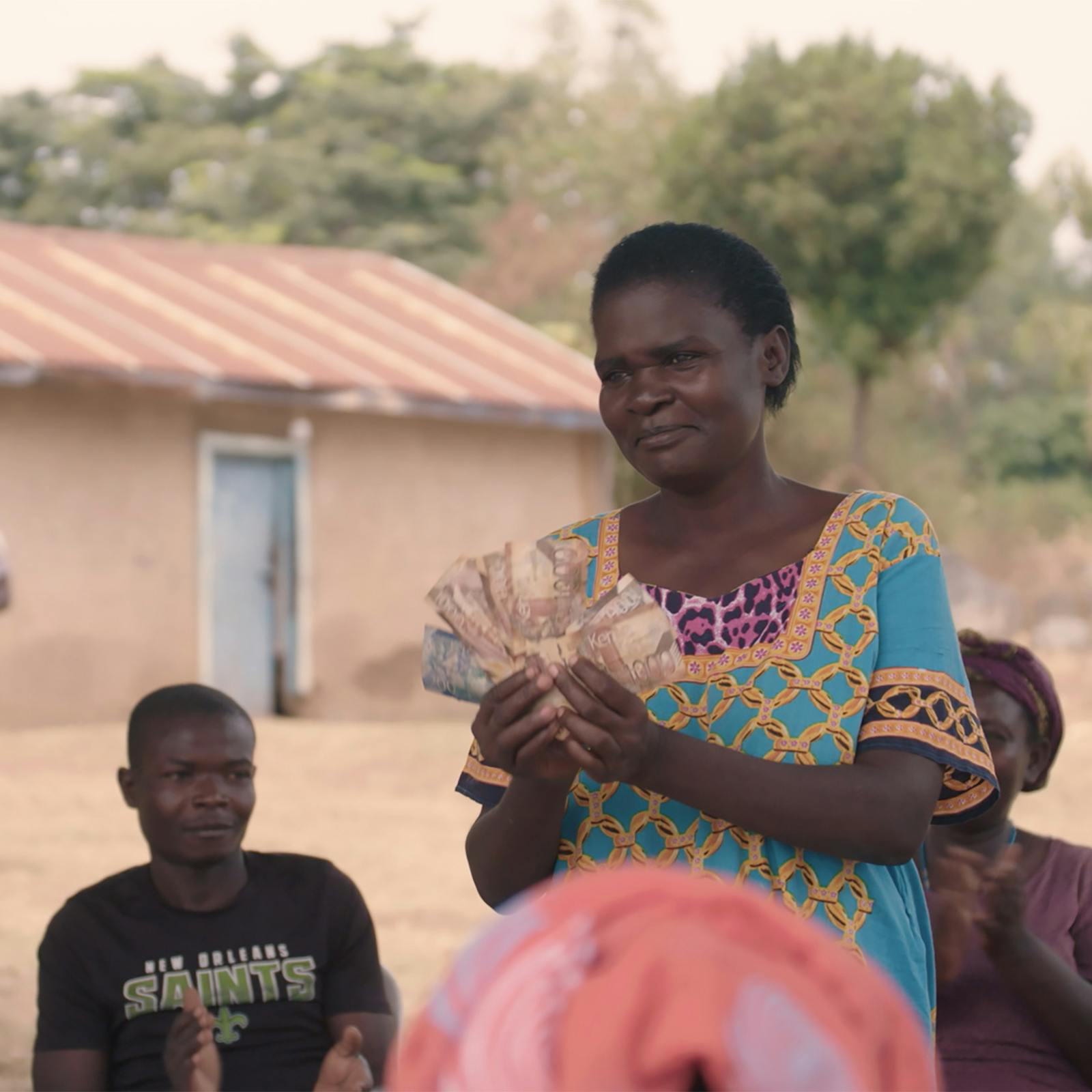
The value of free money
How would you react to being given money on a regular basis, with no strings attached? And how might this change you, your family or the wider community?
This is the question faced by the Kenyan village of Kogutu after being chosen as a location for the largest ever experiment in Universal Basic Income.
Filmmakers Lauren DeFilippo and Sam Soko spent five years chronicling the dramatic impact of
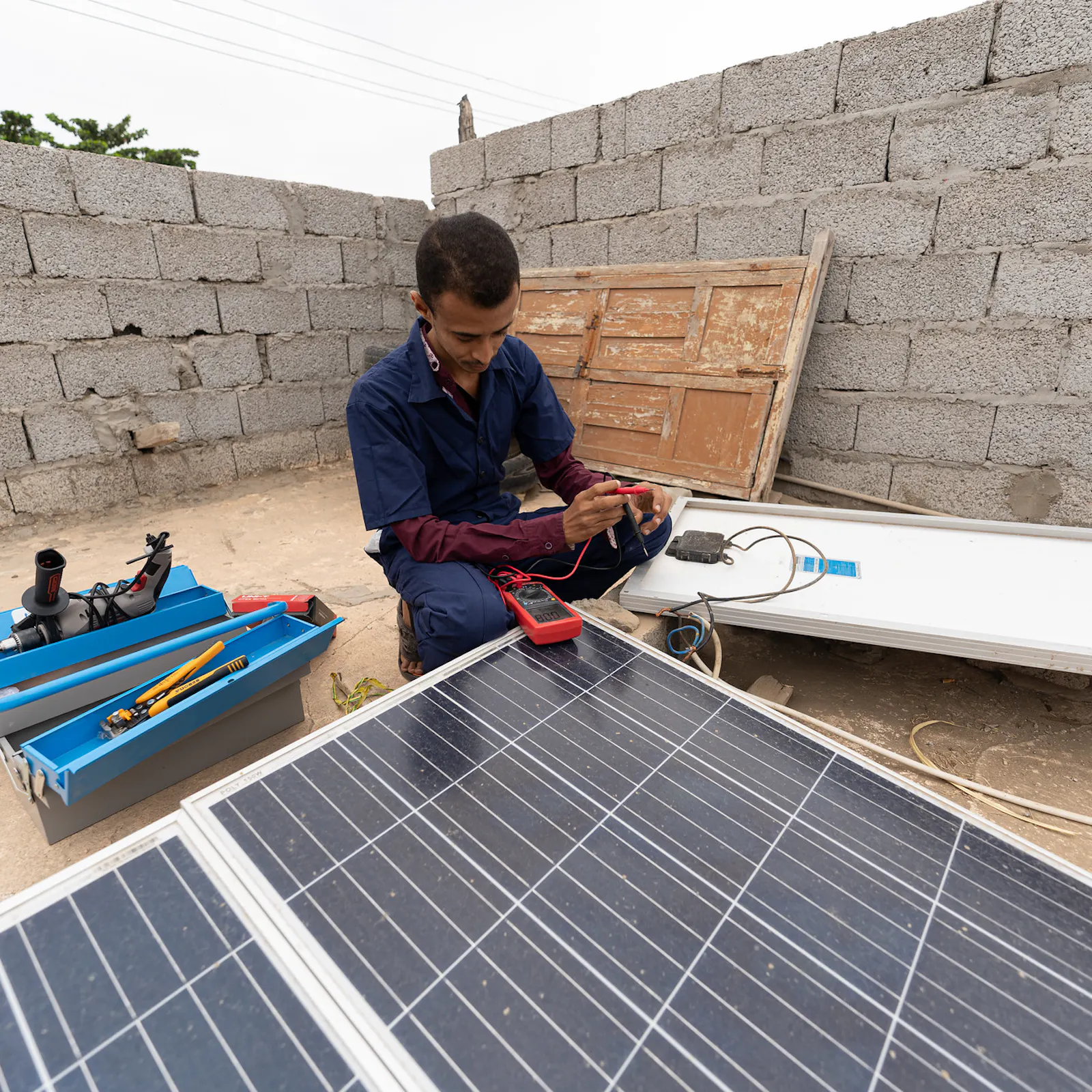
Green jobs: A solution to youth employment and the climate crisis?
Green jobs can help tackle the climate crisis and the labour market challenges faced by young people. So what exactly are green jobs? And what can young people do to create a sustainable future for themselves?
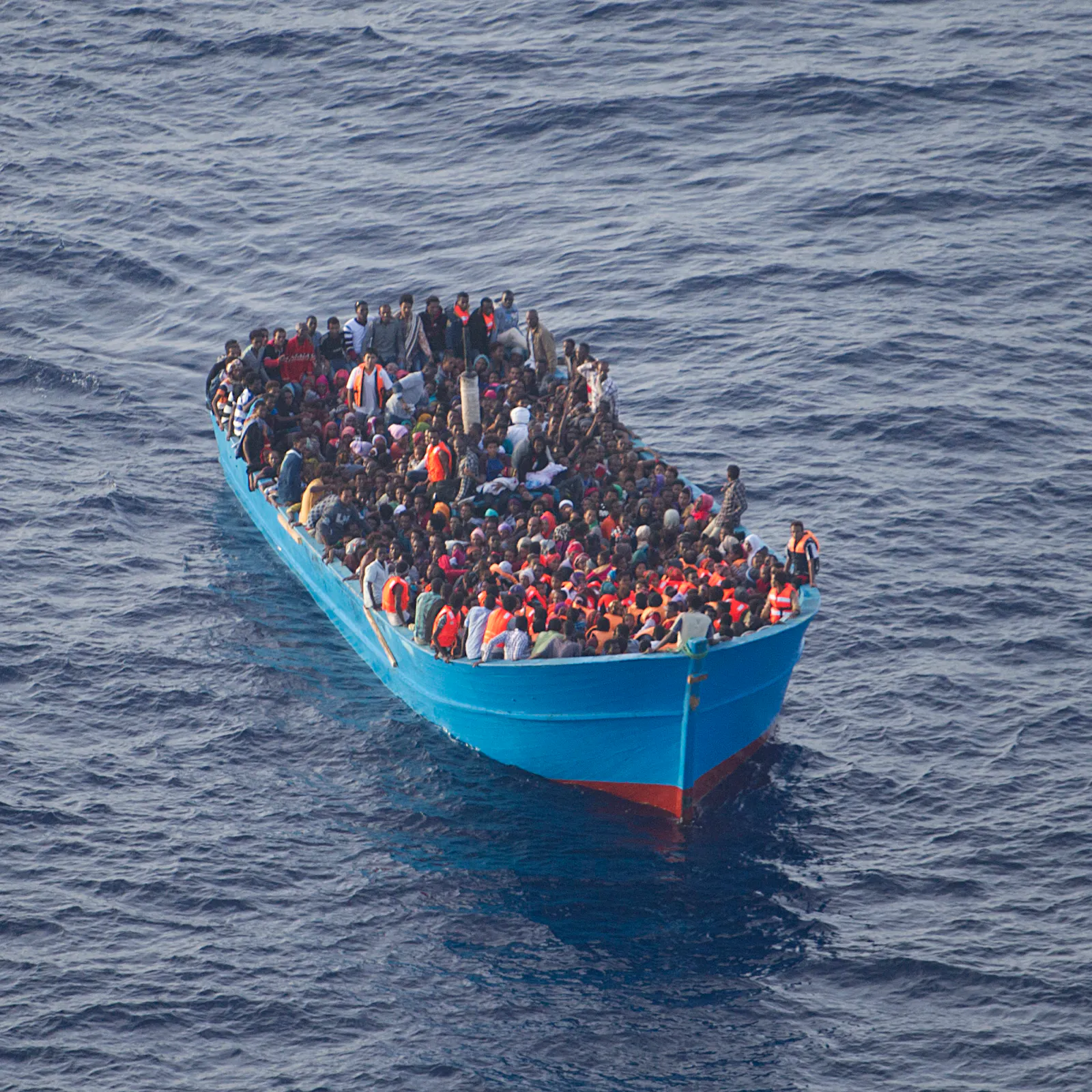
Fighting human trafficking in an era of crisis – how can we do better?
Global crises, conflicts, socio-economic inequalities, migration and the climate emergency are increasing the risk of human trafficking. What can be done, and by whom, to counter this threat?

Does Artificial Intelligence threaten decent work?
The world of work has always been shaped by technology, but the new generation of Artificial Intelligence (AI) has raised fears that it could destroy tens of millions of jobs, and undermine progress towards decent work and greater social justice.
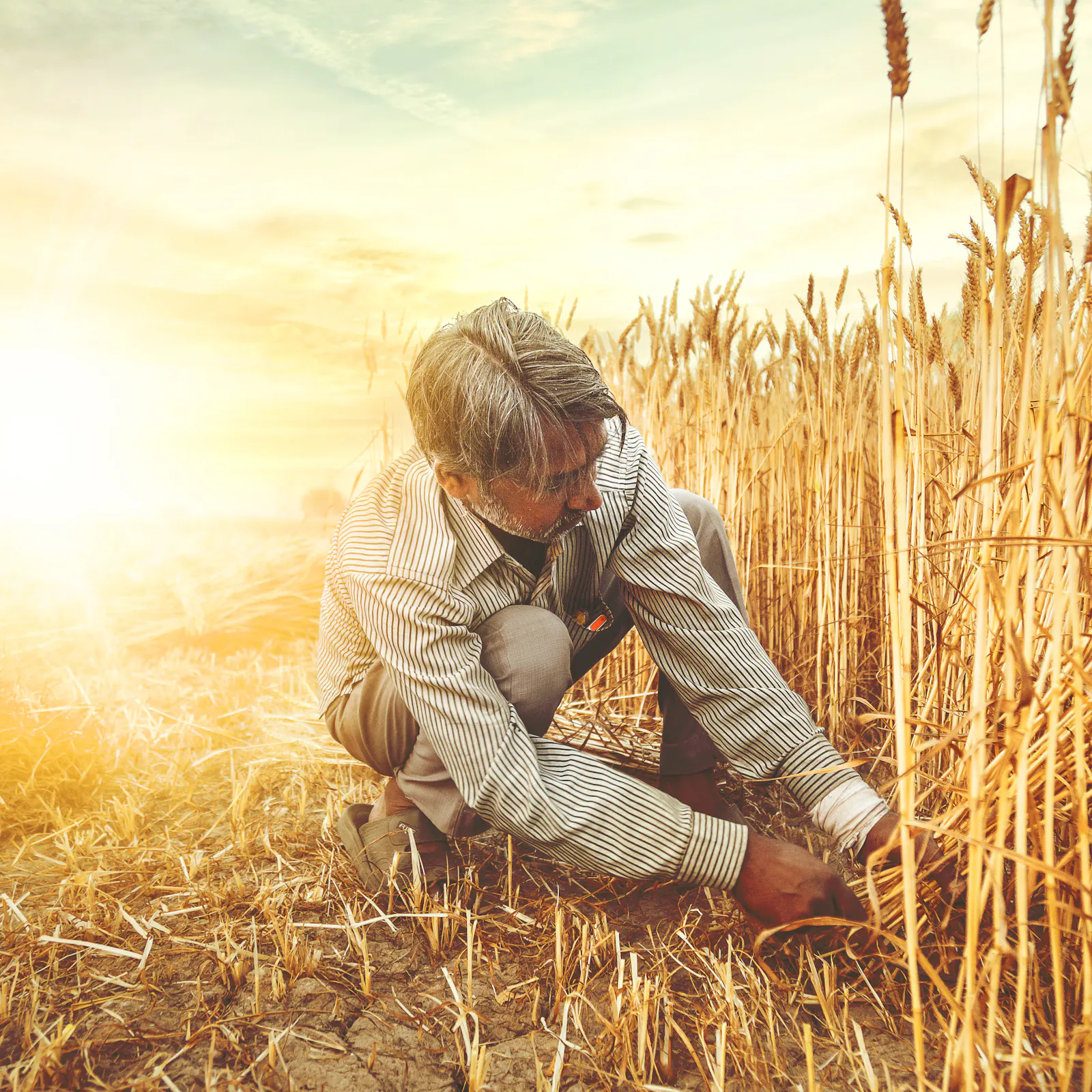
Heat stress – how are we going to live with it?
The summer of 2023 is recording some of the highest temperature on record, for our entire planet. This has enormous consequences for the world of work – regulators and businesses as well as workers. How can we adapt?

Is domestic work care work?
Following the COVID-19 pandemic many countries are re-evaluating the status, pay and conditions of their care workers. So, why are domestic workers, whose work often includes care, often being left out of this process?
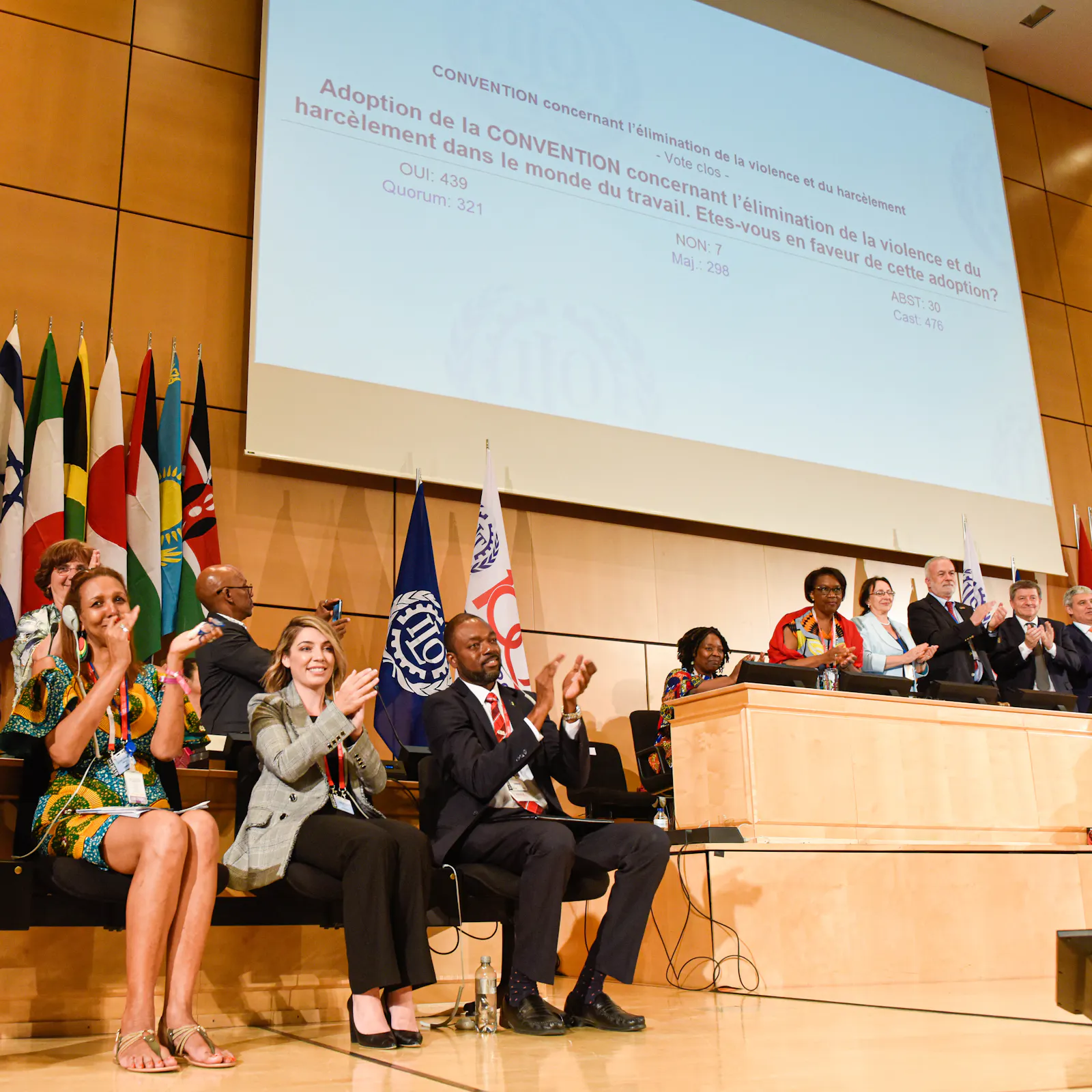
Writing the rules of the game – how international labour standards are created
International labour standards are at the heart of the ILO’s mandate and play an essential role in creating fair business competition and combatting work-related exploitation. So, how are they created?
When race holds you back in the workplace
While overt racism in the workplace may be a thing of the past, systemic racism, microaggressions and biases mean it is far from being a level playing field, say the guests of the latest Future of Work podcast.

Is an algorithm your next hiring manager?
The latest Future of Work podcast explores the challenges and opportunities of using Artificial Intelligence during the recruitment process.

Artificial Intelligence and the world of work – should we be scared?
Artificial intelligence, or AI, isn’t a tool for the future, it’s already here, creating, destroying and re-shaping jobs and business practices. So how will AI really affect the world of work?
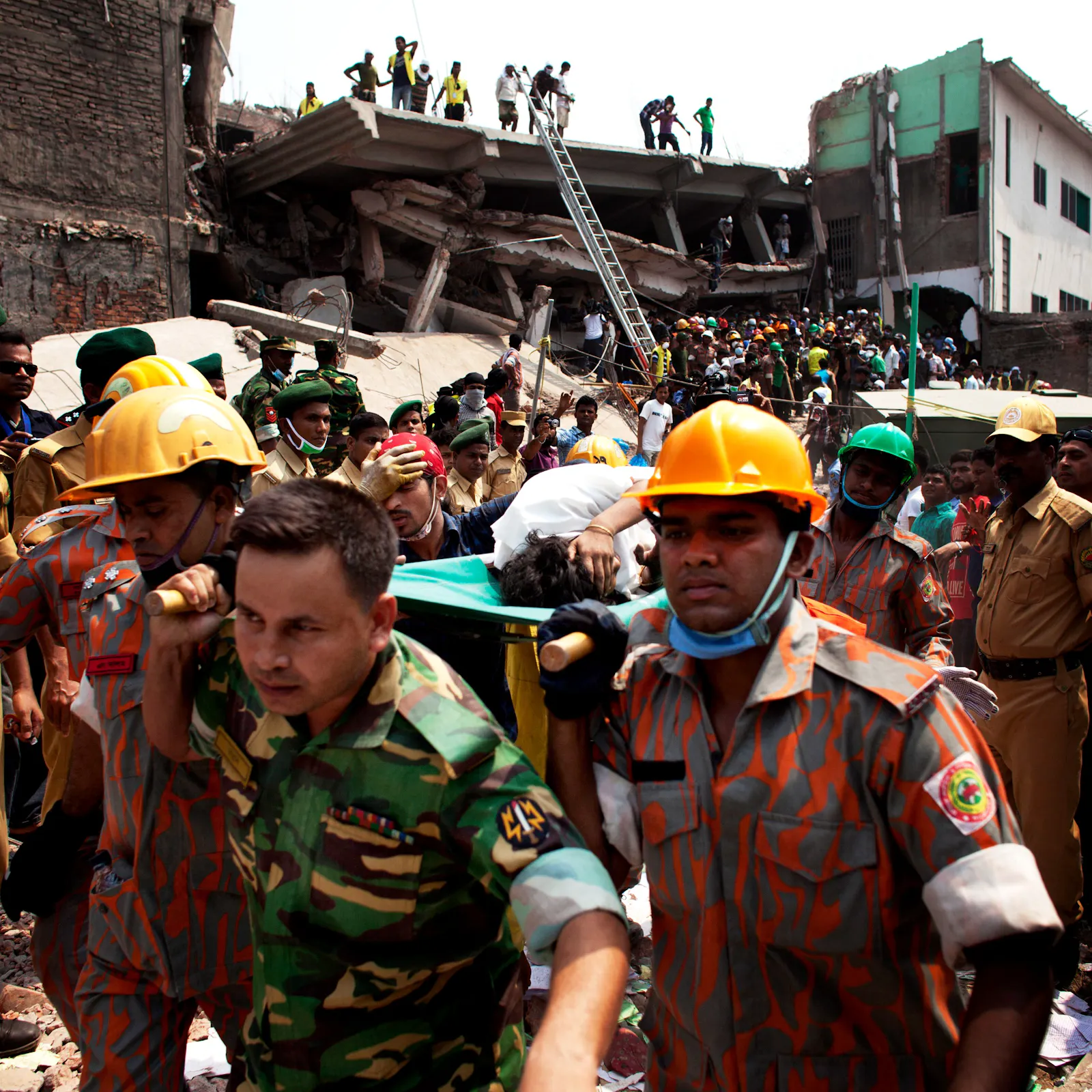
After Rana Plaza: How has safety improved for garment workers?
The collapse of the Rana Plaza building in the outskirts of Dhaka on 24 April 2013 resulted in the deaths of over 1,100 people – mostly garment workers – and shone a global spotlight on workplace safety and labour rights in the Bangladesh garment industry. Ten years on, what has changed?

Why are key workers undervalued?
The COVID-19 crisis showed how much we all rely on key workers, yet it also exposed the poor working conditions they often face. How can we ensure that these essential workers are decently treated?
Can digital technology be an equality machine?
As workplaces transition towards a digital future, we see the gender gap perpetuating itself in the digital realm as well. On International Women’s Day, the ILO’s ‘Future of Work’ podcast explores how can digital technology be harnessed for positive change and more inclusion.
Tackling the productivity challenge
Low levels of productivity are making it more difficult for countries and regions to escape from the current mix of social and economic challenges. How can productivity be improved?
ILO Director-General – Why we need greater social justice
On World Day of Social Justice, the ILO’s Director-General, Gilbert F Houngbo, explains why policymakers must prioritize social justice or risk fueling poverty, inequality and social unrest, as well as undermining action against climate change.
How can we protect the quality of jobs?
Global labour markets are facing serious, interlinked challenges. Issues such as the growth in informality and working poverty, slowing employment growth, the effects of inflation on wages and purchasing power, come on top of longer-term structural challenges such as demographics, technology and climate change.
The new ILO report, World Employment and Social Outlook: Trends 2023 (WESO trends), r

Working time and work-life balance
Working time issues have been at the heart of the ILO since its foundation in 1919. Since then the world of work has changed radically, but ideas about how, where and when work is performed have remained largely the same, notably the long-held assumption of a link between longer hours and greater productivity.
A new ILO report on working time and work-life balance has taken a fresh look at the i
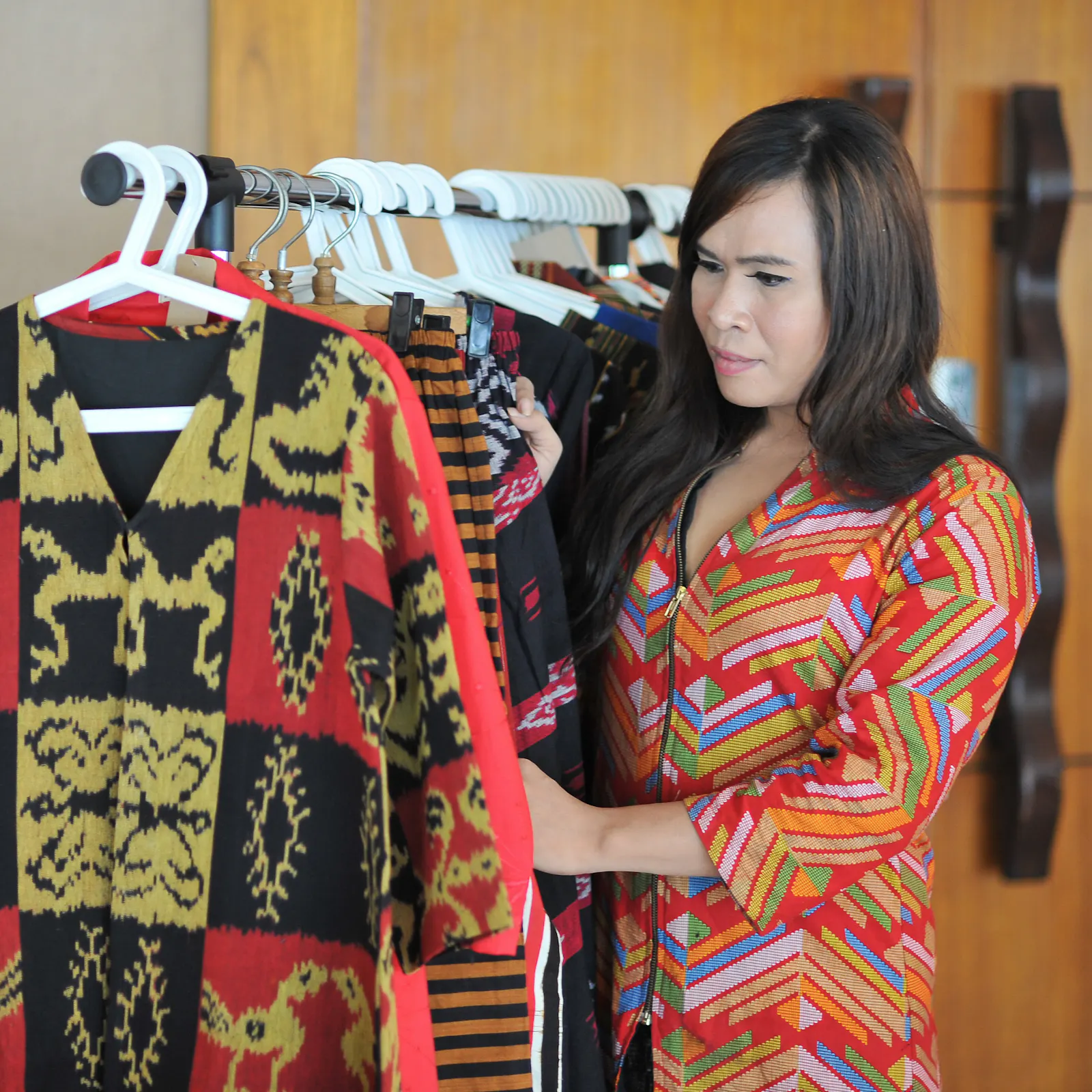
Labour migration and diverse gender identities
Migration gives workers in South-East Asia with diverse sexual orientations, gender identities and expression (SOGIE) the opportunity to seek a better quality of life.
However, according to a recent UN study 'A very beautiful but heavy jacket: The experiences of migrant workers with diverse sexual orientation, gender identity and expression in South-East Asia' they experience discrimination at m

COP27 – What progress for the world of work?
As we transition to a greener economy, how do we ensure that workers are not left behind? What actions need to be taken to achieve a just transition?
COP27, the UN’s annual climate change summit, has just wound up in Egypt. The ILO hosted over 40 events there at a Just Transition pavilion, looking at climate change issues related to the world of work. It included the launching of an ILO just tra
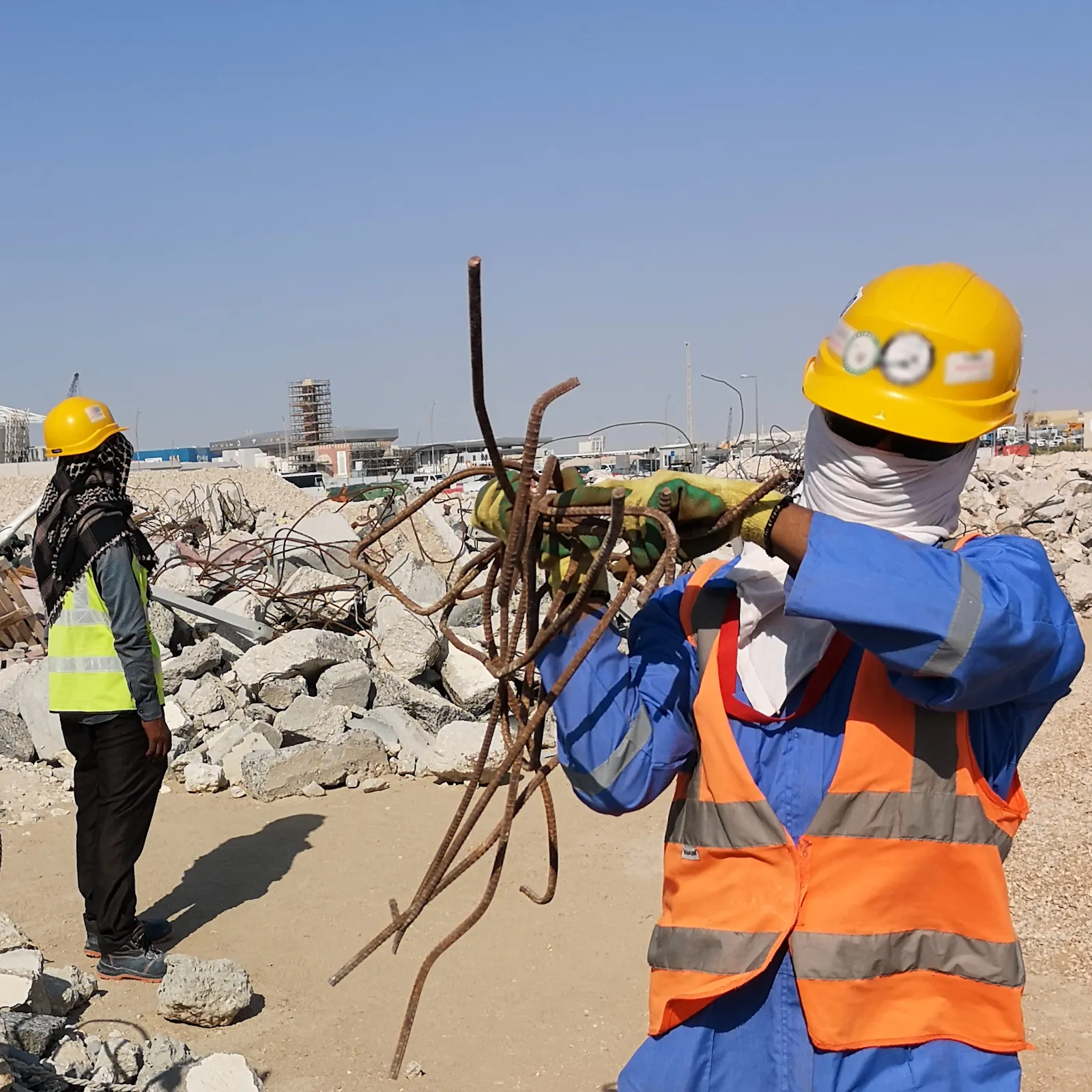
What’s the story on labour rights in Qatar?
In the run up to the FIFA World Cup, the eyes of the world are on Qatar, the first Middle East country to host the global football tournament. Yet much of the scrutiny is directed not at the event’s sporting aspects, but rather at the labour rights and working conditions of the hundreds of thousands of migrant workers who are involved in readying the infrastructure and services needed to host one

Living to dance and dancing to live
The career of a professional dancer appears glamorous, but it is also precarious. Dancers begin training intensively when young, when others are focused on studying to get qualifications. Then their professional performance careers are short, even assuming they aren't ended early by accident or injury.
So, what happens to dancers when they stop performing? What’s it like to have a career that rel

Mental health and the workplace
Research by the ILO and the WHO has found that billions of working days – and so billions of dollars - are lost every year because of work-related mental health issues, and they have called for concrete measures to address this growing problem. What are the psychosocial risks associated with modern workplaces, and can we make mentally healthy workplaces the new norm.
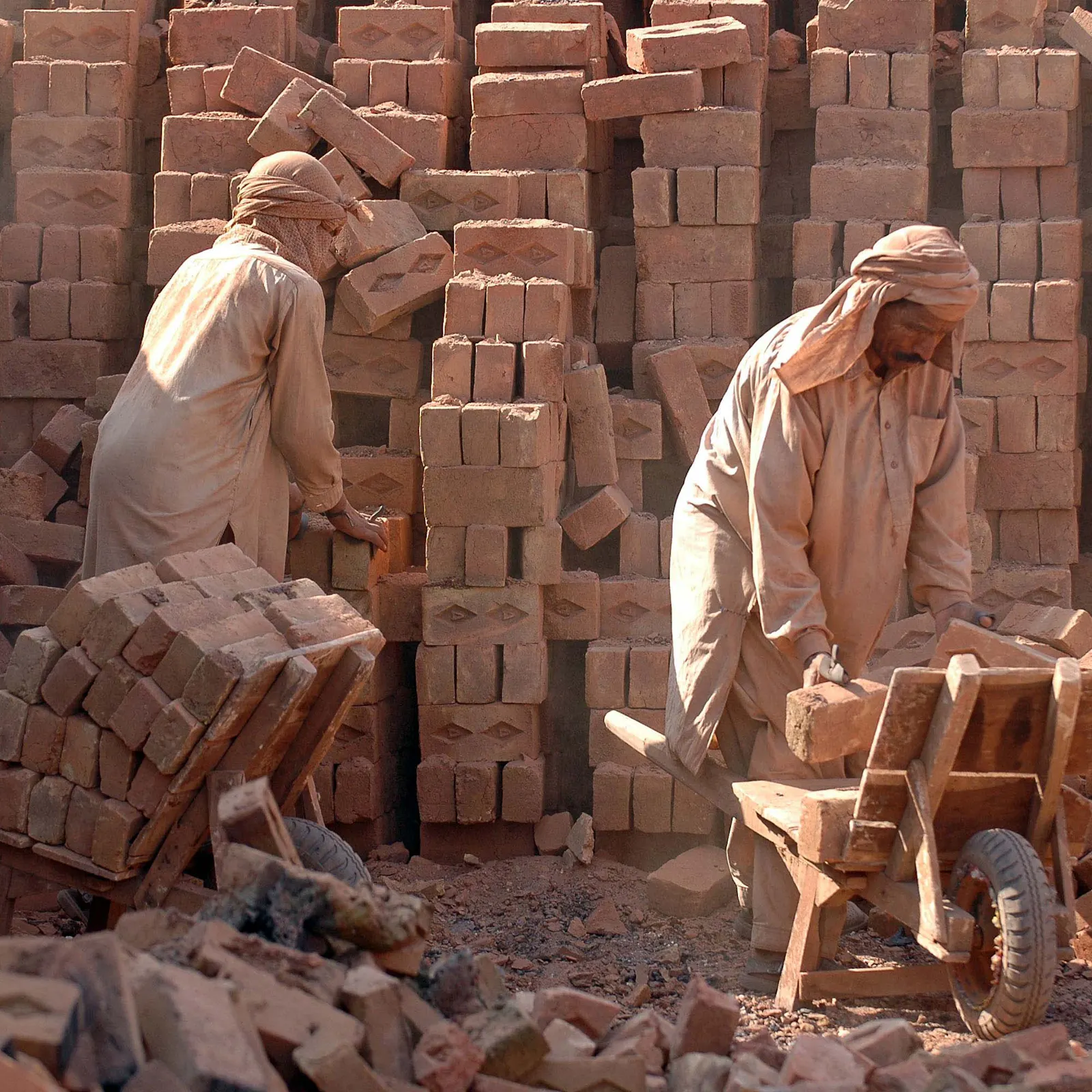
Modern slavery is unseen because it's convenient
Sophie Otiende, Chief Executive Officer of the Global Fund to End Modern Slavery, and Grace Forrest, Founding Director of Walk Free, join the ILO's Future of Work podcast to explore the many reasons for the continued existence of modern slavery and the role we can all play in finally putting an end to it.
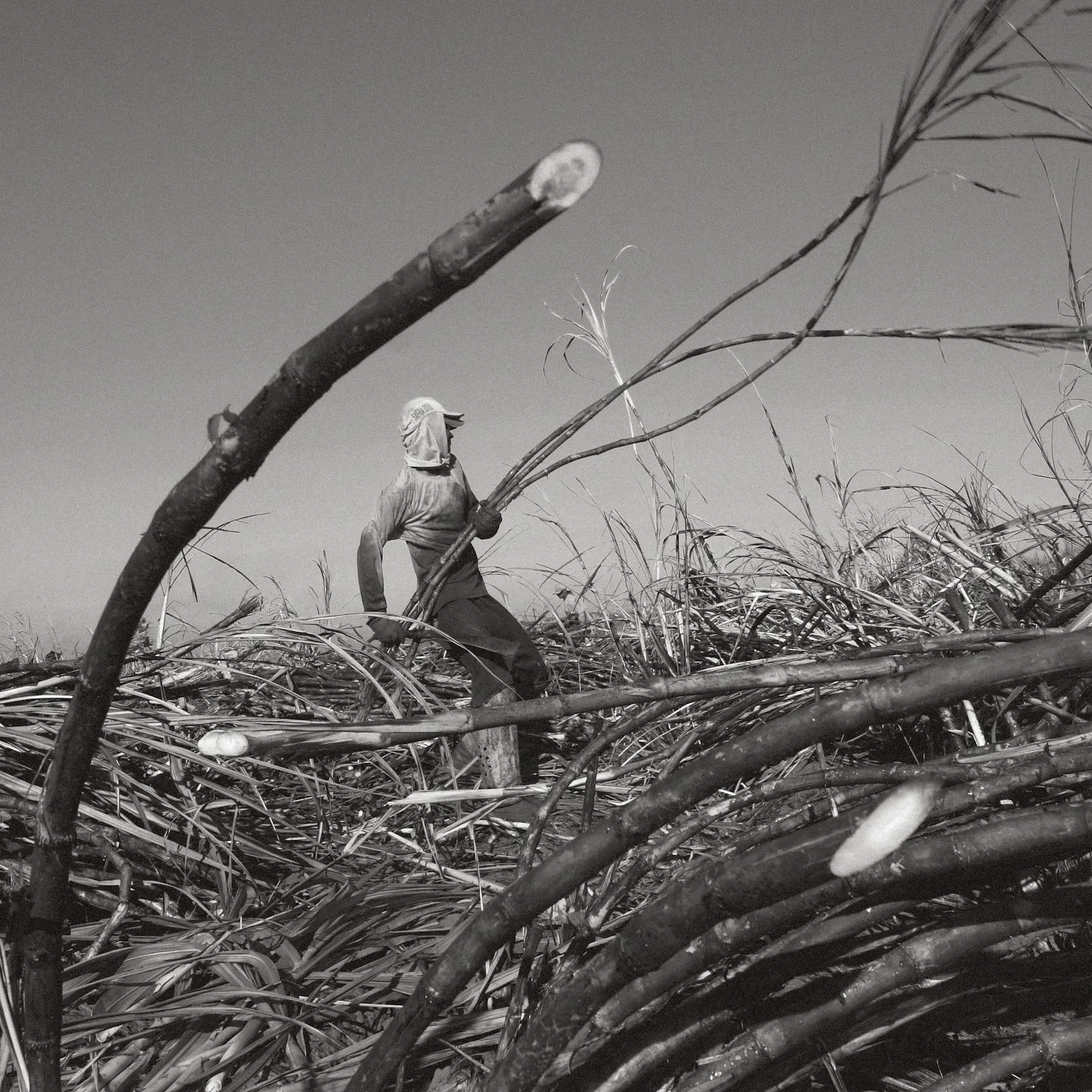
Wagner Moura: How to advocate for social change and end slavery
August 23 is the International Day for the Remembrance of the Slave Trade and its Abolition. Slavery is a clear human rights violation that has no place in the modern world! Yet, there are more people in slavery today than at any other time in history.
More than 40.3 million people are still in modern slavery, including 24.9 million in forced labour. It means 5.4 victims of modern slavery for ev
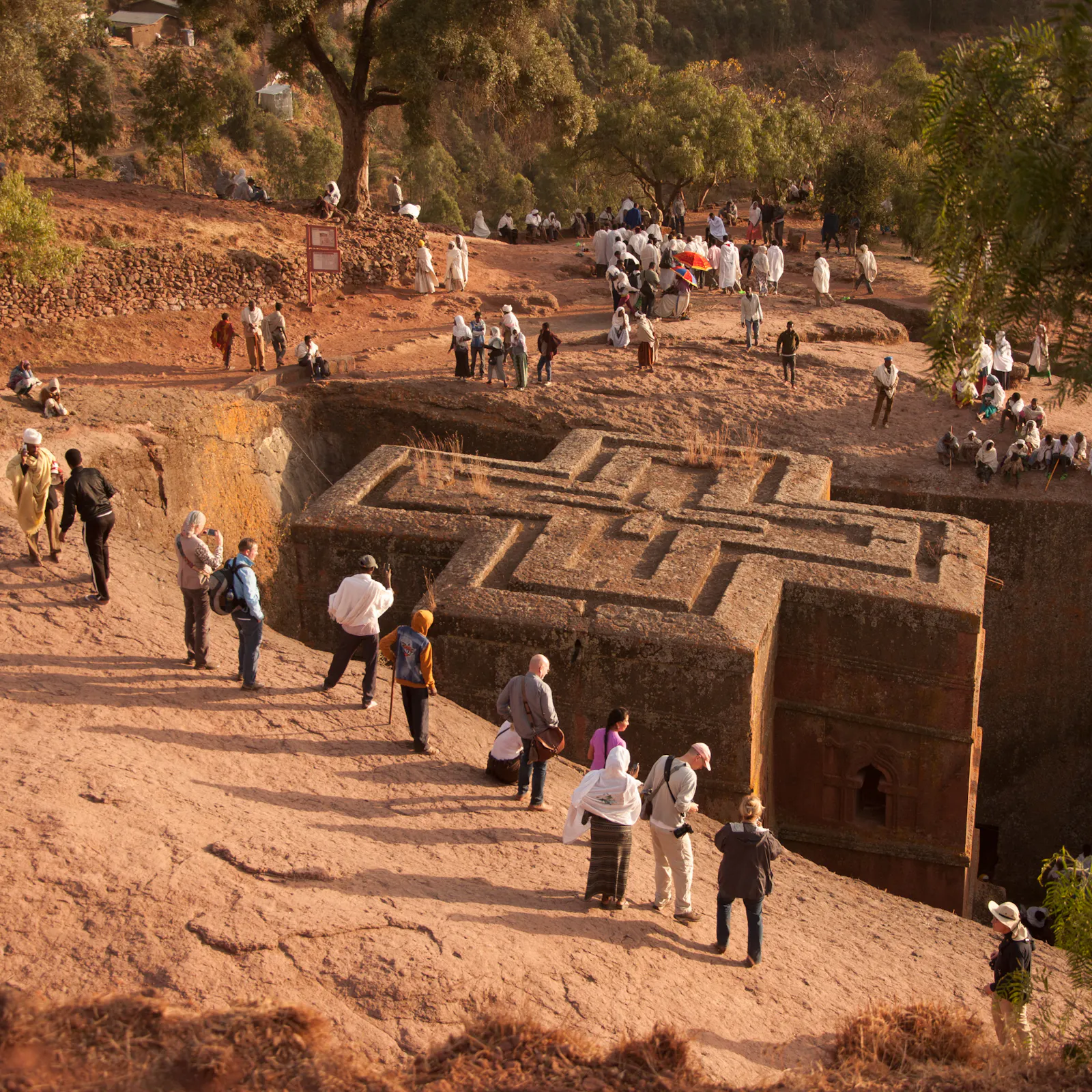
Can Ethiopia rebuild its COVID-19 damaged tourism sector?
From archaeological and heritage sites to conservation parks, and music and cultural festivals, Ethiopia boasts a wide array of tourist attractions. However it lost 70 per cent of tourism revenues due to the COVID-19 pandemic, along with massive job losses – a situation that was worsened by the outbreak of war in the north of the country.
As part of our August Voices tourism series, we’re talki

Is there a place for grief at work?
When Lizzie Pickering's young son Harry died in 2000, she embarked on a journey to understand grief, how to live with it and how to help other people when their life has changed. In this podcast she shares the lessons she's learned from her own experiences and those of others.
We will discuss how to adapt to change and continue to work after losses, not only in the event of death, but also in the
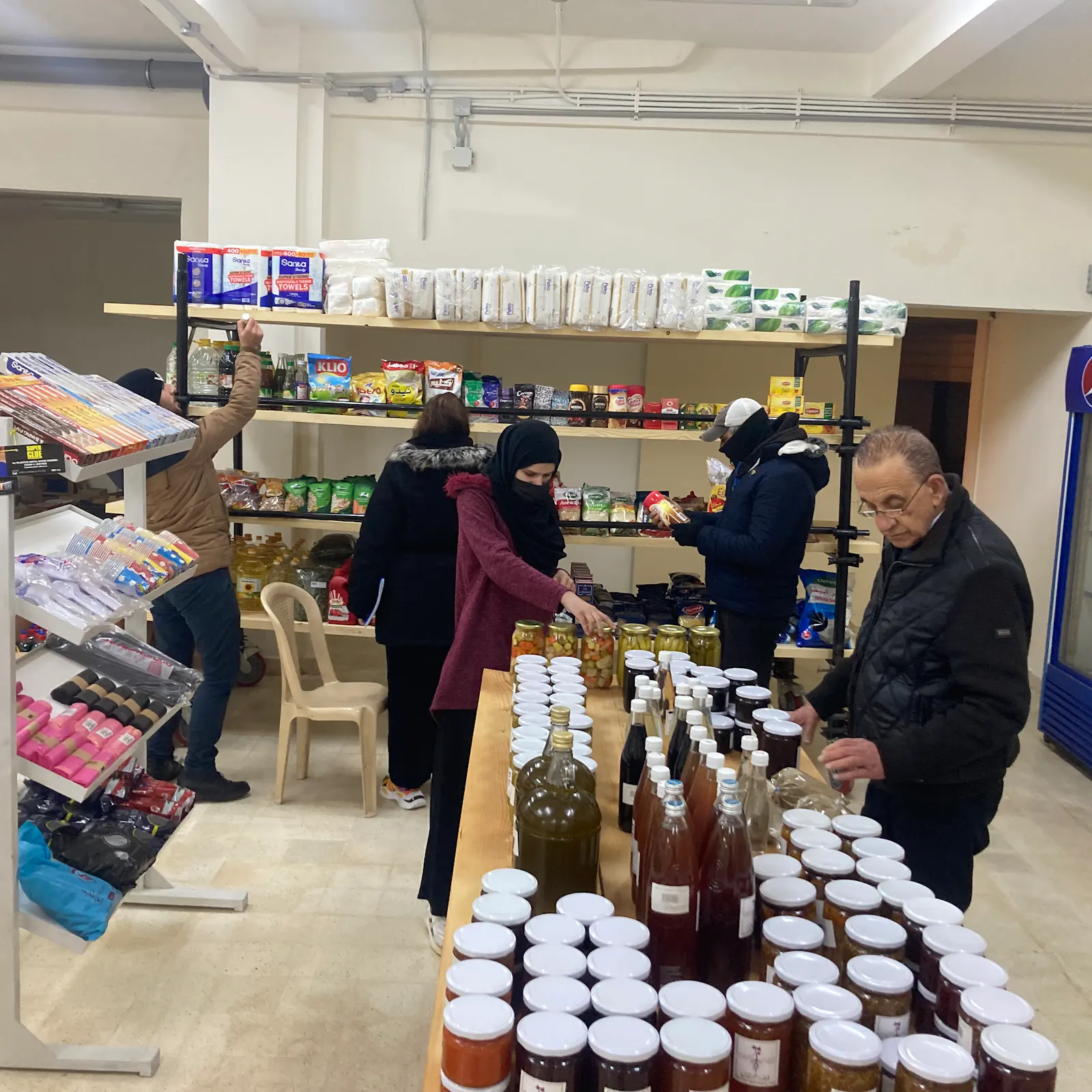
What can the social and solidarity economy do for recovery?
These are uncertain times. Inflation has returned. A post-COVID recovery is under threat. These problems will need innovative solutions.
One option attracting attention is the social and solidarity economy, which will be the subject of a discussion at this year’s International Labour Conference.
The Social and Solidarity economy is sometimes described as a third sector; neither private or publ

The Serious Business of Happiness at Work
Does it matter if people are happy at work? Or should they just be satisfied with reasonable pay and conditions and not expect more? It’s well-established that happiness is linked to better health and longevity, but an increasing amount of scientific research has found ties with work-related matters like productivity, innovation and staff retention. So, should employers pay attention to staff hap
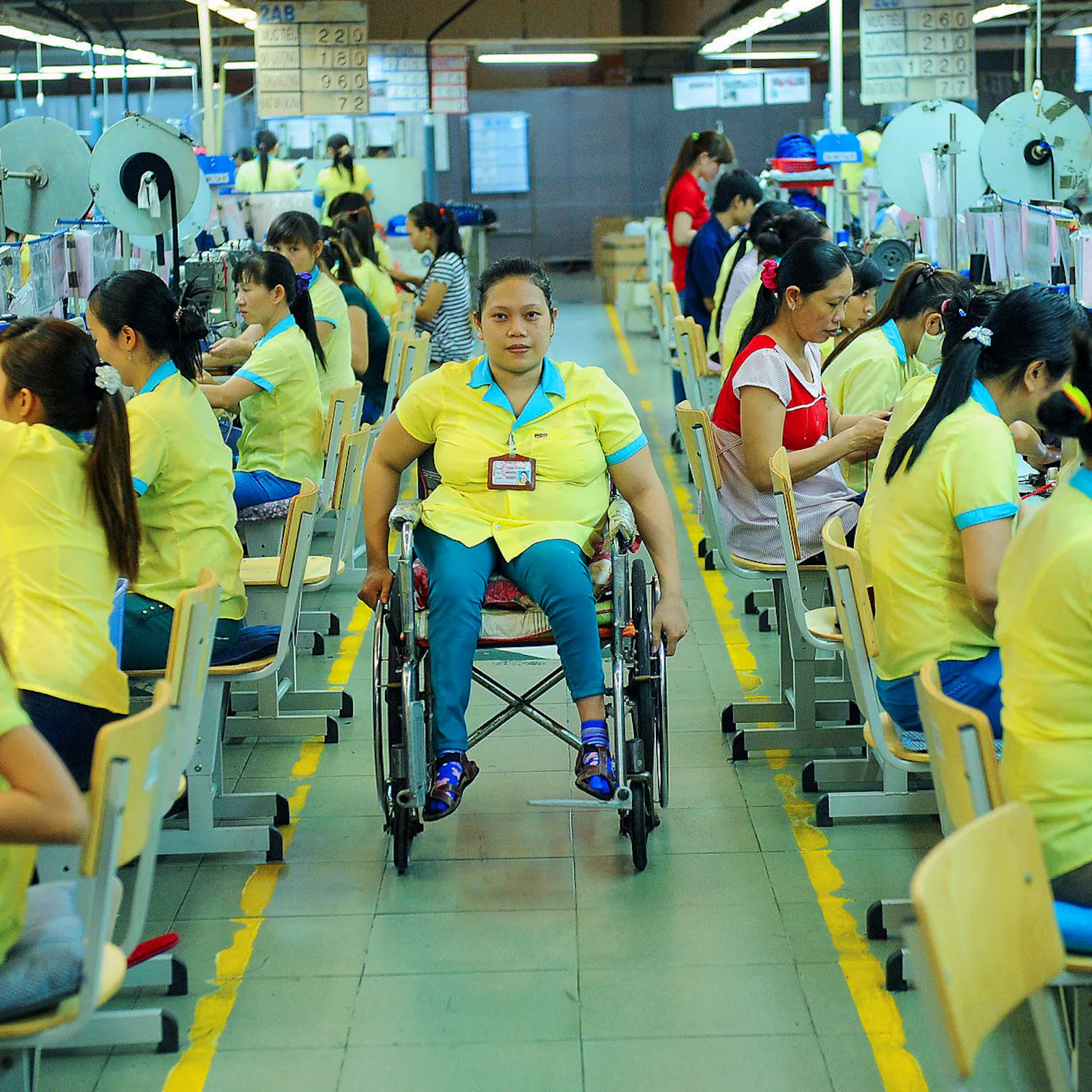
Can you really afford not to invest in diversity and inclusion?
Each year, discrimination at work around gender identity, ethnicity, disability, race, religion or sexual orientation cost millions of dollars to our national economies and companies. Worse, one-in-four people do not feel valued at work and those who do feel included are in more senior roles, according to a new report on diversity and inclusion by the International Labour Organization (ILO).
Toda