ICRC Humanitarian Law and Policy Blog
The ICRC Humanitarian Law and Policy Blog podcast features timely analysis and debate on international humanitarian law (IHL) issues and the policies that shape humanitarian action. Produced by the International Committee of the Red Cross, it offers expert insights into the legal frameworks governing armed conflict and humanitarian response. Episodes cover topics such as the protection of civilians, the conduct of hostilities, and the challenges of implementing IHL in contemporary conflicts. The podcast aims to inform and engage policymakers, practitioners, and the public on critical humanitarian law and policy matters.
Folgen
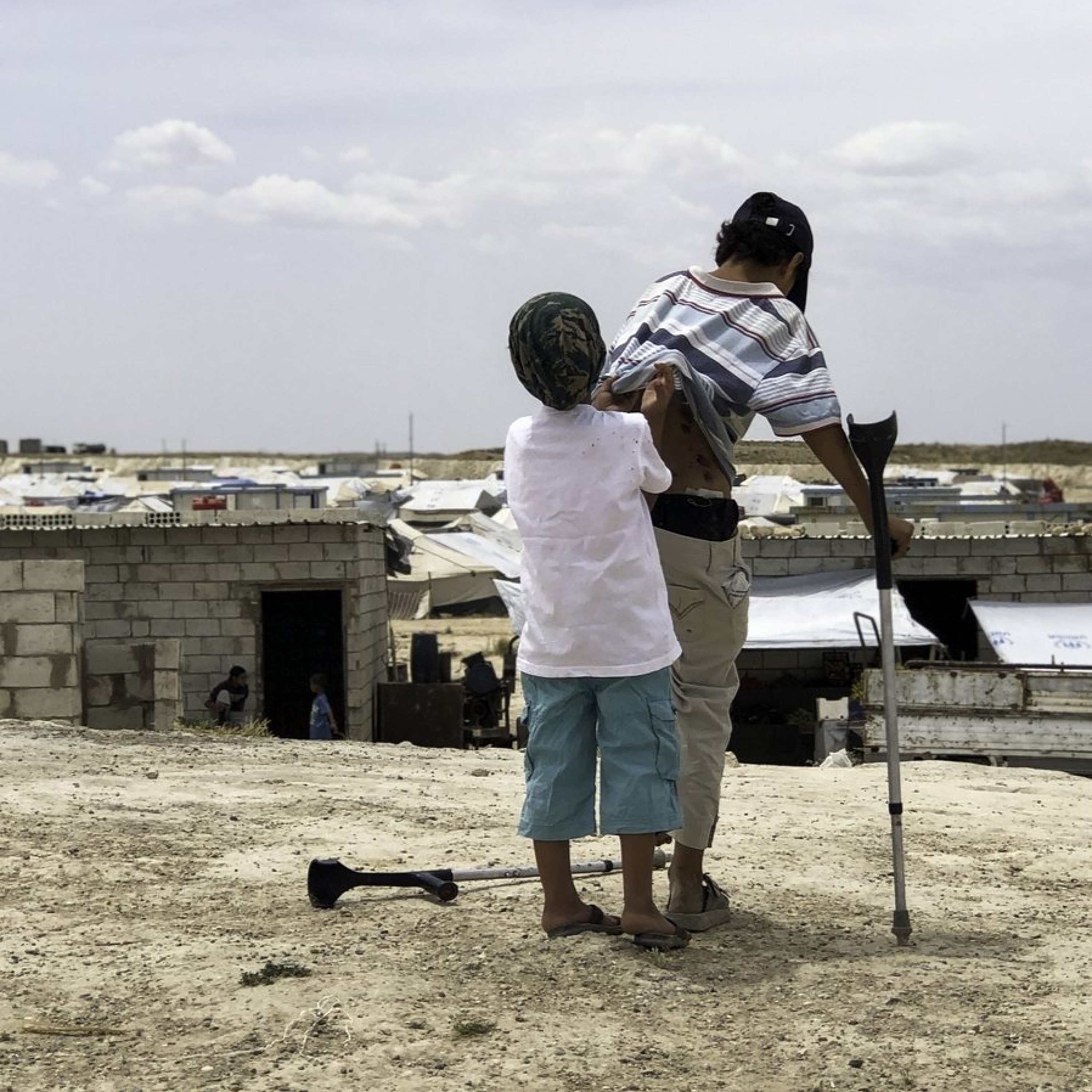
Yesterday’s children: now is the time to repatriate the children – and the young people who have “aged out” of childhood – in the camps and prisons of north-east Syria and Iraq
Several years after the Islamic State group lost its last territory in March 2019, tens of thousands of Syrians, Iraqis, and third-country nationals from around 60 countries – including many children – remained in camps and prisons in north-east Syria and Iraq. In early 2026, almost 6,000 detainees were transferred to Iraq, among them children who were caught up in a war they did not choose. Repat

AI will not set its own limits in warfare. States must.
Artificial intelligence (AI) is being developed at extraordinary speed, prompting warnings from within the technology industry itself that advances may be outpacing our ability to understand and control its risks. Nowhere are the stakes higher than in armed conflict. As militaries increasingly explore the integration of AI into weapons and military decision-making, technological capability can eas

Influencer, gamer, soldier, spy: the online era of child recruitment and its implications in international law (Part II)
As social media and gaming platforms create new interfaces between tech-savvy children and armed actors, new questions should be asked regarding how the law prohibiting child recruitment and use in hostilities can be promoted and enforced online.
In this two-part post, ICRC Advisers Vanessa Murphy, Siobhan Sparkes McNamara, and Tilman Rodenhäuser consider how the digital environment is transformi

Influencer, gamer, soldier, spy: the online era of child recruitment and its implications in international law (Part I)
As social media and gaming platforms create new interfaces between tech-savvy children and armed actors, new questions should be asked regarding how the law prohibiting child recruitment and use in hostilities can be promoted and enforced online.
In this two-part post, ICRC Advisers Vanessa Murphy, Siobhan Sparkes McNamara, and Tilman Rodenhäuser consider how the digital environment is transformi

Terrorist, war criminal, or both? Towards dual prosecutions of war crimes and terrorist offences
A leading media figure and foreign fighter of a notorious group designated as terrorist was sentenced to life imprisonment for “conspiracy to provide material support to a foreign terrorist organization, resulting in death”. Although outwardly appearing to quench the thirst of esteemed Lady Justice, the criminal charge reveals only part of the picture: in addition to having provided material suppo
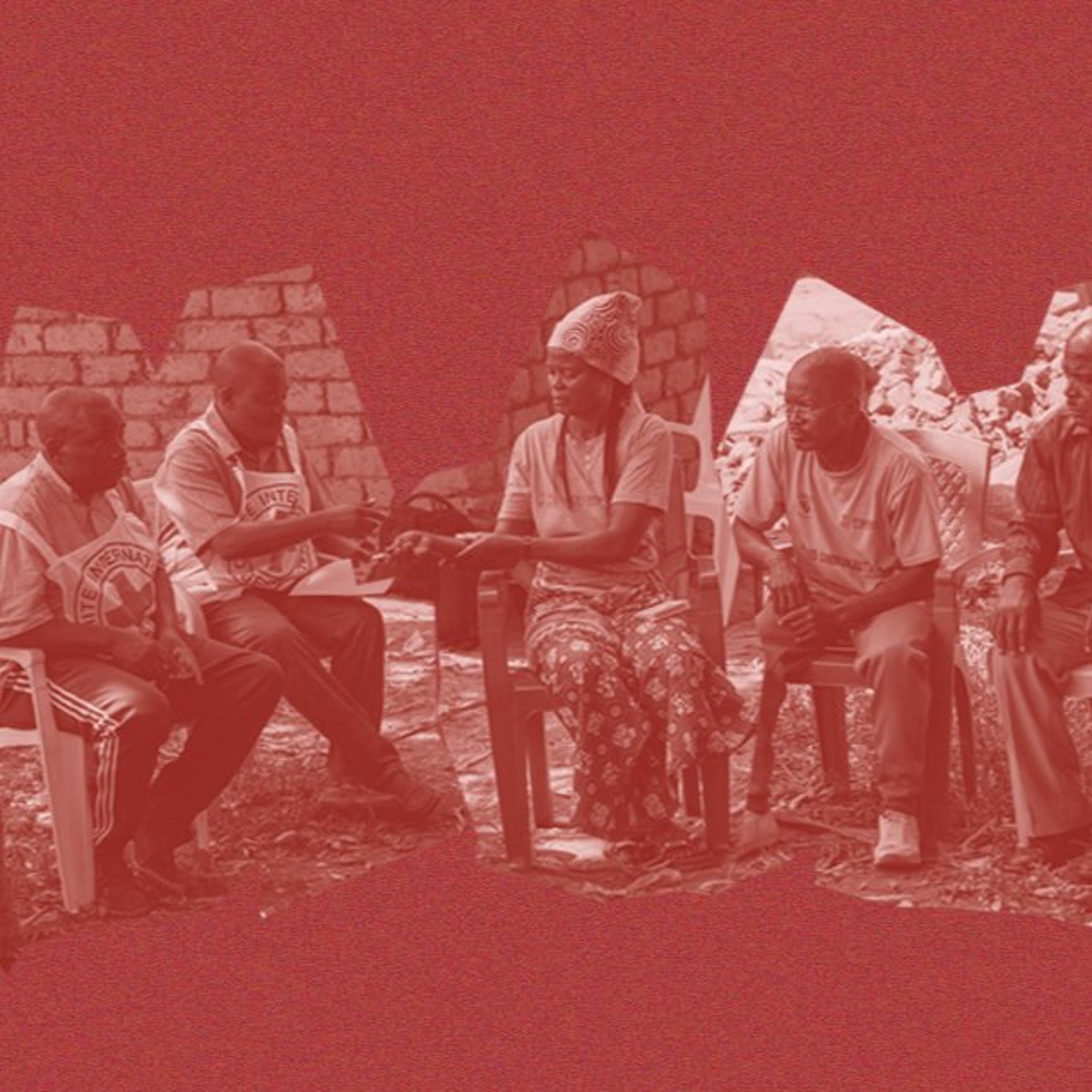
“Aid must be sustainable”: communities affected by conflict share what they want from humanitarians
The humanitarian landscape is being reshaped by converging trends, including the rapid adoption of new technologies in warfare, growing restrictions on how and where humanitarians can operate, impacts of the climate crisis and steep reductions in funding.
How are these trends shaping the needs of communities? What should communities realistically expect from humanitarians making difficult trade
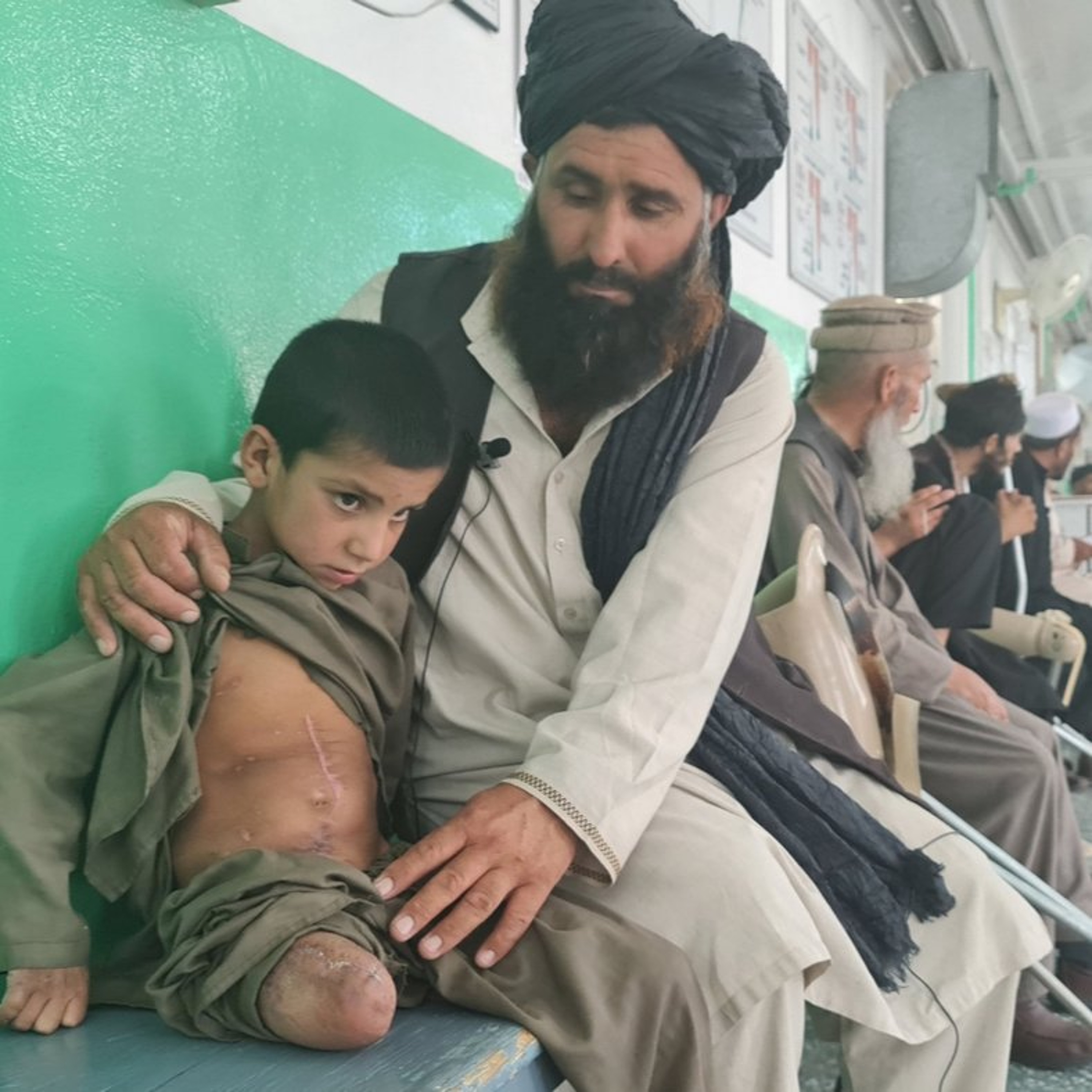
The humanitarian case for universalizing the Convention on Cluster Munitions
Cluster munitions cause harm both at the moment of attack and long after fighting has ended. By scattering submunitions across wide areas, often with high failure rates, they expose civilians to immediate danger while leaving behind unexploded ordnance that can kill and injure for decades. For survivors, the consequences can last a lifetime, extending beyond the initial injury to affect physical a

Before the fighting begins: IHL and the location of military objectives
International humanitarian law (IHL) is primarily associated with the conduct of hostilities and the protection of people during armed conflict. Yet some of the decisions that determine civilian risk in a future conflict are made long before fighting begins, including where states choose to locate military infrastructure. This raises an important question: what role does IHL play in peacetime deci
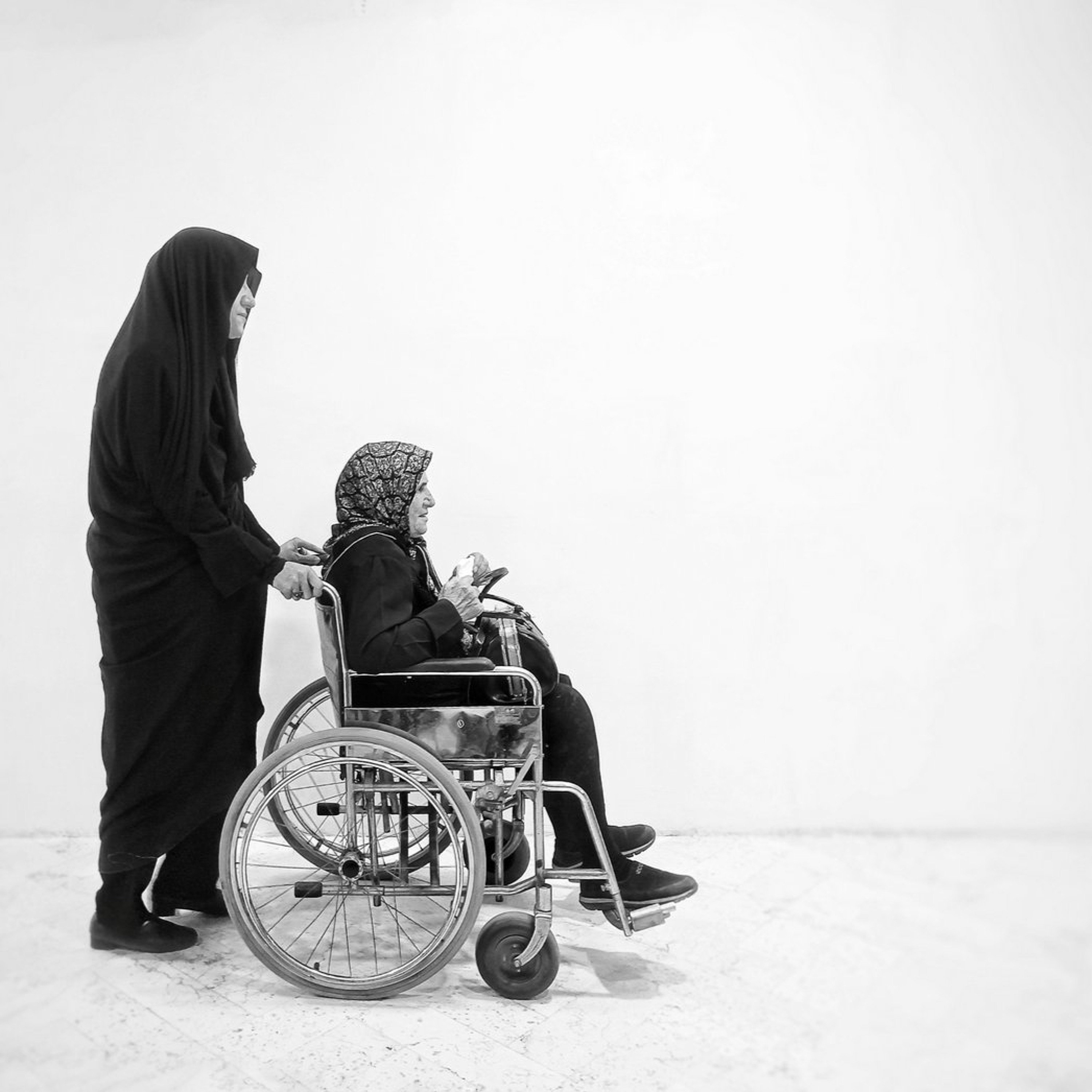
Civilian protection has a dependency-chain problem
Civilian protection is often assessed by whether a person has been warned, evacuated, registered, sheltered or reached with relief. For many persons with disabilities, each measure depends on a wider chain: support persons, assistive devices, accessible communication, transport, medication, electricity, rehabilitation and local services. This post introduces the dependency-chain test and links it

The machines must not choose who dies: a humanitarian case for disarming AI
As states race to develop autonomous weapons systems, the effort to agree binding international rules on machine decisions over life and death has reached a critical moment.
In this post, Eberechukwu Owuamanam, Jesuit scholastic and humanitarian practitioner, argues that Pope Leo XIV's call to “disarm” artificial intelligence should be taken literally when it comes to such weapons. Writing from a
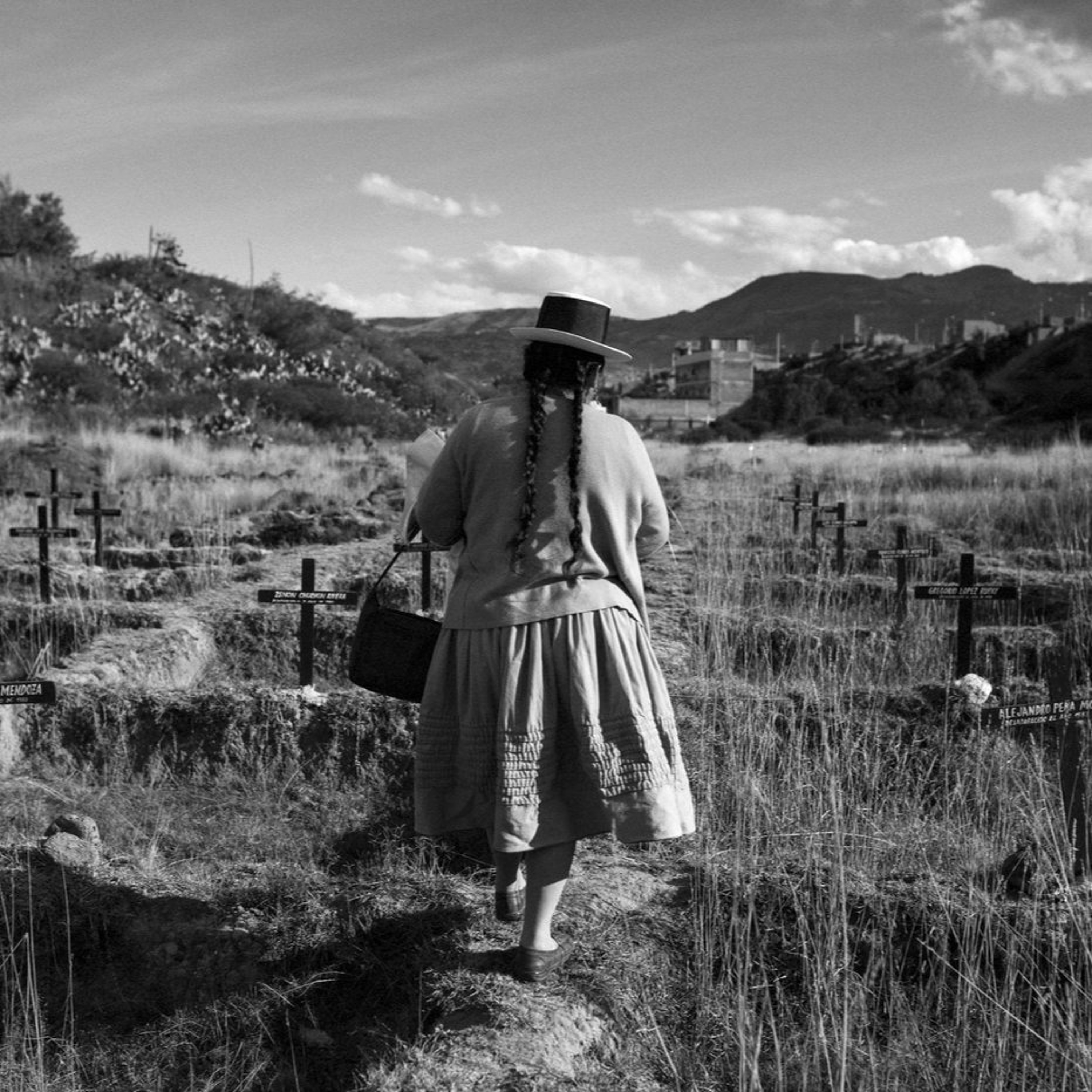
Memorializing IHL violations in the age of AI: opportunities and risks for transitional justice
Memorialization, one of the five pillars of transitional justice, plays a vital role in preserving the memory of international humanitarian law (IHL) violations and gross human rights violations, supporting accountability, and preventing recurrence. Building an accurate and inclusive collective memory of past atrocities is a resource-intensive process, fraught with challenges ranging from limited

“A number that learned how not to scream”: the case for community-led metrics on protection
The international humanitarian system has built a sophisticated architecture for the protection of civilians, namely political resolutions, cluster coordination mechanisms, reporting frameworks, and accountability tools. Yet when conflict-affected people are asked directly whether they feel protected, or whether they trust the actors claiming to protect them, the answer is frequently at odds with

Amplifying Pacific voices: the region’s crucial role in advancing IHL
Pacific Island states have long demonstrated leadership in promoting peace, disarmament, and humanitarian values. From traditional customs that reflect principles contained in contemporary international humanitarian law (IHL), to global advocacy for nuclear disarmament and environmental protections during armed conflict, the region is uniquely equipped to contribute to discussions on advancing IHL

The shelter that shone in the distance | Written and Performed by Mamuch Bey
For the world's more than 120 million forcibly displaced people, the idea of refuge is not an abstraction – it is a horizon, an act of imagination, and sometimes the only thing that keeps hope alive. Yet as displacement becomes more protracted, more politicized, and more invisible to public attention, the language of solidarity risks being hollowed out. World Refugee Day, marked each year on 20 Ju
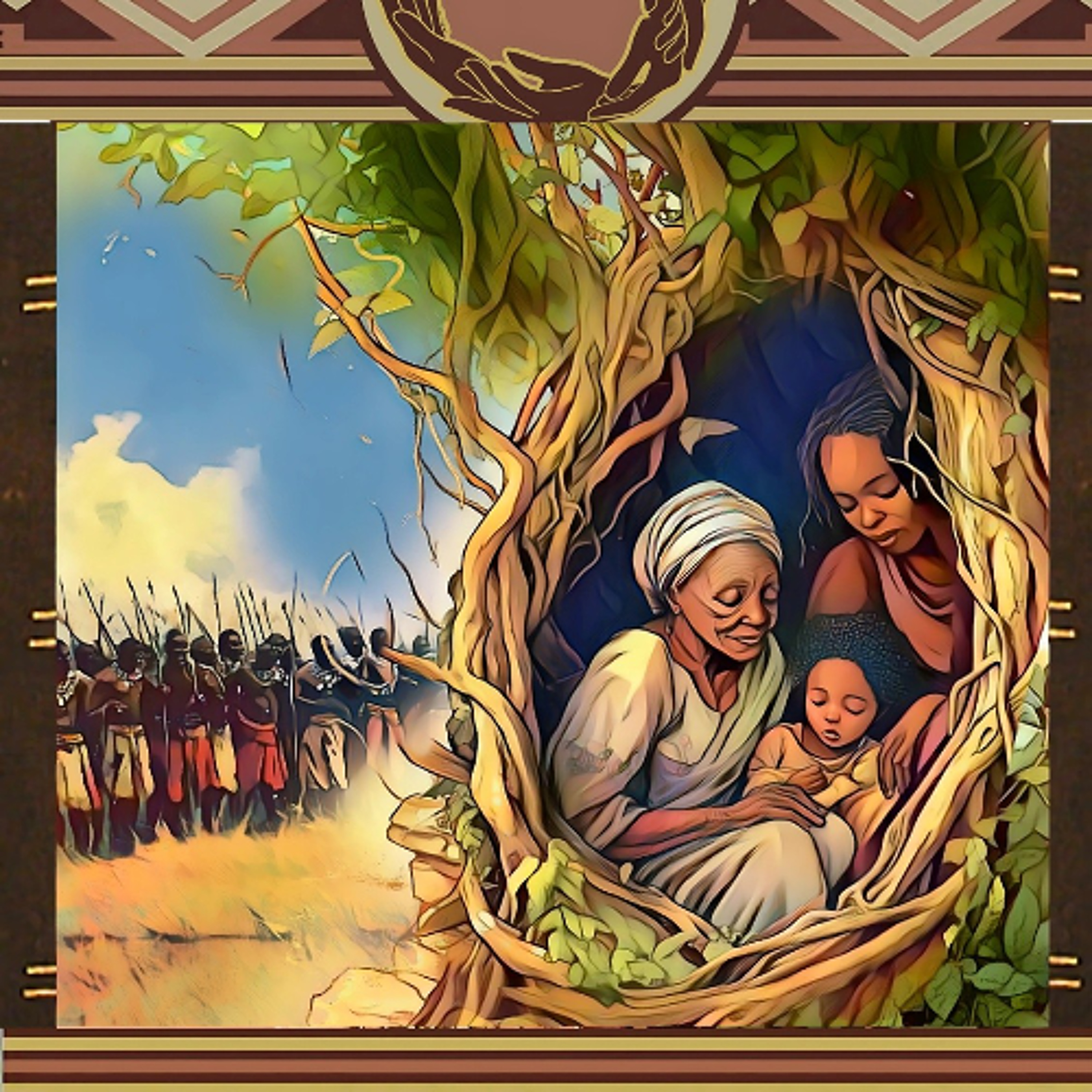
African traditions and the protection of children in armed conflict
Across Africa, norms regulating the conduct of hostilities long predate the codification of modern international humanitarian law (IHL). The ICRC Tool on African traditions and the preservation of humanity in warfare highlights how many African societies developed rules limiting violence, protecting civilians, and preserving human dignity during conflict. These traditions resonate strongly with co
We helped individuals while harming persons: what conflict-affected communities deserve beyond beneficiary status
Conflict and displacement do more than destroy homes, livelihoods, and infrastructure. They also fracture the social relationships through which people sustain dignity, identity, and collective life. Yet humanitarian responses often focus primarily on individuals as beneficiaries, measured through categories of vulnerability, targeting, and service delivery. In many conflict settings, this approac
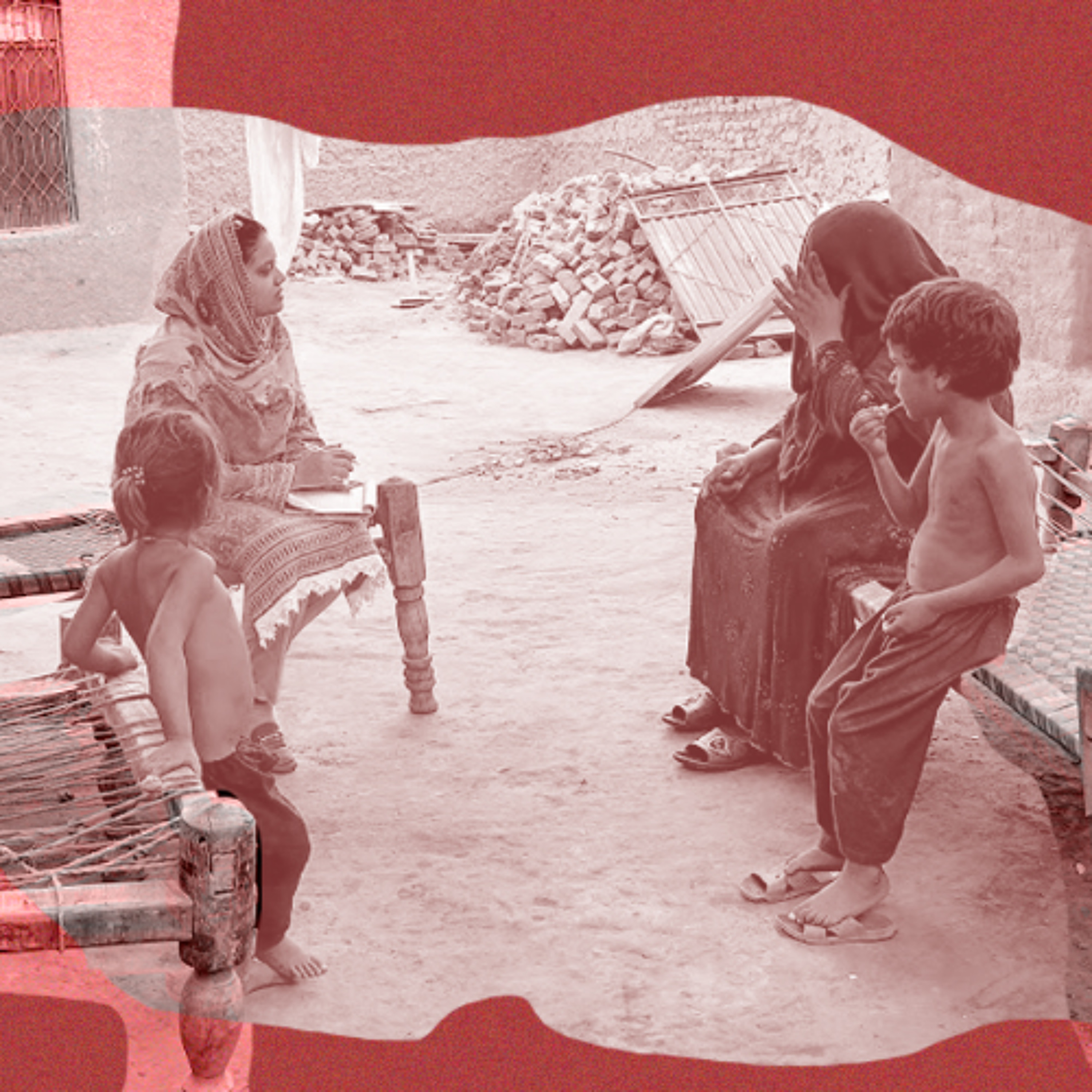
Climate resilience is not optional: what people in fragile, urban settings should expect from WASH
Climate change is intensifying water insecurity in fragile urban settings, where ageing infrastructure, rapid urbanization, and inequality already strain access to essential services. In Peshawar, Pakistan, a city hosting generations of Afghan refugees and facing growing water scarcity, climate pressures have reduced river flow, damaged infrastructure for water, sanitation and hygiene (WASH), and

Life teaches before school does: the invisible curriculum of the super child
Refugee education is often framed in terms of access, infrastructure, and policy – but for children who grow up inside camps, meaningful learning begins long before they enter a classroom. It unfolds in everyday camp life: in caregiving roles, improvised survival strategies, and the small responsibilities that accelerate emotional maturity and practical skill. Imagination, resilience, and daily co
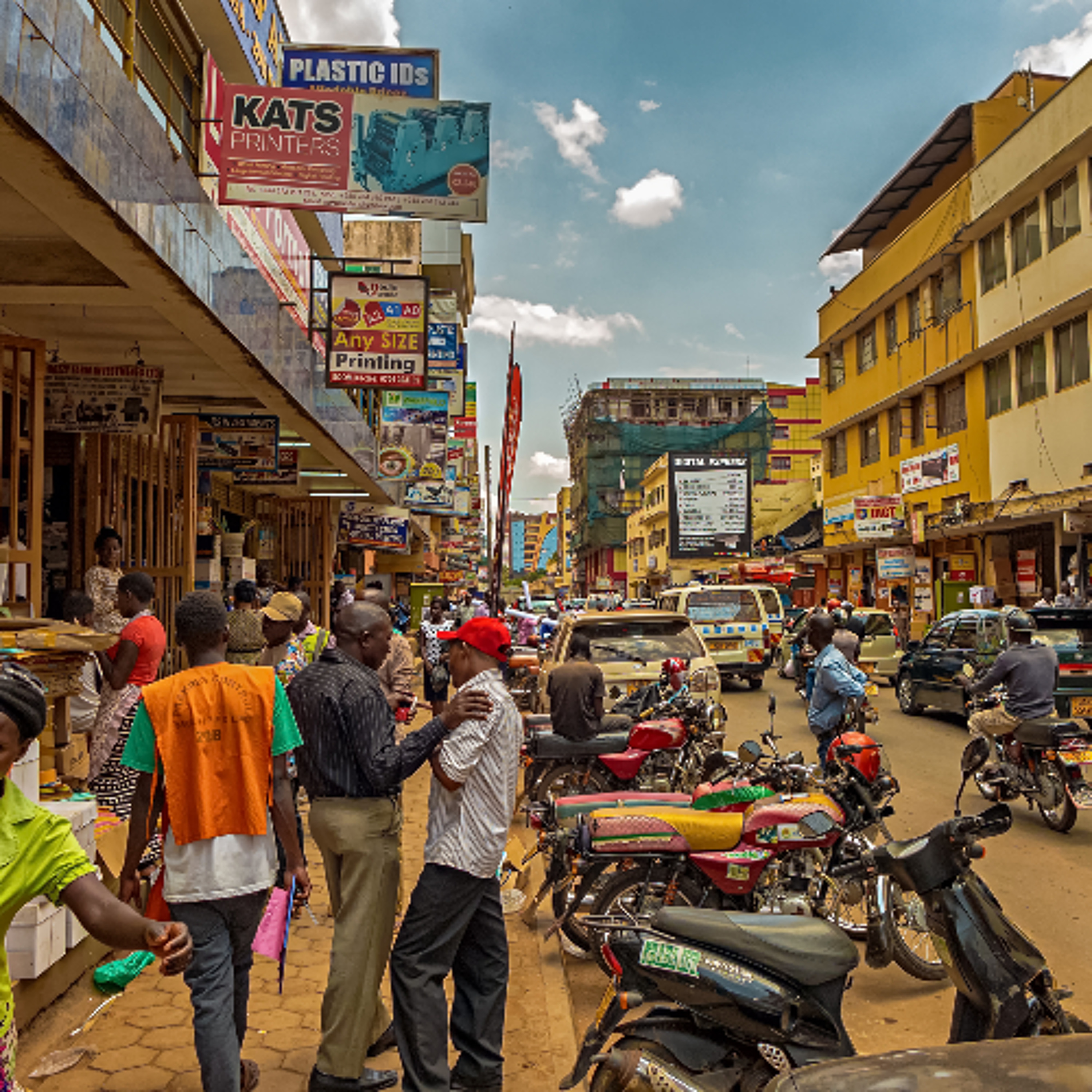
Why Africa should act now on explosive weapons in populated areas: Malawi’s case for action
Across contemporary armed conflicts, the use of explosive weapons in populated areas (EWIPA) has emerged as one of the gravest threats to civilians. Urban centres are increasingly sites of hostilities, where the use of explosive weapons with wide-area effects causes devastating and often predictable harm. In Africa, where rapid urbanization intersects with persistent insecurity in several regions,
Collaboration without over-reliance: the role of industry in making military AI "lawful by design"
In the policy debate on artificial intelligence (AI) in the military domain, there is a growing consensus that international humanitarian law (IHL) must be a central consideration in the design of military AI systems. The imperative to make military AI systems “lawful by design” has, naturally, led to a sharper focus on the role of industry. But what this means in practical terms for AI suppliers
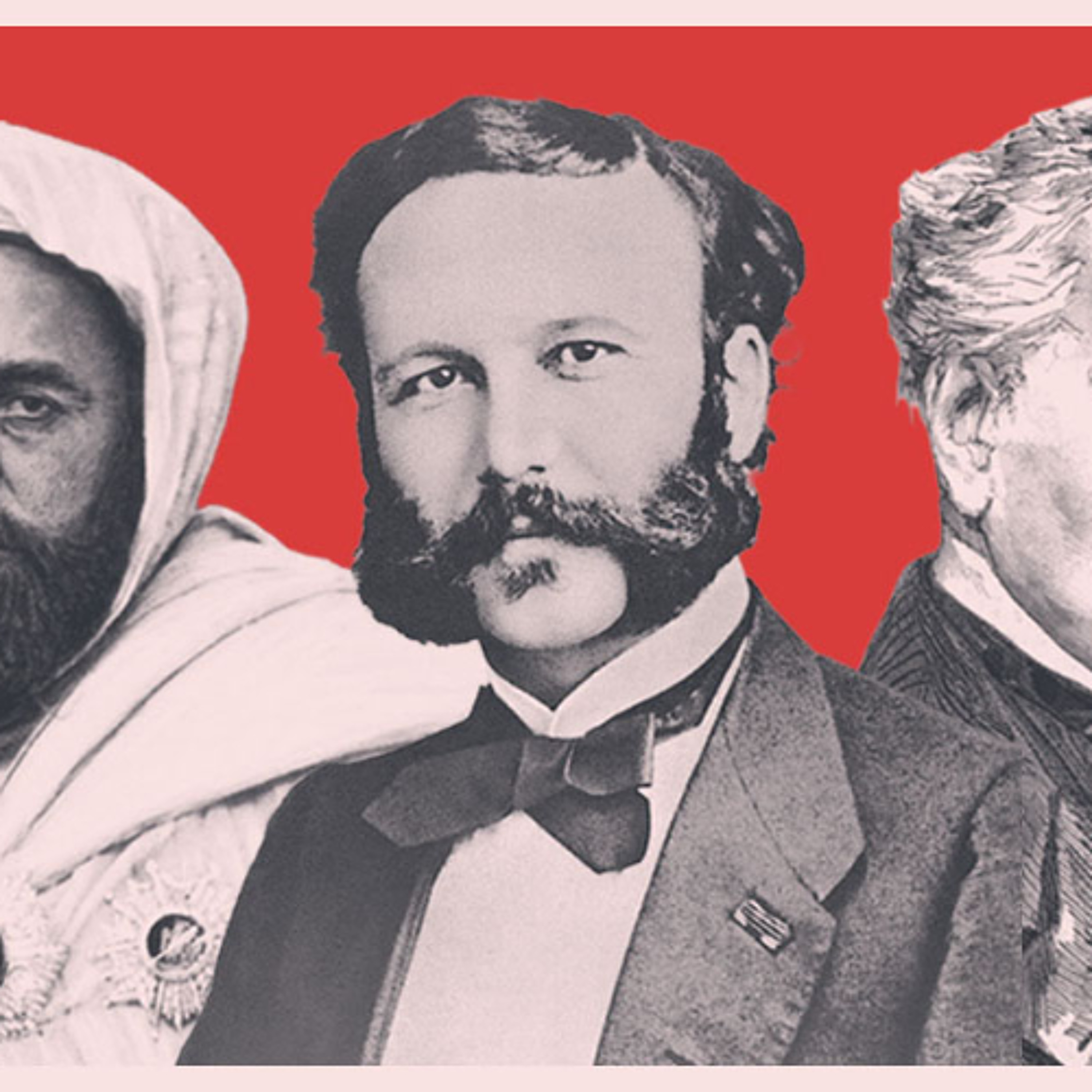
Three lives, one vision: how Dunant, Demidoff and Abdelkader shaped modern humanitarianism
The brutal effects of war have long prompted efforts to limit suffering and preserve humanity in times of conflict. Across cultures, religions, and legal traditions, people have sought to restrain violence and preserve a measure of humanity in conflict. Yet the emergence of modern humanitarianism in the nineteenth century marked a turning point: compassion became increasingly organized, codified,

Enforced disappearances: universal responses to a worldwide phenomenon
Enforced disappearances remain an issue of profound seriousness, with lasting consequences for the families of those affected. These realities continue to raise complex legal and practical questions in criminal and human rights law at national, regional, and international levels. This issue remains a priority for UN treaty bodies, Special Procedures, and the International Committee of the Red Cro
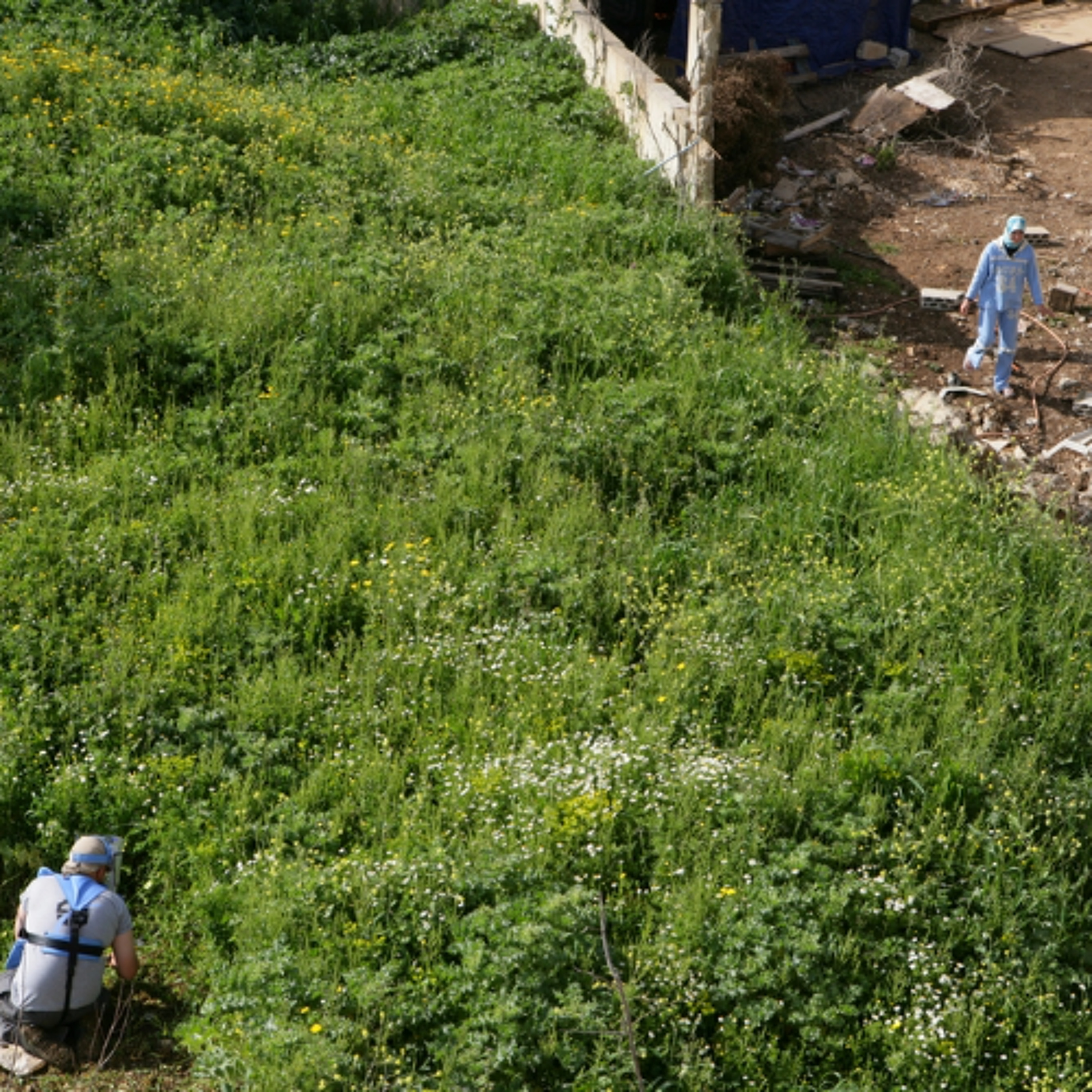
Lebanon's wartime decision to ban anti-personnel mines
Lebanon’s accession last week to the Anti-Personnel Mine Ban Convention (APMBC) comes not in a time of peace, but amid ongoing conflict – precisely when the consequences of inaction are most visible. In communities across the country, particularly in the south, anti-personnel mines are not relics of past wars, but active threats shaping daily life, obstructing return, and undermining recovery. Leb
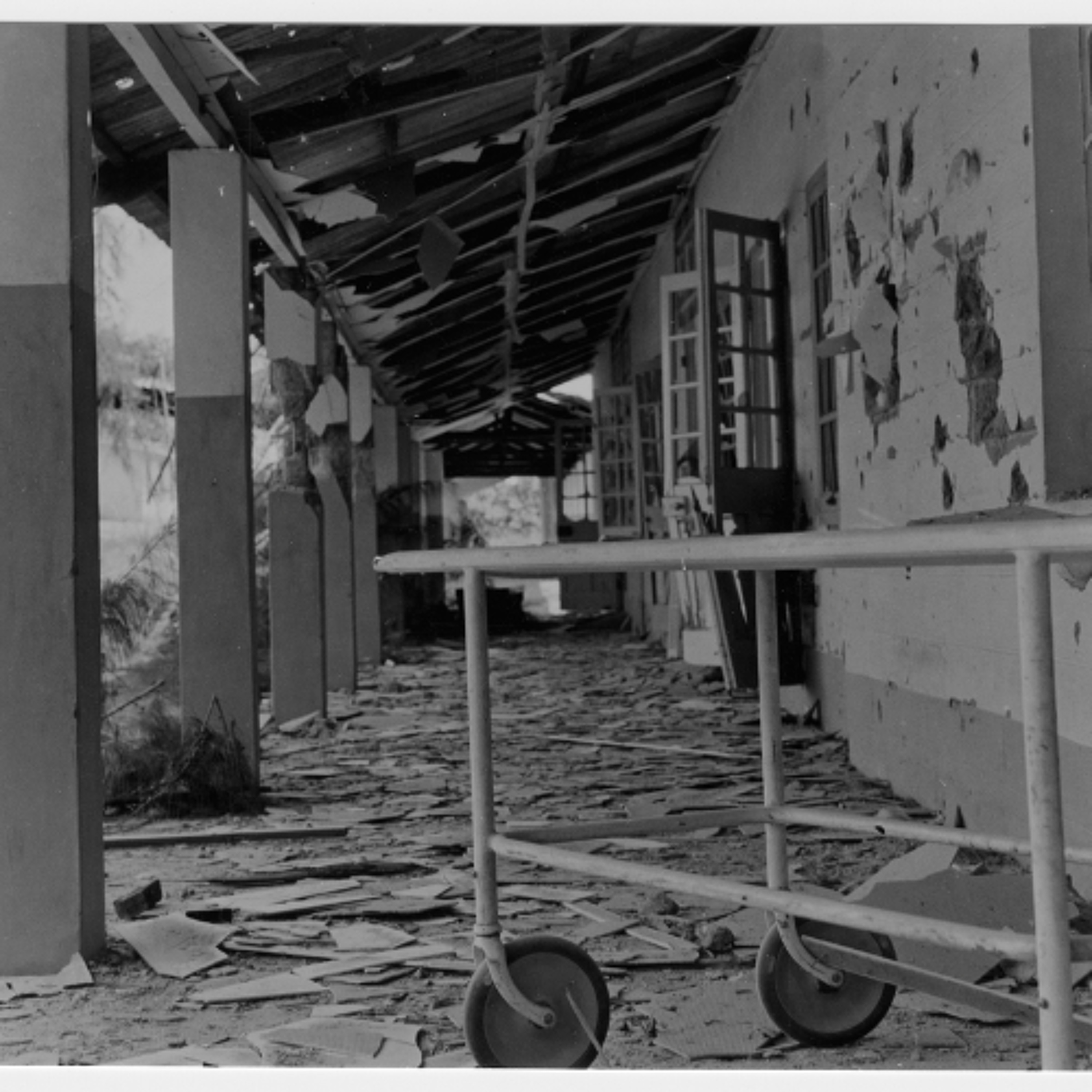
Attacks on the medical mission: identification of issues and good practices
During the last decade, attacks against hospitals have been a hallmark of almost every conflict. What humanitarian medical practitioners have witnessed and denounced for years has become alarmingly routine. International humanitarian law (IHL) is sometimes criticized for failing to protect the very purpose that justified its own existence, particularly when the states responsible for its enforceme
Gender (re)balancing: the updated ICRC Commentary on the Fourth Geneva Convention
International humanitarian law (IHL) has long been critiqued for its gendered fault lines, specifically the marginalization of violence and harm to women and girls during armed conflict, laid bare by the lacunae of protection found in the normative content of the Geneva Conventions. The inadequacy of this normative protection finds a parallel in the Pictet Commentary, whose contours reflect patria
Upholding IHL protections against the risks of ICT activities in armed conflict
Across the world, essential civilian services increasingly depend on information and communication technologies (ICTs). These same technologies are also reshaping the conduct of armed conflict. As warfare becomes more digitalized, a critical question emerges: how can civilians be protected in an interconnected battlespace? Ensuring the faithful implementation of international humanitarian law in r
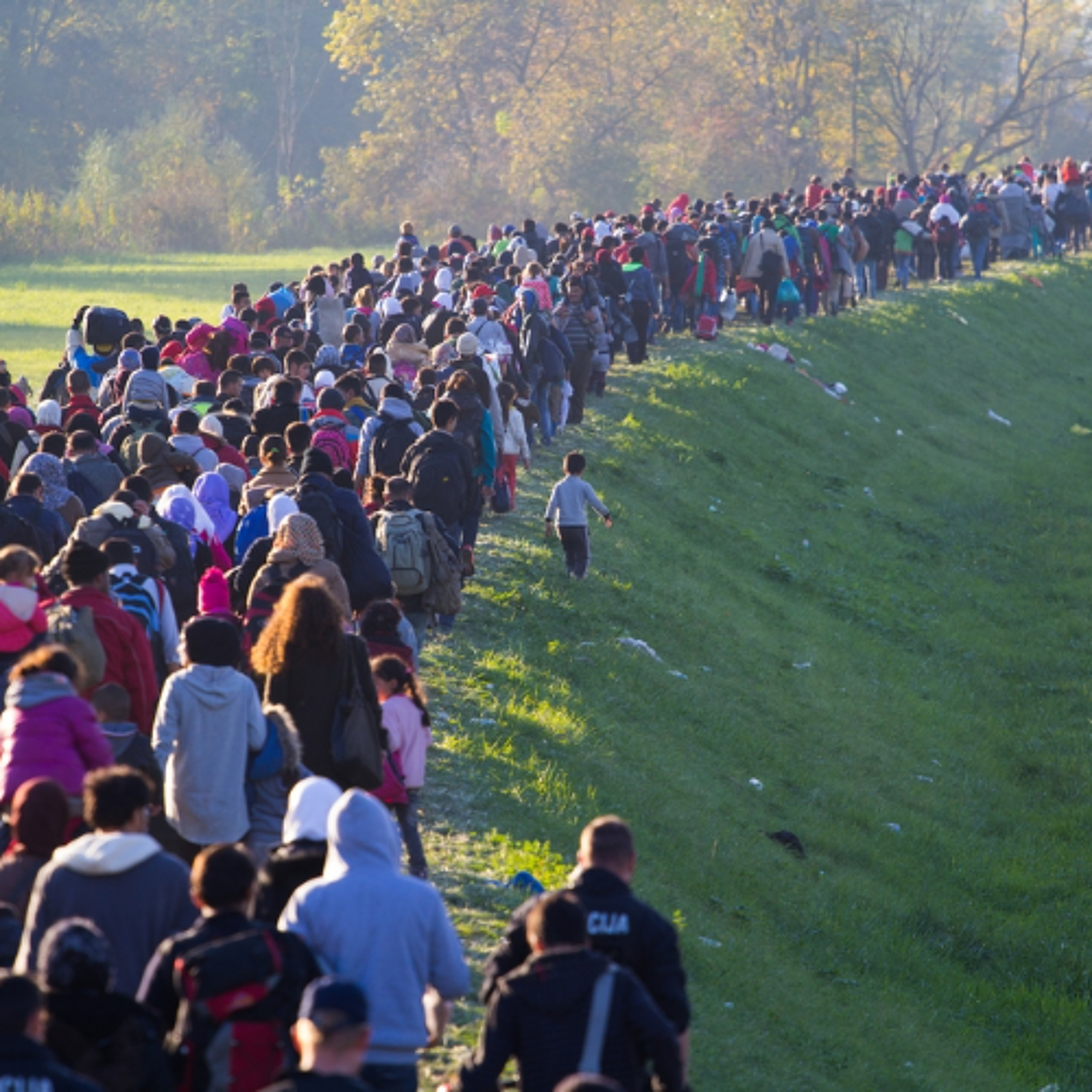
Complying with IHL in large-scale conflicts: movement, mass displacement and family links
By the end of 2024, the Office of the United Nations High Commissioner for Refugees estimated that 123.2 million people worldwide were forcibly displaced as a result of persecution, conflict, violence, human rights violations and events seriously disturbing public order. If a large-scale conflict erupts, the intensity, scale and tempo of military operations will only worsen this trend, impacting n
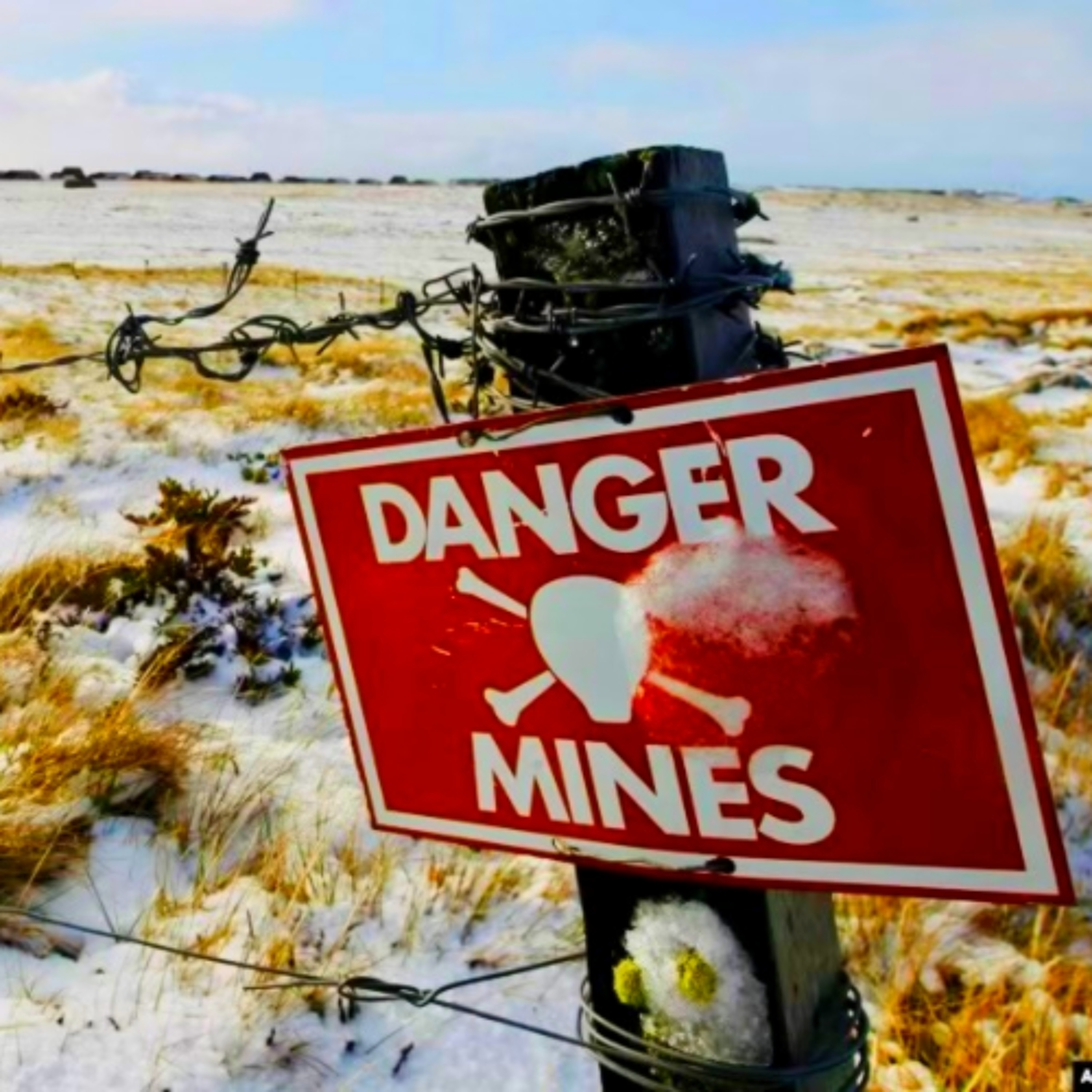
Why Nordic governments must uphold the global ban on anti-personnel mines
As security concerns intensify across Europe following the escalation of the international armed conflict between Russia and Ukraine in 2022, several states – including Finland, Poland, and the Baltic countries – have moved to withdraw from the Anti-Personnel Mine Ban Convention (APMBC), while similar calls have emerged in other Nordic countries. These developments reflect a growing perception tha
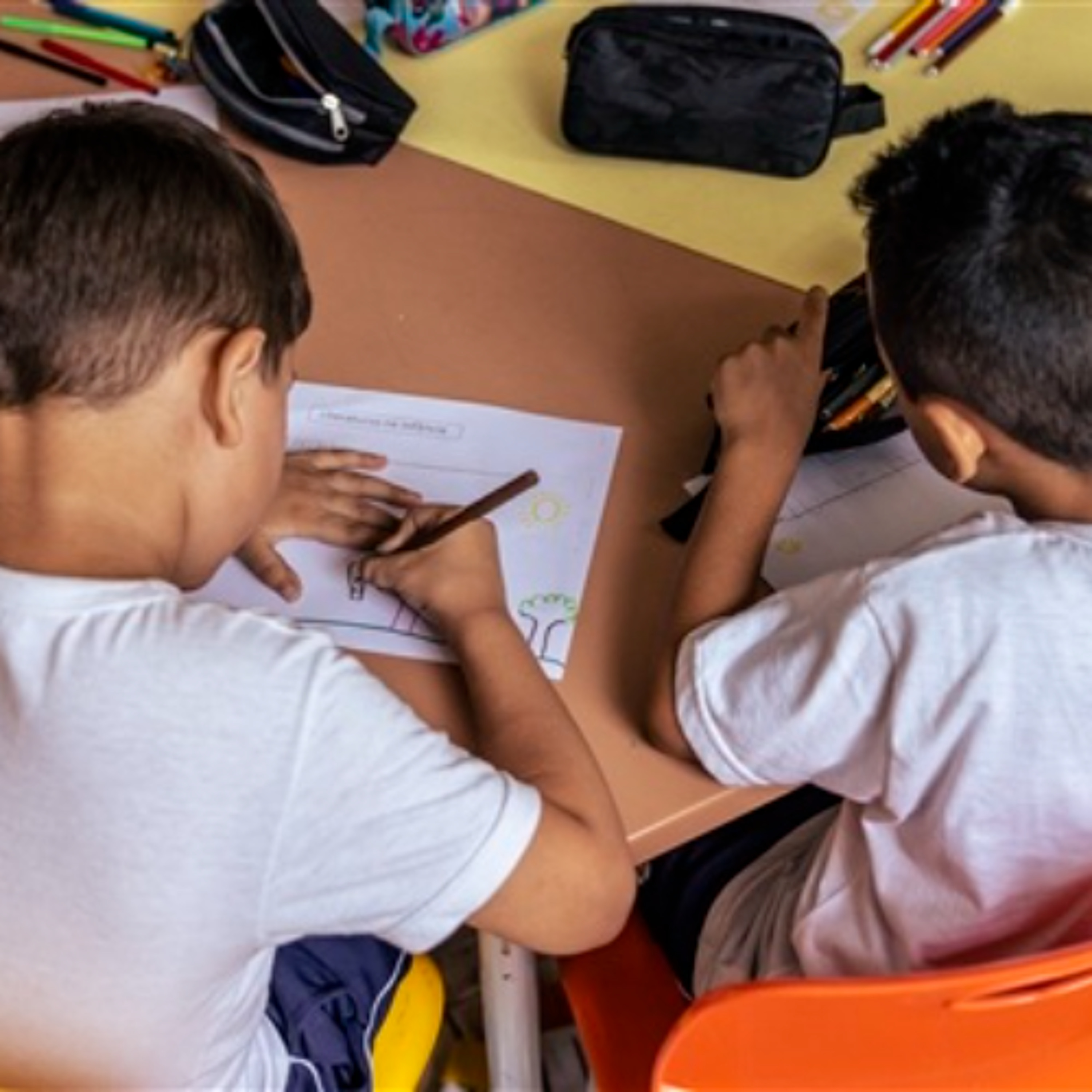
Restoring education after armed conflict: an IHL-guided framework
When armed conflict ends, education does not always return with it. In many post-conflict settings, schools remain closed long after ceasefires, while children stay at home, enter work, remain displaced or navigate unsafe environments. Education systems remain constrained by destroyed infrastructure, militarization, unexploded ordnance, trauma and fear. Although international humanitarian law (IHL
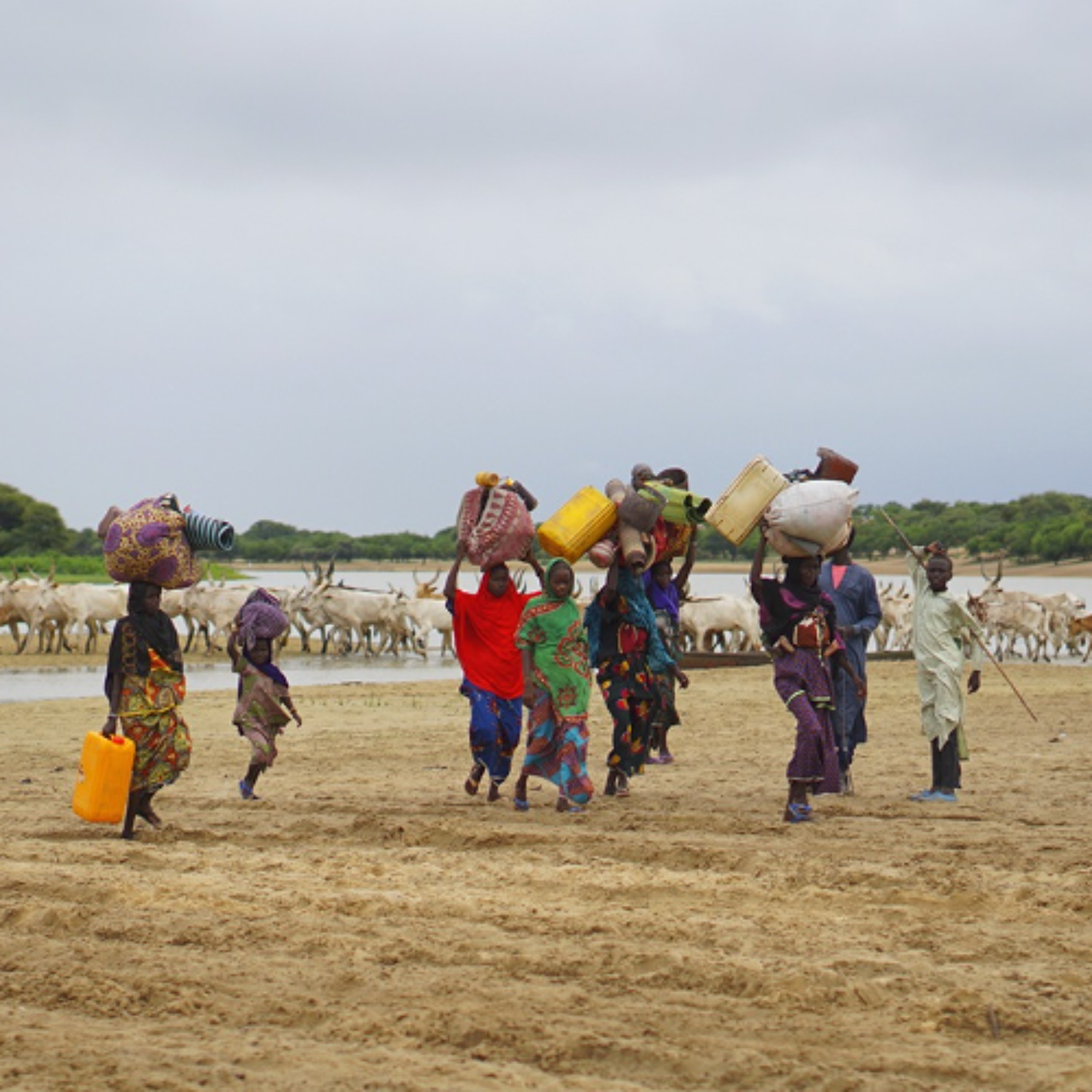
When the perpetrator is the climate
Climate change and armed conflict increasingly intersect in humanitarian settings. While the sector is now alert to climate-related risks – particularly in disaster response, resilience programming, and displacement governance – the ways these risks are interpreted and operationalized vary across institutional mandates and operational contexts. In protection practice within conflict-affected setti

Deciding under algorithms: artificial intelligence and the protection of civilian infrastructure in armed conflict
Artificial intelligence (AI)-based decision-support systems are increasingly embedded upstream of the use of force, shaping how military actors plan attacks, assessing effects, and anticipating harm. In contemporary urban warfare, where civilian infrastructure forms complex and deeply interconnected systems, these tools are increasingly used to guide decisions with far-reaching humanitarian conseq
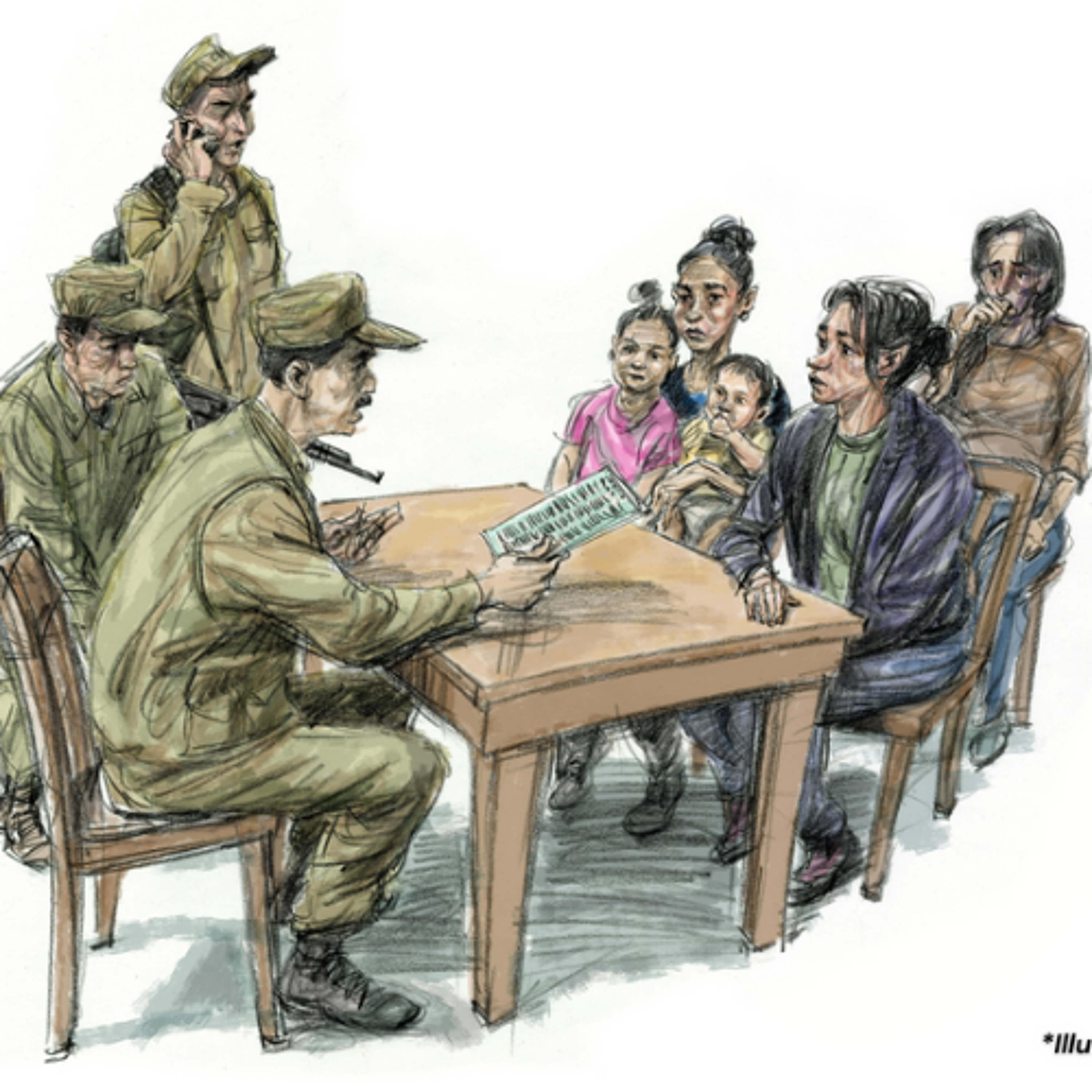
Engaging non-state armed groups on the protection of missing people and their families
The ICRC continues to witness unacceptable levels of suffering when the law designed to protect families, prevent people from going missing, and ensure the dignified and respectful treatment of the dead is disregarded. At the same time, we have also documented countless, daily efforts by parties to armed conflict to prevent family separation, clarify the fate and whereabouts of missing people, and
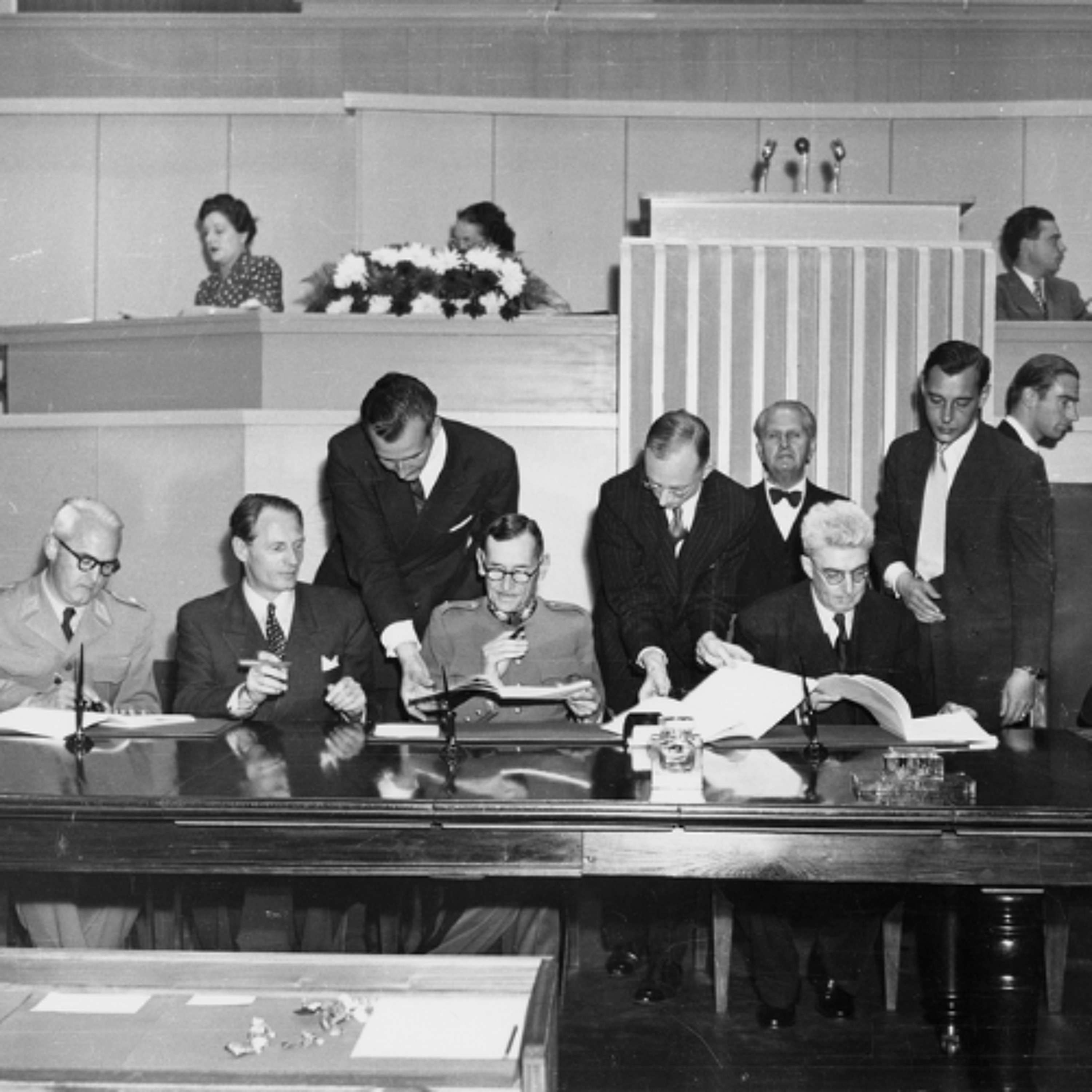
The adoption of the 1949 Geneva Conventions: a humanitarian break and colonial continuity
More than seven decades after their adoption, the four Geneva Conventions of 1949 remain foundational to contemporary international humanitarian law (IHL). Efforts to update their Commentaries testify to both the resilience of the Geneva Conventions and their enduring relevance in modern armed conflicts. Yet the story of their making is inseparable from the longer history of the law of armed confl
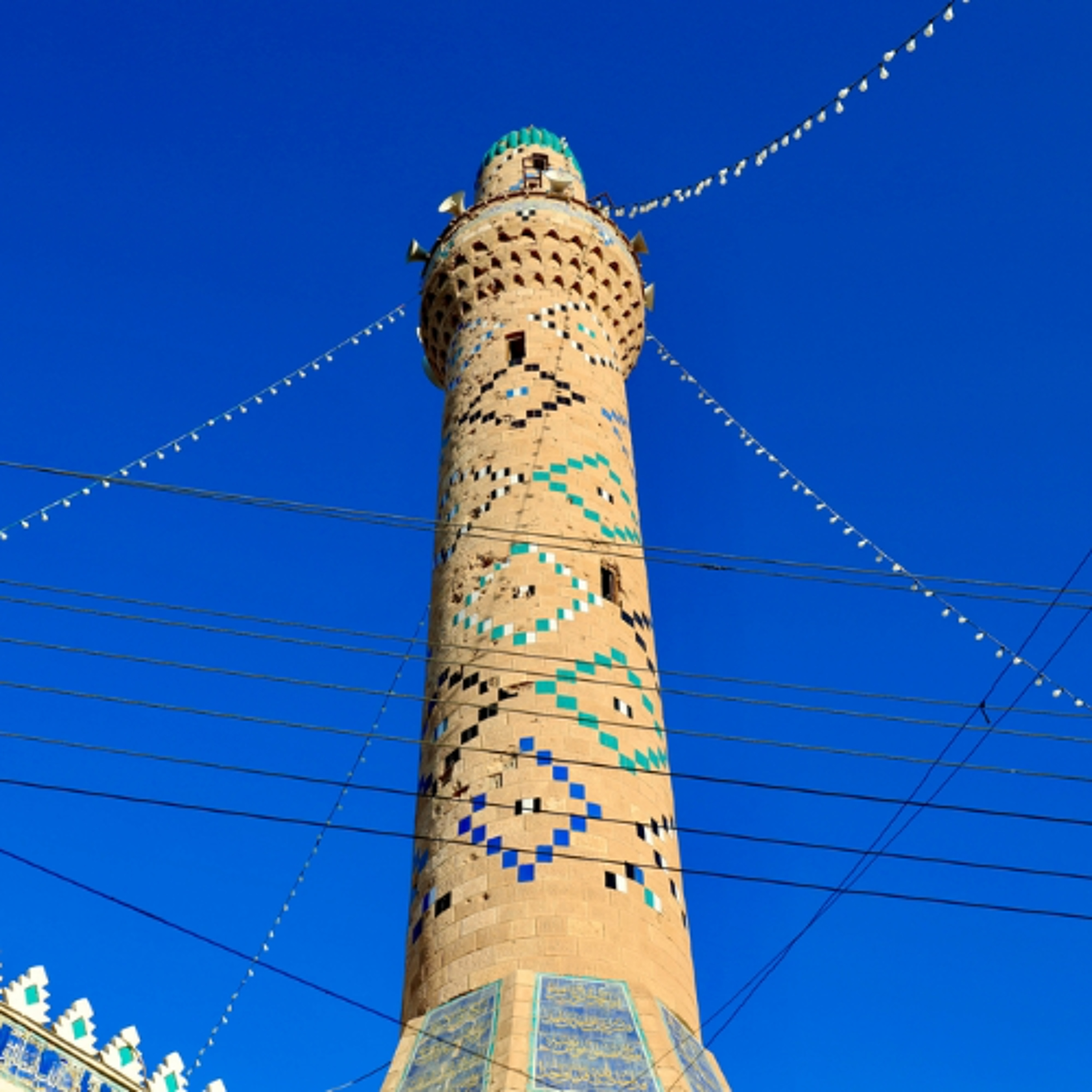
Islamic law and the right to life in armed conflict
Islamic legal traditions and the modern framework of international humanitarian law (IHL) emerged from different contexts and traditions, but they share many underlying values – such as restraint, humanity, and the protection of those not (or no longer) participating in hostilities. Islamic law therefore offers a distinct but complementary perspective to IHL on the sanctity of life (ḥurmat al-nafs
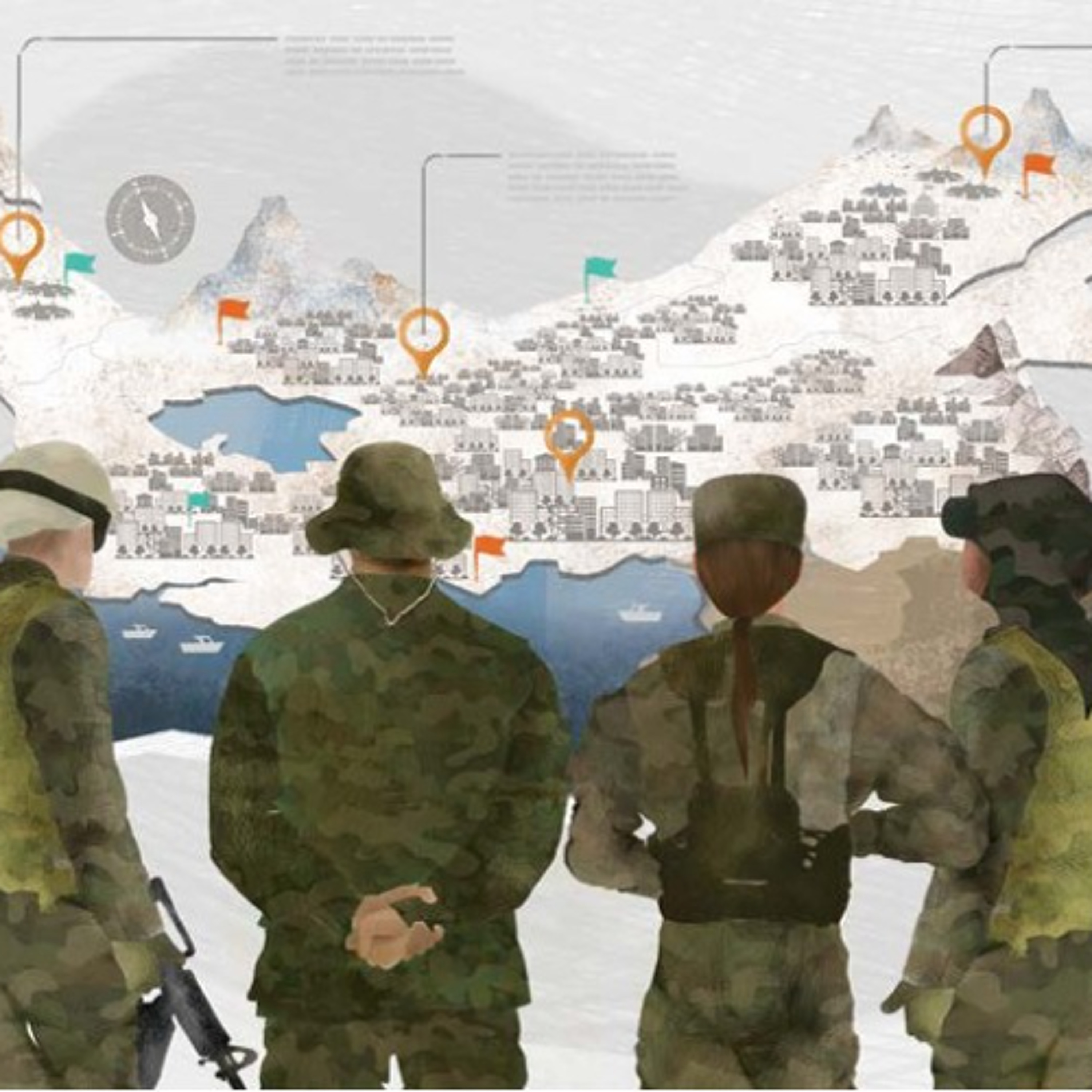
“If it ain’t broke, don’t fix it”: the ICRC’s approach to Common Article 3 in its updated Commentary
The updated ICRC Commentary on the Fourth Geneva Convention (GC IV) includes a number of important updates to its treatment of Common Article 3 (CA3). These relate primarily to three areas: the treatment of coalitions in non-international armed conflict (NIAC); the provision of support by one party to another; and questions of gender and the treatment of other marginalized groups.
In this post –
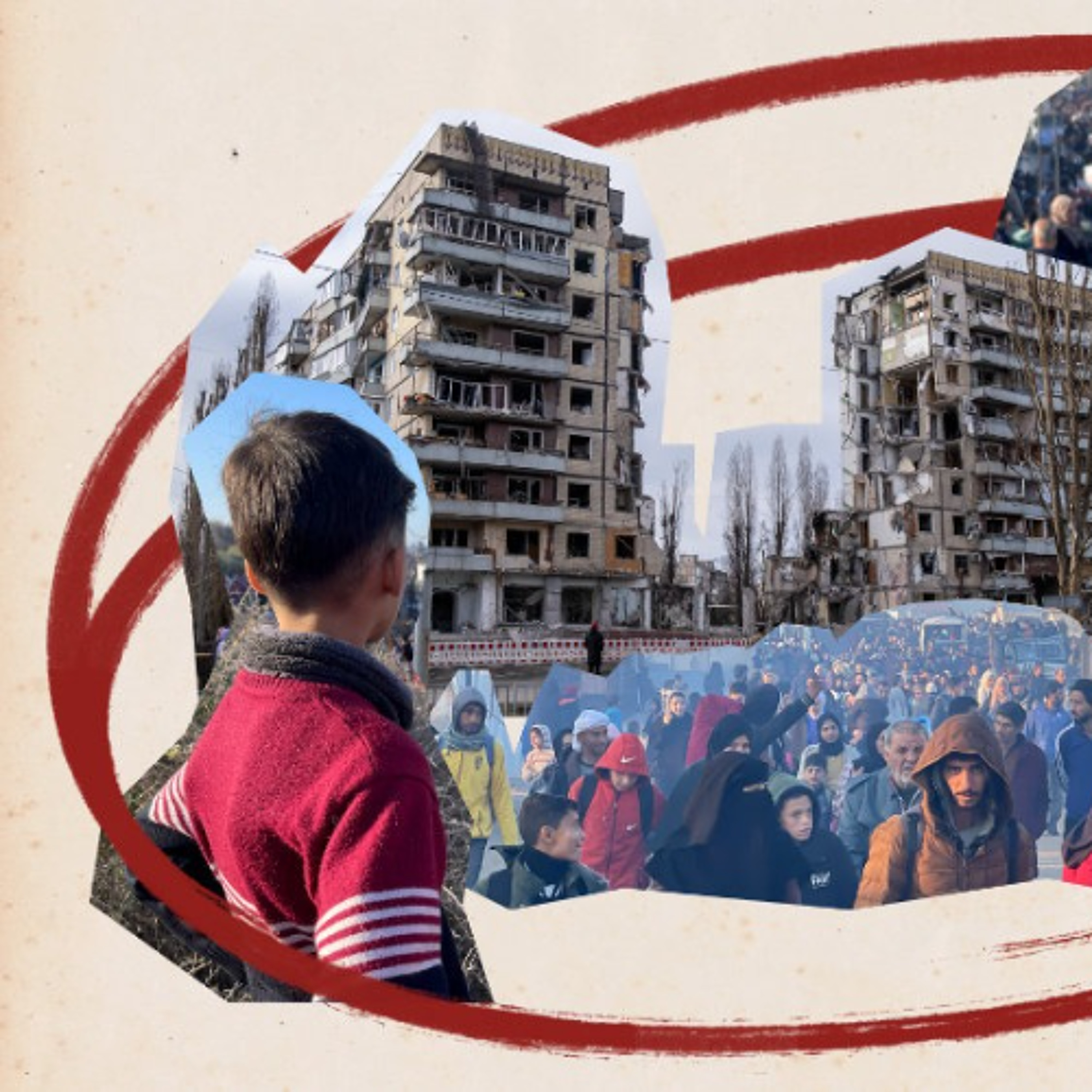
Protecting civilians in good faith a joint symposium on the updated ICRC Commentary on the Fourth Geneva Convention
Following five years of research and consultations, the ICRC published a new, updated Commentary on the Fourth Geneva Convention (GC IV) of 1949 in October 2025. GC IV is the cornerstone of protection for civilians in international armed conflict and occupation – protections that remain urgently relevant amid patterns of urban warfare, strikes on essential services, and persistent harm to people w
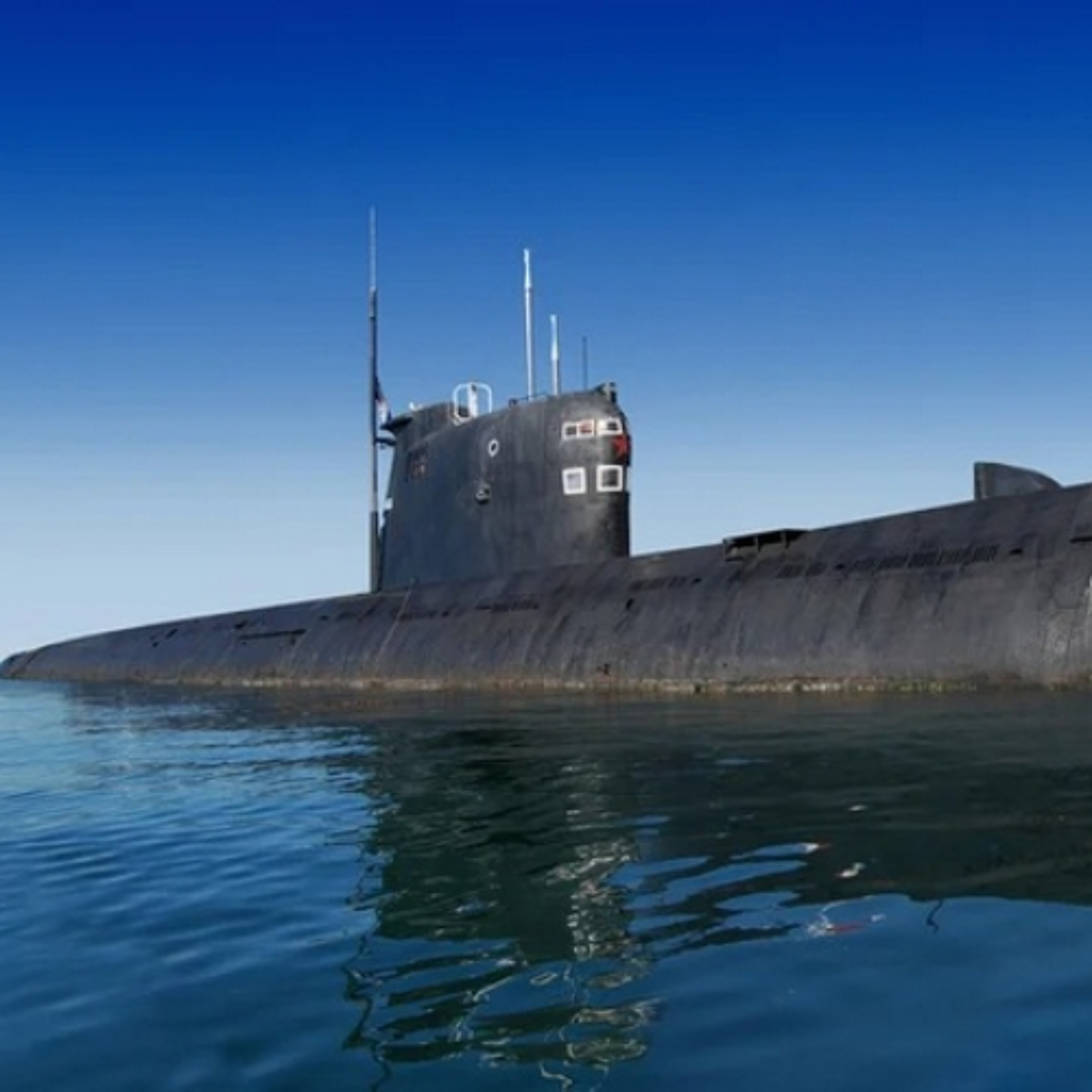
Waging warfare at sea: how exceptional is the maritime domain today?
Naval warfare has undergone dramatic transformation, expanding across multiple domains and exposing civilian seafarers, infrastructure, and global supply chains to new and evolving risks. As modern maritime operations become faster, more complex, and more interconnected, long-standing legal frameworks face growing pressure to keep pace.
In this post, ICRC Legal Adviser Abby Zeith examines the cha

“Cognitive warfare”: why the human brain should not become a battlefield
Militaries are gearing up for confrontation on a new battlefield: the human brain.
While psychological operations aimed at deceiving enemies or manipulating soldiers and civilian populations have long been part of the military playbook, “cognitive warfare” marks a conceptual shift in which human cognition is framed as a “sixth domain” of military competition, alongside land, sea, air, cyber, and
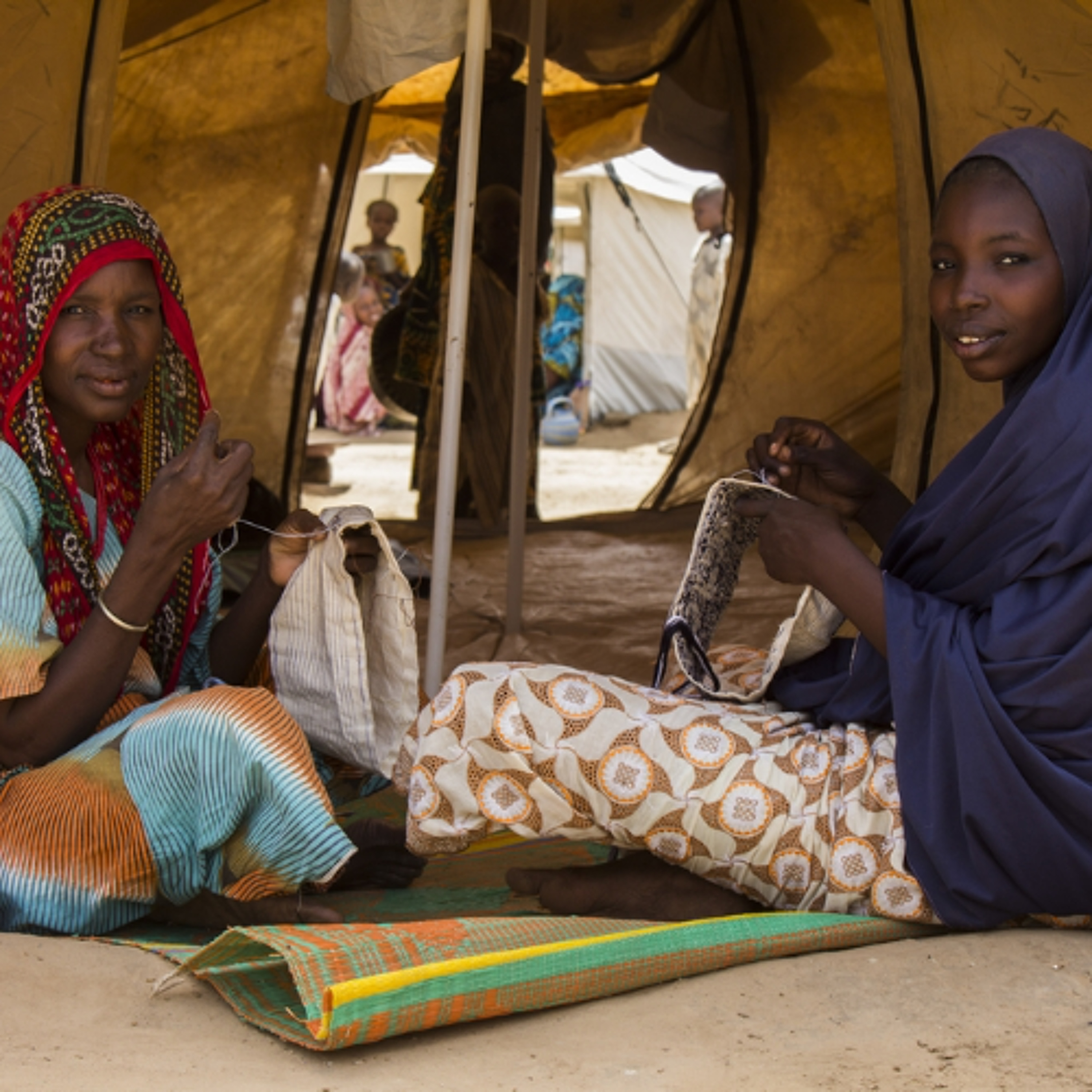
Bridging IHL and WPS: untapped potential to advance the wellbeing of women in conflict settings
The International Criminal Court recently issued its first conviction for gender persecution as a crime against humanity, alongside related convictions for rape as a war crime under international humanitarian law (IHL). These convictions signal expanding efforts to hold perpetrators accountable for violations committed during conflict, including against women and girls as well as on the basis of g
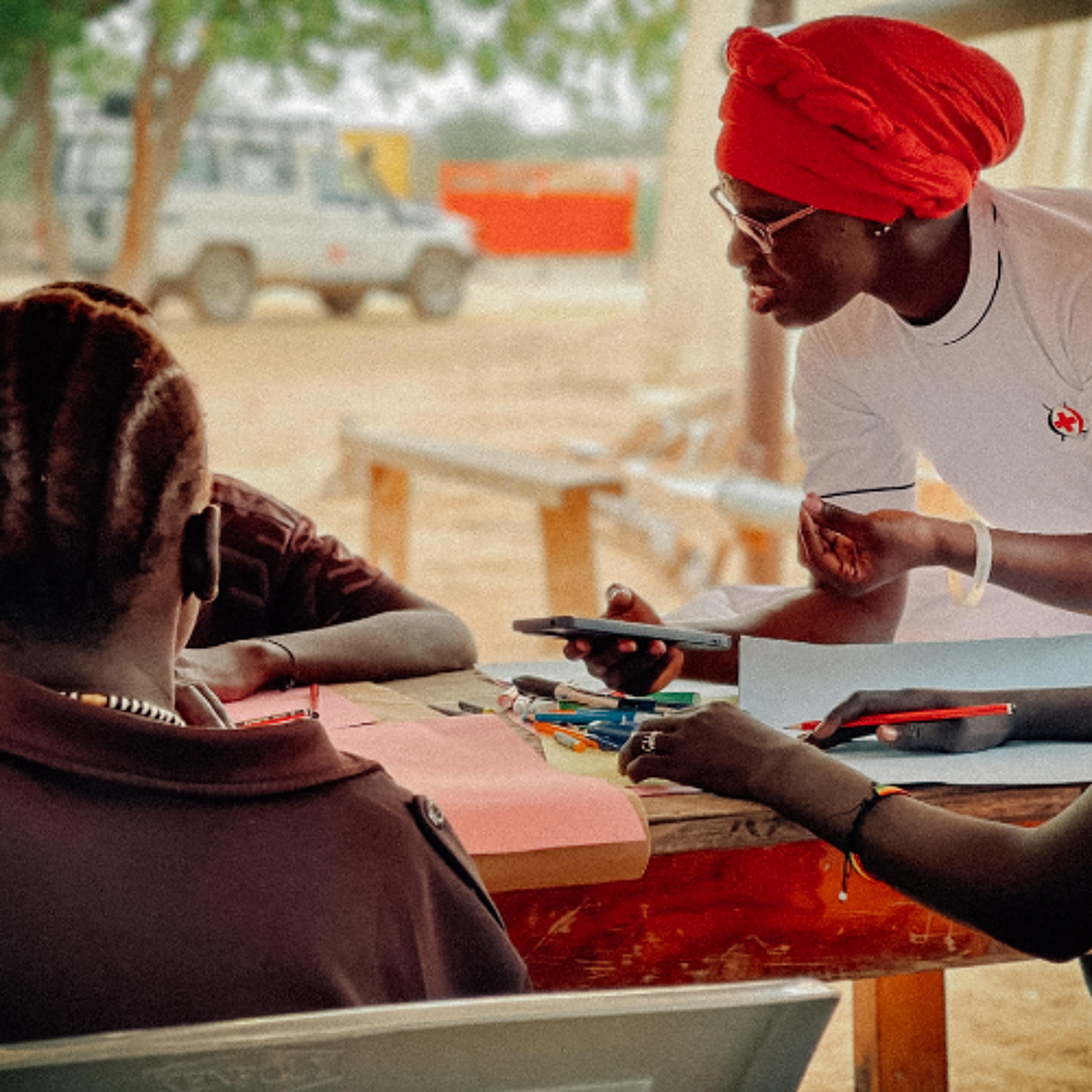
Deaths and separations in migration: lessons from migrant women and children
Many women and children are exposed to violence, exploitation and other risks, including death and family separation, during their migration journeys. Despite the recognition that gender and age shape migration experiences, there is limited data and analysis that systematically and directly addresses how and why migrant women and children go missing or become separated. To reduce this knowledge ga

IHL’s lighthouse; navigating towards a digital emblem
As cyber operations are increasingly taking place during armed conflicts, and this trend is likely to continue, certain specific protections afforded under IHL and identified in the physical world by the distinctive emblems of the Red Cross, Red Crescent, and Red Crystal must also be visible in an environment the drafters of the very first Geneva Convention in 1864 could never have imagined.
In t
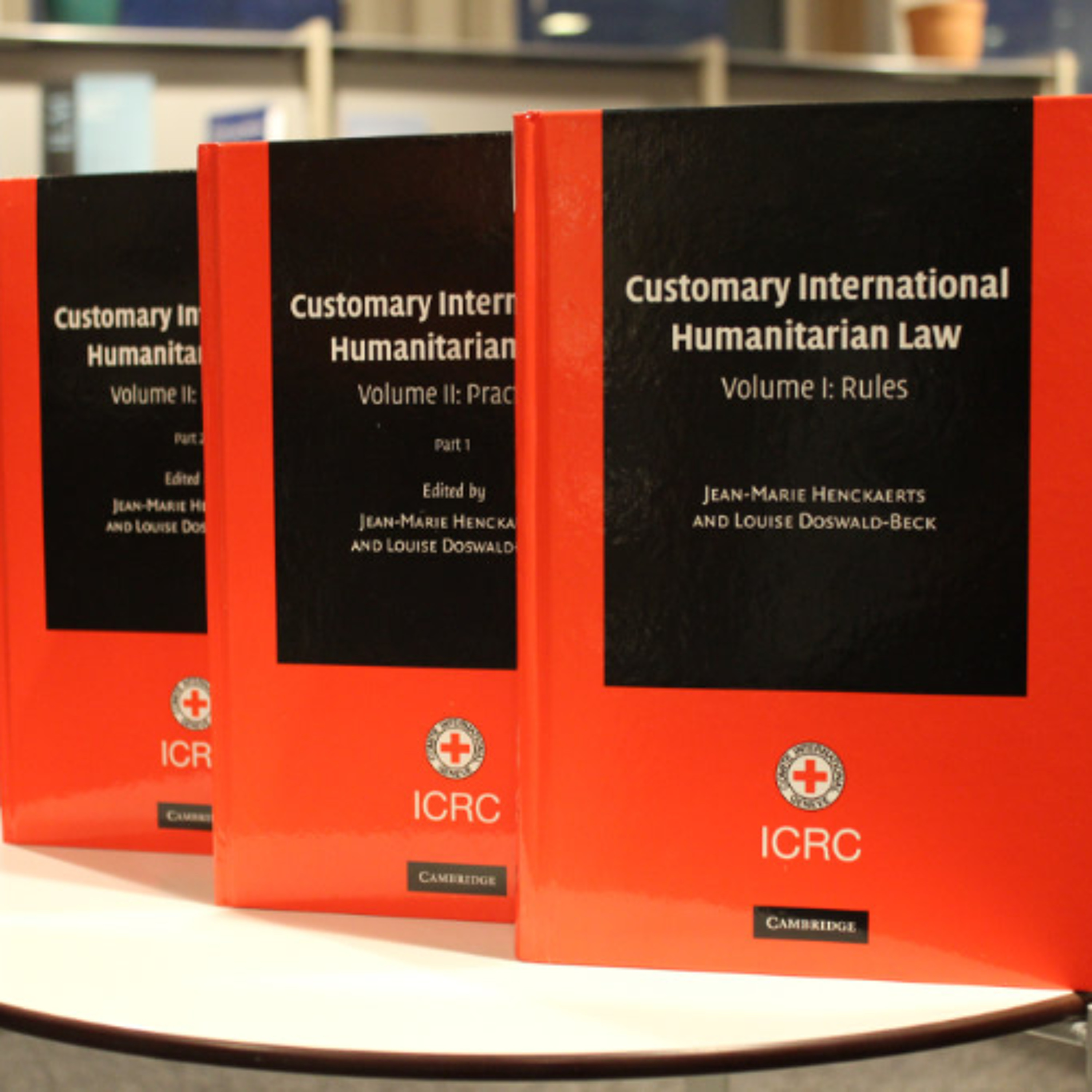
Twenty years on: the enduring impact of the ICRC customary IHL study and database
The ICRC’s 2005 study on customary international humanitarian law – along with the free, public database launched five years later – arrived at a moment when the legal landscape of armed conflict was rapidly shifting. Mandated by the 26th International Conference of the Red Cross and Red Crescent, the study set out to map the customary rules governing contemporary warfare by systematically analyzi
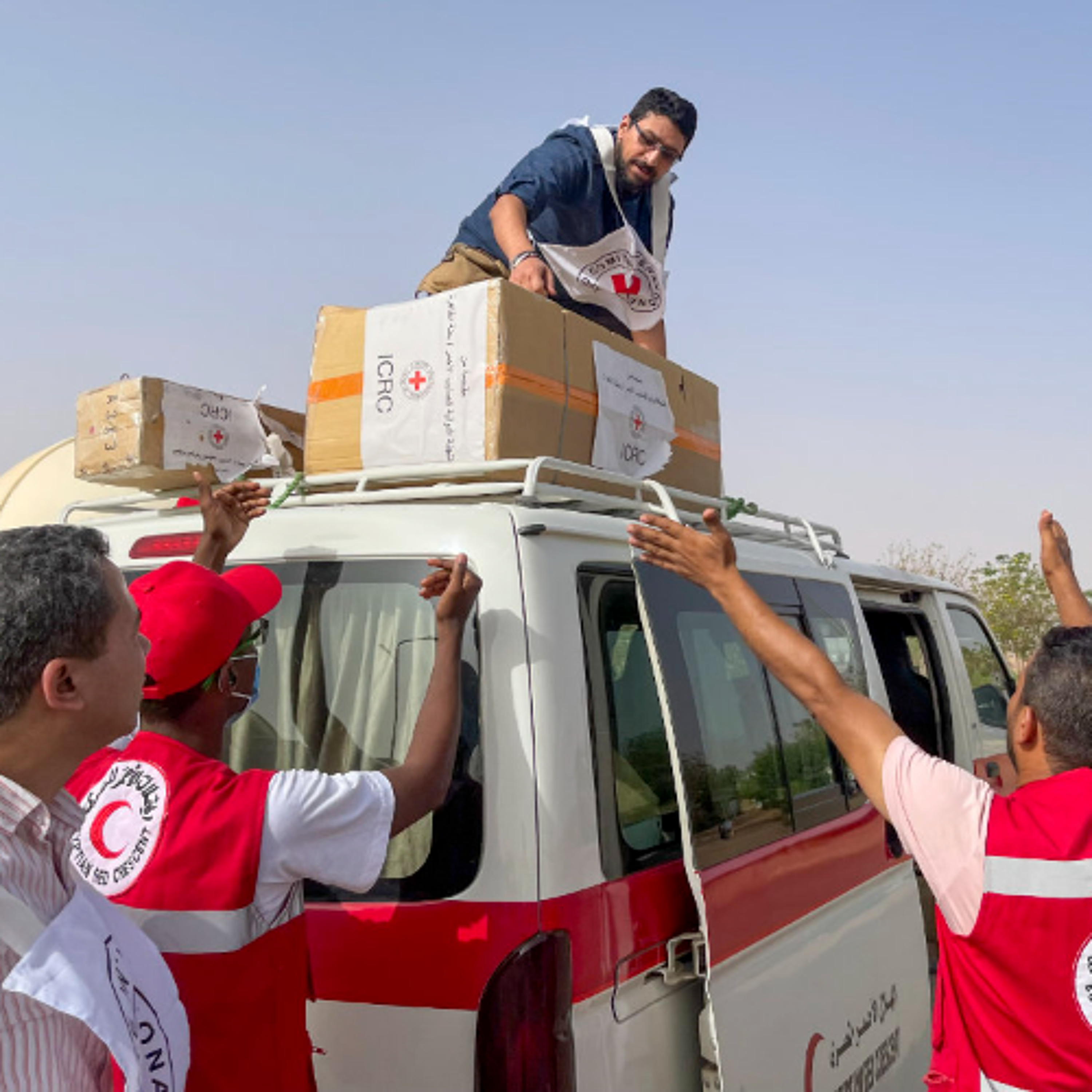
Complying with IHL in large-scale conflicts: How should states prepare to allow and facilitate delivery of humanitarian relief?
Large-scale armed conflicts consistently sever the systems that sustain civilian life, leaving populations without essential services or access to basic goods. International humanitarian law (IHL) sets out clear obligations for states to anticipate these foreseeable humanitarian needs and to ensure that impartial relief can reach affected communities swiftly and safely. Yet from customs hurdles to
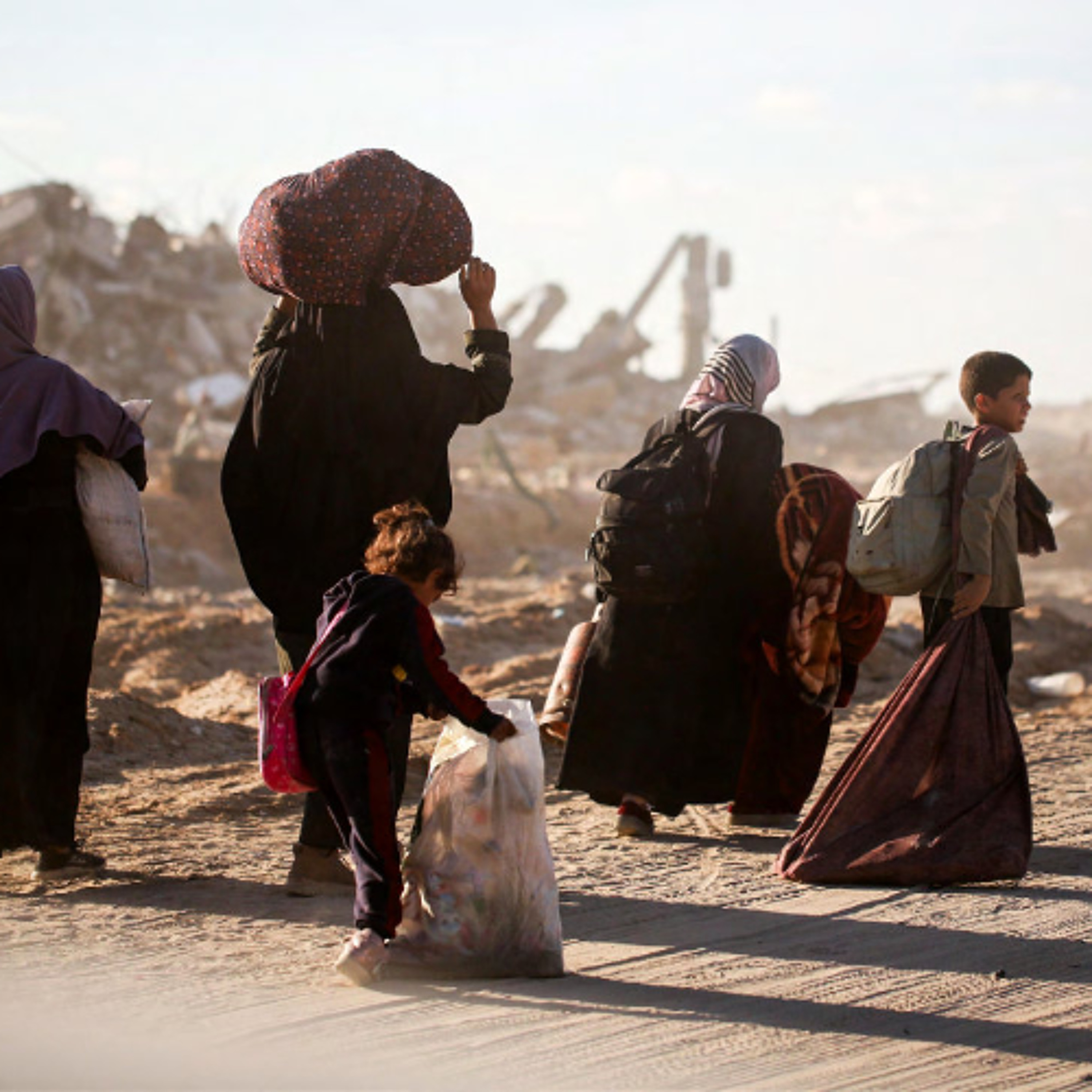
From crisis to recovery: managing the environmental impacts of armed conflict
The environmental toll of armed conflict is neither insignificant nor fleeting: it contaminates water, soil, and air, erodes ecosystems, undermines livelihoods, and burdens public health long after the fighting stops. The damage both mirrors and magnifies humanitarian crises, from Gaza’s mountains of debris to Ukraine’s flood-borne pollutants, to Sudan’s industrial contamination. Compounded by the
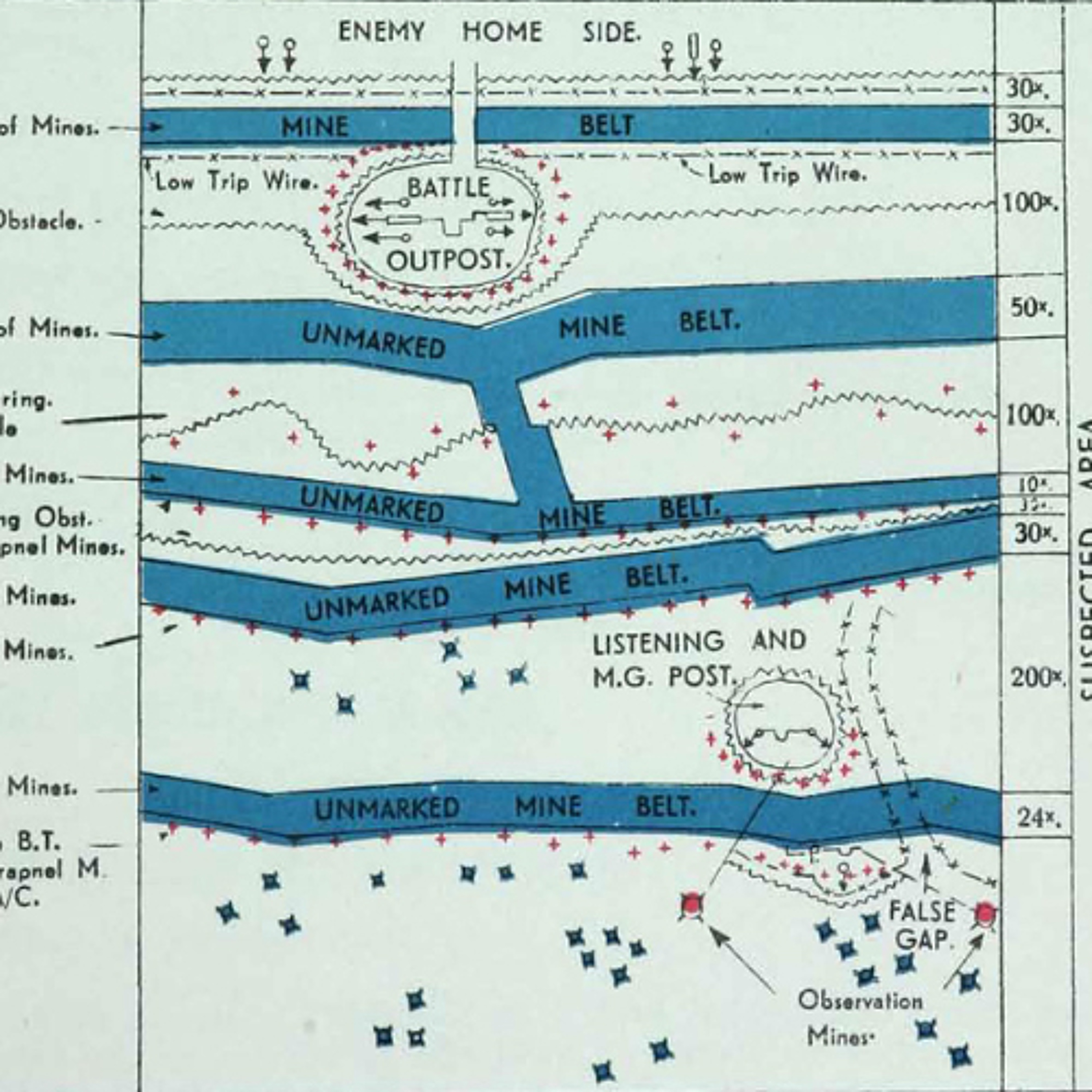
Do anti-personnel mines still have military utility in modern warfare?
Five States Parties to the Anti-Personnel Mine Ban Convention have recently submitted instruments of withdrawal, citing national security and military necessity, while at least one other has taken steps to “suspend” the Convention. These developments raise important questions about whether anti-personnel mines retain any meaningful military utility in contemporary conflict.
In this post, Erik To
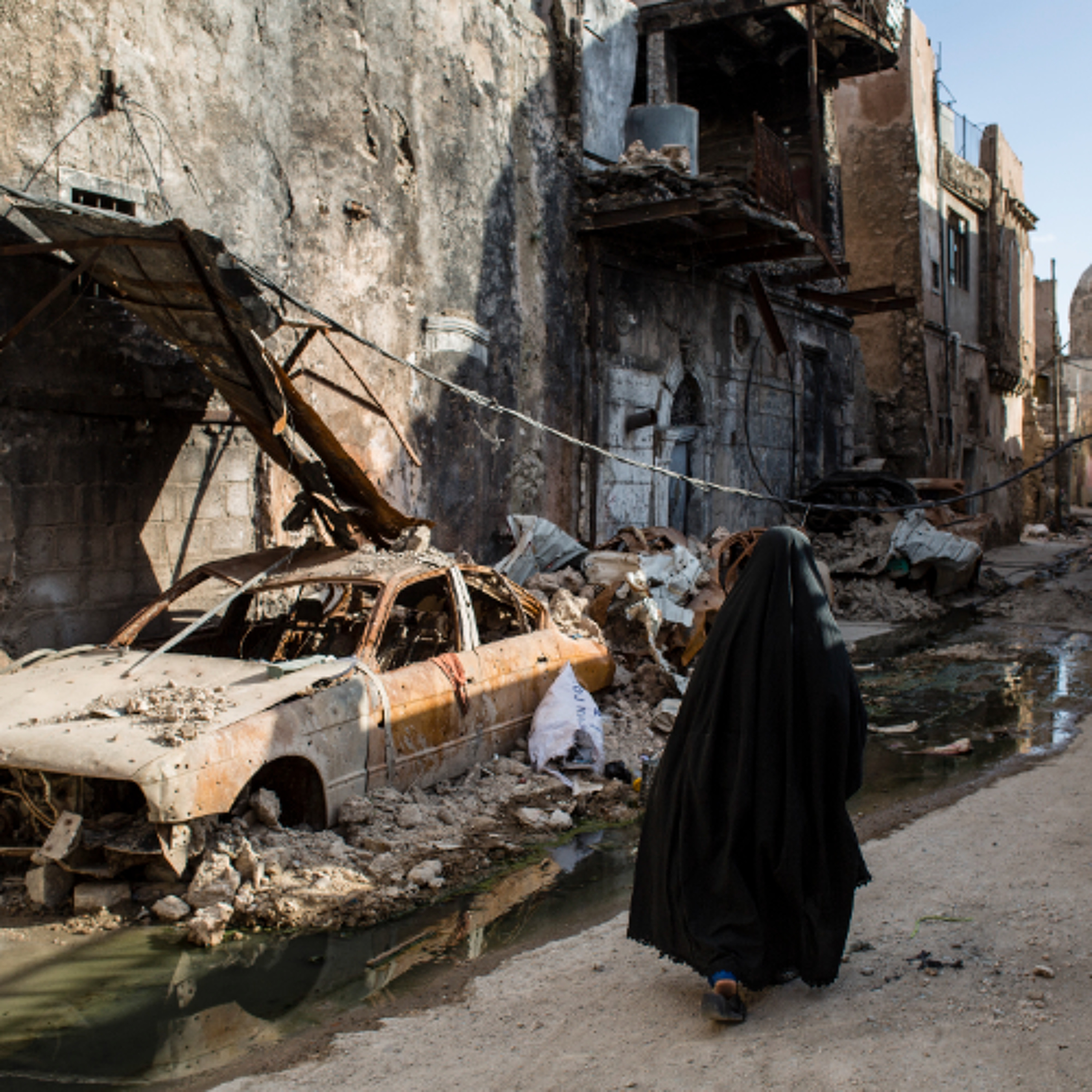
Navigating violence: five insights to strengthen humanitarian action in contested territories
More than 200 million people live today in contested territories – places where the authority of the state is challenged outright and armed groups exercise full or fluid control. This number has risen by 30 million since 2021. These are not distant statistics; each figure represents a person living in the shadow of competing powers, making difficult choices in an almost impossible environment.
H
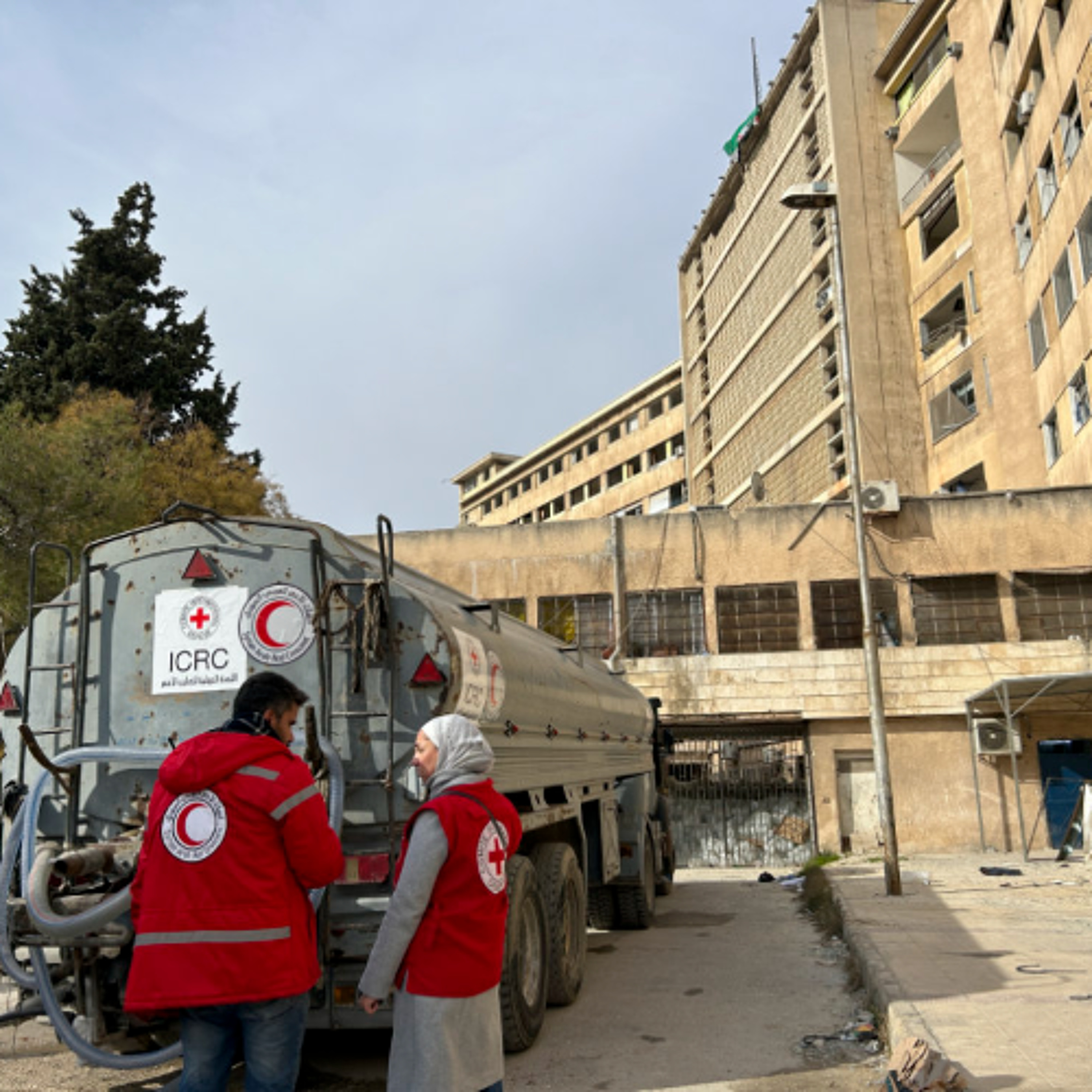
Reaffirming the obligation to protect medical facilities and support their functioning
Restrictions on movement and access to medical supplies have become an often-unseen threat to health care in today’s armed conflicts. Even where hospitals are not attacked, the quiet tightening of supply routes can deprive them of the medicines, equipment, and basic services they need to function.
In this post, ICRC Legal Advisers Supriya Rao and Alexander Breitegger outline what the obligation
Outsourcing humanity? International law, humane treatment, and artificial intelligence in detention operations
As artificial intelligence (AI) begins to shape decisions about who is detained in armed conflict and how detention facilities are managed, questions once reserved for science fiction are now urgent matters of law and ethics. The drive to harness data and optimize efficiency risks displacing human judgment from one of the most sensitive areas of warfare: deprivation of liberty. In doing so, AI cou

Divided together: how families of the missing build peace
When people go missing in war, their absence lingers far beyond the battlefield – splintering families, deepening social divides, and haunting political transitions. Yet amid this grief, the families of the missing often become unlikely peacebuilders: their search for truth draws them across old front lines, transforming pain into connection and personal loss into a collective force for reconcilia
Peace can start in a prison cell: how IHL and humane detention can build pathways to peace
When wars end, peace rarely begins overnight. It’s built, slowly and painstakingly, through acts that restore a sense of humanity where it was once suspended. Among these, how a society treats people it detains may seem peripheral, yet it can determine whether trust survives long enough for peace to take root. Humane detention, often overshadowed by more visible aspects of conflict recovery, is in
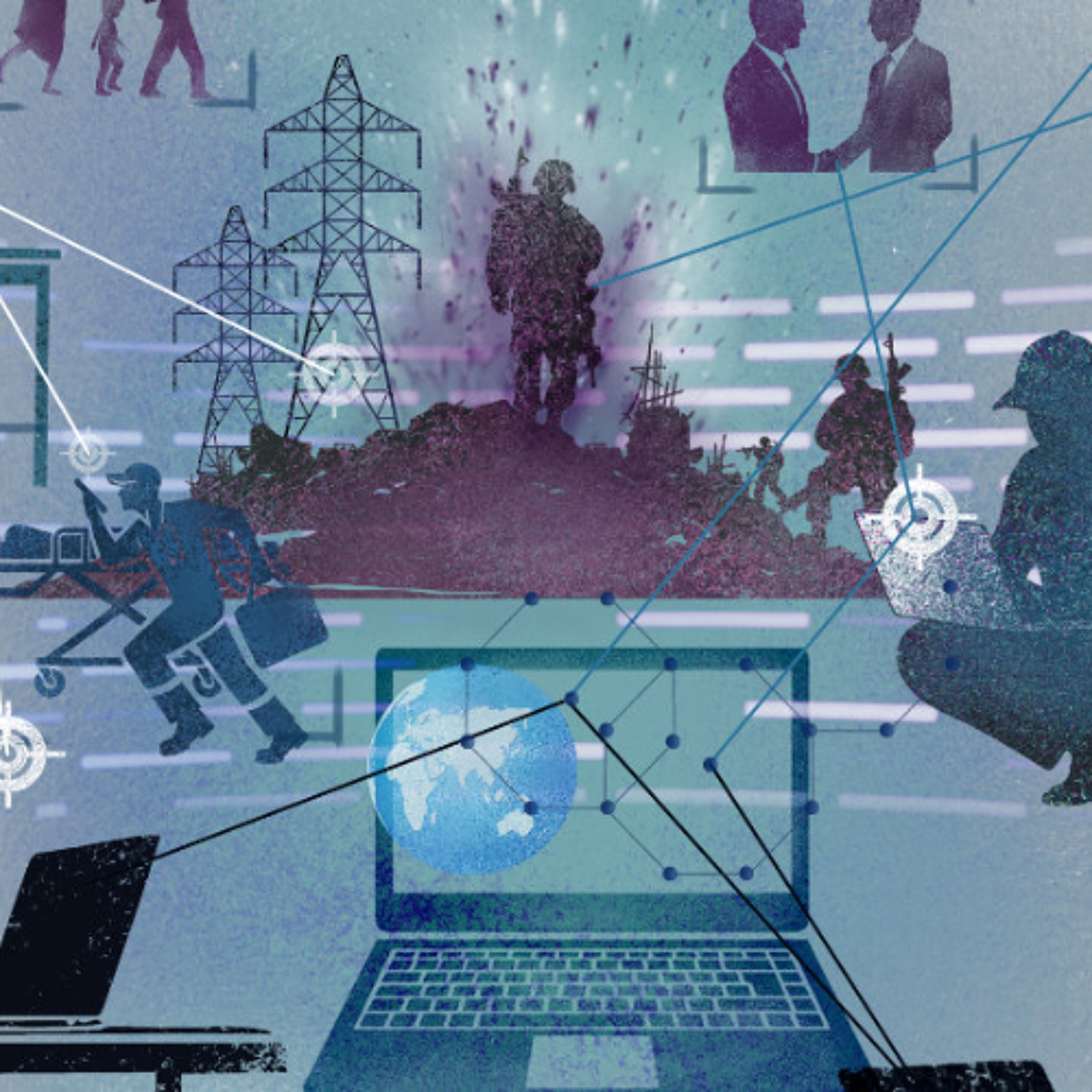
From hackers to tech companies: IHL and the involvement of civilians in ICT activities in armed conflict
Picture a potential future armed conflict: missiles and drones crowding the skies, uncrewed vehicles rolling across borders, and governments scrambling to coordinate their defences. Their conclusion: Every citizen is needed. Some collect and relay information about the approaching enemy into an artificial intelligence (AI) platform that supports military decision-making. Reservists join the ranks
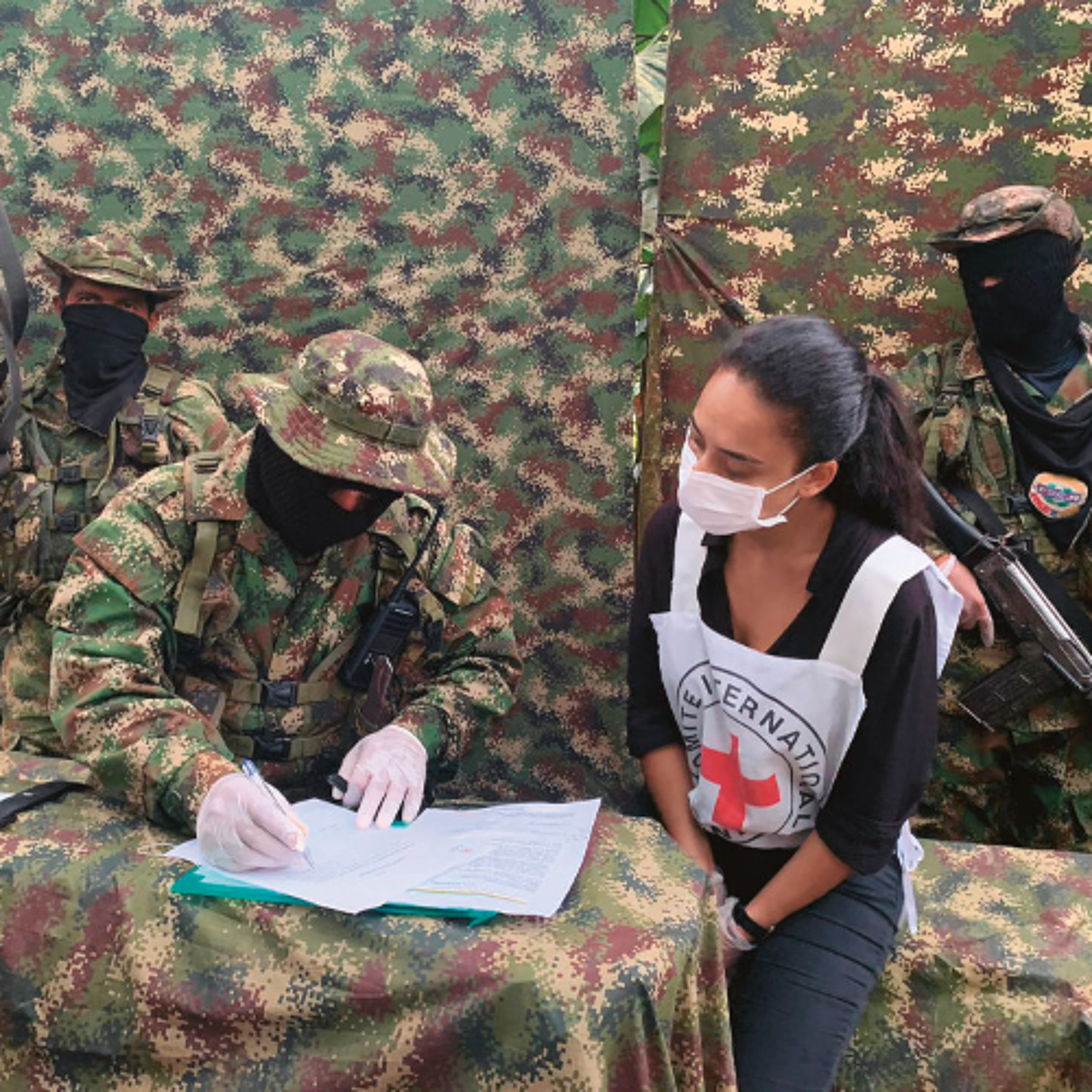
ICRC engagement with armed groups in 2025
In line with its mandate, the ICRC engages with all parties to an armed conflict, including non-state armed groups. The ICRC has a long history of confidential humanitarian engagement with armed groups to alleviate and prevent the suffering of persons living in areas controlled by these groups. However, this engagement has become increasingly complex. Accordingly, the ICRC undertakes an annual int
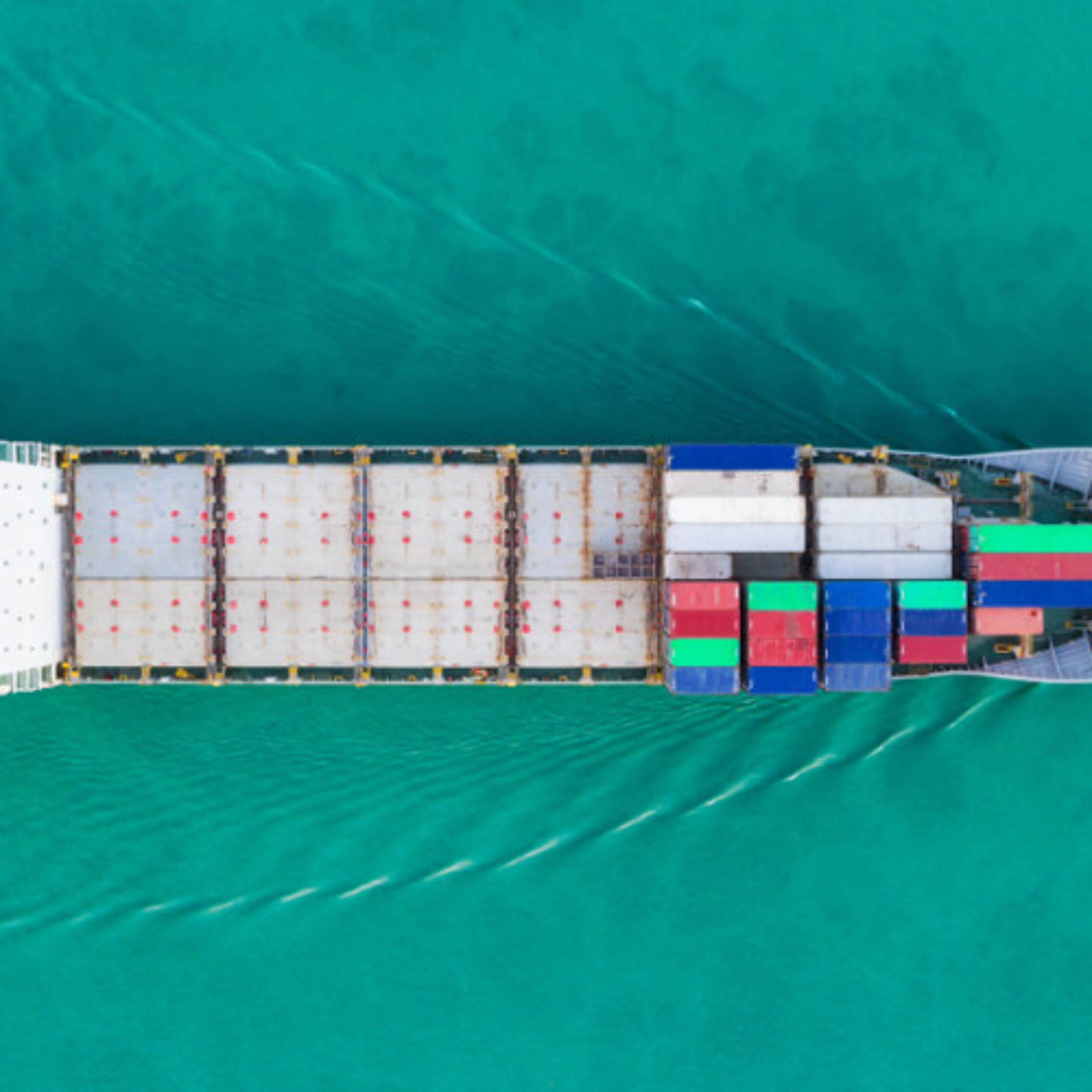
The humanity compass: navigating the protection of civilians in naval warfare
The law of naval warfare is a complex collection of international laws, developed in an era that could not anticipate today’s global interdependence, the scale of maritime trade, or the nature of modern maritime conflict. Recent attacks on civilian shipping and ports have underscored the significant humanitarian consequences for seafarers and the global community of states who are heavily dependen
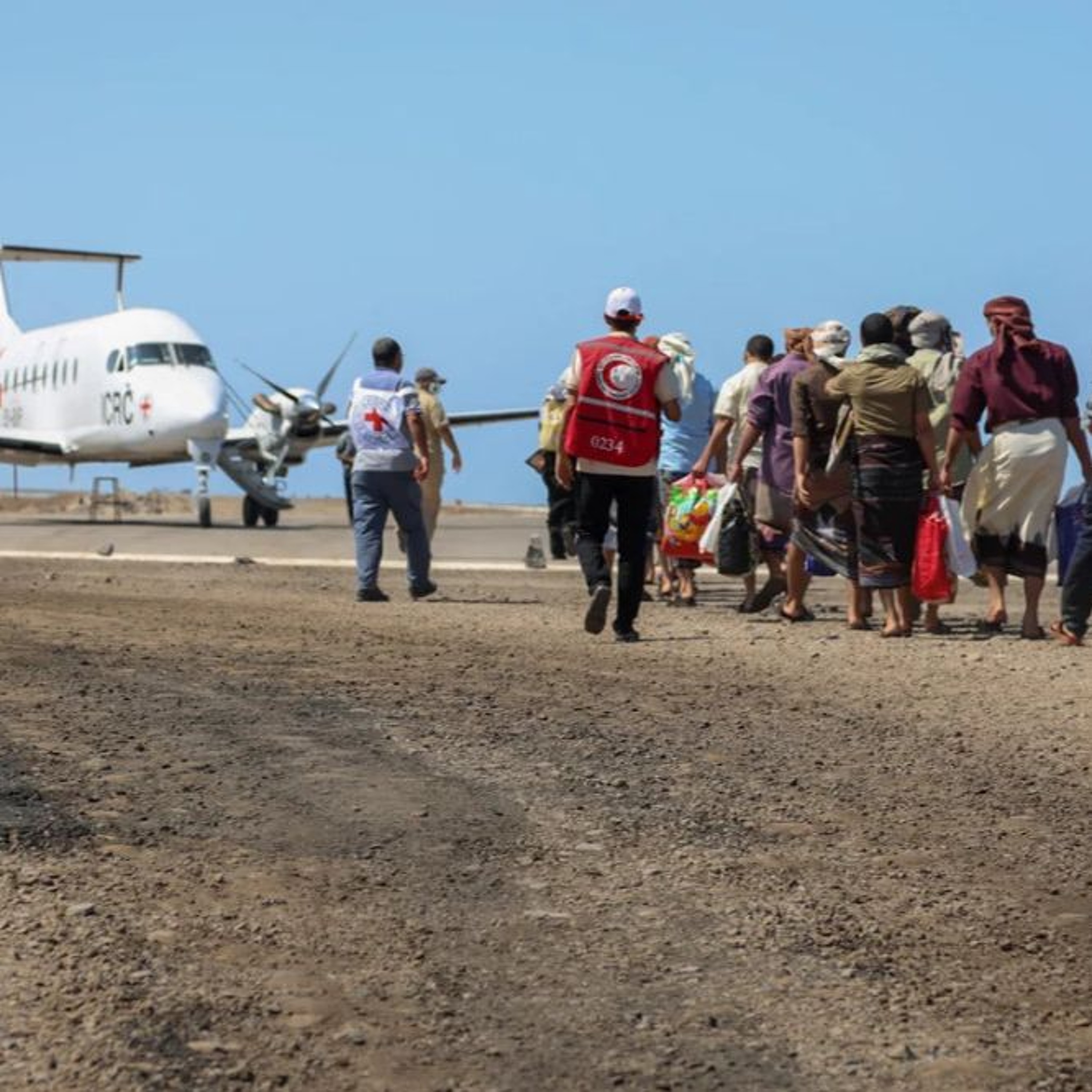
Sixty years on: why the Fundamental Principles must be lived, not just remembered
This year marks the 60th anniversary of the Fundamental Principles of the Red Cross and Red Crescent Movement – humanity, impartiality, neutrality, independence, voluntary service, unity and universality. Proclaimed in Vienna in 1965, they were born not as abstract ideals but as the direct result of over a hundred years of humanitarian action. They have enabled aid to cross frontlines, families to
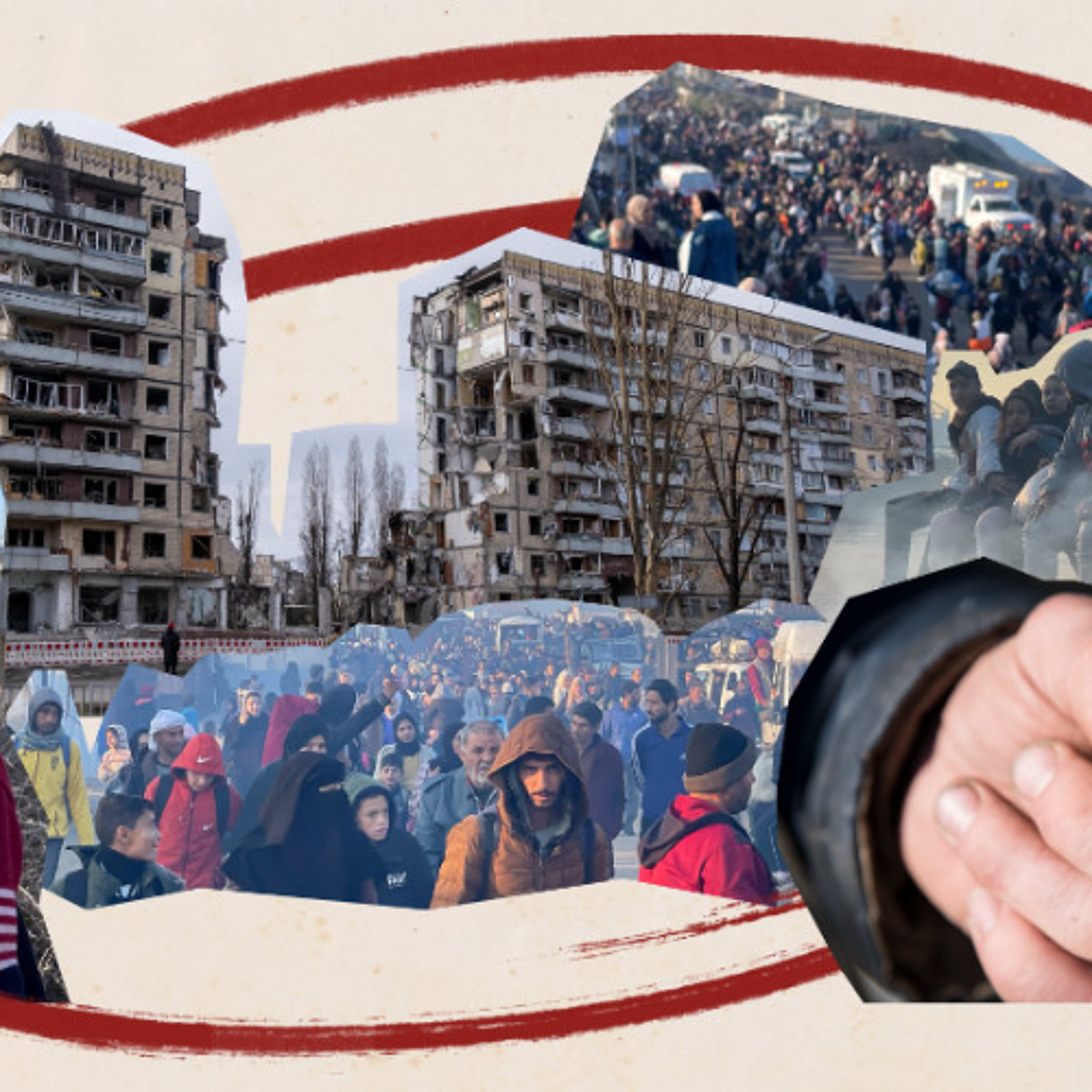
Protecting civilians in good faith: the updated Commentary on the Fourth Geneva Convention
Following five years of research and consultations, the ICRC has published a new, updated Commentary on the Fourth Geneva Convention (GC IV) of 1949. GC IV is the cornerstone of protection for civilians in international armed conflict and occupation – protections that remain urgently relevant amid patterns of urban warfare, strikes on essential services, and persistent harm to people who are not,

Six ways IHL protects mental health
The impact of armed conflict on mental health is increasingly evident. According to data from the World Health Organization, one in five people who have experienced armed conflict in the last ten years suffers from some form of mental health condition. With an estimated two billion people living in places affected by war, the scale of the problem is staggering. Yet, despite its magnitude, the lega

Goodbye is the hardest part: why is ending violence so difficult for non-state armed groups?
For groups involved in long-running non-international armed conflicts, the decision to end the use of violence poses significant challenges – even when it is no longer recognized to be an “effective” means of achieving organizational objectives.
In this post, independent researcher Dr Thomas Evans argues that exploring the cultural perspectives, influences, and identities within non-state armed
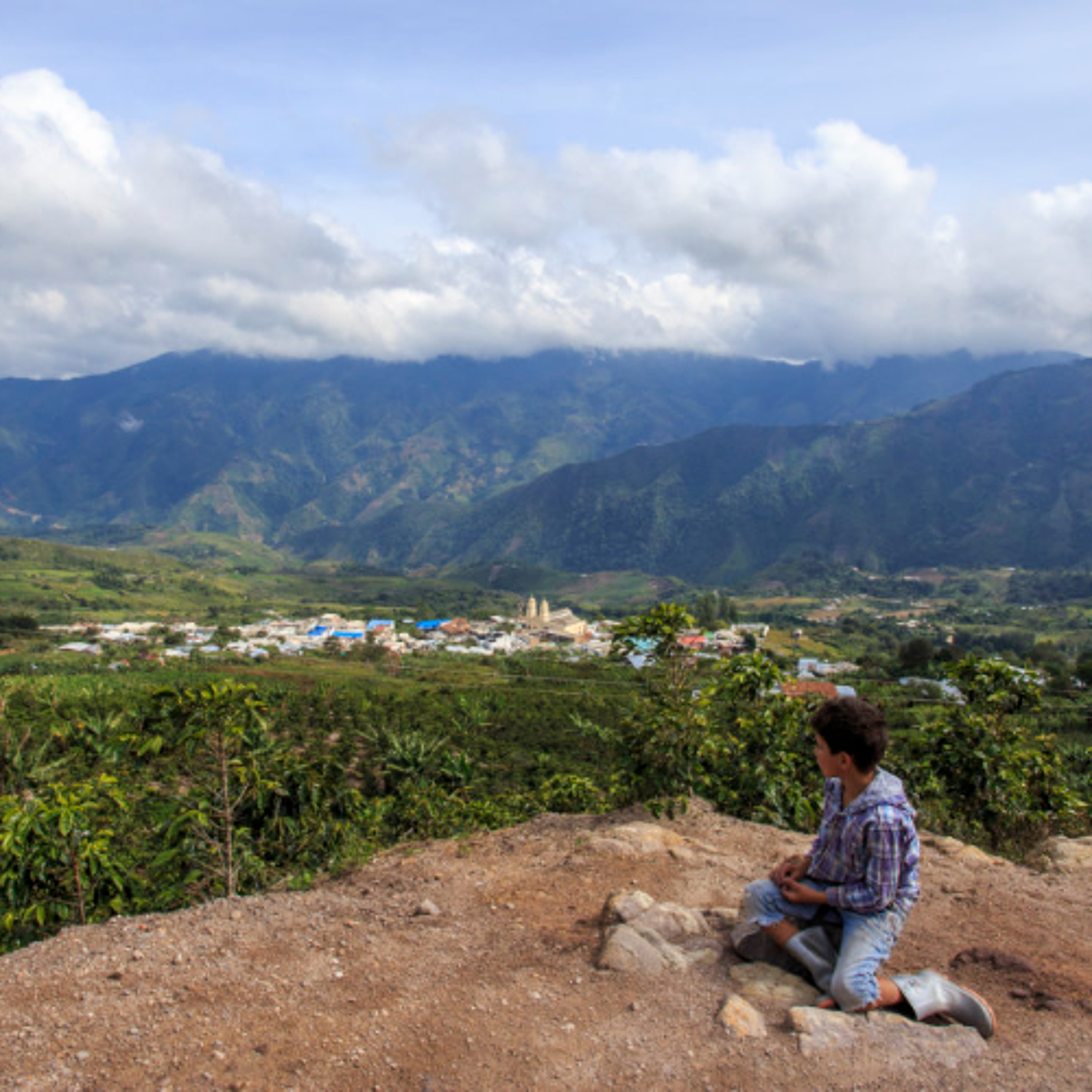
Dialogue, dignity, and the humanitarian contribution to peace
The number of conflicts continues to rise – with the ICRC currently classifying some 130 armed conflicts worldwide – while at the same time, they are rarely brought to an end. The human suffering they cause is devastating and hard to comprehend. But wars are not inevitable – and the best way to end the suffering they cause is to end conflicts or prevent them from breaking out in the first place. I
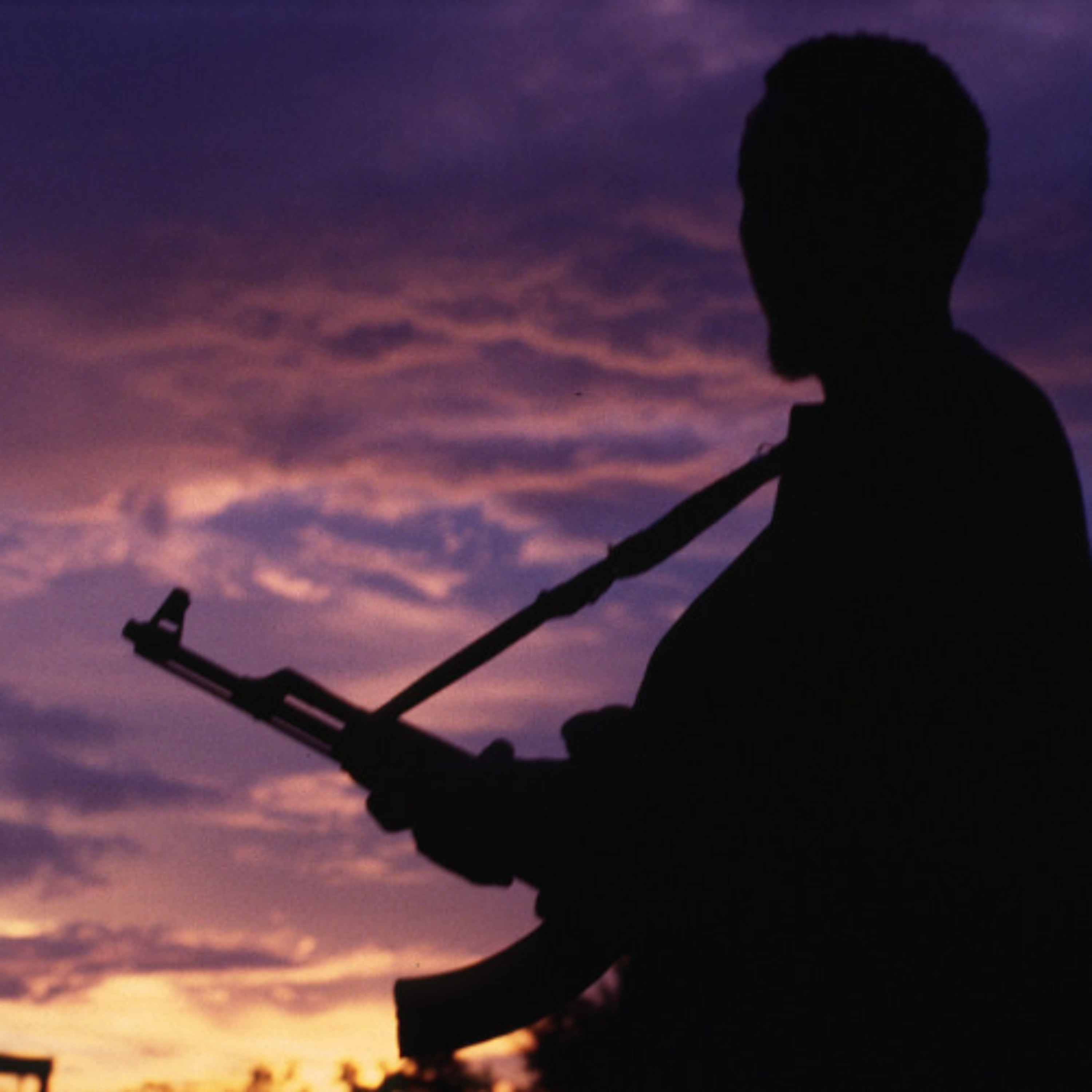
The risks and legal limits of involving ‘self-defence groups’ in non-international armed conflict
Across contemporary armed conflicts, the presence of civilian groups who take up arms to defend their communities raises enduring and complex legal challenges. At what point do these groups become parties to an armed conflict or otherwise bound by IHL? Do civilians who participate in hostilities lose protection against attack, and if so, for how long? Who bears responsibility for ensuring that the
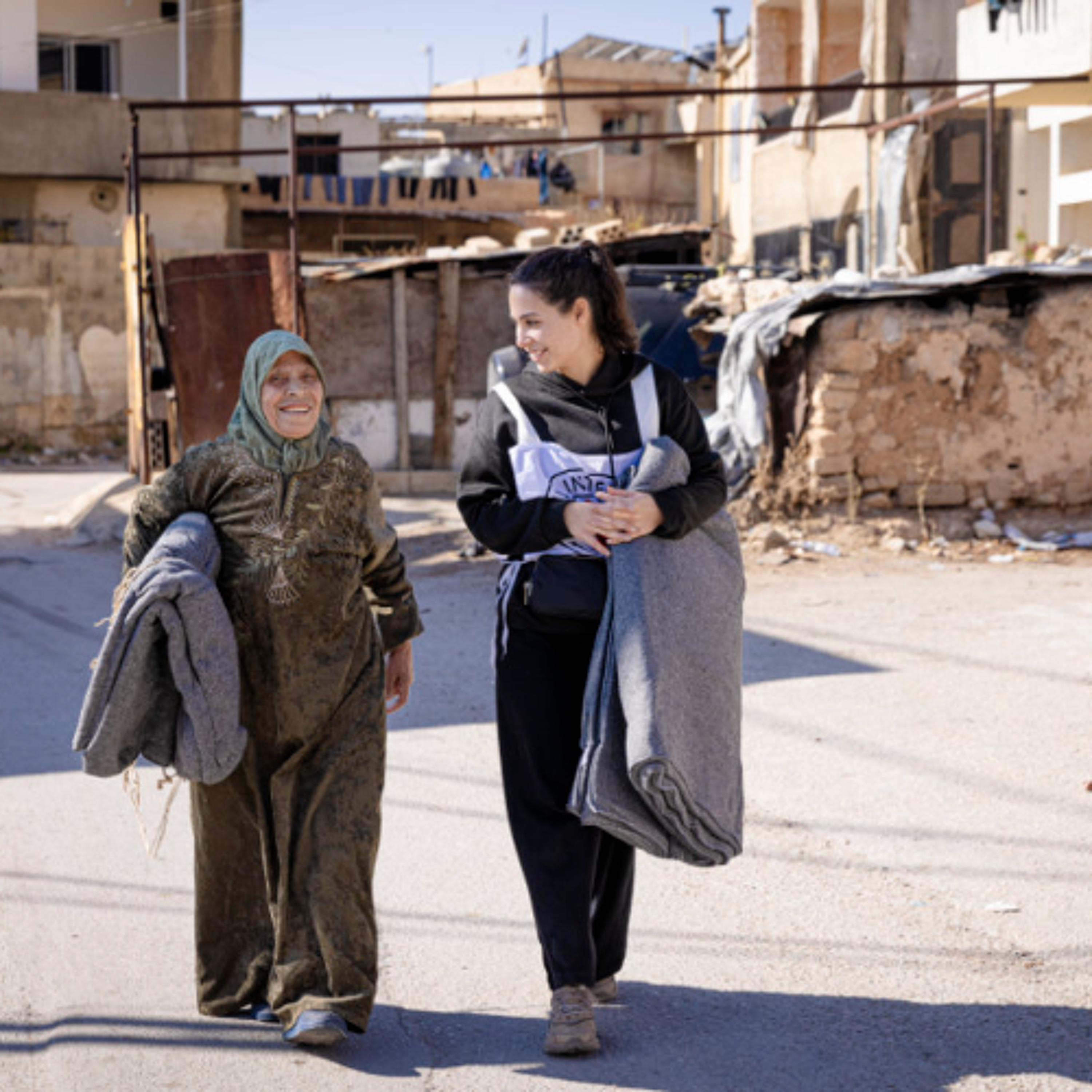
Why we must defend humanitarian storytelling in a divided world
For as long as humans have existed, stories have been our bridge to one another. Today, in a world shaped by digital networks, synthetic media, and hyperconnected feeds, that bridge is under unprecedented strain. Storytelling remains one of the most powerful ways to counter division and remind us of our shared humanity, yet it is also increasingly manipulated, dismissed, or drowned out in a noisy
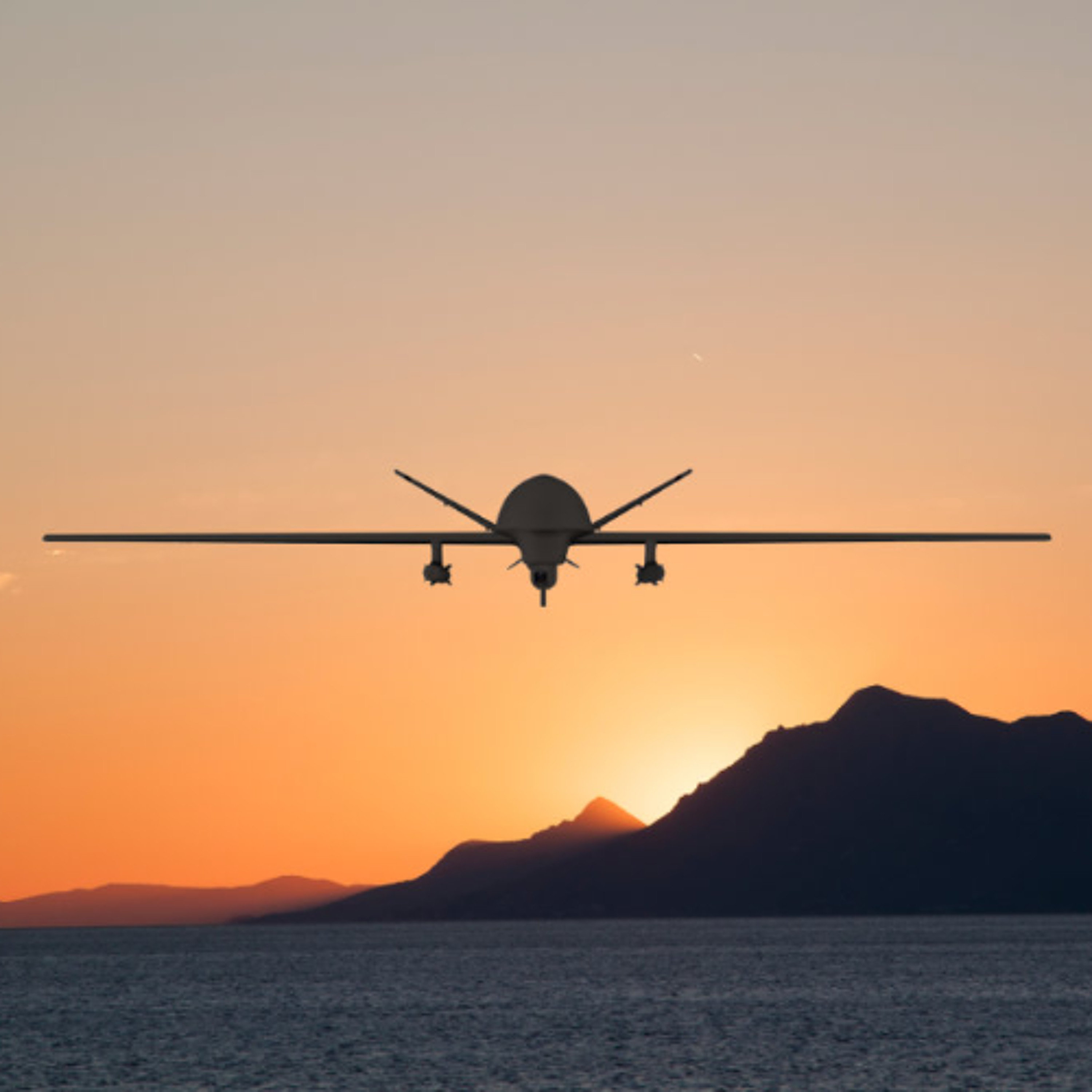
Complying with IHL in large-scale conflict: navigating complexities in the Asia-Pacific
The waters stretching from the Eastern Indian Ocean through Southeast and East Asia to the Western Pacific sustain global trade, host abundant marine resources vital to the livelihoods of many, and power regional economies. They are central to the national security of many states and are also home to major powers, vast archipelagic states, and many smaller states, including small island nations. T
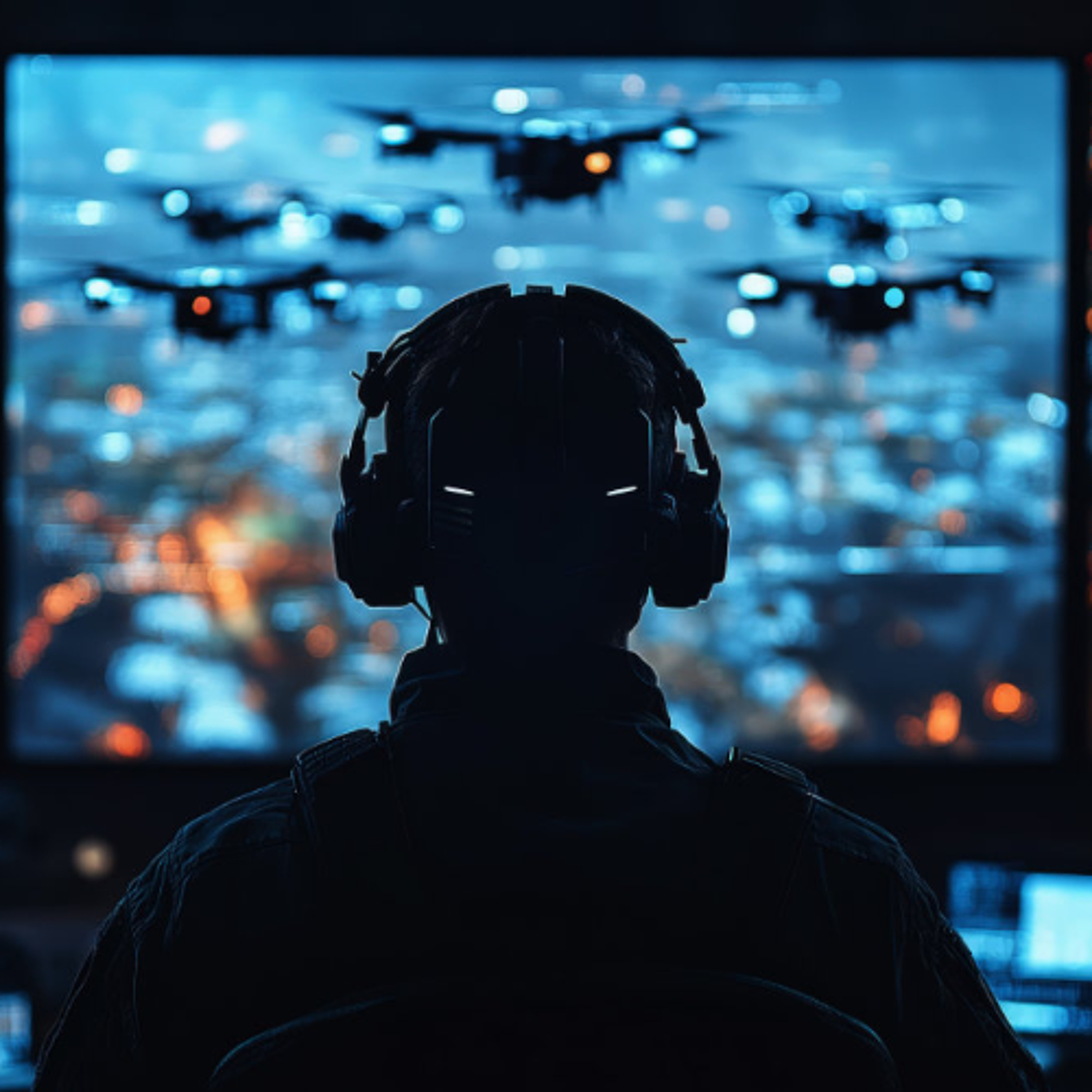
‘Constant care’ must be taken to address bias in military AI
As many states, especially those with large and resourceful militaries, are exploring the potential of using artificial intelligence (AI) in targeting decisions, there is an urgent need to understand the risks associated with these systems, one being the risks of bias. However, while concerns about bias are often mentioned in the military AI policy debate, how it manifests as harm and what can be

Warfare at the speed of thought: can brain-computer interfaces comply with IHL?
Brain-computer interfaces (BCIs) are no longer speculative technologies of future warfare – they are being field-tested by countries such as the United States and China. As BCI technologies transition from the laboratory to the battlefield, they bring both significant risks and potential advantages for future warfare.
In this post, Dr. Anna M. Gielas, an affiliated researcher with the Centre for

How AI learns, and what it misses: why data selection matters in humanitarian action
How AI learns, and what it misses: why data selection matters in humanitarian action by ICRC Law and Policy
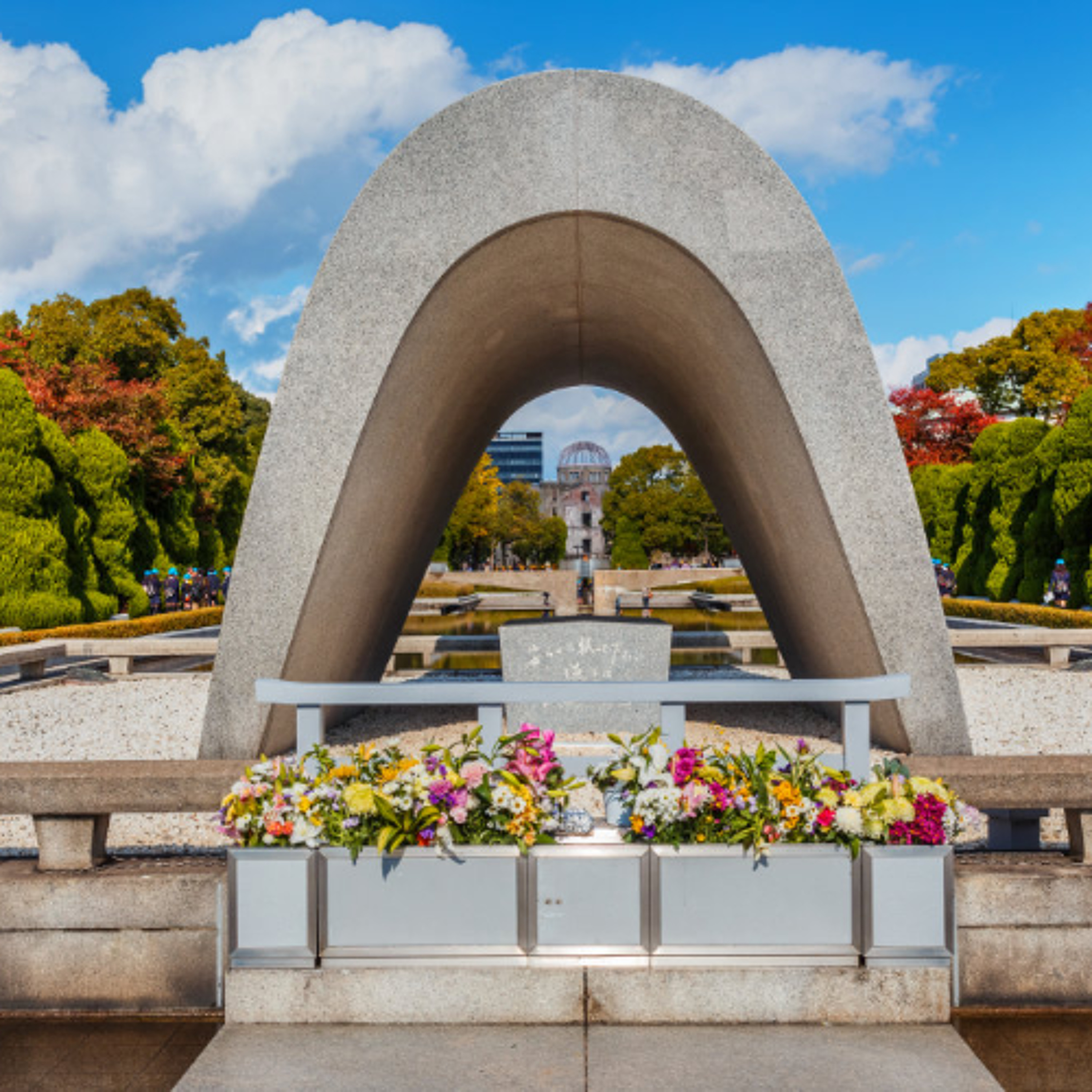
An evitable catastrophe: reclaiming humanity from the nuclear brink
On August 6th and 9th 1945, Hiroshima and Nagasaki became the first – and so far only – targets of nuclear weapons in warfare, killing over 100,000 people instantly and devastating countless lives for decades to come. The humanitarian consequences of such weapons are unmatched in scale and severity. While legal and ethical arguments against the most horrendous weapons have existed since the 19th c
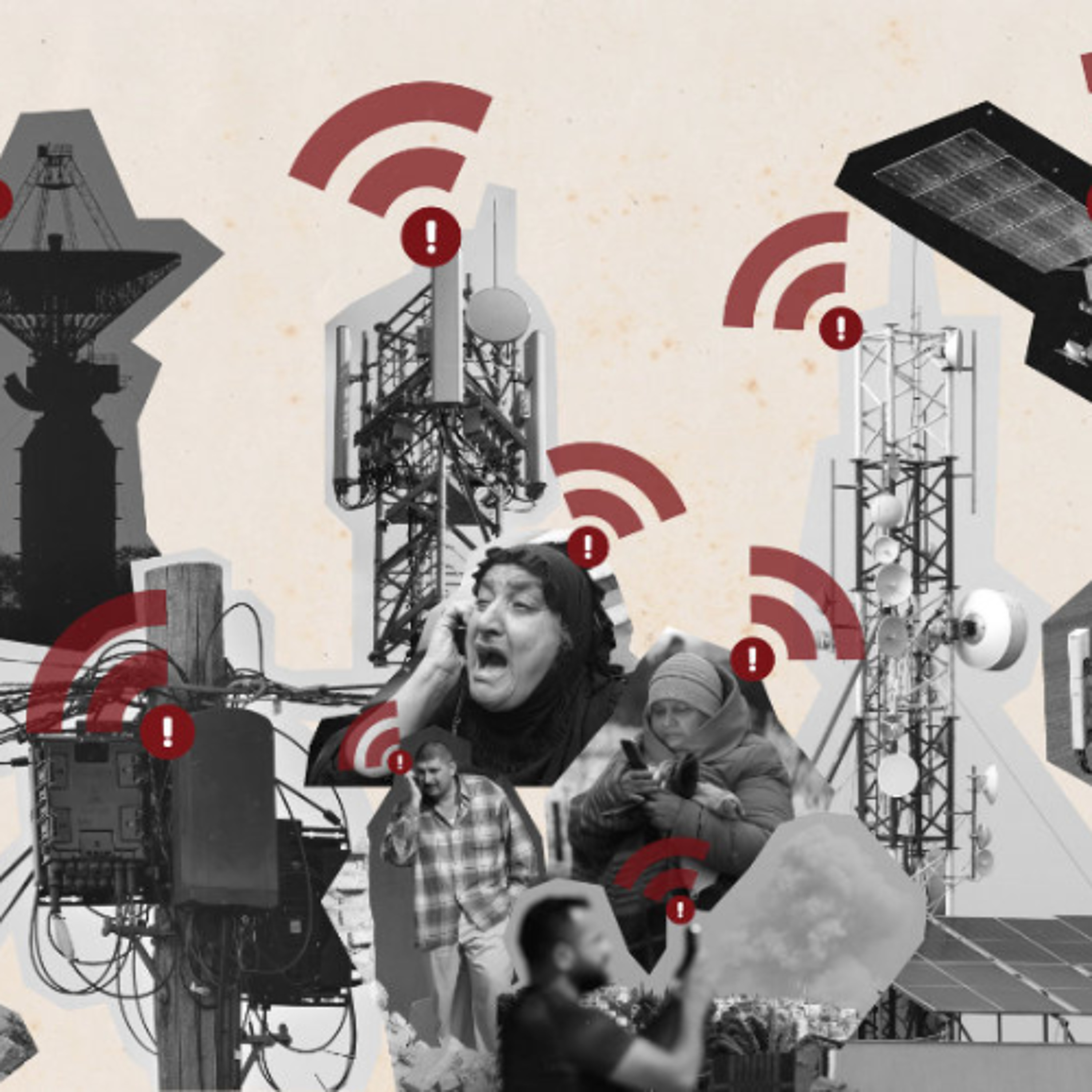
International humanitarian law and connectivity disruptions during armed conflict
“Without information and telecommunication, people don’t know where to go for safety,” the ICRC reported from an ongoing armed conflict. Another humanitarian worker recalled that when connectivity is down and “a bombing happens, especially in the night, you cannot reach ambulances”. The importance of connectivity for people affected by armed conflict is further exemplified when displaced people as
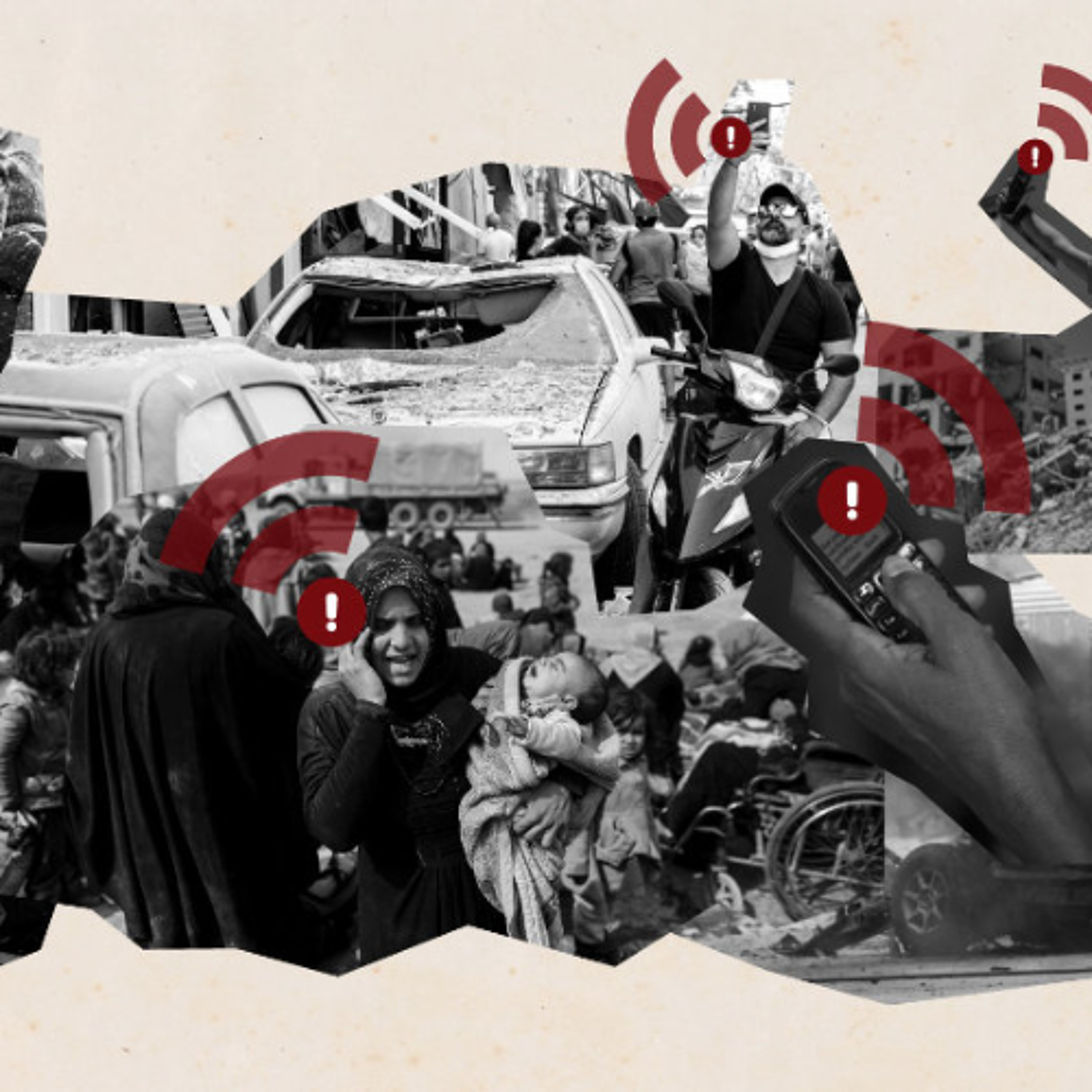
Offline and in danger: the humanitarian consequences of connectivity disruptions
As people around the world become increasingly reliant on digital and telecommunications networks to access essential services, contact loved ones, and seek help, the rising number of connectivity disruptions in armed conflicts is a growing source of concern for their safety and dignity.
In this post, ICRC Protection Specialist Cléa Thouin reflects on the humanitarian consequences of such disrupt
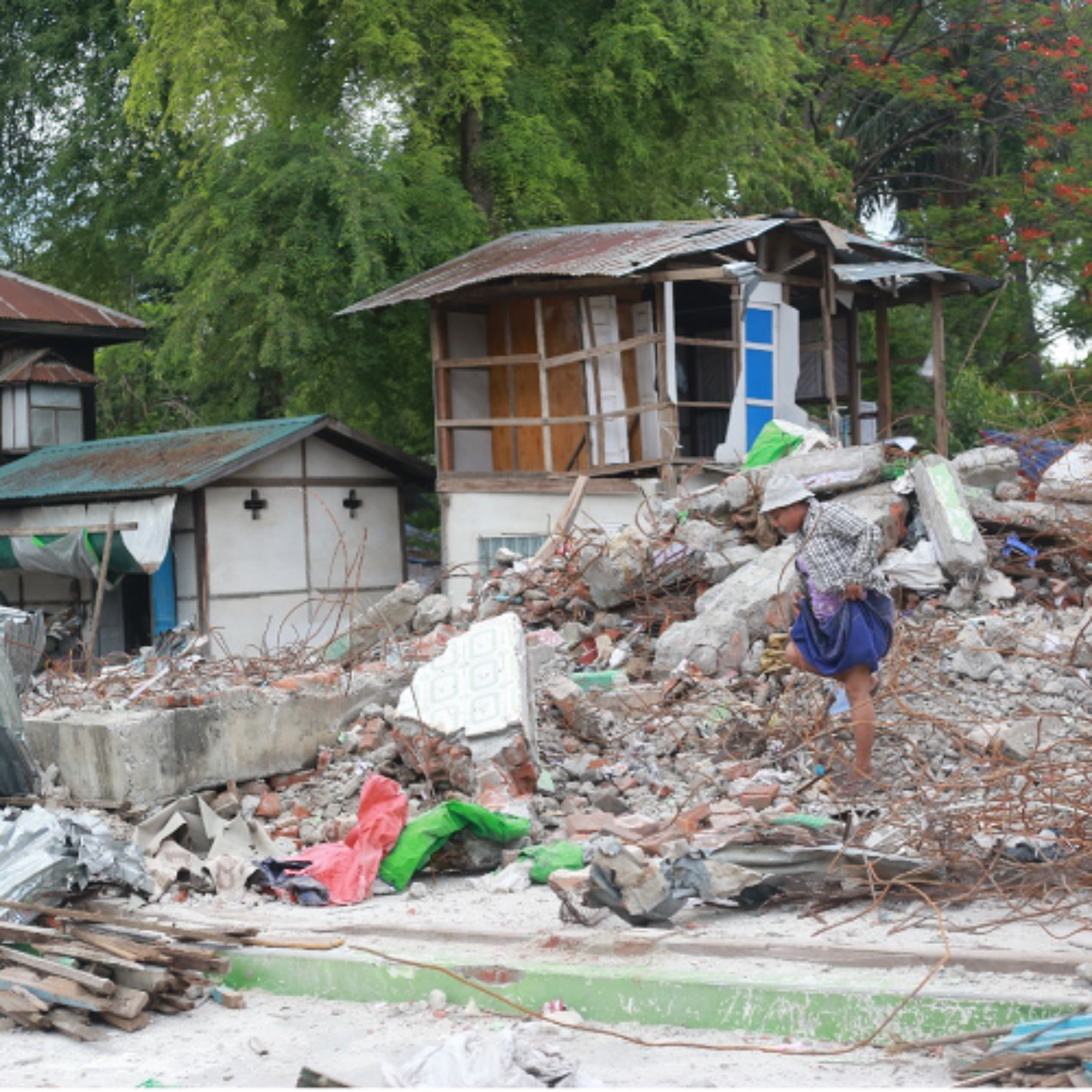
Photographing humanity: hope amid crisis in Myanmar
When a powerful earthquake struck Myanmar on 28 March 2025, it tore through communities already living under the shadow of armed conflict and chronic instability. In the tangle of collapsed homes and fractured lives, it laid bare the brutal convergence of natural hazard-induced disaster and manmade violence – a crisis within a crisis, testing not only the resilience of survivors but also the princ
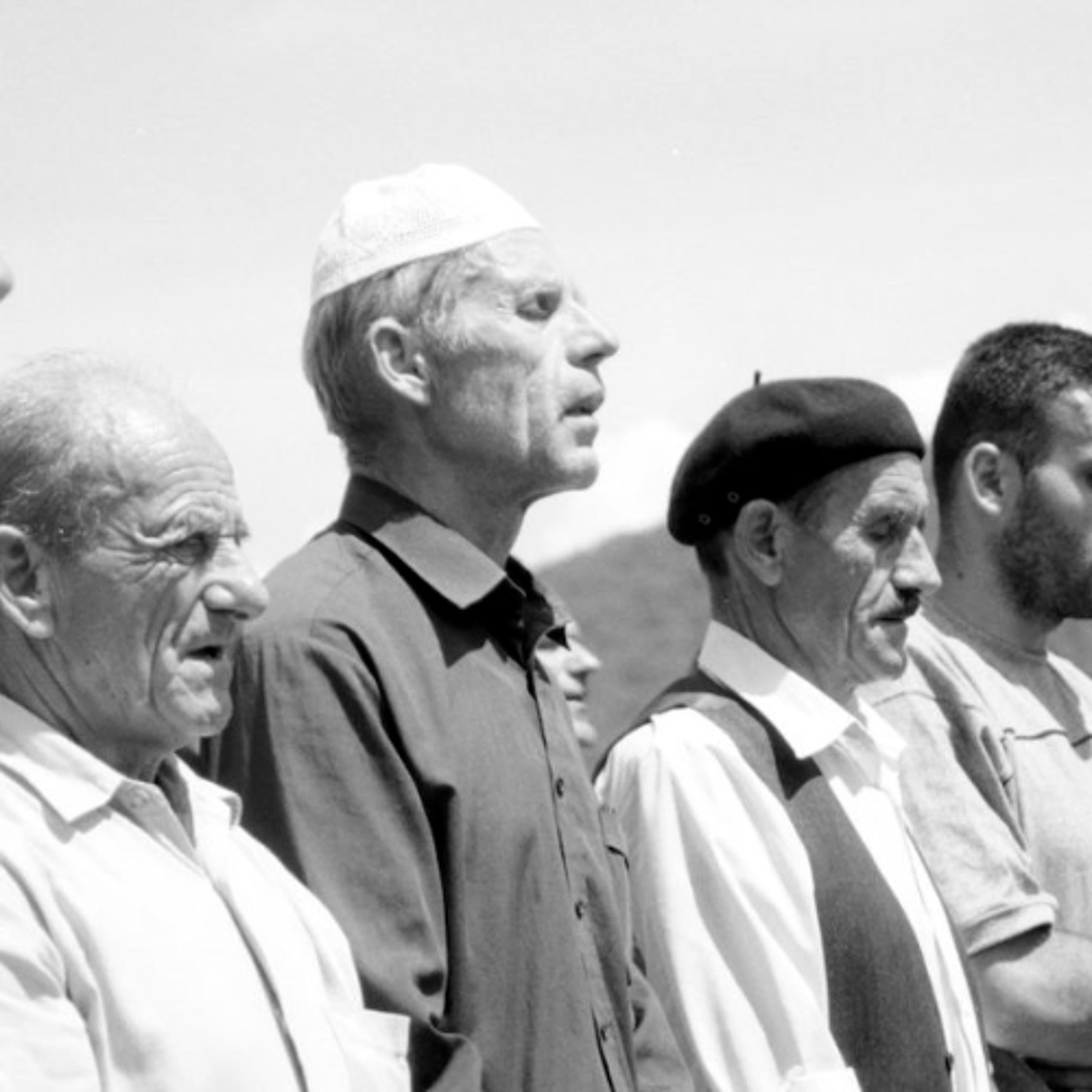
Respect for the dead under Islamic law: considerations for humanitarian forensics
In contemporary humanitarian crises, handling the dead presents significant practical and ethical challenges. With a significant number of armed conflicts occurring in Muslim contexts, understanding how Islamic law mandates dignified treatment of the deceased is essential to ensure that forensic interventions align with cultural and legal norms.
In this post, Dr Ahmed Al Dawoody, ICRC Legal Advis
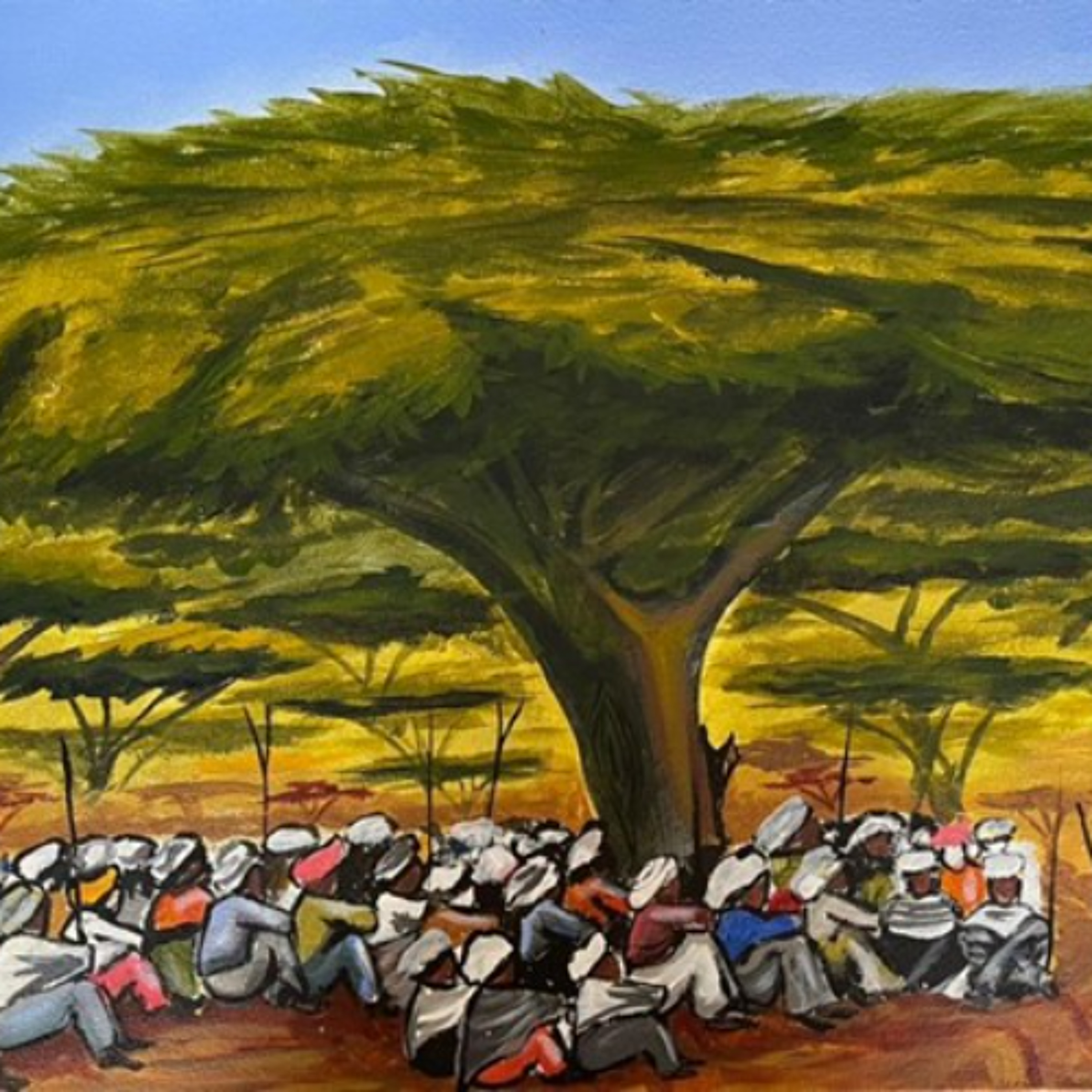
Verses of mercy: how Somali oral traditions can mitigate conflict and support IHL
The universality of international humanitarian law (IHL) assumes that its principles transcend cultural, geographical, and political boundaries. However, this presumption is challenged by the complexities of how IHL is perceived and implemented across different sociocultural contexts. Bridging the gap between theoretical universalism and practical application requires strategies that are sensitive
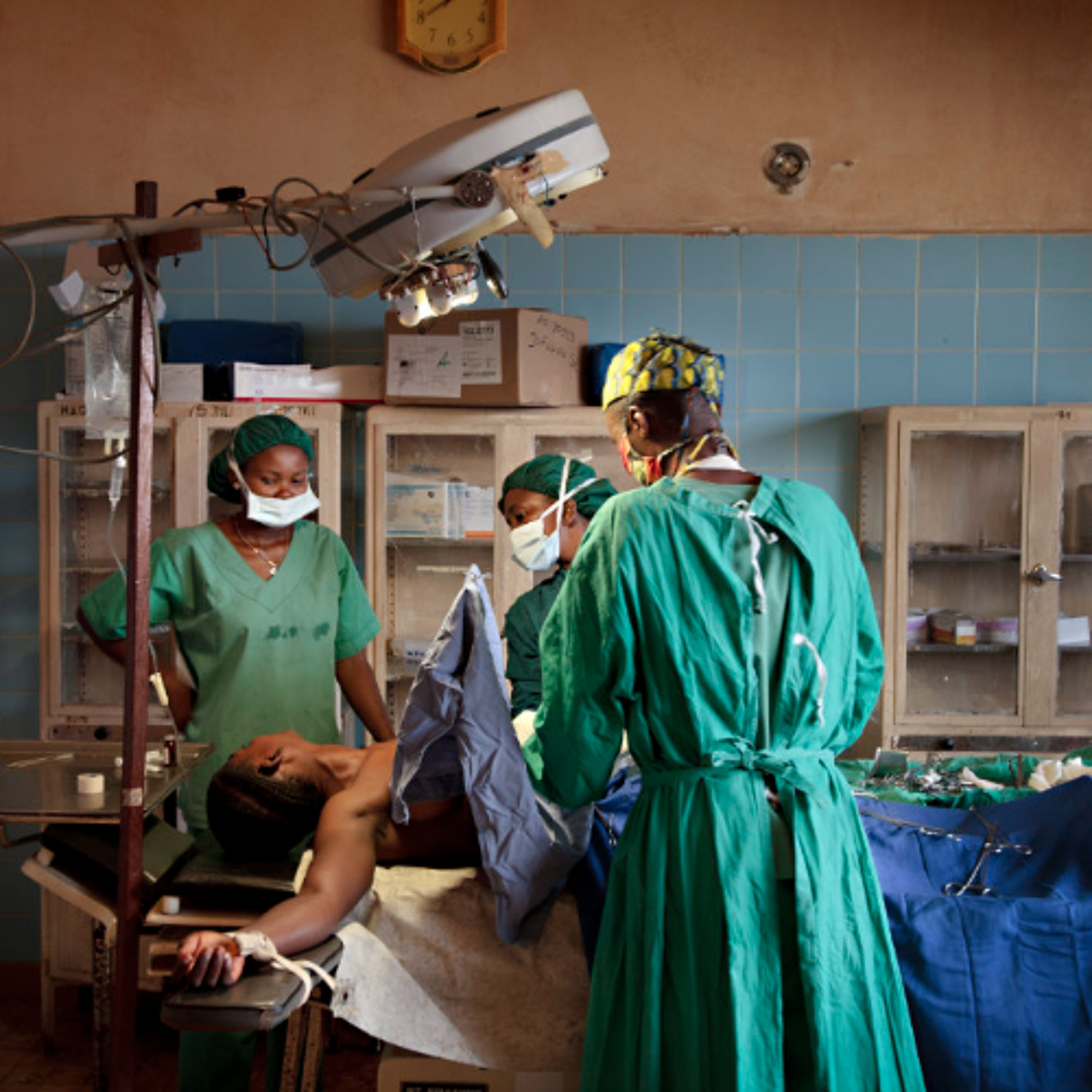
Reaffirming IHL’s specific protection of hospitals
In today’s armed conflicts, hospitals are increasingly being attacked or misused for military purposes, undermining one of international humanitarian law’s most fundamental protections. These strikes have devastating consequences for the people who rely on hospitals for life-saving care, from patients and medical staff to entire communities. When hospitals are damaged or forced to shut down, criti
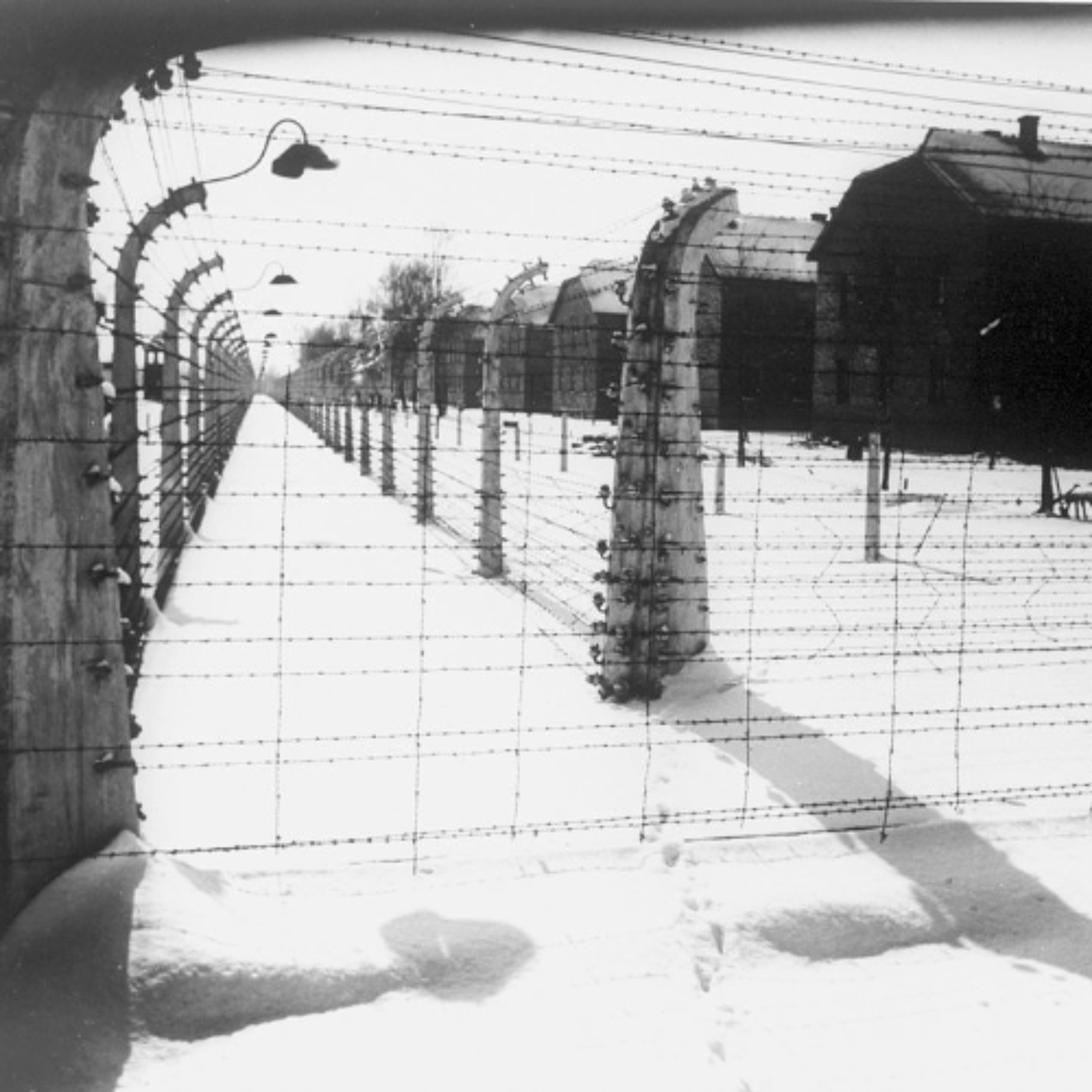
Eighty years on: honouring memory, upholding humanity
This year marks eight decades since the Holocaust, a defining moment of human suffering and moral failure. The memory of six million murdered Jews, and millions of others persecuted and killed, remains a solemn imperative. It compels not only remembrance, but a reaffirmation of collective responsibility. The 1949 Geneva Conventions were born to serve as a legal and moral bulwark against such atroc
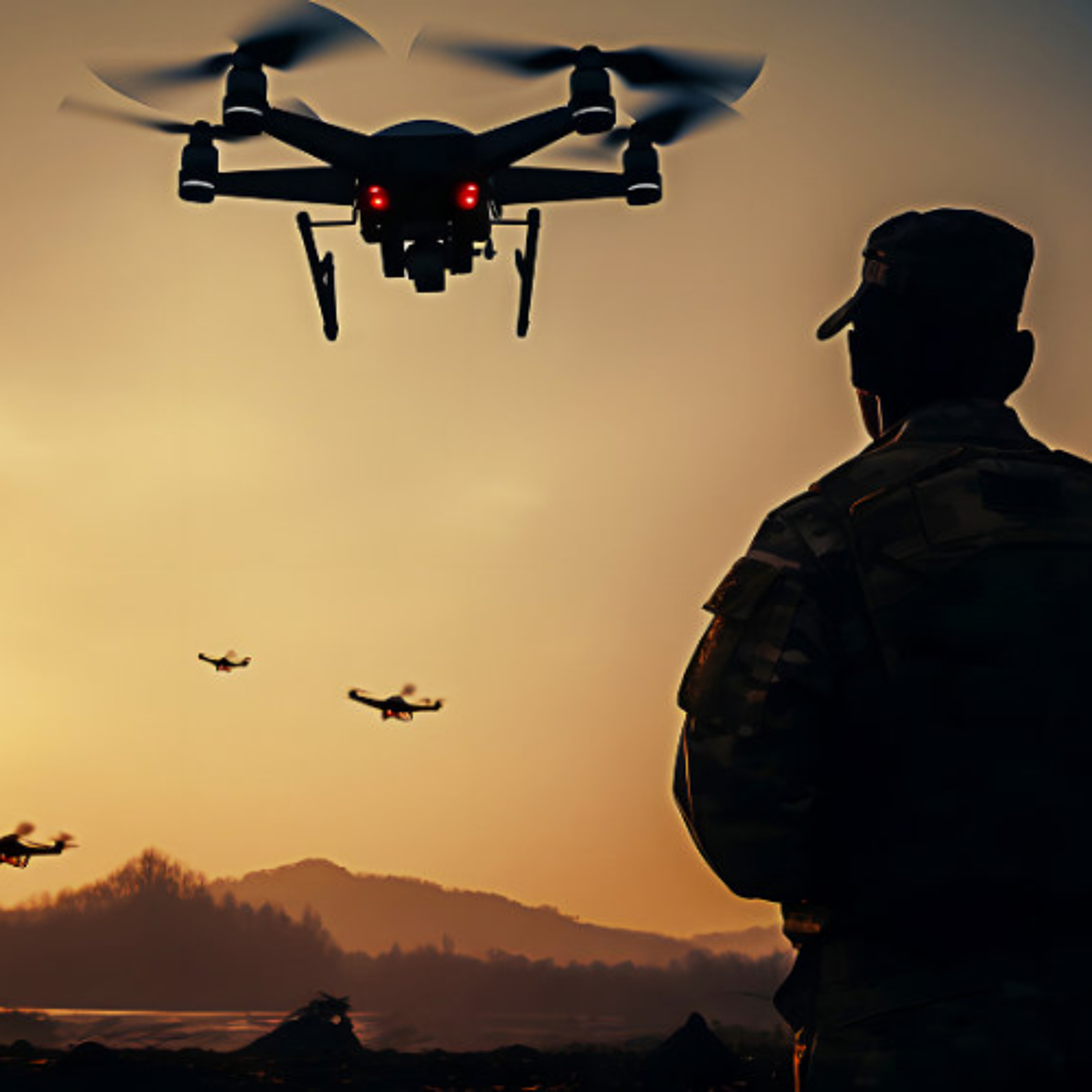
The shifting battlefield: technology, tactics, and the risk of blurring lines in warfare
The accelerating integration of emerging technologies into armed conflict is transforming not only the tools of war, but its tactics, geography, participants and impact. Technological developments – from commercial drones to artificial intelligence, electronic warfare to the military use of civilian infrastructure – risk undermining boundaries between military and civilian domains. These changes c
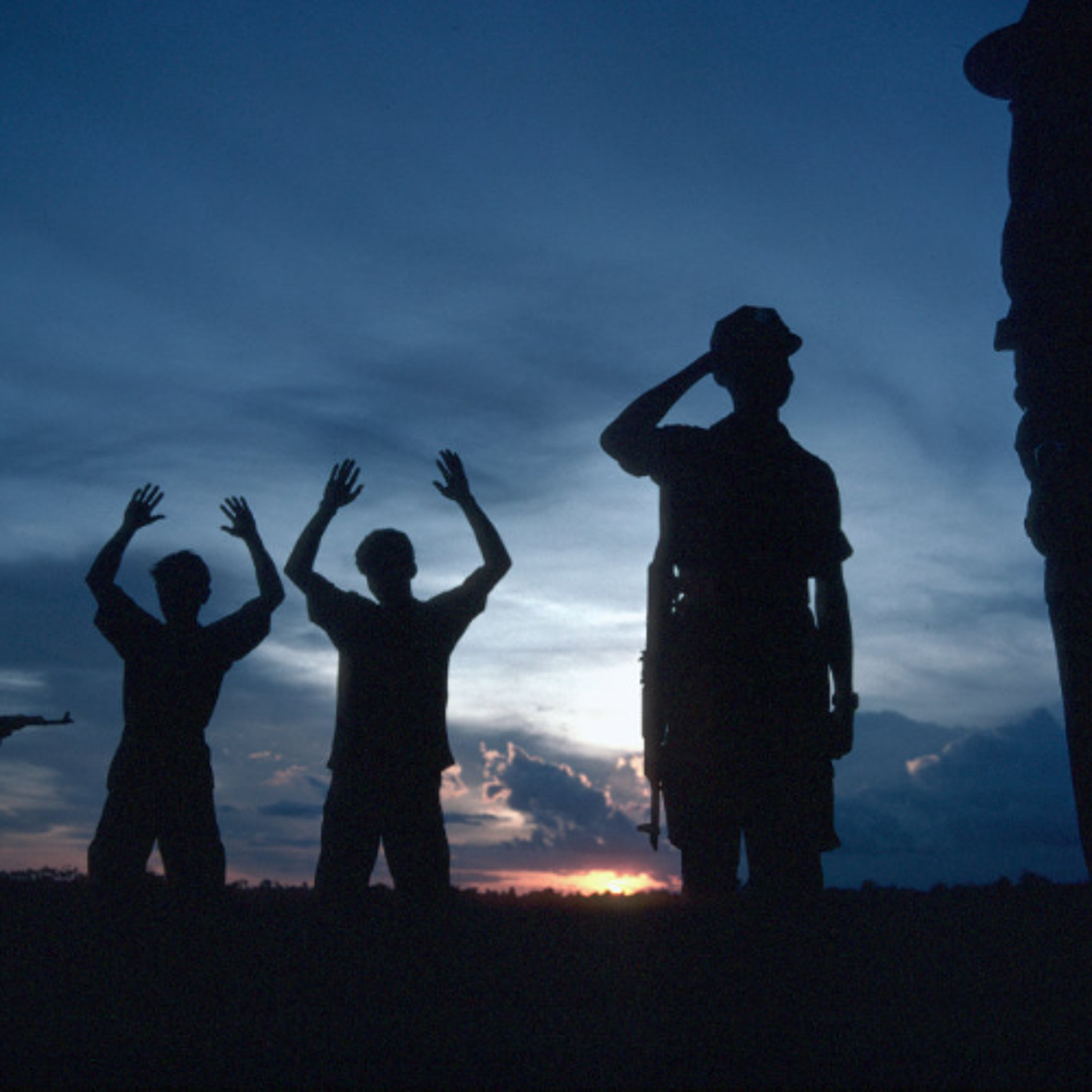
Complying with IHL in large-scale conflicts: detention operations in international armed conflicts
Large-scale detention operations in international armed conflicts (IACs) pose significant humanitarian, legal, and operational challenges. International humanitarian law (IHL) provides detailed rules governing the treatment and protection of persons deprived of liberty, whether they are prisoners of war, other persons interned for security reasons, or other protected persons. These obligations, en
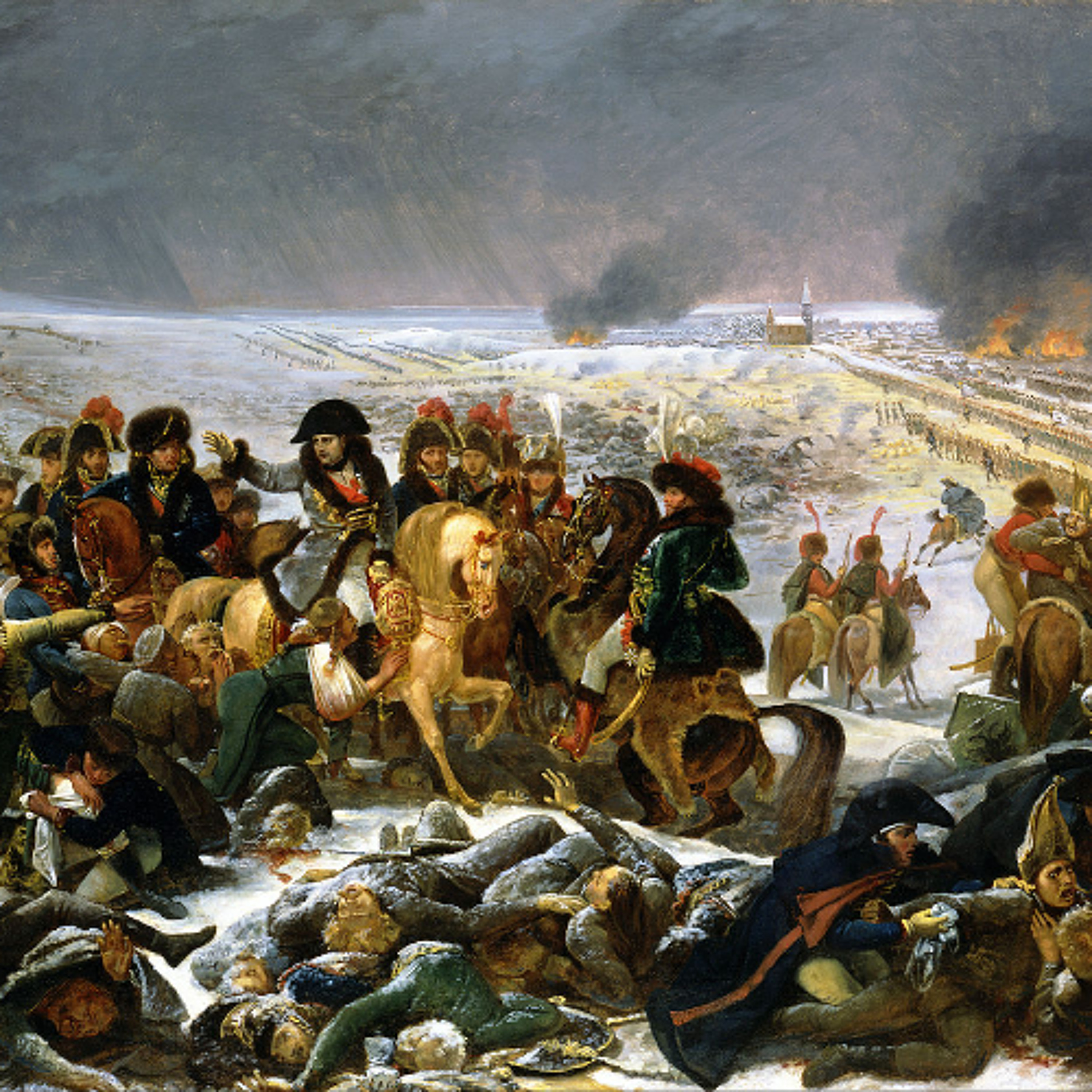
From “total war” to “total defence”: tracing the origins of civilian involvement in armed conflict
When states adapt “total defence” strategies that mobilize entire populations in preparation for armed conflict, the line between civilian and combatant can become dangerously blurred. This raises pressing legal, ethical, and humanitarian questions about the risks to civilians in warfare.
In this post, Ruben Stewart, ICRC Adviser on Technology in Warfare, traces the roots of “total defence” to t
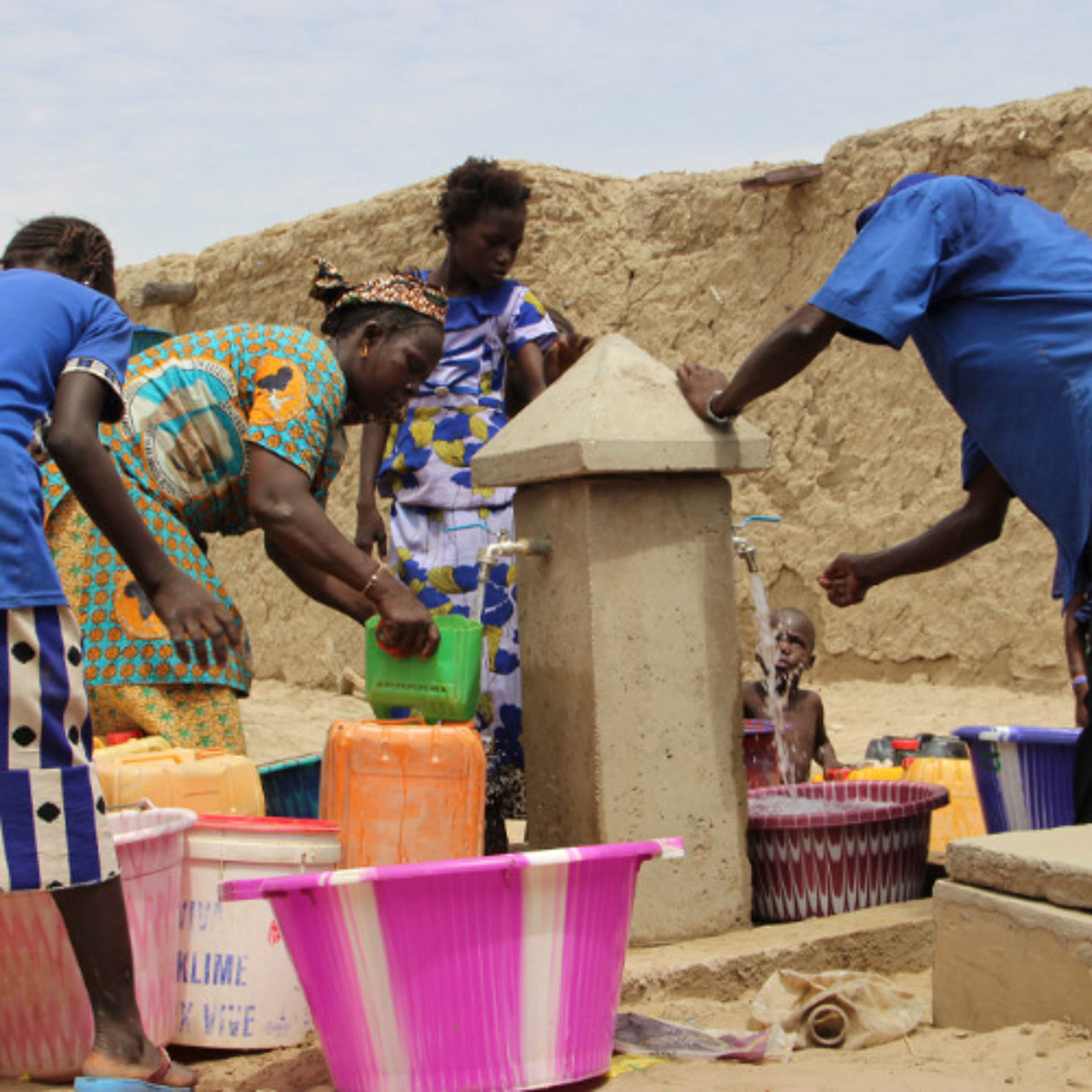
The imperative to protect water and water systems during armed conflict
Amid the complexities of contemporary armed conflicts, damage to water infrastructure and the use of water as a means or method of warfare have devastating consequences for both civilian populations and the environment. Despite existing legal protections, gaps in compliance and enforcement leave water systems vulnerable, exacerbating humanitarian crises and ecological harm. Addressing these challe
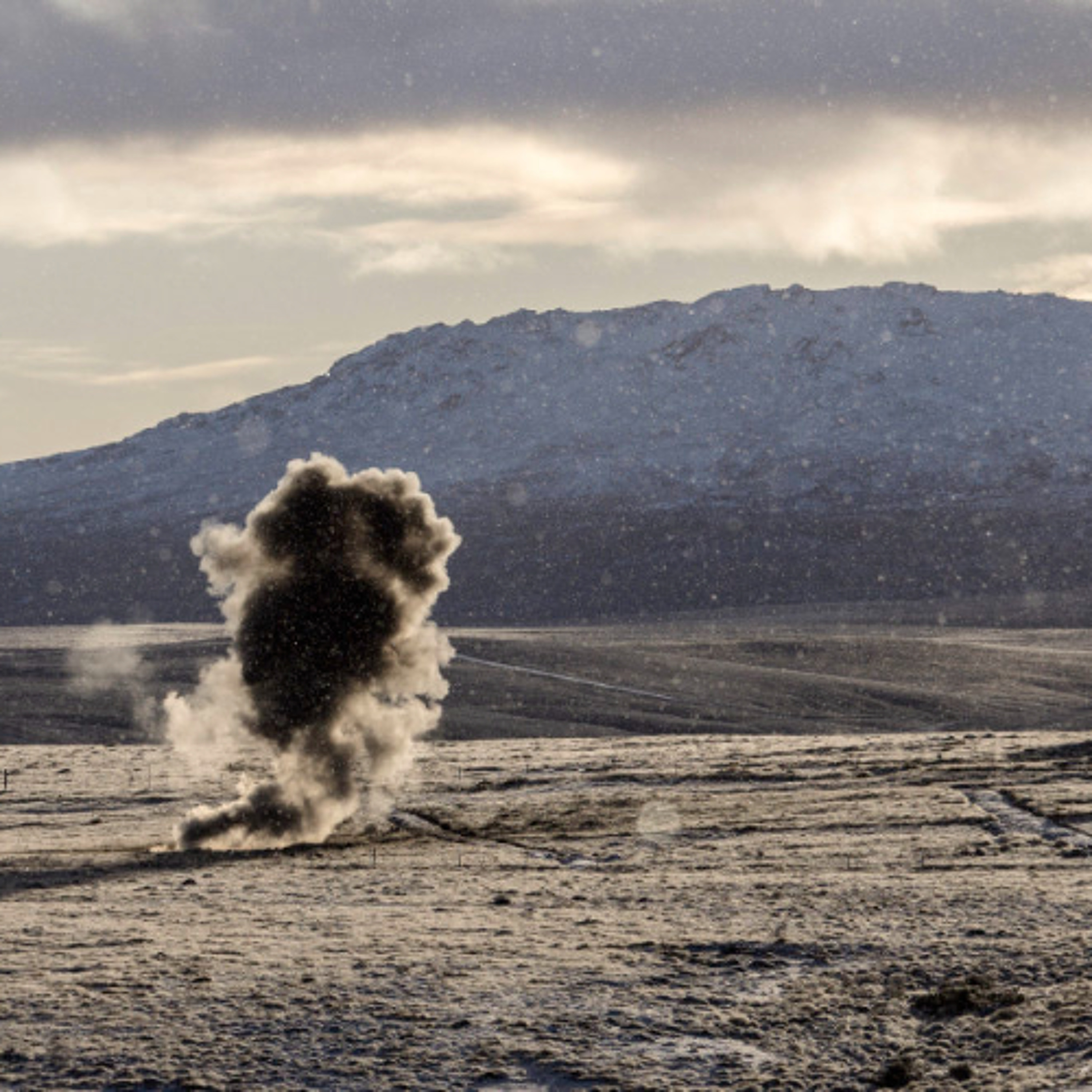
Addressing landmine pollution: how the 'polluter pays' principle can help
Landmines, a persistent threat in post-conflict zones, pose severe risks to both human lives and the environment. These explosive devices, often buried underground, remain dormant for years, contaminating soil and water and causing long-term ecological damage. While robust legal frameworks governing landmines exist under international humanitarian law (IHL), landmine instruments have only recently
From disenchantment to a universal culture of compliance: IHL education “2.0”
As public opinion is critical in shaping decision-making during armed conflict, engaging with and informing youth and the broader public about international humanitarian law (IHL) is essential for ensuring compliance with the law and promoting accountability. IHL education – both formal and non-formal – is key to this endeavor. Engagement across all generations and audiences – both military and ci
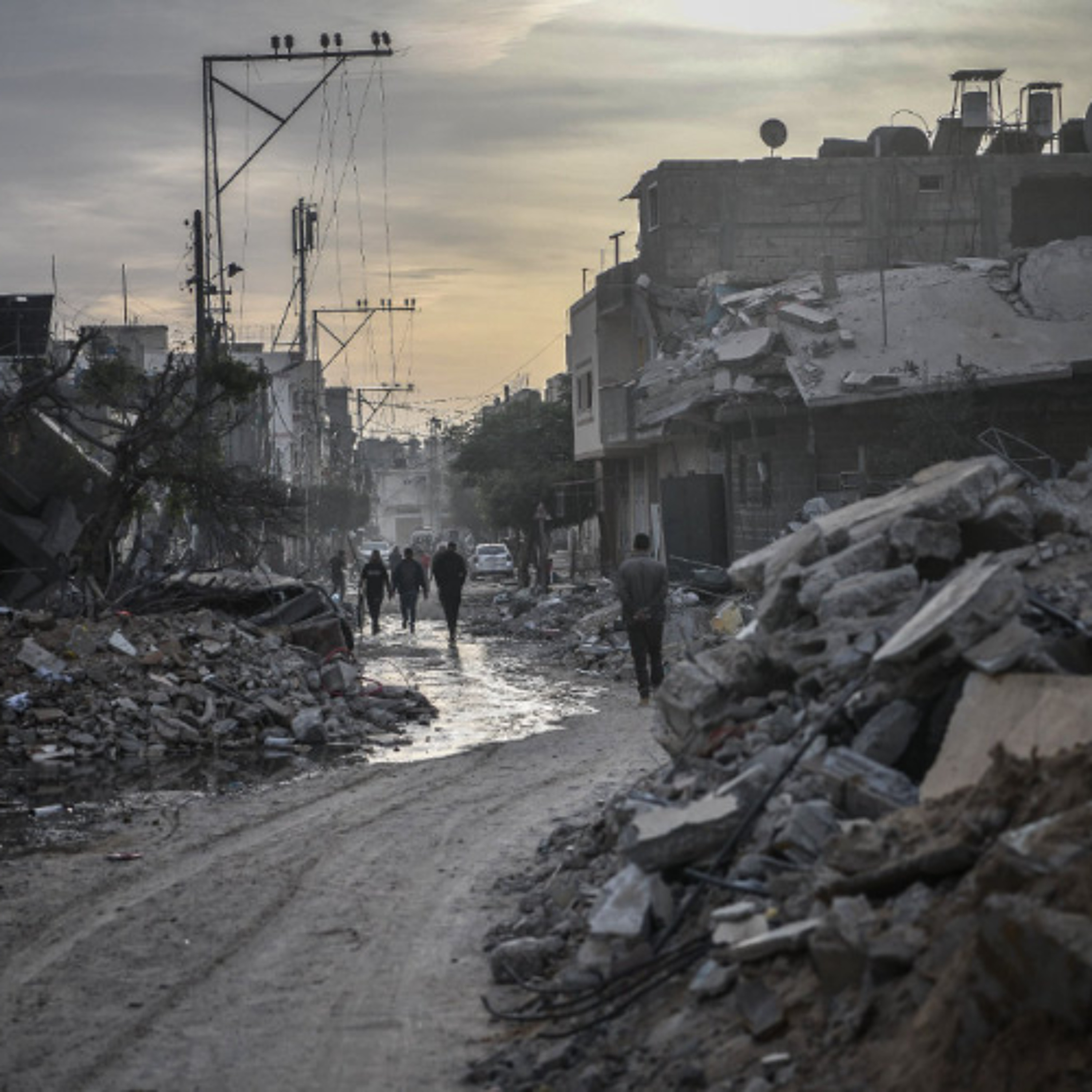
Complying with IHL in large-scale conflicts: key preparedness measures
As states increasingly focus on strengthening their defense capabilities, discussions on military preparedness are gaining prominence, particularly in relation to large-scale conflicts. Such conflicts, involving major powers, advanced weaponry, and extensive resources, would unfold with considerable intensity, scale, and tempo. The humanitarian consequences would be far-reaching and severe, potent
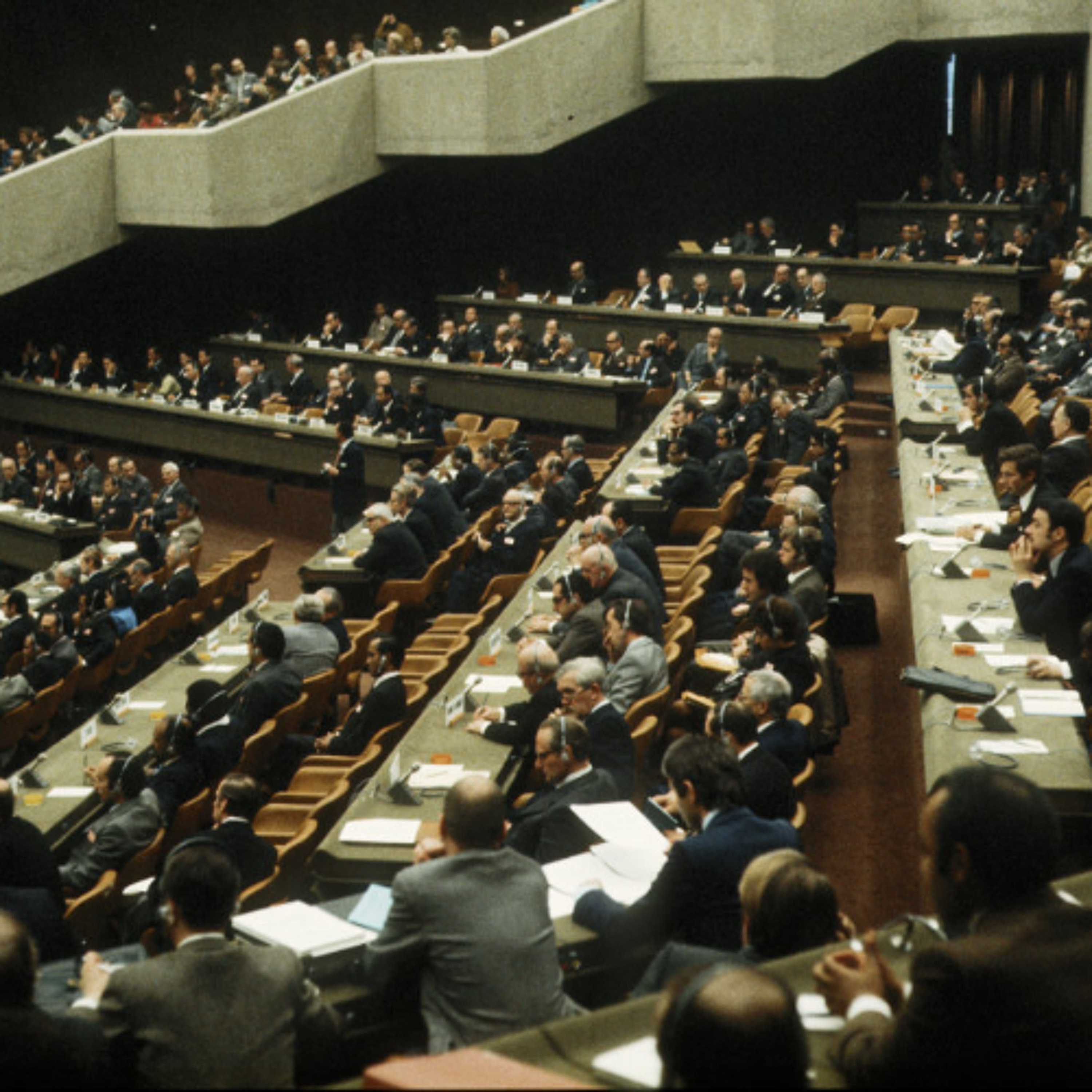
Anchoring protection: Islamic law contributions to the development of the 1977 Additional Protocols to the Geneva Conventions
References to Islamic law made by the delegations of Egypt, Saudi Arabia, Sudan and Syria during the 1974–1977 Diplomatic Conference – which led to the adoption of the two Additional Protocols to the 1949 Geneva Conventions – offer a partial glimpse into the contributions of Islamic law to the development of some modern international humanitarian law (IHL) principles.
In this post, ICRC’s legal a
Empfohlen

Hirnguetzli – Der Schweizer Wissenspodcast für Kinder

geneveMonde.ch
Gülsha & Maja Podcast

🇨🇭🇩🇪 Markt-Trends setzen mit Swissquote
Wankdorfgeflüster

Balzer Sport Churwalda

Tribu ‐ RTS Première
Sous la coupole, le podcast politique du Temps

Schreckmümpfeli

ACHZÄDREYENÜNZIG

*innenpolitik

Forum ‐ RTS Première
