
The Next Page
The Next Page is a podcast produced by the United Nations Library & Archives Geneva that explores the power of international cooperation and its impact on our future. Each episode delves into global issues through a multilateral lens, featuring conversations with experts, recordings of Library events, and insights into the UN. The podcast aims to advance the conversation on multilateralism and how collaboration across disciplines can facilitate reaching common goals.
Folgen

The League of Nations and International Law
Editors Karin van Leeuwen and Morten Rasmussen explain how their Cambridge Handbook uses deep archival research across dozens of collections and brings together international contributors to reveal how the League of Nations used legal techniques, institutions, and networks to shape an incipient form of global governance.
The episode highlights key findings — the League’s legal section and court ex

Diplomacy's Keystone: International Law for Diplomats
Mario Oyarzábal, Member of the International Law Commission and the Legal Advisor to the Argentine Ministry of Foreign Affairs, discusses the new book International Law for Diplomats, a concise, practitioner-focused guide written to help diplomats—lawyers and non-lawyers alike—handle real-world issues like treaty negotiation, state immunities, use of force, human rights, and dispute settlement.
Th

AIxMultilateralism: Down to Earth — Why AI Depends on Planetary Intelligence, with Martín Tironi Rodó
This is AI x Multilateralism, a playlist of conversations at the UN Library & Archives Geneva where we’re joined by experts who help us unpack the many ideas and issues at the nexus of AI and international cooperation.
The environmental impact of AI systems is becoming clearer and increasingly discussed. But what if we went beyond this to look at how the success of AI is dependent on the ear

Democracy, Trust and Emotions in the History of Global Governance
In this episode we explore some of the emotional and psychological life of international governance.
Professor Daniel Laqua, Professor Dan Gorman and Dr. Anne-Isabelle Richard talk about GLO, a transatlantic research project examining how civil society, activists, and NGOs have campaigned to build, shape, reform or put an end to international organizations from the early 20th century to the early

AIxMultilateralism: Philanthropy's Role in Inclusive, Ethical AI
This is AI x Multilateralism, a playlist of conversations at the UN Library & Archives Geneva where we’re joined by experts who help us unpack the many ideas and issues at the nexus of AI and international cooperation.
Should philanthropy be a part of the development and governance of AI? We’re exploring this question with Hubert Halopé and Giuseppe Ugazio, both part of the team at the Artif

Redrawing the Map: How African States Shaped Multilateralism
In this episode Lynda Chinenye Iroulo, Assistant Professor of International Relations at Georgetown University in Qatar, discusses how African states actively shaped multilateral institutions. Drawing on her research in decolonial international relations and the design of regional organizations, she talks about the history behind the African Union, the African Peer Review Mechanism, and the push f

AIxMultilateralism: Why We Need Redlines for Data, with Emily Tucker
This is AI x Multilateralism, a playlist of conversations at the UN Library & Archives Geneva where we’re joined by experts who help us unpack the many ideas and issues at the nexus of AI and international cooperation.
For this conversation we’re joined by Emily Tucker, Executive Director at the Center on Privacy & Technology and Adjunct Professor of Law, at Georgetown Law. There are man

Anticipating Tomorrow: Inside GESDA’s Science Diplomacy Playbook
Professor Marilyne Andersen, Director-General of GESDA explains how anticipatory science diplomacy works: gathering scientists’ foresight, translating breakthroughs into policy and practice, and preparing society for disruptive technologies.
The episode covers GESDA’s Radar of 5–25-year futures, the Open Quantum Institute’s “Quantum for All” approach, the importance of open science and inclusivity

AIxMultilateralism: "A Dangerous Master" Revisited - Wendell Wallach on AI, Ethics and Governance
This is AI x Multilateralism, a playlist of conversations at the UN Library & Archives Geneva where we’re joined by experts who help us unpack the many ideas and issues at the nexus of AI and international cooperation.
In this episode, we're joined by Wendell Wallach, a bioethicist who's been working on the ethics and governance of emerging technologies for decades. He’s the author of two b

Start Close In: Diplomacy, Technology, and the Ground Beneath Our Feet
Start Close In: Diplomacy, Technology, and the Ground Beneath Our Feet
In this episode of The Next Page, we talk with Anja Kaspersen — an IEEE director and former director of the United Nations Office for Disarmament Affairs in Geneva and Deputy Secretary General of the Conference on Disarmament — about having more confident discussions on technology, and how poetry, attention, and disciplined pe

The state of multilateralism: crisis or renaissance?
Historian Alanna O'Malley explores how Global South actors have shaped the United Nations, arguing we should view today's challenges as an opportunity for a UN 'renaissance' rather than a collapse. She highlights invisible histories, multi-alignment strategies, regional and minilateral developments, and the need for Charter reform, greater legitimacy, accountability and public engagement to renew

AIxMultilateralism: Can AI Predict A Crisis? with Dr. Martin Waehlisch
This is AI x Multilateralism, a playlist of conversations at the Commons, our space at the UN Library & Archives Geneva for sharing knowledge on multilateralism. In this series, we’re joined by experts who help us unpack the many ideas and issues at the nexus of AI and international cooperation.
In this episode we ask: can AI help us better predict, respond to, and recover from crises? We’re

Open Science: How Sharing Knowledge Can Save the Planet
In this episode we speak with Jean-Claude Burgelman about what open science means, why it accelerates innovation, and why we need it now.
Jean-Claude Burgelman discusses practical benefits for businesses and NGOs, barriers like paywalled publishing and academic incentives, and the urgent need to make publicly funded data usable.
Jean-Claude argues for multilateral infrastructure—a global open scie

AIxMultilateralism: Public AI - The New Multilateralism? with Jacob Taylor & Joshua Tan
This is AI x Multilateralism, a mini-series on The Next Page, where experts help us unpack the many ideas at the nexus of AI and international cooperation.
Today, the majority of AI development and deployment is controlled by a small number of powerful firms. If this path continues, the next generation of digital infrastructure underpinning our societies will be privately owned and unaccountable

U Thant: Peacemaker
Our final episode of the year invites listeners into the life and legacy of U Thant, the longest‑serving Secretary‑General of the United Nations and a quiet architect of peace during some of the most dangerous moments of the Cold War.
Drawing on the perspective of historian Thant Myint‑U, his grandson, the conversation revisits
U Thant’s role in crises such as the Cuban Missile Crisis and the Con

League of Minds: How Interwar Intellectual Cooperation Shaped Cultural and Political Relations
On the launch of the latest publication in the UN Historical Series, published by the UN Library & Archives Geneva, this episode of The Next Page explores the history of intellectual cooperation around the League of Nations, tracing the creation of the International Committee in Geneva and the Paris-based International Institute for Intellectual Cooperation.
Guest speakers Dr. Martin Grandjean

AIxMultilateralism: AI Empire or Global Commons? Why Inclusive Governance Matters, with Dr. Rachel Adams
This is AI x Multilateralism, a mini-series on The Next Page, where experts help us unpack the many ideas and issues at the nexus of AI and international cooperation.
AI has the dual potential to transform our world for the better, while also deepening serious inequalities. In this episode we speak to Dr. Rachel Adams, Founder and CEO of the Global Center on AI Governance and author of The New

What's hope got to do with it?
In this episode, we host Associate Professor Disa Sauter from the University of Amsterdam, and Edward Mishaud from The Beyond Lab at UN Geneva, to explore affective science and the role of hope in driving individual and collective sustainability action. They explain active versus passive hope, how different emotions shape decision-making, and why hopeful, solution-focused communication matters for

AIxMultilateralism: Why Diplomats Must Understand AI, with Dr. Jérôme Duberry
This is AI x Multilateralism, a mini-series on The Next Page, where experts help us unpack the many ideas and issues at the nexus of AI and international cooperation.
What does it mean to be AI literate, especially for the world’s diplomats leading negotiations on behalf of their countries? We’re joined by Dr. Jérôme Duberry, Senior Lecturer of International and Development Studies, Co-Director

Nature Knows No Borders: Inside the Convention on Migratory Species
In this episode, Amy Fraenkel, Executive Secretary of the Convention on Migratory Species (CMS), discusses the Convention’s first State of the World’s Migratory Species report, the urgent threats facing migratory animals, and the need for international cooperation and ecological connectivity to protect them.
The conversation covers key findings from the report, main threats such as habitat loss an

The Locarno Treaties and the Transformation of International Politics
As we commemorate the 100th anniversary of the Locarno Treaties of 1925, this episode explores the treaties' place in the "long 20th century," examining how leaders like Gustav Stresemann, Aristide Briand, and Austen Chamberlain sought a new European order in a transformed Atlantic and global setting after the First World War.
Professor Patrick O. Cohrs explains the Treaties’ significance, strengt

AIxMultilateralism: When AI Speaks for Nations - The Ethics of AI Use in Multilateral Deliberations, with Eleonore Fournier Tombs
Welcome to AI X Multilateralism, a new series of conversations on The Next Page.
In this collection, we’re joined by experts who help us unpack the many ideas and issues at the nexus of AI and international cooperation. Our first episode begins with the question: is it ethical to use AI in multilateral deliberations?
We’re joined by Eleonore Fournier-Tombs, Head of Anticipatory Action and Inno

The Press and Peace: The League of Nations' 1925 Resolution
On the 100th anniversary of the League of Nations' 1925 Resolution on the Collaboration of the Press in the Organisation of Peace, we talk with Professor Kaarle Nordenstreng to explore how media, moral disarmament, and broadcasting shaped interwar internationalism and later global media debates.
Professor Nordenstreng shares his thoughts on his research on the 1925 Resolution and the developments

Francesco Pisano on Knowledge to Lead
Francesco Pisano, Director of the UN Library & Archives Geneva, reflects on the transformative power of knowledge, and the role of the Library & Archives in democratizing access to knowledge. He discusses projects like the Total Digital Access to the League of Nations, the balance between humans and machines, and how knowledge-led leadership can strengthen multilateral cooperation.
As he p

Parliamentary cooperation for peace, justice and prosperity for all - with Martin Chungong
In this insightful episode, we are honored to host Mr. Martin Chungong, the Secretary General of the Inter-Parliamentary Union (IPU) and a leading voice in global parliamentary diplomacy. With over forty years of experience, Mr. Chungong shares his perspectives on the role of parliaments in addressing global challenges, fostering international cooperation, and promoting peace.
We delve into the si

Exploring Well-Beingology: A Journey into the Science of Happiness
Welcome to the latest episode of The Next Page, where we explore the fascinating domain of "well-beingology" with Roberto De Vogli, Associate Professor at the University of Padua and Visiting Professor at the University of London. Roberto de Vogli delves into the social determinants of health to uncover how a transdisciplinary approach can enhance our understanding of well-being.
Throughout the ep

Navigating the Waves of Climate and Law: A Dive into Ocean Governance with Nilufer Oral
In this enlightening episode of "The Next Page," we are joined by Nilufer Oral, member of the International Law Commission and expert in climate law and ocean governance. We take a deep dive into the intricate relationship between climate change, the oceans, and international law. Niloufar shares her journey from focusing on navigation and marine protection to her involvement in pivotal climate ch
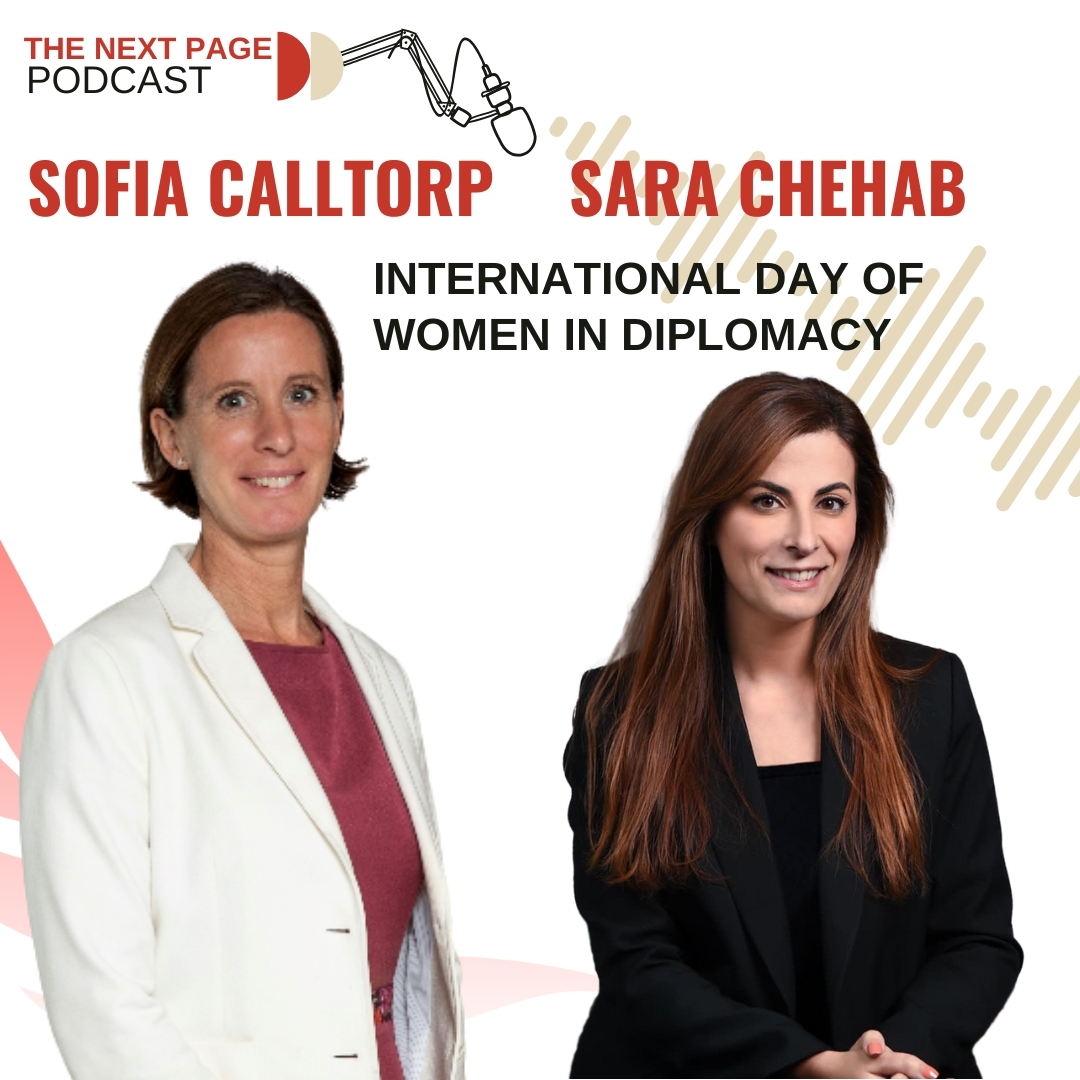
International Day of Women in Diplomacy
Join us for the special episode in partnership with UN Women to commemorate the International Day of Women in Diplomacy. This conversation on gender equality in diplomacy features insights from the Director of UN Women in Geneva, Sofia Calltorp, and Dr. Sarah Chehab, a Senior Research Fellow at the Anwar Gargash Diplomatic Academy, in Abu Dhabi.
Dr. Chehab shares the journey of founding the Women

Anda Filip: the parliamentary dimension of global governance
In this episode, we explore the world of parliamentary diplomacy with our special guest, Ambassador Anda Filip, Director for Member Parliaments and External Relations at the Interparliamentary Union (IPU). Ambassador Filip, an experienced diplomat, shares insights about her career journey and the pivotal role IPU plays in fostering global cooperation through its work which helps bridge internation
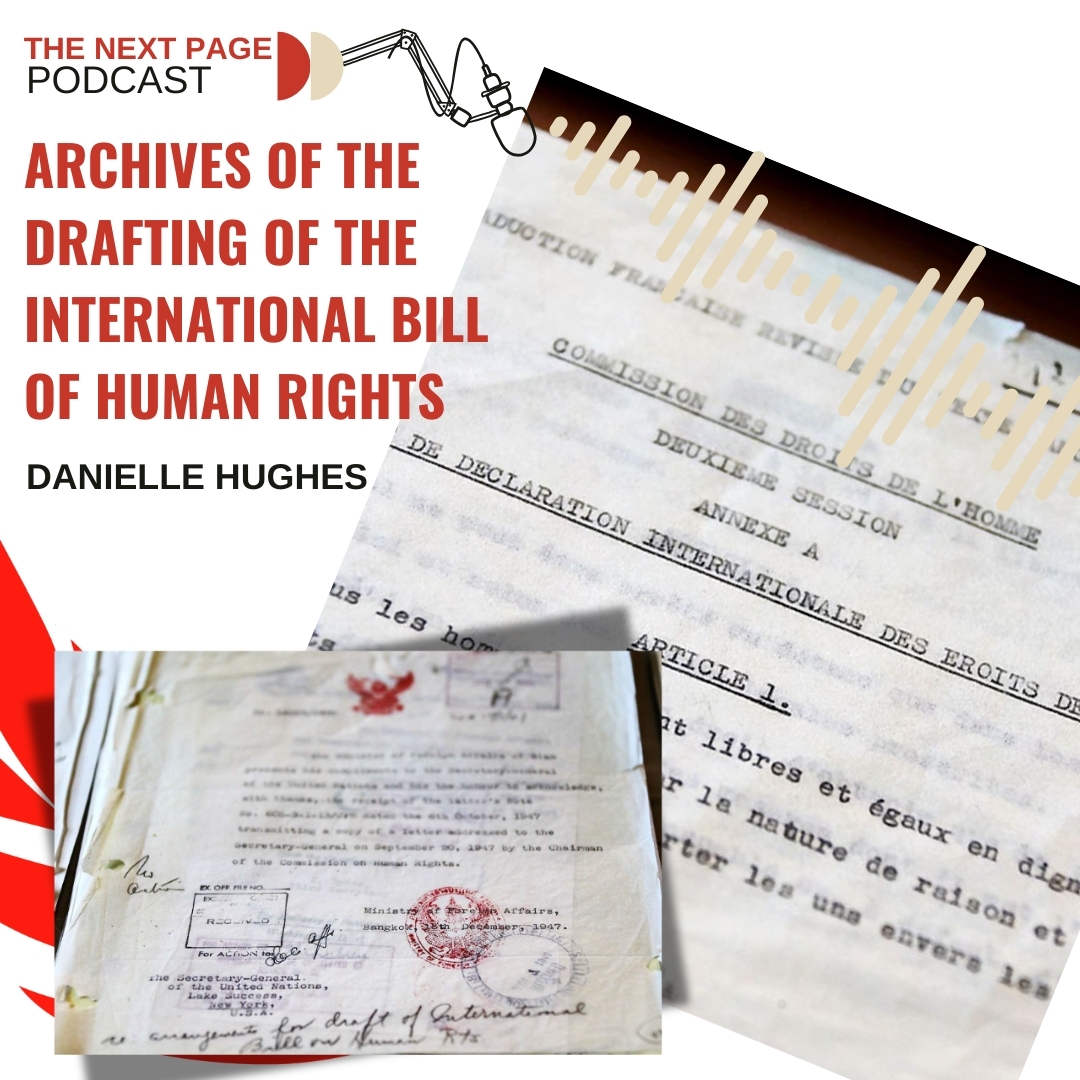
Discovering Human Rights History: Archives Inscribed in UNESCO Memory of the World
Join us as we celebrate International Archives Week on the theme of Archives for Everyone, with our latest news from the Library & Archives.
In this compelling discussion, Danielle Hughes, an archivist and the chief of the Records Management Unit at UN Geneva, speaks about the significance of the archives related to the International Bill of Human Rights being inscribed into the UNESCO Memor

Futuring & Science Fiction: a conversation with Dr. Martin Wählisch
Dr. Martin Wählisch, Associate Professor of Transformative Technologies, Innovation, and Global Affairs at the University of Birmingham, delves into the intersection of emerging technologies and international relations in this fascinating episode focused on science-fiction.
Dr. Wählisch discusses how AI, especially empathetic chatbots, can redefine diplomatic conversations and peace processes. Ma
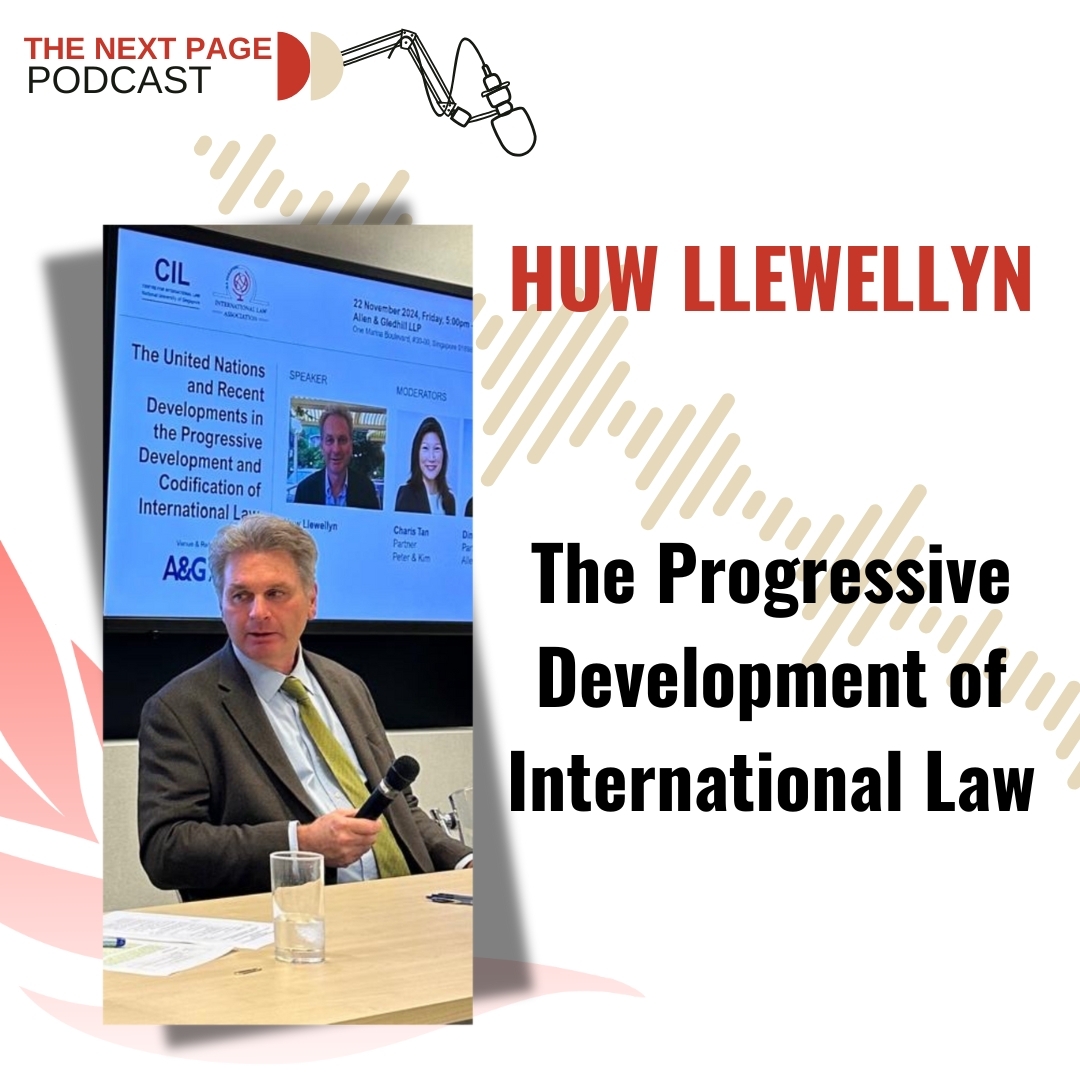
The Progressive Development of International Law: a conversation with Huw Llewellyn
Join us for an episode recorded in August 2024, with Huw Llewellyn, the former Director of the Codification Division of the United Nations Office of Legal Affairs and former Secretary to the International Law Commission (ILC), in a conversation about the evolution of international law.
We cover the history of the ILC, its role in the evolution of international law, and its relationship with the UN
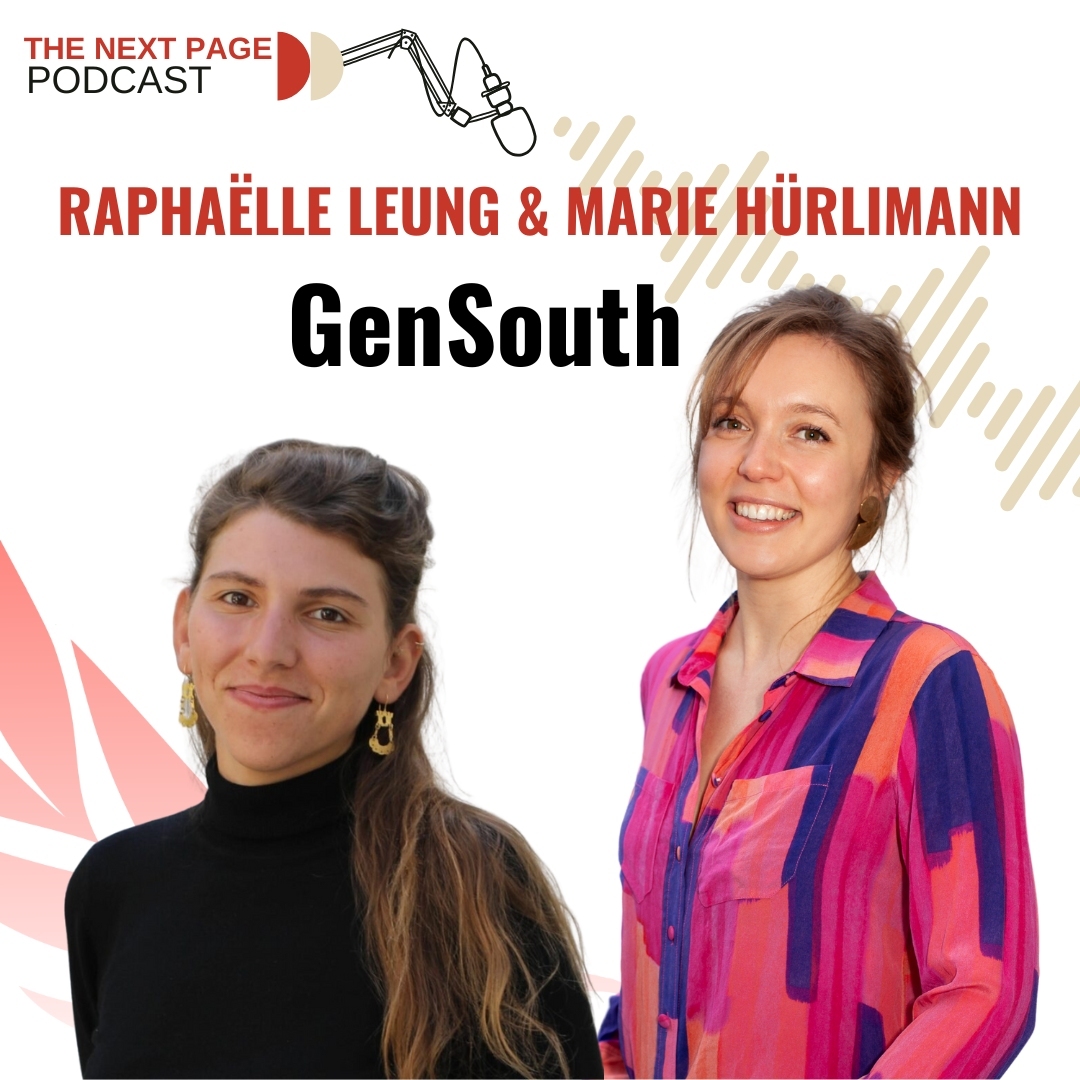
GenSouth: Four visions for multilateralism
This episode is released to mark the International Day of Multilateralism and Diplomacy for Peace 2025.
We invited Marie Hürlimann, Co-Director, and Raphaëlle Leung, Head of Communications of Foraus, a Swiss participatory think tank for young thinkers who want to shape tomorrow’s foreign policy, to talk about the latest Foraus publication that they co-edited with Maximillian Rau: GenSouth - New vo

Reimagining Global Governance for Food Security: Insights from the Kofi Annan Foundation
In this episode, we examine the complex issue of global food security and the need for a revamped governance system. Despite having enough food produced worldwide to feed everyone, millions still suffer from hunger due to systemic failures.
Our guest, Amir Abdulla, one of the Commissioners of the Kofi Annan Foundation Commission on Food Security, shares vital insights from the recently released re

Branding International Organizations with Stefan Tschauko
Our guest, Stefan Tschauko, explains how, “Branding in IOs means advancing humankind through the power of ideas”. Join us in this conversation as we explore the world of branding within international organizations, focusing on the United Nations.
Stefan shares his journey of over a decade in researching branding strategies and their impacts on organizational performance and global issues. With ins
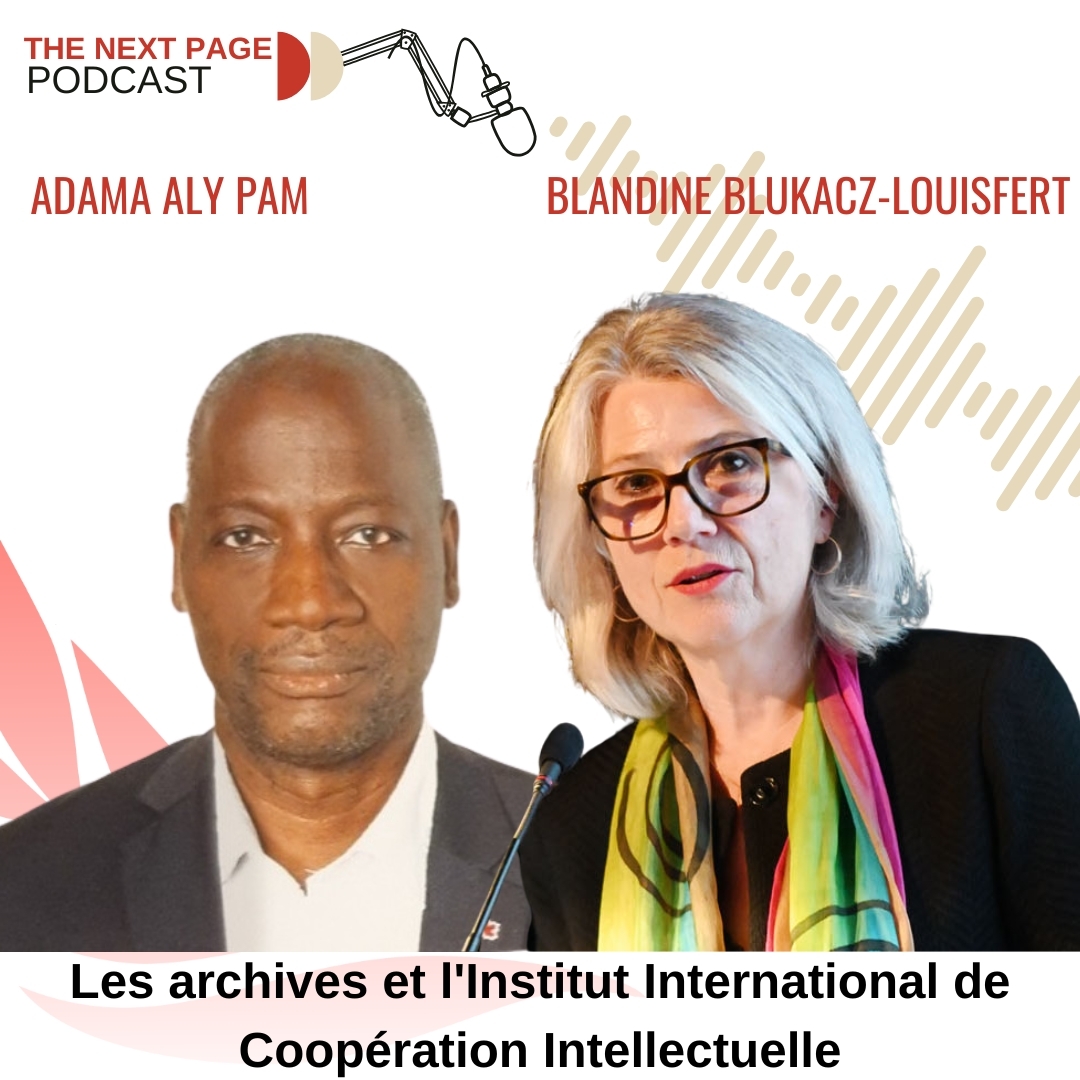
Les archives et l'Institut International de Coopération Intellectuelle
Le 9 septembre 1924, le Conseil de la Société des Nations adoptait une résolution qui allait donner naissance à l’Institut International de Coopération Intellectuelle. Précurseur de l’UNESCO, cet Institut a joué un rôle majeur dans le développement des échanges intellectuels internationaux.
Pour cet épisode, nous avons la chance d’accueillir deux invités de marque : Blandine Blukacz-Louisfert, Che
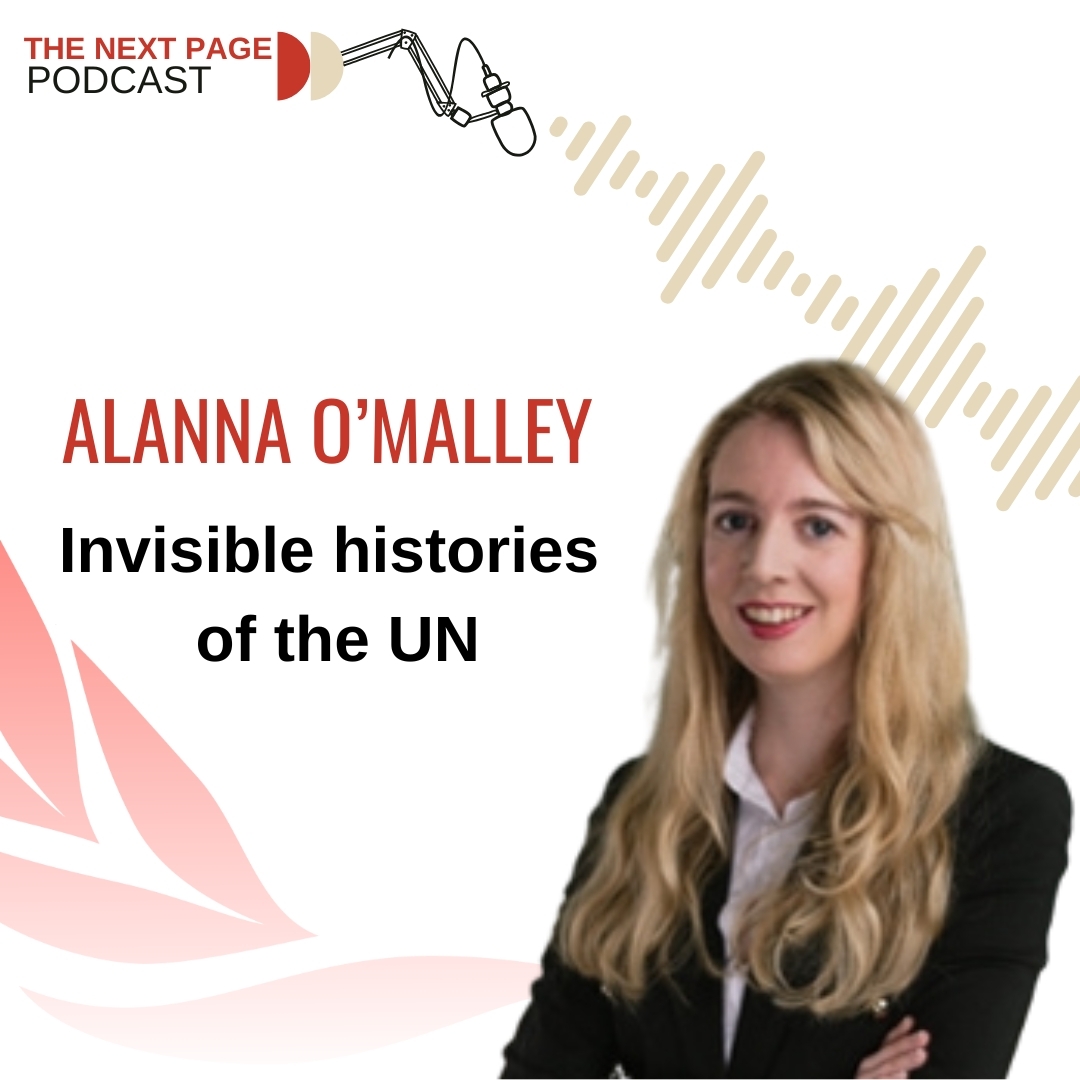
Invisible Histories of the UN - a conversation with Dr. Alanna O'Malley
In this episode of The Next Page, we uncover overlooked narratives of the United Nations' history, guided by Dr. Alanna O'Malley, associate professor at Leiden University. Recorded in Geneva during the recent META-UN academic conference on ideas relevant to multilateralism, Dr. O'Malley discusses her extensive research into the unseen contributions of Global South actors to the UN, challenging the

UNaccountable: Exploring Relational Accountability with Ioana Popp
In this enlightening episode recorded in October 2024, we were joined by Ioana Popp, the visionary Founder and Executive Director of UNaccountable, to delve into the dynamic world of relational accountability within the UN system. Discover how this Geneva-based organization aims to revolutionize multilateralism by exploring innovative solutions for enhancing the effectiveness and transparency of i

Féminismes et multilatéralisme (1920-1970) avec Françoise Thébaud
Dans cet épisode, nous avons la grande chance d'accueillir Françoise Thébaud, professeure émérite d’histoire contemporaine à l’université d’Avignon, qui a publié de nombreux travaux sur l’histoire des femmes et du genre. Elle nous rejoint pour discuter de l’histoire de la place des femmes et des féminismes dans le multilatéralisme, en se basant sur deux de ses ouvrages : Les féminismes. Une histoi

Civil Society and Hope for the Future
Welcome back to The Next Page and to a new series for 2025. Join us as we start the year with Daniel Perell, a representative of the Baha'i International Community to the UN, to discuss the pivotal role of civil society in shaping the Summit for the Future. In this energizing conversation, Daniel shares insights on multilateralism, the impact of normative frameworks, and the evolution of values su
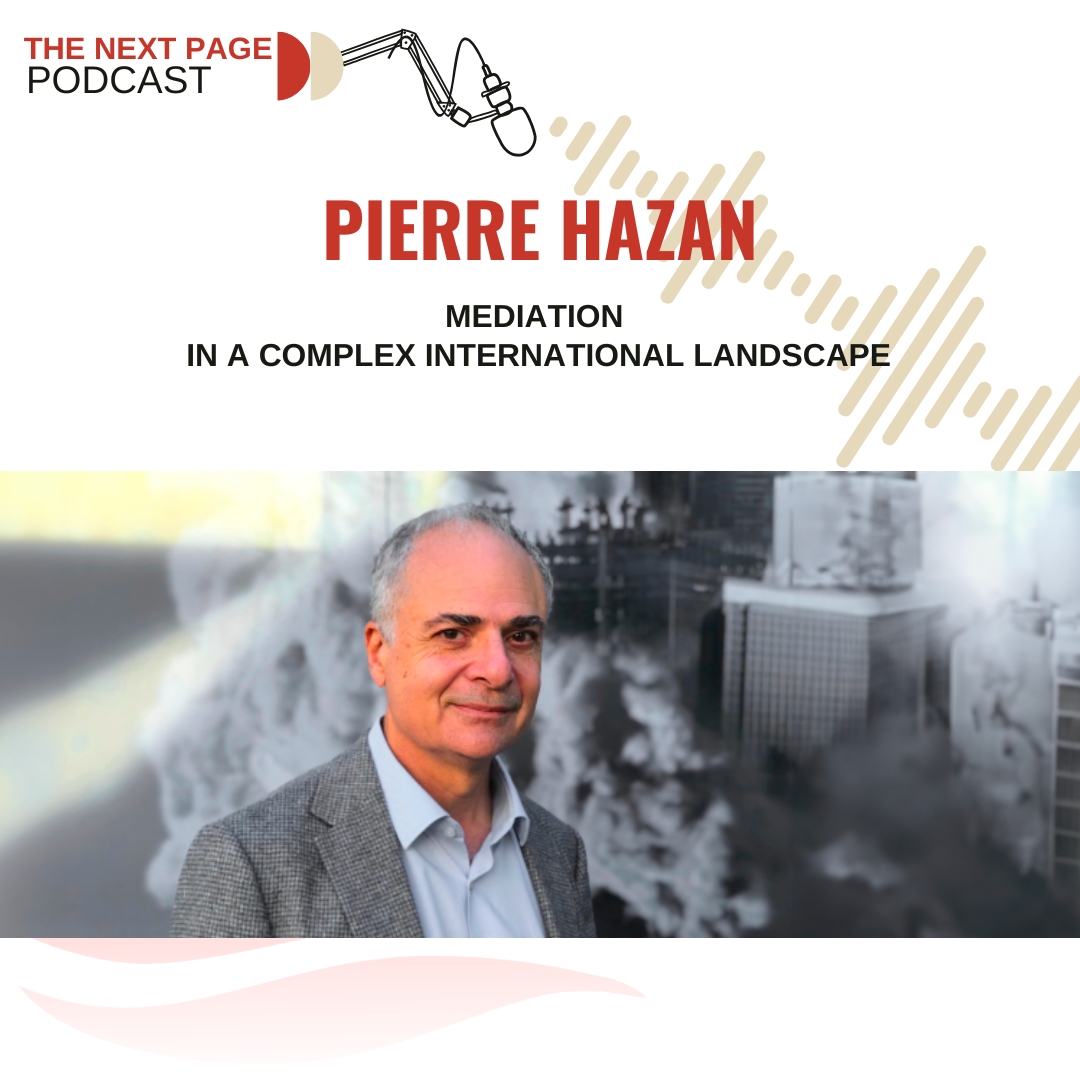
Mediation in a Complex International Landscape with Pierre Hazan
Join us for the final episode of the year as we discuss the nuanced world of international mediation with expert Pierre Hazan, a senior advisor with the Centre for Humanitarian Dialogue. Pierre is known for his extensive experience, and has advised international organizations, governments and armed groups on issues related to justice, amnesty, reparation, truth commission, forced disappearances, i

The Future of Diplomacy: preparing the next generation
In this enlightening episode, Nicholas Kralev, Executive Director of the Washington International Diplomatic Academy, discusses the future of diplomacy and preparing the next generation of diplomats. He shares insights from his latest book, "Diplomatic Tradecraft," exploring the essential skills and future of diplomacy.
Nicholas Kralev shares what drew him to the field, recounting his journey from
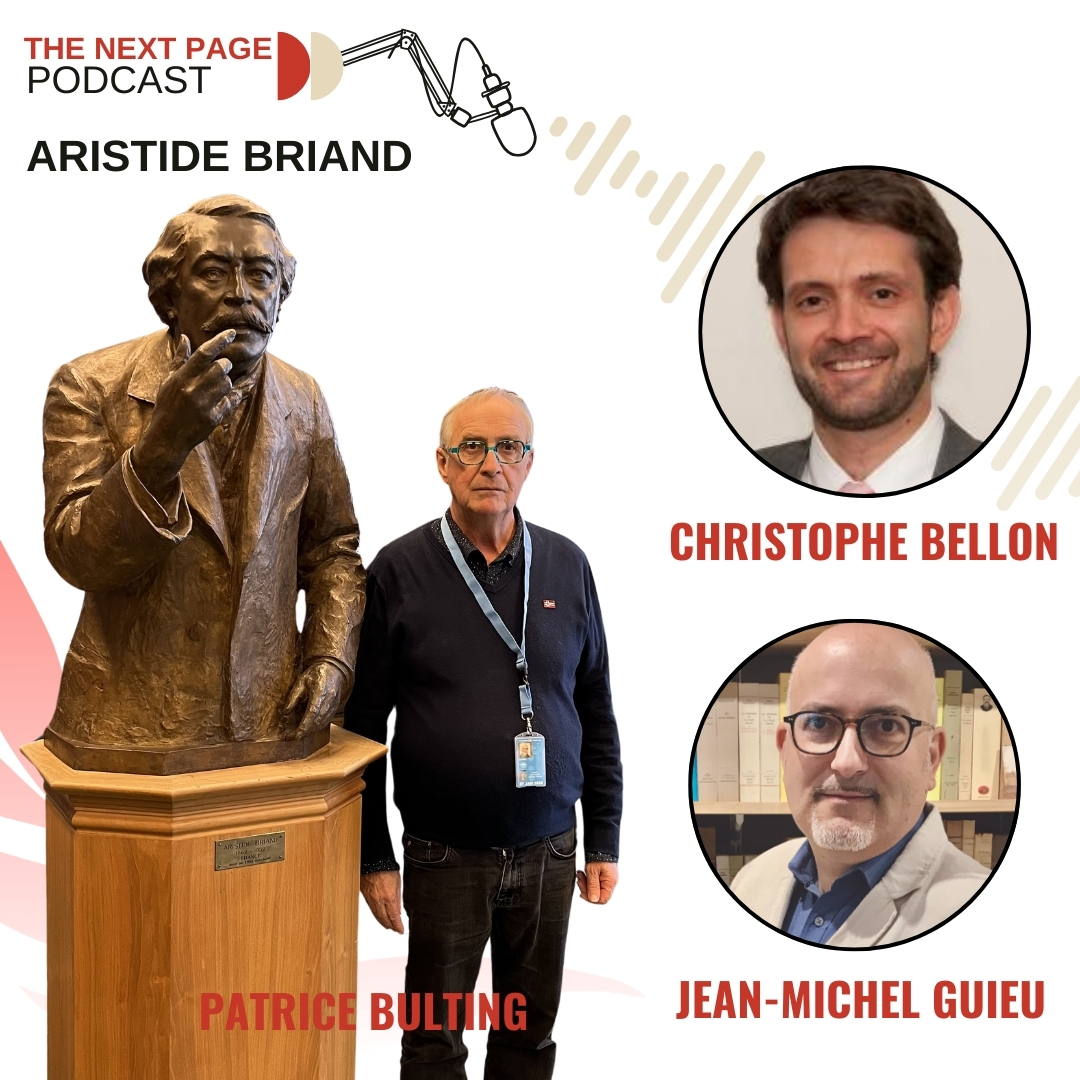
Aristide Briand : la conscience du monde mise à l'honneur
Dans cet épisode, nous explorons le parcours et l’héritage d’Aristide Briand avec trois invités : Patrice Bulting, Christophe Bellon, et Jean-Michel Guieu.
Aristide Briand (1862-1932), figure emblématique de la vie politique française du début du XXe siècle, a marqué l’histoire par son engagement pour la paix et sa vision politique unique. Grâce aux récits de nos invités, nous découvrons les multi
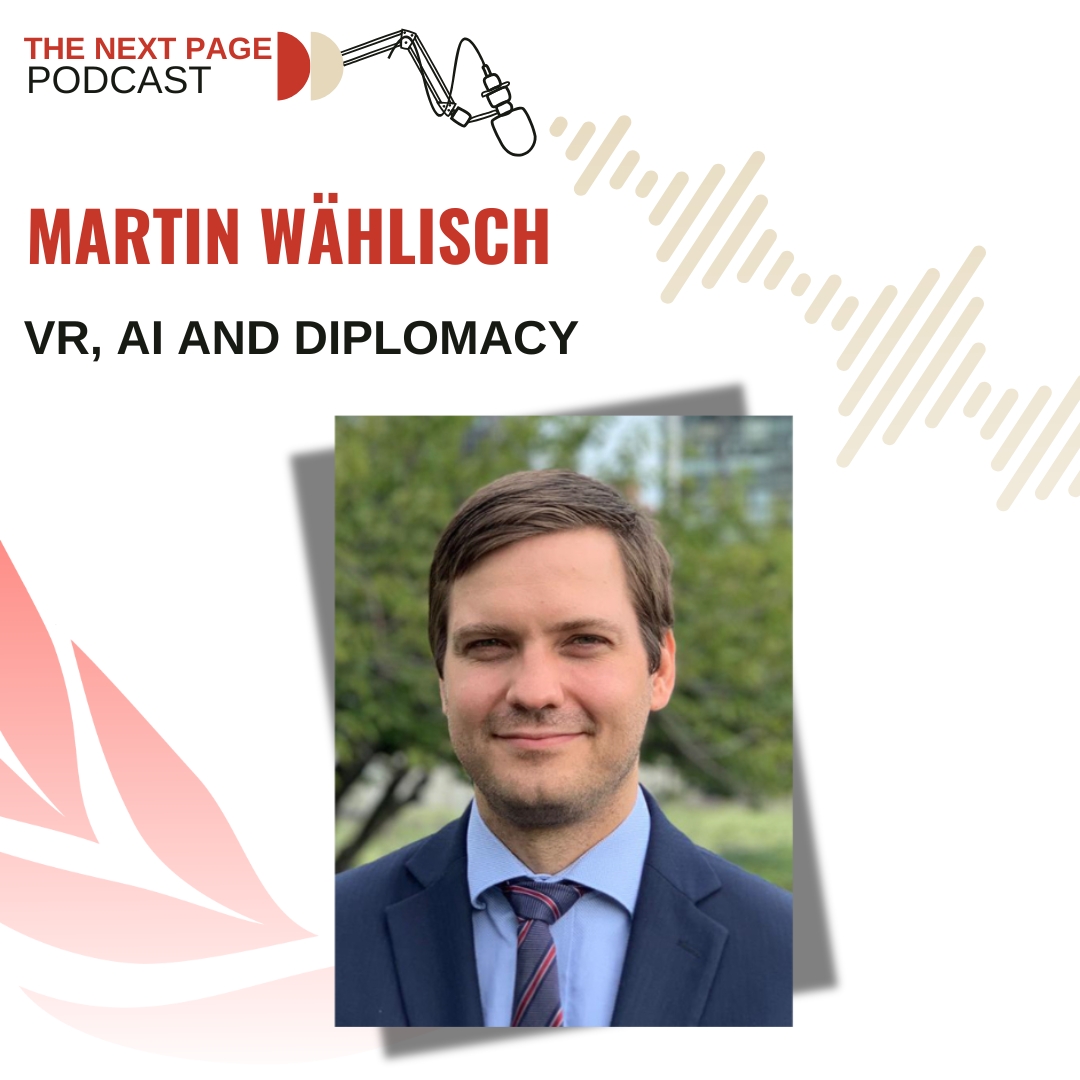
Exploring the intersection of VR, AI and Diplomacy
In this thought-provoking episode we delve into the fascinating intersection of virtual reality (VR) and artificial intelligence (AI) in the realm of diplomacy, highlighting their potential to transform multilateralism, peacebuilding, and peacekeeping.
Join us as we talk with Martin Wählisch, a UN professional with a wealth of knowledge and experience in innovative technological applications in di

How to use AI in peace making and negotiations
Welcome to another episode of The Next Page. Today, we delve into the transformative role of artificial intelligence in diplomatic matters, focusing on its application in peacemaking and negotiations.
Claude Bruderlien, a researcher and lecturer at Harvard, shares his wealth of experience as a professional negotiator working with the UN and other international organizations. Claude discusses the e
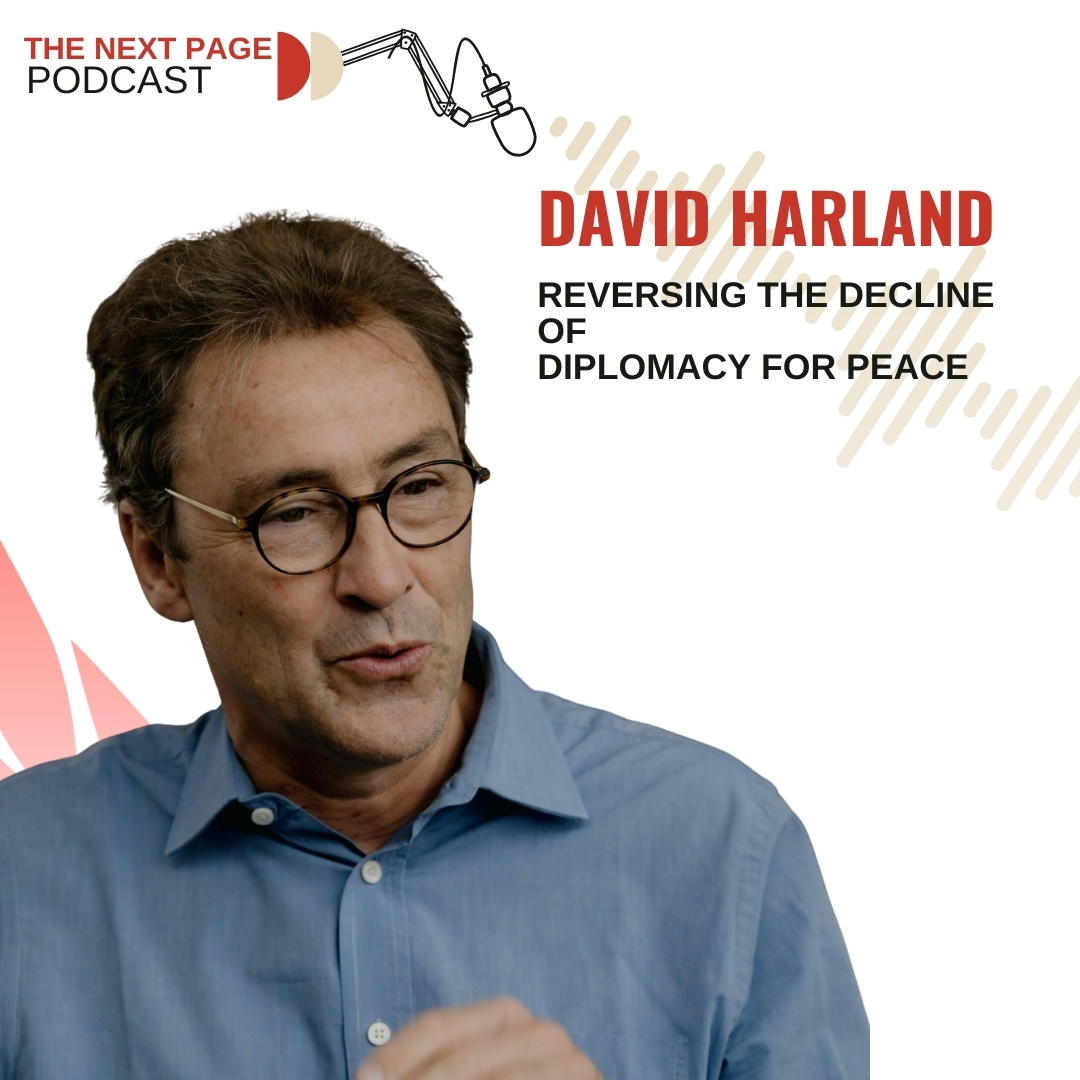
Reversing the Decline of Diplomacy for Peace: a conversation with David Harland
In this captivating episode we explore the evolving landscape of diplomacy and its pivotal role in fostering peace. Our guest, David Harland, the Executive Director of the Geneva Centre for Humanitarian Dialogue and a member of the UN Secretary General's High Level Advisory Board on Mediation, shares his vast experience and insights.
We cover the historical trajectory of diplomacy for peace, from
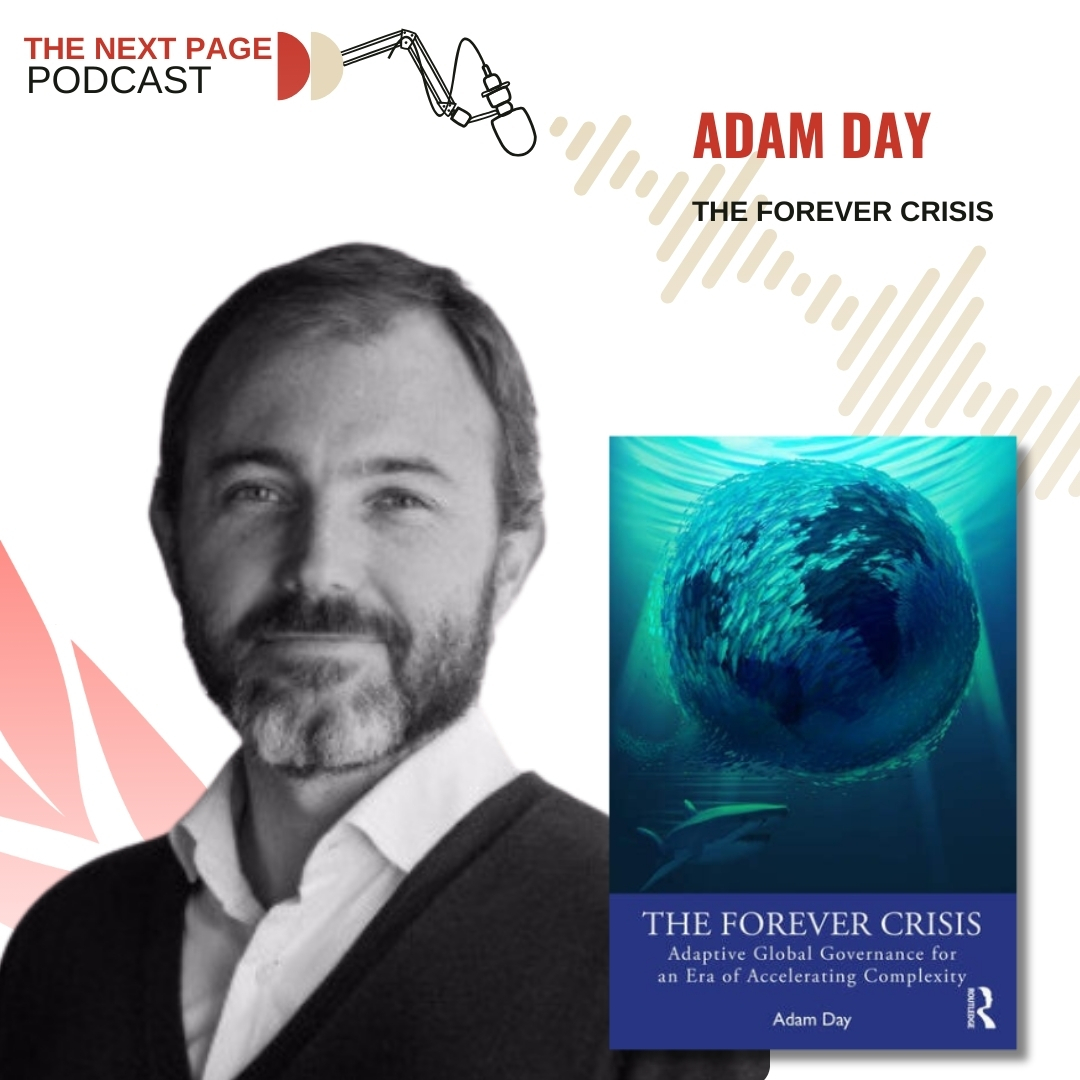
The Forever Crisis with Adam Day
Welcome to a compelling episode with Adam Day, Head of the UN University Centre for Policy Research in Geneva on his new book, "The Forever Crisis." In this engaging discussion, Adam introduces the concept of complex systems thinking, exploring its applicability to global governance and the pressing issues of our time.
Adam shares his journey from his role as a senior political advisor in Congo to

AI, Democracy, and International Relations with Jérôme Duberry
Welcome to a thought-provoking episode of The Next Page. Francesco Pisano, Director of the Library & Archives discusses the intersection of artificial intelligence, democracy, and international relations with Professor Jérôme Duberry from the Geneva Graduate Institute. With AI rapidly evolving and influencing political practices, diplomacy, and global governance, understanding its societal imp
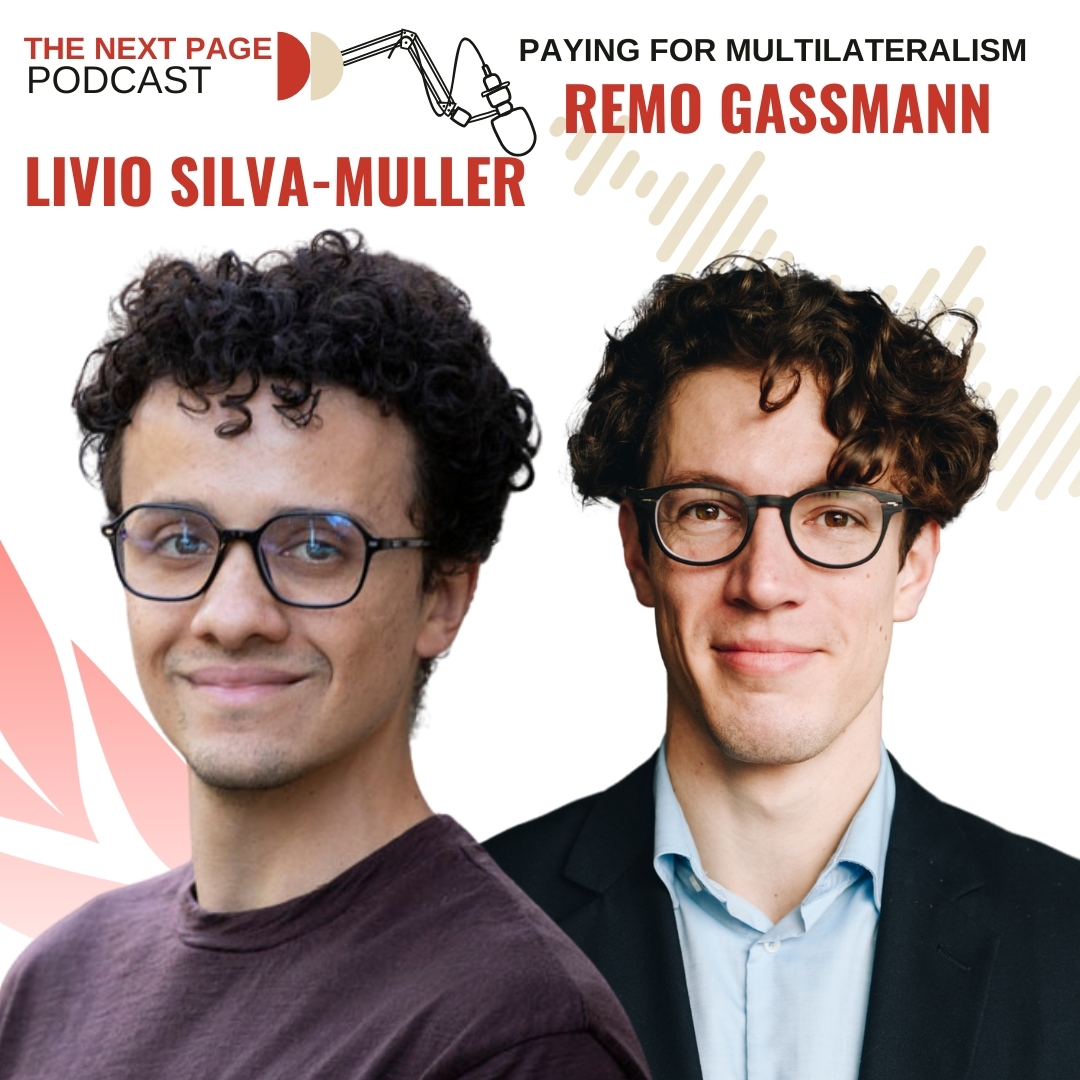
Paying for Multilateralism: the financing of IOs in Geneva
Livio Silva-Müller and Remo Gassman speak with us about their findings on the financing of international organizations in Geneva, published in a report by the Geneva Graduate Institute. Their illuminating report covers 16 organizations and spans two decades, from 2000 to 2020, providing a comprehensive analysis of financial contributions to Geneva-based international organizations.
Livio and Remo
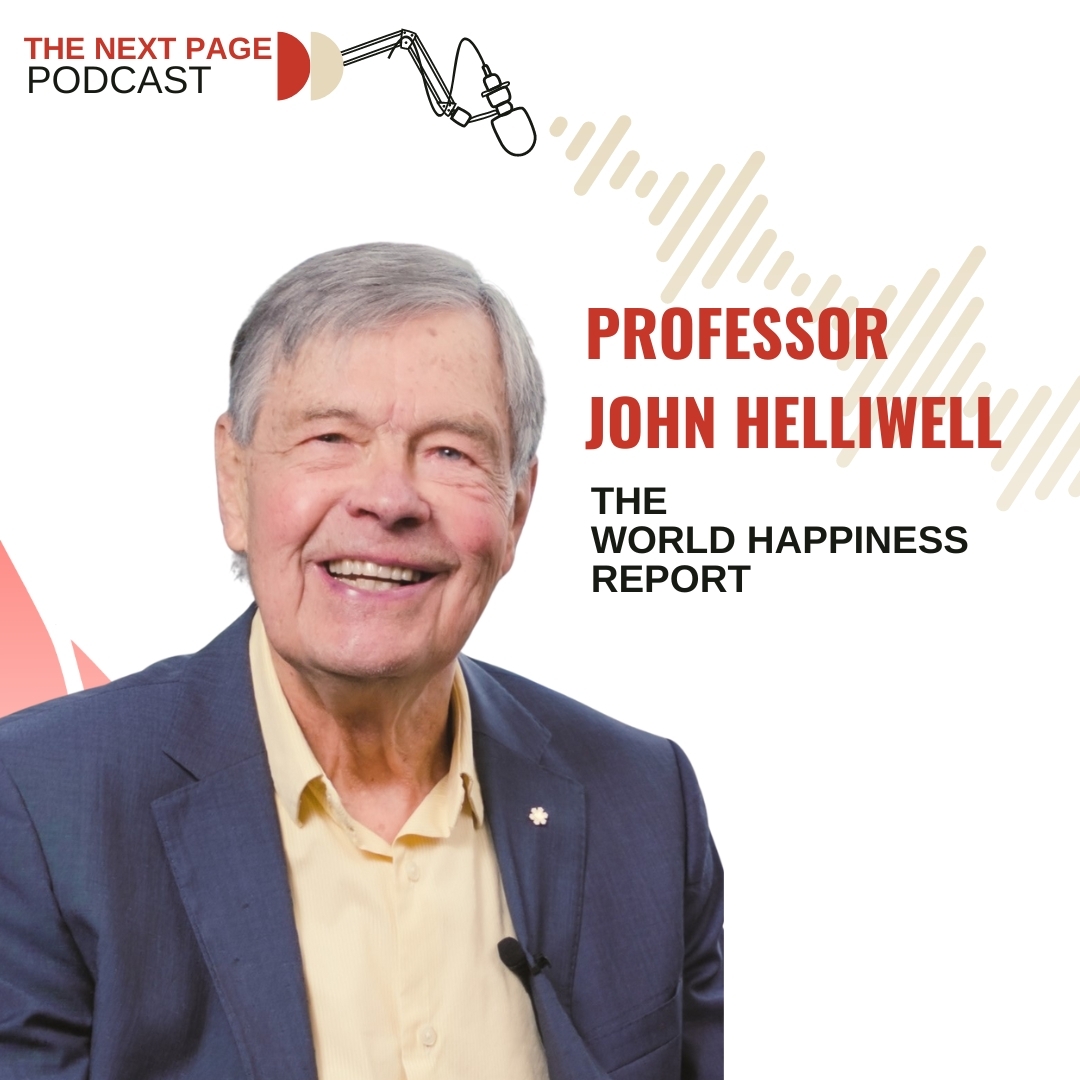
Insights from the World Happiness Report with John Helliwell
Join us as we delve into the World Happiness Report with the distinguished Professor Emeritus John Helliwell. As a founding editor of the report, Professor Helliwell shares the origins of the report, the methodology behind measuring happiness, and the profound implications of the findings.
Discover the pivotal role of the 2011 UN Resolution supported by Bhutan, the importance of subjective well-be

Informing Interwar Internationalism: The League of Nations Information Service
In this episode, Emil Seidenfaden, an historian presently undertaking postdoctoral research at the Saxo Institute, University of Copenhagen, joined us to talk about his recent book, Informing Interwar Internationalism.
This fascinating work combines international history and media history and explores the intersection of journalism and diplomacy at the time of the League of Nations.
Emil talks abo

Henri La Fontaine, un enragé de la paix avec Pierre Van den Dungen
Pour cet épisode, nous sommes enchantés d’accueillir Pierre Van Den Dungen pour parler d’Henri La Fontaine, un homme intense et fascinant gratifié du prix Nobel de la Paix en 1913.
Pierre Van Den Dungen, docteur en Philosophie et Lettres (Histoire), a consulté la totalité des papiers personnels de La Fontaine au Mundaneum, à Mons, afin de rédiger la biographie intitulée « Henri La Fontaine, prix N

Surviving the UN - a conversation with Robert Bruce Adolph
Robert Bruce Adolph joined us for this short episode to talk about his book Surviving the UN: The Unexpected Challenge. Robert worked on assignments in many conflict areas in the world in the 1990s during his second career as a UN Chief Security Officer, following his retirement as US Army Special Forces Lieutenant-Colonel. He was present during the deadly bomb attack on the UN compound in Baghdad

Multilateralism, Multiculturalism and Working at the UN
The interns working at the UN Library & Archives Geneva gathered for a discussion with the Director of the Library & Archives, Francesco Pisano, on their thoughts on multilateralism, multiculturalism and working at the UN.
Raphaela, Lucas, Alicia, Mengna and Ashrul come from different countries, are studying at different institutions and have different academic backgrounds. They share with
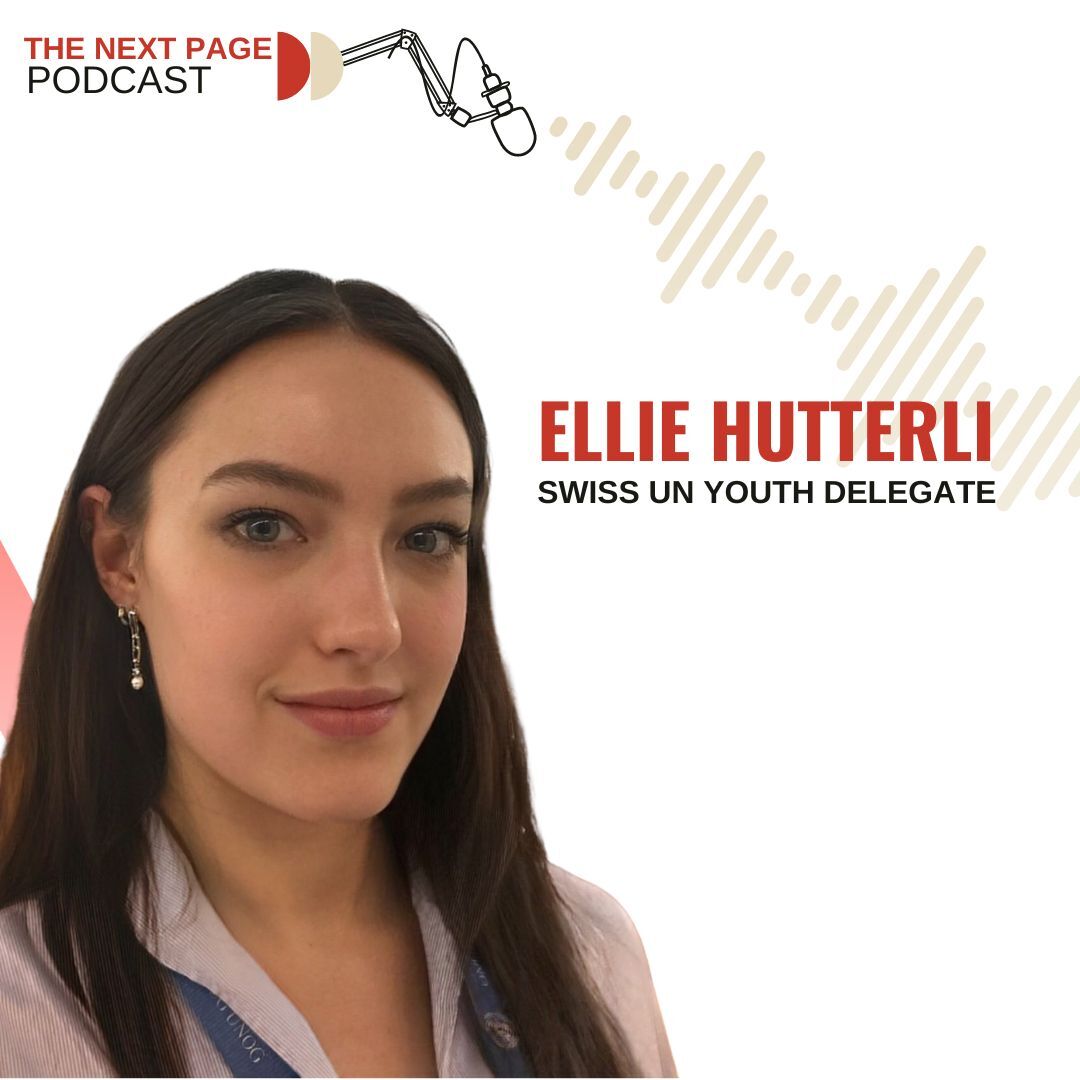
Youth in Multilateralism - a conversation with Ellie Hutterli
Ellie Hutterli is a Senior Swiss UN Youth Delegate for 2022-24 and her priority topics are sustainable cities and communities, digitalization, reduced inequalities with a special focus on gender equality, and youth participation and inclusion. Ellie joins us for this episode to talk more about the Youth Delegate programme, her priority topic on women’s rights and gender equality, as well her thoug

Long Problems: Climate Change and the Challenge of Governing Across Time
Thomas Hale is Professor in Public Policy (Global Public Policy) at the Blavatnik School of Government at the University of Oxford. He also co-leads the Net Zero Tracker and the Net Zero Regulation and Policy Hub. His research explores how we can manage transnational problems effectively and fairly.
In this conversation, Professor Hale talks with Francesco Pisano, Director of the UN Library &
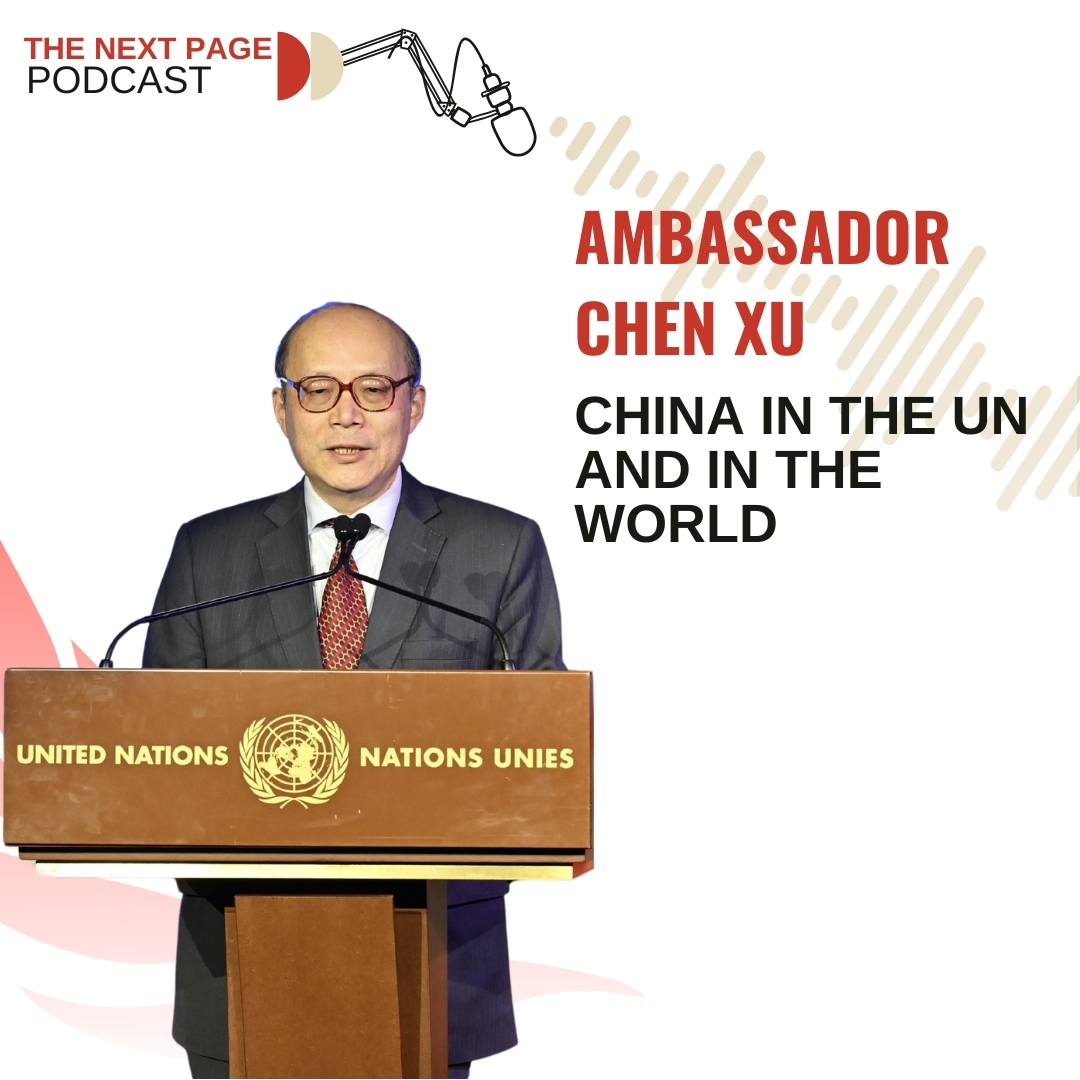
China in the UN and in the world
Join us for the next episode in our ambassadors series in which H.E. Mr. CHEN Xu, Ambassador Extraordinary and Plenipotentiary, Permanent Representative of the People's Republic of China to the United Nations Office at Geneva and other International Organizations in Switzerland talks with the Director of the Library & Archives, Francesco Pisano. Ambassador Chen speaks of the history of China,
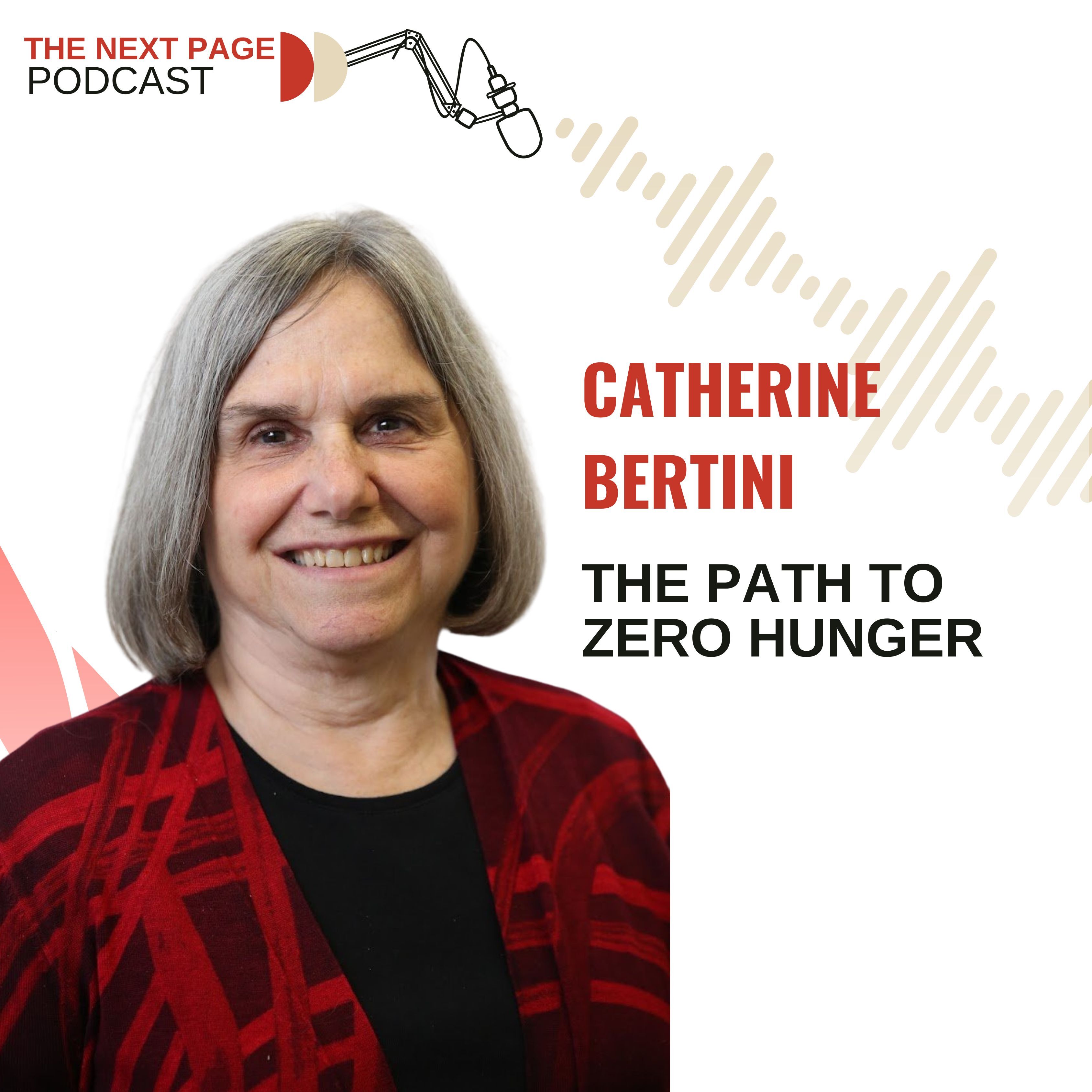
The Path to Zero Hunger - a conversation with Catherine Bertini
Catherine Bertini is The Rockefeller Foundation Managing Director for Food, former Executive Director of the World Food Programme and World Food Prize Laureate (2003). We were delighted to have her join the Director of the Library & Archives, Francesco Pisano, for this episode to explore the question of food security and the vision of achieving zero hunger in an equitable world.
The Rockefelle
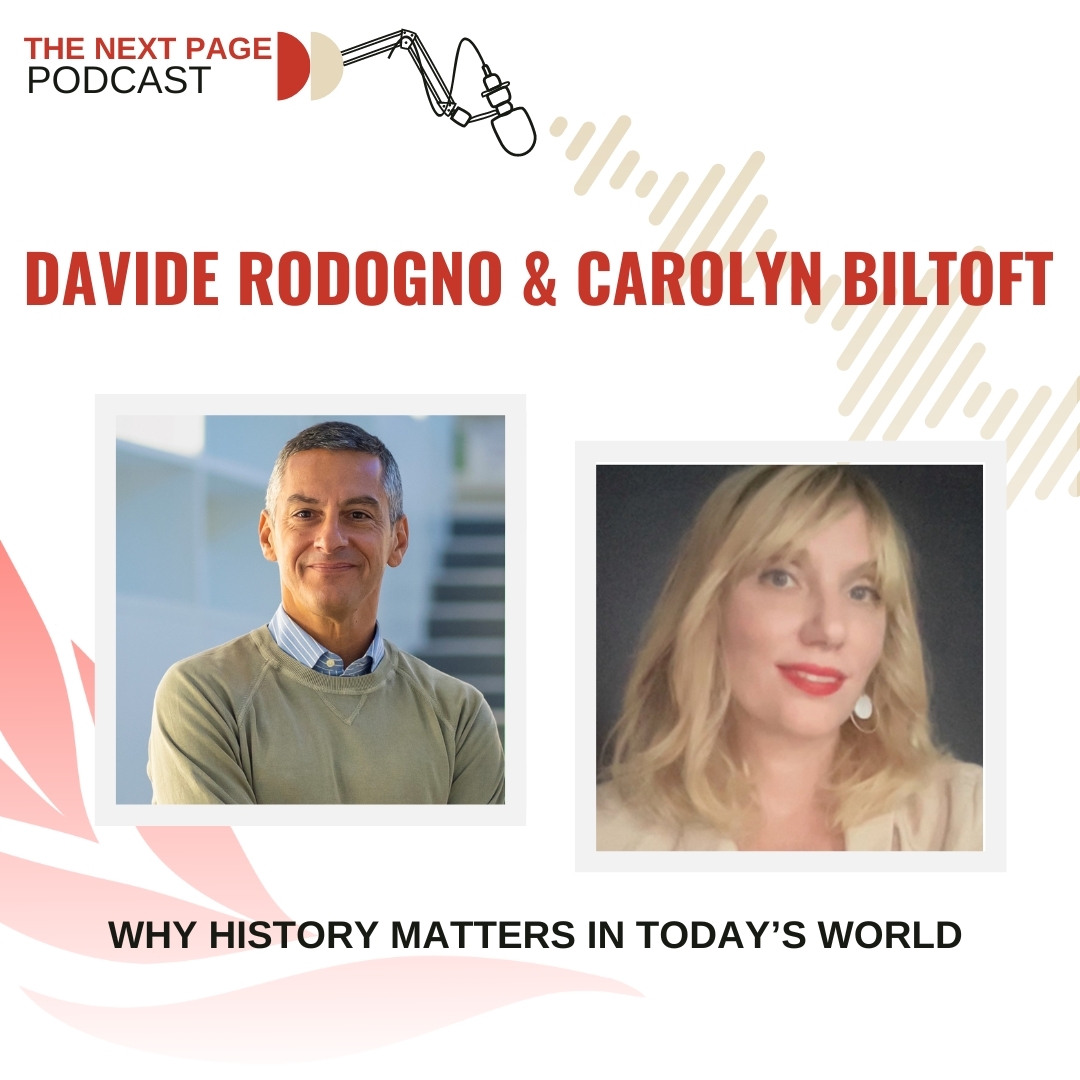
Why history matters in today's world – with Davide Rodogno and Carolyn Biltoft
In this rich conversation with Professors Davide Rodogno and Carloyn Biltoft, we delve into a world of meaning making and examine the depth and breadth that history offers for policymaking.
Davide Rodogno is professor of International History and Politics and the Head of the Interdisciplinary Master Programme at the Graduate Institute of International and Development Studies in Geneva. He speciali

Diplomacy and technology: from smoke signals to artificial intelligence with Dr. Jovan Kurbalija
Founder and Executive Director of Diplo Foundation, Dr. Jovan Kurbalija, takes us on a journey from the past to the present and across civilizations to explore the interplay of technology and diplomacy.
Diplomacy and technology are at the heart of Diplo’s mission. Dr. Kurbalija emphasizes the importance of writing as a diplomatic tool and begins by telling us the story in the Sumerian poem “Enmerk
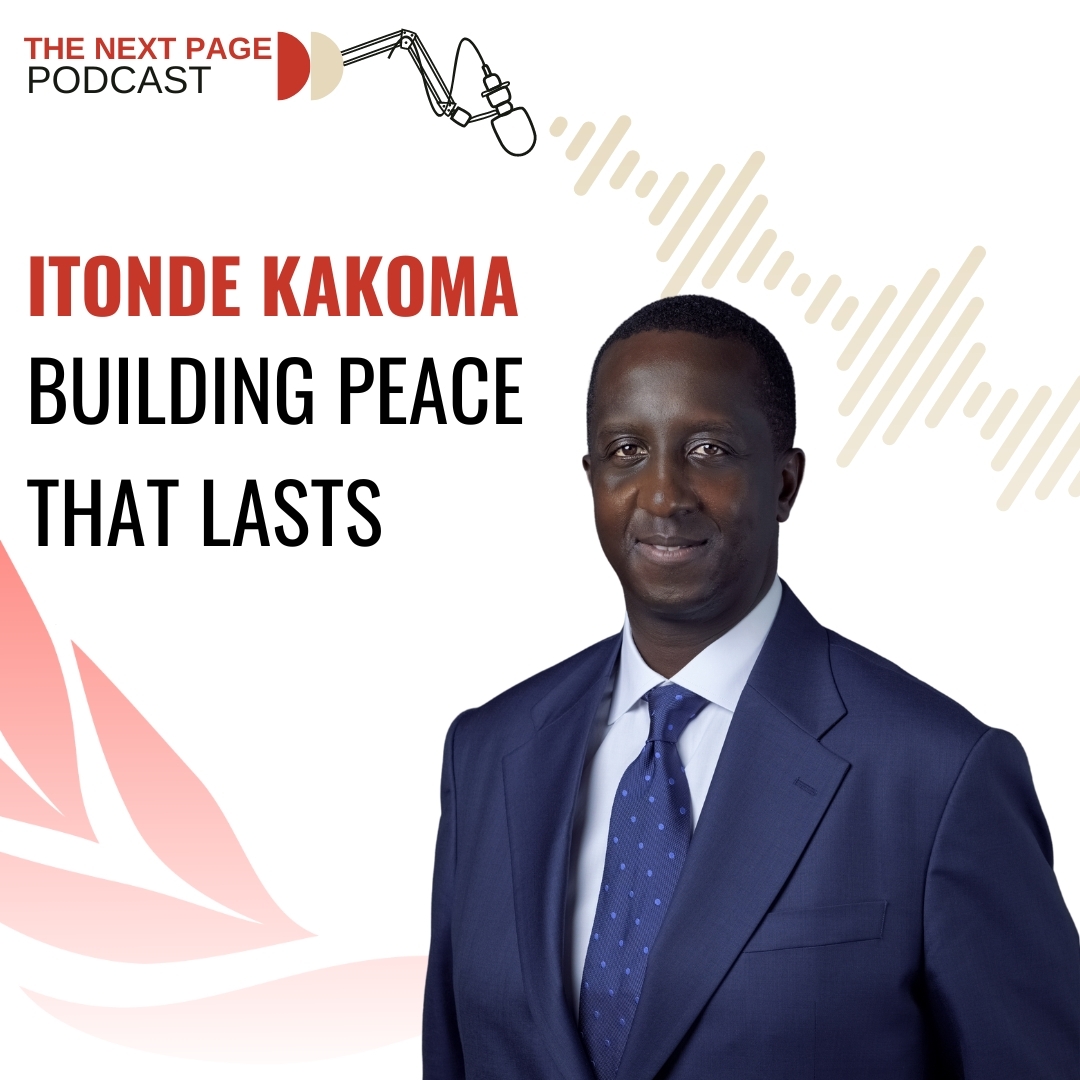
Building Peace that Lasts - a conversation with Itonde Kakoma
We invited Itonde Kakoma, the new President and CEO of Interpeace, to talk about the mission of Interpeace – an organization that had its origins in the UN and works to prevent violence and build lasting peace. Interpeace has over 30 years of experience working in Africa, the Middle East, Asia, Europe and Latin America.
In this conversation with the Director of the UN Library & Archives, Fr
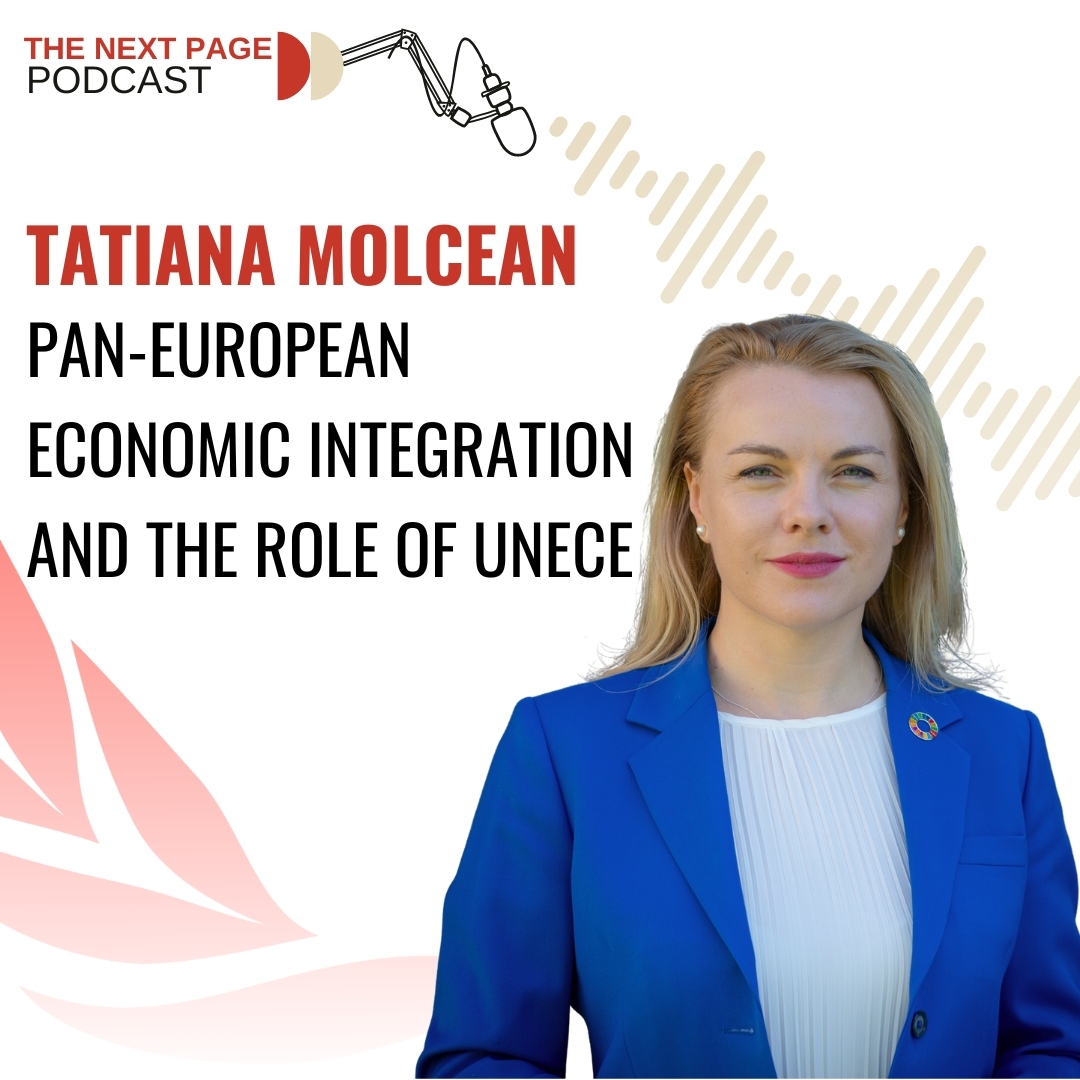
Pan-European economic integration and the role of UNECE
A conversation with Under-Secretary-General Tatiana Molcean, Executive Secretary of UNECE
The United Nations Economic Commission for Europe (UNECE) is one of the five Regional Commissions of the United Nations. ECE was set up in 1947 to promote pan-European economic integration. Francesco Pisano met with UNECE’s new Executive Secretary, Ms. Tatiana Molcean for a conversation on the role of the Com
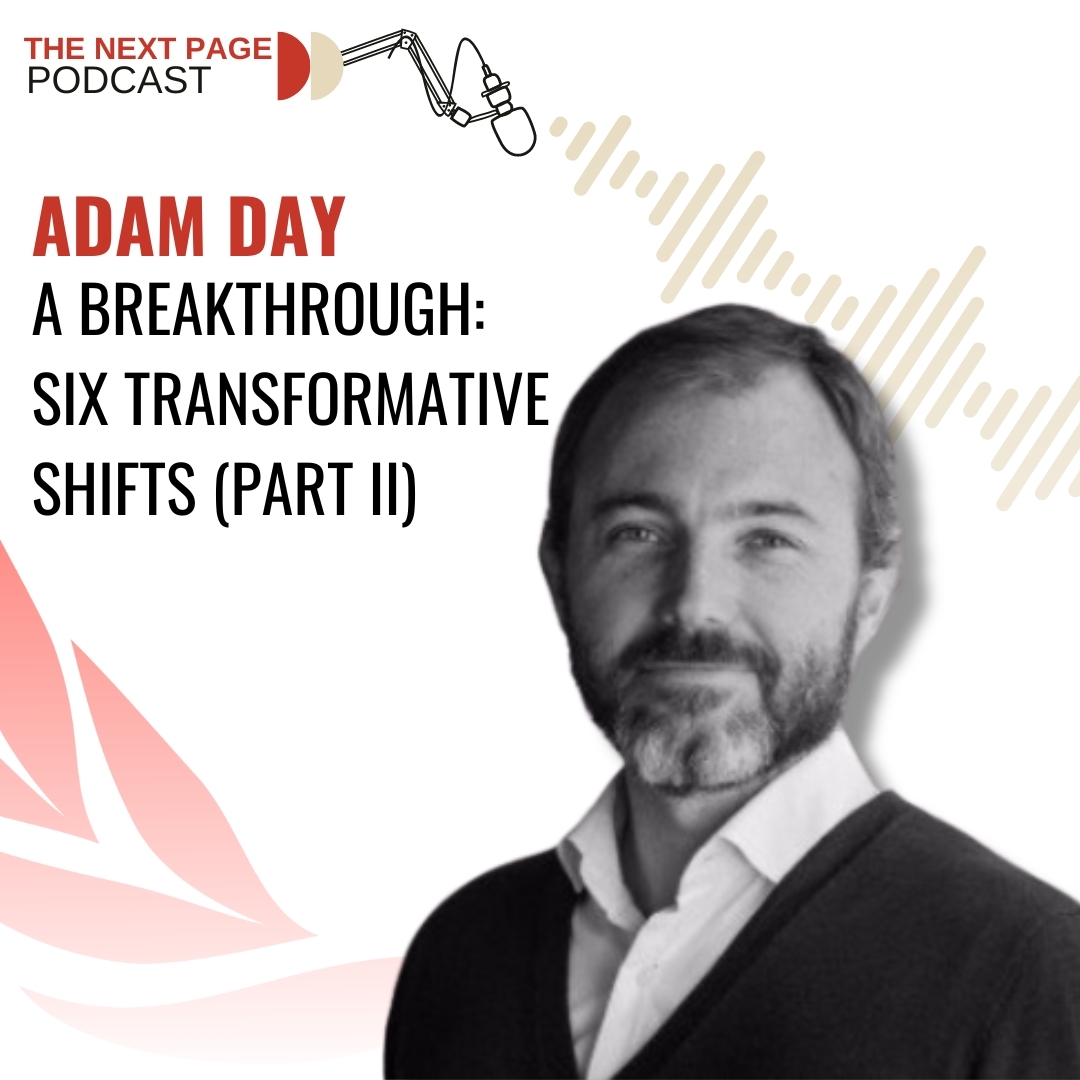
A Breakthrough: six transformative shifts (Part II) with Adam Day
Will we have a breakthrough or a breakdown? In this second episode with Adam Day, Head of the Geneva Office of the United Nations University Centre for Policy Research, we continue the exploration of the Six Transformative Shifts proposed by the High-Level Advisory Board on Effective Multilateralism for a more secure and sustainable future.
Adam Day talks with Francesco Pisano, Director of the Lib
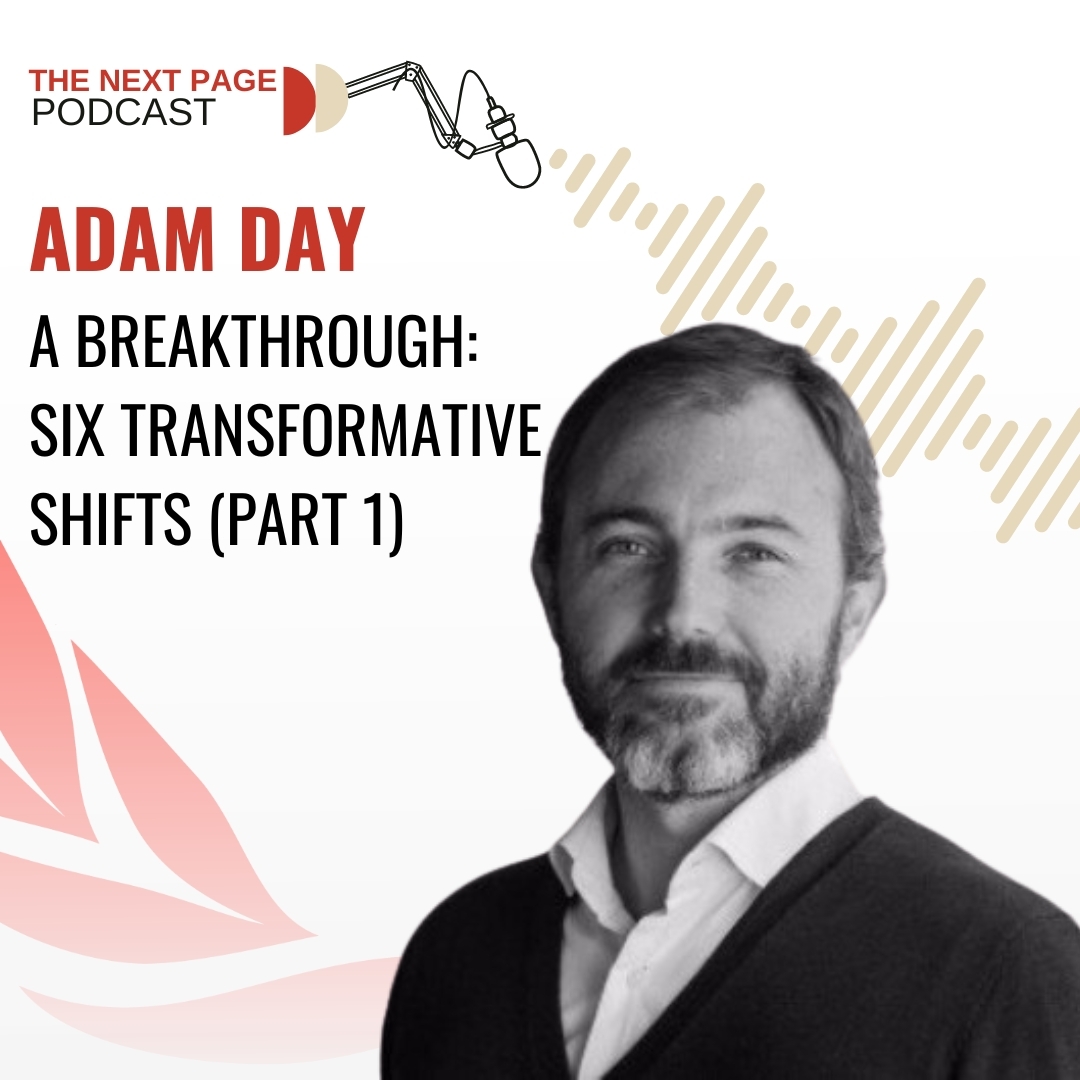
A Breakthrough: Six Transformative Shifts (Part I)
In this and the following episode, we take a deep dive with Adam Day, Head of the Geneva Office of the United Nations University Centre for Policy Research, into the Six Transformative Shifts proposed by the High-Level Advisory Board (HLAB) on Effective Multilateralism for a more secure and sustainable future.
Here, in part 1, Adam Day talks with Francesco Pisano, Director of the Library & Arc

Chile in the U.N. and in the world
We are starting our 2024 series with an episode with H.E. Mrs. Claudia Fuentes Julio, Permanent Representative of Chile.
Ambassador Fuentes Julio talks about her interesting career path into diplomacy and representing her country. She tells us about the geography of Chile, bounded between the magnificent Andes and the vast Pacific Ocean, and she relates some of the history of Chile and its long co
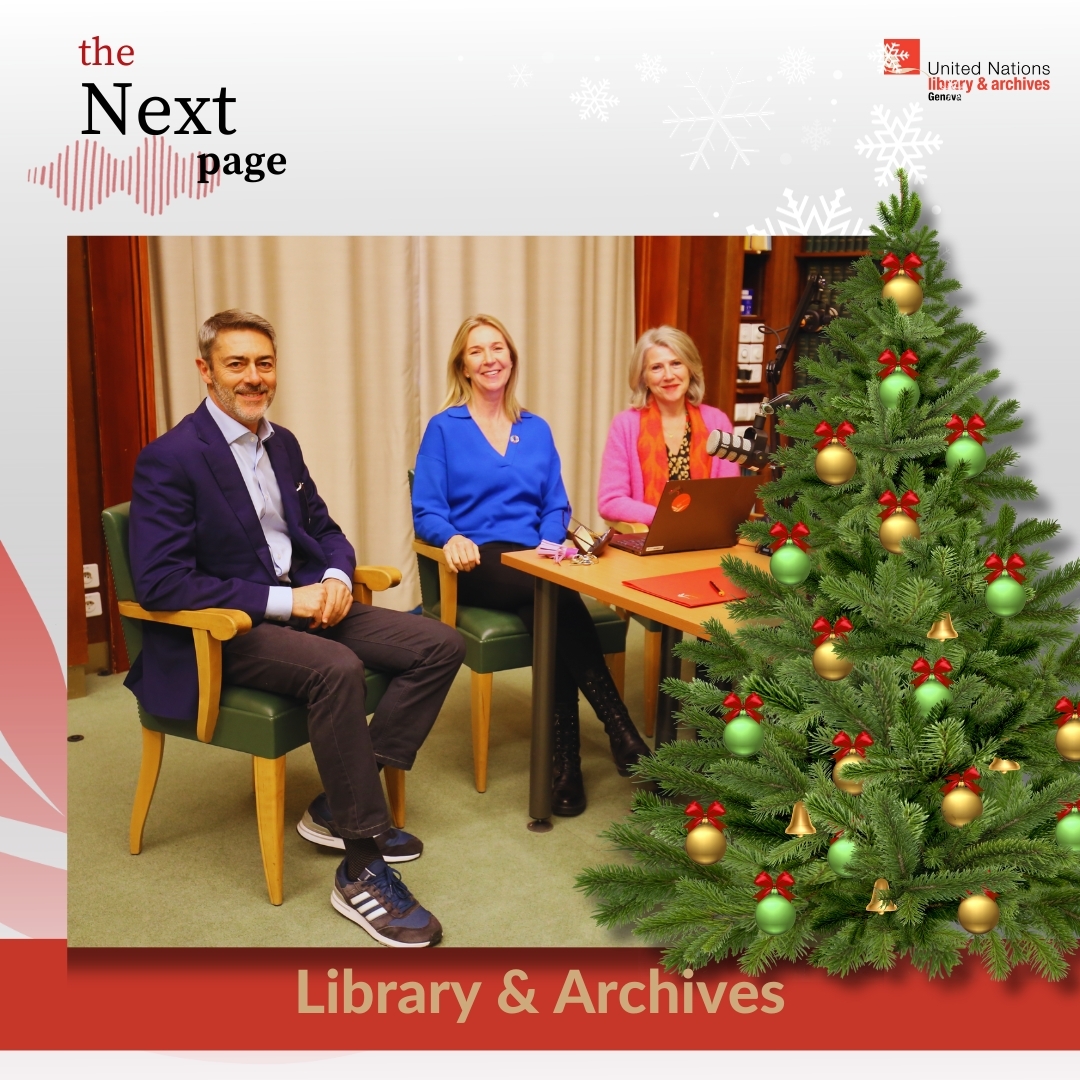
Knowledge matters in incomprehensible times
In this end of year episode, Francesco Pisano, Director of the Library & Archives and senior managers Sigrun Habermann and Blandine Blukacz-Louisfert, find themselves on the other side of the table to talk about why knowledge matters in our times, whether libraries matter, what expertise we need and what digitization, technology and AI can mean for knowledge services.
Together, they come up w

Barbados in the UN and in the world
A conversation with Ambassador Matthew Wilson
As part of our ambassadors’ series, for this episode we invited the Permanent Representative of Barbados, Ambassador Matthew Wilson, to explore the role of Barbados in the Caribbean region and in the world today, and its enduring partnership with the UN over 40 years.
Ambassador Wilson talks with Francesco Pisano, Director of the Library & Archives

Le monde d’ici commence ailleurs : bookcast avec Isabelle Durant
Le Monde d’ici commence ailleurs : coopérations utiles pour des temps compliqués
Pour cet épisode, nous sommes ravis d’accueillir Isabelle Durant, ancienne Secrétaire générale adjointe de la Conférence des Nations Unies sur le Commerce et le Développement (CNUCED). Isabelle Durant est une femme politique belge, membre du parti Ecolo qu'elle dirigea à deux reprises, elle fut sénatrice et Vice-Premi

Futures of multilateralism
Futures of multilateralism – an applied research project on the challenge of transforming the global order
In this episode, three young researchers from the Graduate Institute in Geneva, Simfora Bangasimbo, Karim Achy, Sohini Chakrabarti talk about their applied research project on Futures of Multilateralism. The UN Office at Geneva and the Graduate Institute collaborate in several knowledge and

A UN for the future
A conversation with Swiss Youth Representative, Flora Chiper
This episode with Flora Chiper, Swiss UN Youth Representative for 2023-2025, explores the role of Youth Representatives and their current work, vision and hopes for multilateralism. Flora Chiper is multicultural and multilingual and brings a scientific perspective to the team of Swiss youth reps. She is currently a postgraduate student

Slovakia in the UN and in the world
A conversation with Ambassador Dušan Matulay
This episode is part of our ambassadors’ series hosting Permanent Representatives of UN Member States in Geneva for conversations about the role of their countries in the UN and in the world. We invited the Permanent Representative of Slovakia, H.E. Mr. Dušan Matulay, on the occasion of the 30th anniversary of Slovakia’s membership in the UN.
Ambassador
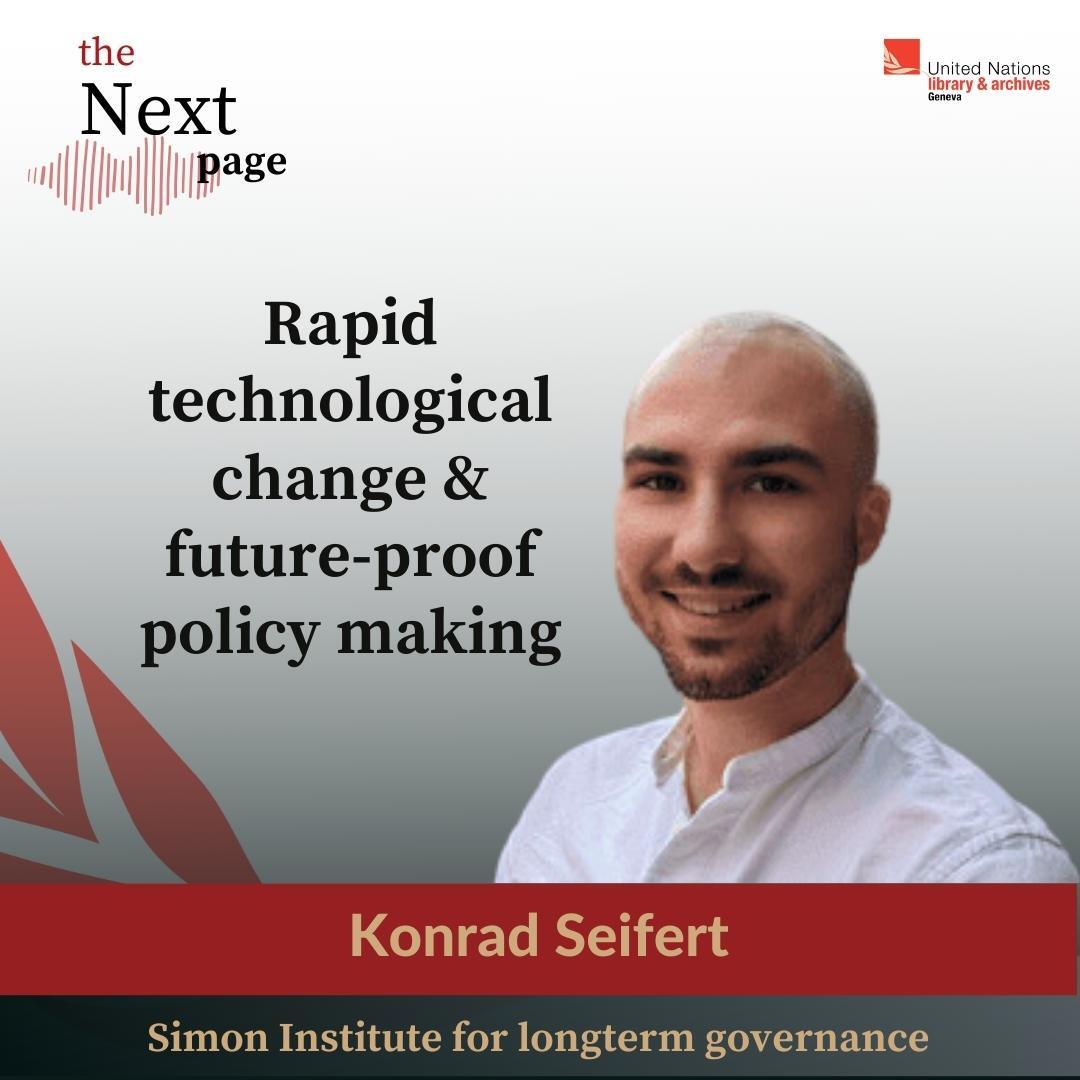
Rapid technological change & future-proof policy making
In this episode we continue our explorations in view of the Summit of the Future. The Summit of the Future (in 2024) will be a key moment to reaffirm and recommit to effective multilateralism in the interest of both people and the planet.
But how do we set out to redesign multilateralism and craft the future we all want in our era of ultra-rapid technological change? And how do we factor in our

Germany in the UN and in the world - a conversation with Ambassador Dr. Katharina Stasch
Our ambassadors’ series hosts Permanent Representatives of UN Member States for conversations about the role of their countries in the UN and in the world. In this episode we invited the Permanent Representative of Germany, Ambassador Dr. Katharina Stasch, on the occasion of the 50th anniversary of Germany’s membership in the UN.
In 1973 there were two German states. The Federal Republic of German

The Democracy-Multilateralism Nexus with Corinne Momal-Vanian
Corinne Momal-Vanian is the Executive Director of the Kofi Annan Foundation. Previously, she worked in various senior positions and a variety of countries for the United Nations, most recently as Director of Conference Management at the United Nations Office at Geneva (2015-2020) and Director of Information (2010-2015).
We invited Corinne Momal-Vanian back to The Next Page for a conversation with

Marcel Griaule - une conversation avec Yves Pourcher
Marcel Griaule, un ethnographe dans la diplomatie de l’entre-deux-guerres avec Yves Pourcher
Pour cet épisode, nous sommes ravis d’accueillir Yves Pourcher pour parler de Marcel Griaule, un anthropologue, explorateur et écrivain au destin particulier notamment parce qu’il est entré dans la diplomatie lors de la crise d'Abyssinie.
Yves Pourcher, professeur de science politique, a rassemblé plus d

Night on Earth - a bookcast with Davide Rodogno
In this episode, Davide Rodogno introduces his book Night on Earth, an account of international humanitarian programmes in Central and Eastern Europe, the Balkans, and the Near East in the interwar period from 1918 to 1930.
Professor Rodogno explains how concepts of international 'relief' and 'development' were deeply connected long before the existence of the United Nations. Through the conversat

Women who shaped the UN - a conversation with Rebecca Adami
We invited Dr. Rebecca Adami, Associate Professor, Senior Lecturer at Stockholm University, Award winner of the 2022 Bertha Lutz Prize for highest quality public writing and research on women in diplomacy by the Diplomatic Studies Section (DPLST) of the International Studies Association (ISA), for a conversation around the role non-Western women had in shaping the UN system, from the UN Charter to
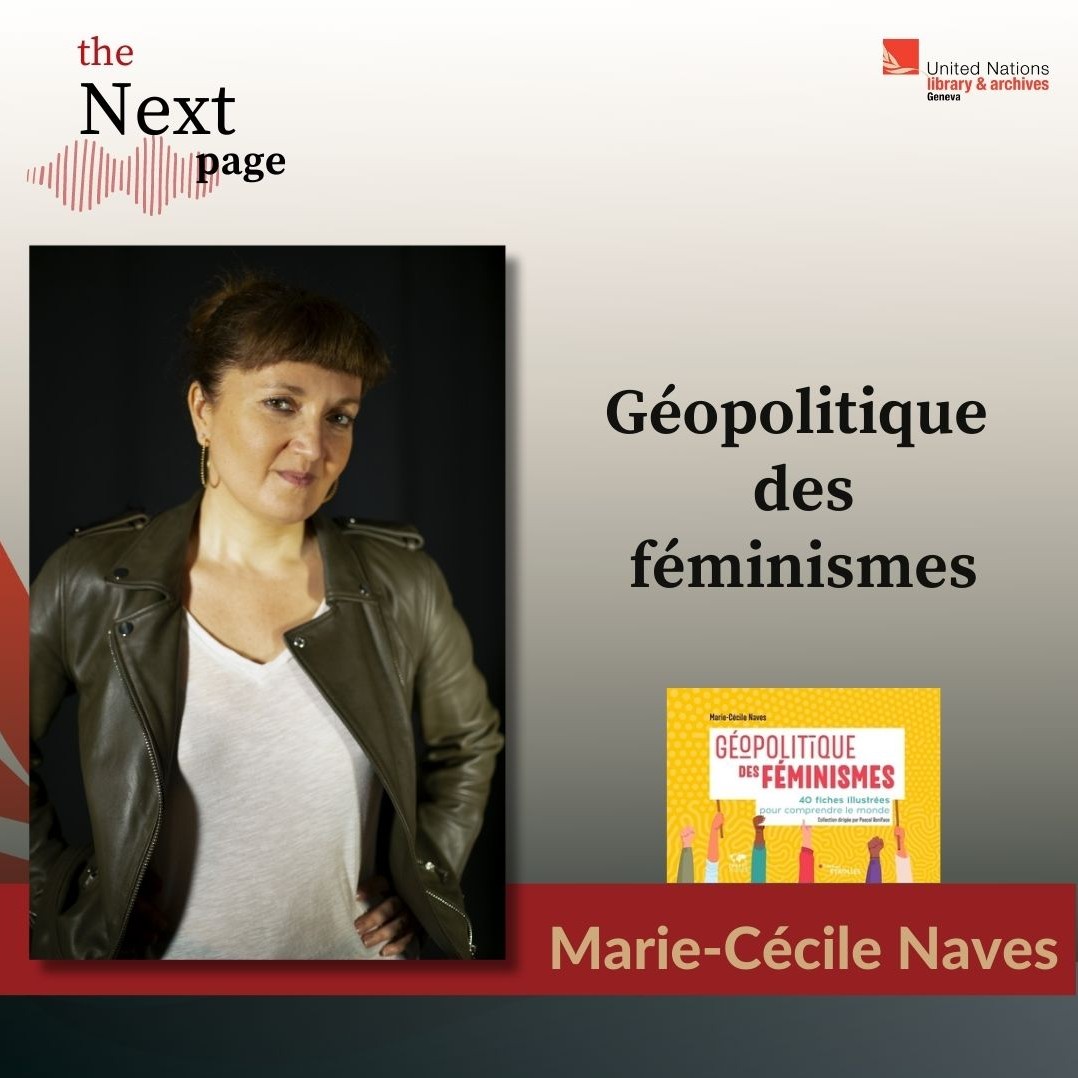
Géopolitique des féminismes – une conversation avec Marie-Cécile Naves
Nous continuons notre série en lien avec le rapport du Secrétaire-général Notre programme commun, le Sommet pour les ODD, et le Sommet de l’avenir avec un épisode qui souligne l’importance de mettre l’égalité des genres au cœur de l’architecture multilatérale. Pour cet épisode, nous avons invité Marie-Cécile Naves, Directrice de recherche et Directrice de l‘Observatoire « Genre et géopolitique » à

Multilateralism & the UN today - a conversation with Richard Gowan
In this episode, we met with Richard Gowan, UN Director at International Crisis Group (ICG) to get his perspective on current issues and trends in multilateralism. He shared his thoughts on reasons for optimism and pessimism about the way multilateralism is functioning, the ways in which it is evolving and the values on which it stands. We also talked about the UN, possibilities of reform, the SDG

A time for change and effective multilateralism – a conversation with Adam Day
In this episode we explore a recent report of the High-Level Advisory Board on Effective Multilateralism - A Breakthrough for People and Planet: Effective and Inclusive Global Governance for Today and the Future (United Nations University, 2023) - which offers a pathway to revitalize the multilateral system in view of the Summit of the Future. The Summit of the Future will be a key moment to rea
Empfohlen

BarDown podcast

Passe-moi les jumelles ‐ RTS

Ade merci, Schweiz – Auswandern und Leben im Ausland

SRH - Resilienz aus Krisen lernen

Bauherren Podcast Schweiz

NZZ Weekend
Passage

Chaos-Amt

Bern einfach. Das Wichtigste zum Tag.

Echo der Zeit

Hirnguetzli – Der Schweizer Wissenspodcast für Kinder

geneveMonde.ch
